Report and FEE Statement on the COP21 Agreement
Read the report of the activities of the Foundation for Environmental Education during COP21 and our official statement on the COP21 Agreement.
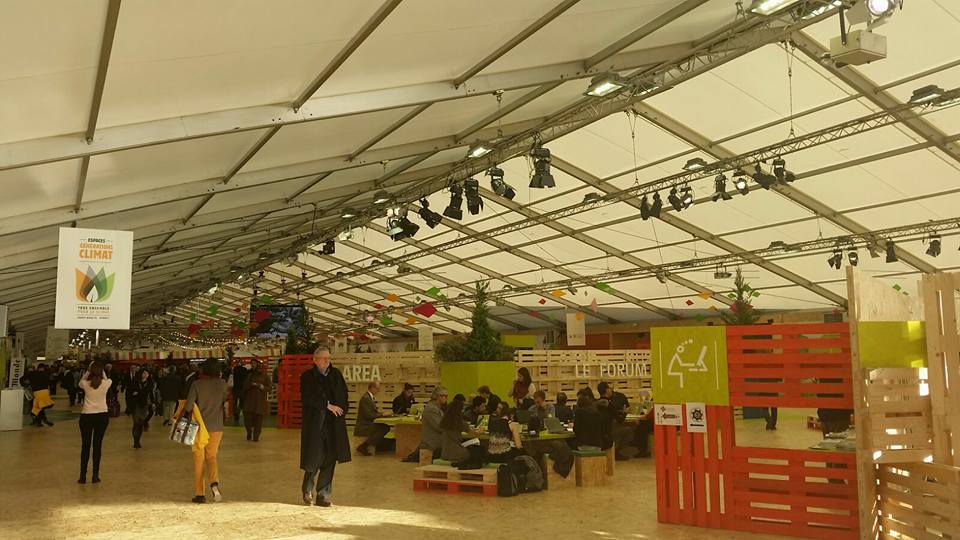
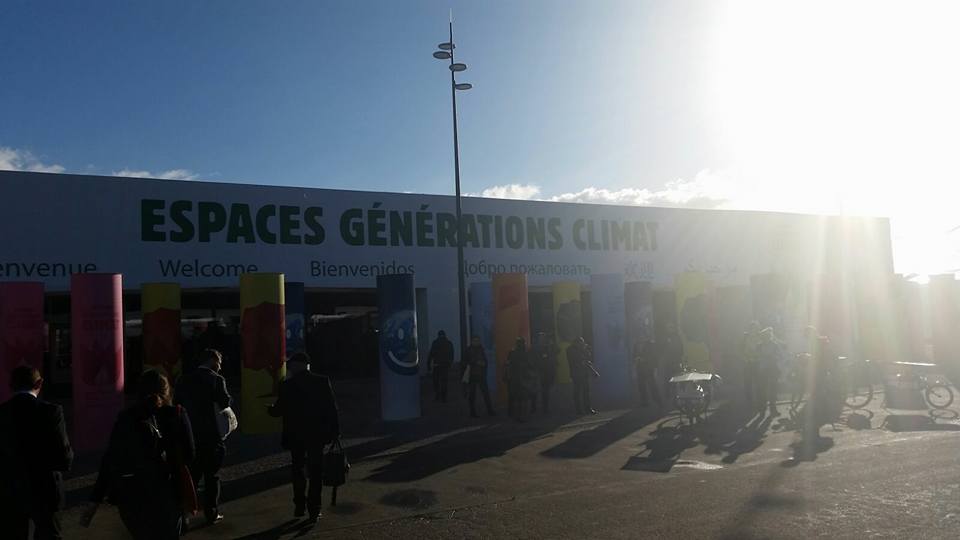
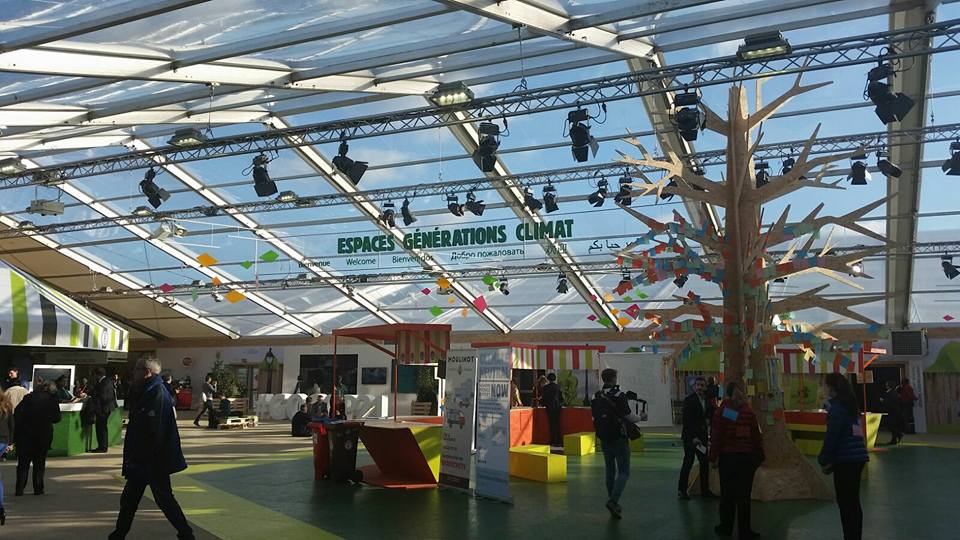
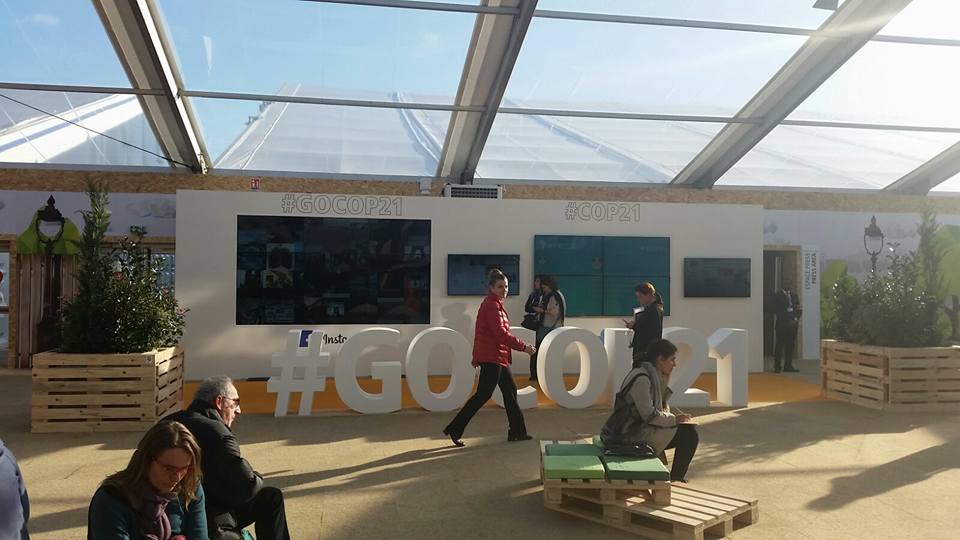
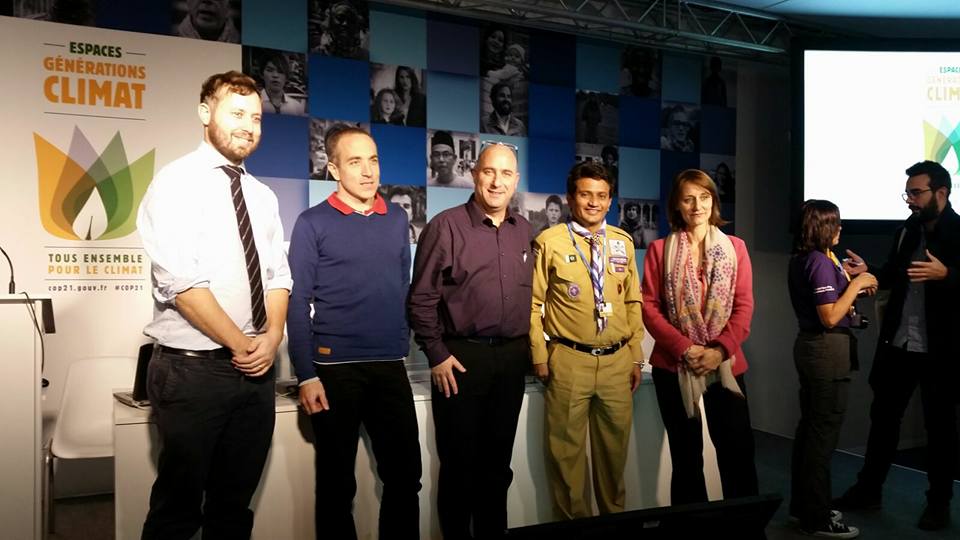
On 4 December 2015 in the Climate Generations Area at COP21/CMP 11 in Paris, the Foundation for Environmental Education (FEE) hosted a conference entitled “Climate Change as part of the curriculum from kindergarten to university”. The conference aimed at creating a platform of discussion between civil society, high profile professionals in the field of environmental education and people with real hands-on experience, so that they could share their knowledge and involvement in environmental issues.
Moreover, as FEE representatives, Lesley Jones and Daniel Schaffer, were involved in activities at the Climate Generations Area, the Blue Zone and the UNESCO Headquarters, where they discussed further how FEE helps strengthen climate education through its programmes, its campaigns, and its impact at the international, national and local level.
FEE Statement on the COP21 Agreement
On the 12 December 2015, 195 nations reached a new global agreement in Paris for cutting greenhouse gas emissions and tackling climate change. The agreement’s main aims are to keep the increase in the global average temperature to well below 2 °C above pre-industrial levels and to pursue efforts to limit the temperature increase to 1.5 °C above pre-industrial levels, to increase the ability to adapt to the adverse impacts of climate change, and to make consistent financial flows with a pathway towards climate-resilient development.
The Paris agreement’s most evident value is to set a regular emissions’ cut review process together with the submission of new targets, thus facilitating the process from the civil society’s side of pushing governments to not only reach their goals, but also to keep aiming for higher ones. The Agreement also takes into account the less developed countries’ financial support for climate change adaptation and mitigation, together with supporting developing countries in their transition to low carbon economies.
This agreement is a very positive step in the right direction and reflects the long needed global acceptance of the problem, its causes and the urgency in which we need to act if we are to start remedying the situation.
Nevertheless and once again, the agreement seems to lack an enforceable non-compliance mechanism, which would ensure that countries fulfil the obligations they have committed to in this Paris Agreement.
The Foundation for Environmental Education as a representative of its members, who are civil society organisations from around the world, would like to recognise the important role civil society will need to continue to play to encourage governments to fulfil their obligations towards the reduction of green house gas emissions, and also the wellbeing of their citizens and that of humanity in general.
The Foundation for Environmental Education urges governments to recognise the great importance of Climate Change Education (CCE) as a key element to bring about the needed change, as presented in the Paris Agreement. The recognition must come in the form of continuous and increased support for both the formal and non-formal education systems, including all age groups from kindergarten to adulthood.
- Daniel Schaffer, CEO of the Foundation for Environmental Education
Download the full report and statement on the COP21 Agreement
The more the merrier - New members joining FEE
As of November 2015, Colombia, Switzerland and South Korea are on board
As of November 2015, Colombia, Switzerland and South Korea are on board!
Colombia’s Ministry of Trade, Industry and Tourism, whose mission is to support the entrepreneurial activity aimed at the production of goods, services and technology, as well as the touristic management of the country’s regions, is now an Affiliate Member, with the implementation of the Blue Flag programme.
The Blue Flag programme will also be implemented in South Korea, under the Associate Membership of the Lifesaving Society Korea. The main objectives of the organisation are drowning prevention activities (public education, research, training, etc.), forming working groups to promote drowning prevention in South Korea and worldwide, to foster lifesaving sports, contribute international lifesaving movement, set lifesaving and lifeguarding standard in South Korea, and other drowning prevention related business.
In Switzerland, the Association J’aime ma Planète, a non-profit organisation that is committed to protecting the environment and promoting a sustainable development, will be implementing the Eco-Schools programme.
You can find more information about the organisations in their respective websites:
Ministry of Trade, Industry and Tourism, Colombia: http://www.mincit.gov.co/englishmin/
Lifesaving Society Korea: http://www.lskorea.org/spmain/spmain.php
Association J’aime ma Planète: http://www.jaimemaplanete.name
