FEE at Education Day at COP16 in Cali, Colombia
FEE had the pleasure of joining an important Education Day event at the 16th meeting of the Conference of the Parties to the Convention on Biological Diversity (COP 16). During this session our Senior Director of Education, Pramod Kumar Sharma, provided some key insights into how FEE sees meaningful biodiversity action and offered some recommendations.

For meaningful biodiversity action, perhaps it’s time for a shift in mindsets. Rather than short-term projects, we should think long term and invest in programmes. Conserving biodiversity and healthy ecosystems calls for supporting ongoing action, and by focusing on the long term, we can build on what’s working. The Greening Education Partnership (GEP) presents an exciting platform for alignment — not only to create synergies but also to support schools with aligned goals. A critical mass of schools working together and strengthening each other’s efforts is need of the hour to demonstrate impact.


Lasting change, as we know, thrives on teamwork. Collaboration — not competition — could be our guiding light. There’s great potential for synergy among educational initiatives, allowing us to support each other while easing the burden on our education systems. By focusing on shared goals, we can harness a collective impact that makes tackling biodiversity loss feel more manageable, as something we’re all tackling together rather than in isolation.
Finally, bringing Ministries of Education to the table is key to making environmental action truly systemic. Their involvement in the negotiations would help embed this work within curricula on a larger scale. As partners, ministries could help open doors for climate goals that lead to real, sustainable pathways for schools and students worldwide.
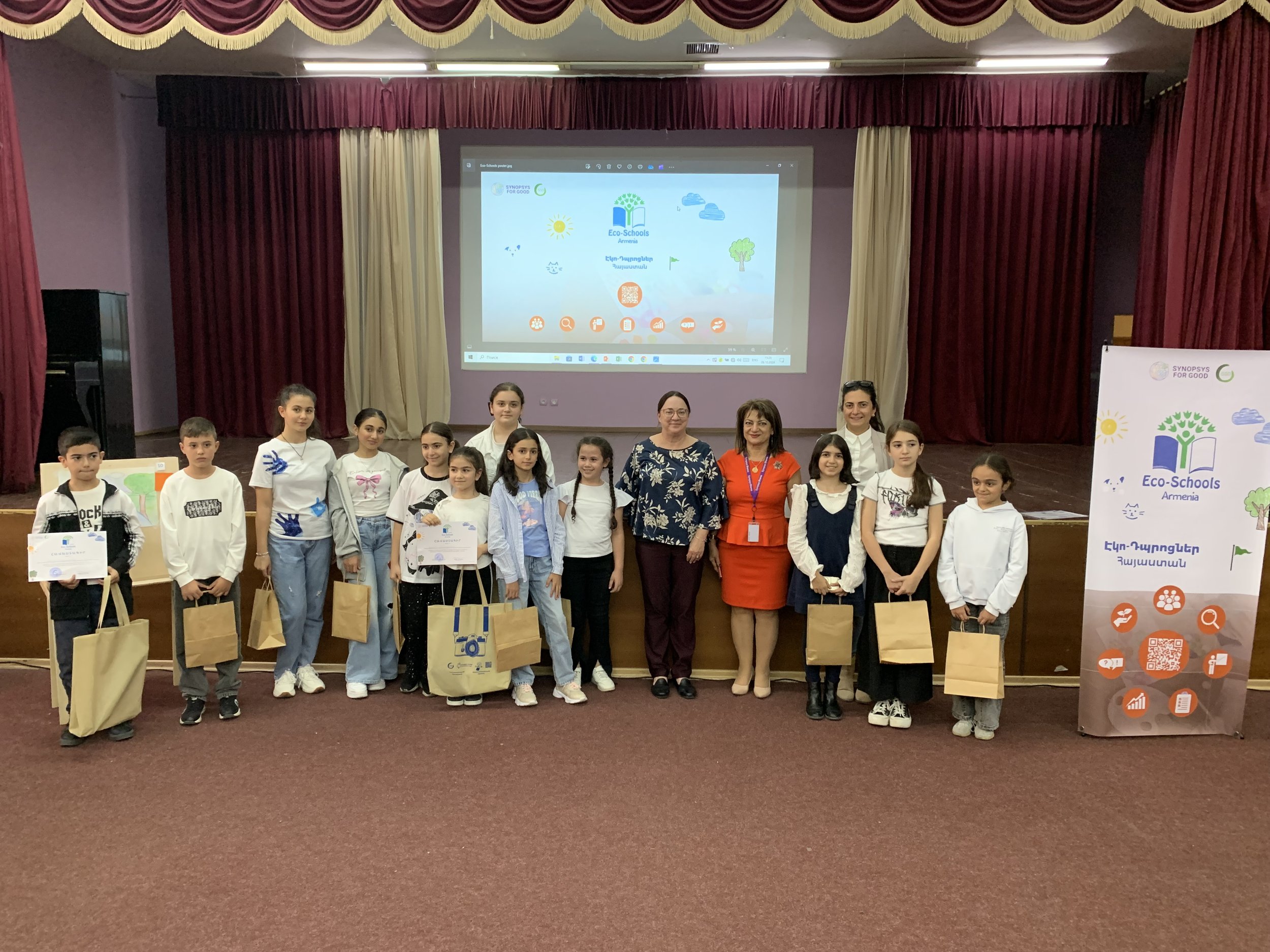
Synopsys supports the launch of Eco-Schools in Armenia
Armenia joins Eco-School global movement
FEE is thrilled to announce the successful launch of the Eco-Schools programme in Armenia, made possible through the generous support of Synopsys. This marks a significant milestone in fostering sustainability education within the country, empowering students to take action for a greener future. The inaugural event, held in early October, was attended by an enthusiastic group of educators, students, representatives of Yerevan Municipality, schools from Yerevan and Armavir, and representatives of Synopsys Armenia and FEE member, ISSD, Innovative Solutions for Sustainable Development, all eager to embark on this environmental journey.
With Synopsys’ backing, the Eco-Schools programme is set to inspire schools across Armenia to adopt sustainable practices. Through hands-on learning and student-led initiatives, schools will focus on key environmental themes and the programme’s collaborative approach will also foster strong connections between schools and their local communities.


About Synopsys
Three major technology trends—artificial intelligence, silicon proliferation, and software-defined systems—are shaping a new era of pervasive intelligence. For years, Synopsys has been a driving force of these trends, delivering the silicon to systems design solutions that have been essential to enabling them.
Synopsys is a valued partner for global silicon to systems design across a wide range of vertical markets, empowering technology innovators everywhere with the industry’s most comprehensive and trusted solutions. Find out more on their website!
2024 Litter Less Campaign launch with UNESCO ASPnet schools and Young Reporters for the Environment

Recycled waste turned into beautiful pieces of art
We are excited to announce that we have now officially kickstarted the third year of the Litter Less Campaign under the Young Reporters for the Environment (YRE) programme within UNESCO’s Associated Schools Network. The launch event brought together passionate students, teachers from across 18 countries and 60 schools. The teachers and students together will raise awareness of critical environmental issues and provide solutions. They will then tell the stories of their discoveries through article writing, videography, photography, or podcasting and involve their communities.
Through our collaboration with UNESCO, students will be encouraged to develop their inner vision for the environment, interact and learn with fellow students from different cultures and countries. We will use this opportunity to help them grow into thoughtful, responsible leaders who take positive action to improve themselves, their communities and the environment.
FEE partners with Two Daughters Entertainment to launch Moley as Global Ambassador for Global Action Days 2025
COPENHAGEN, Wednesday 9th October 2024 – The Foundation for Environmental Education (FEE) is thrilled to announce a global partnership with Two Daughters Entertainment (2DE), featuring their popular Moley IP as the Global Early Years Ambassador for FEE’s Global Action Days 2025. This collaboration plays a key role in FEE’s dedication to supporting the UN Decade on Ecosystem Restoration through youth-led environmental action.

With operations in over 100 countries, FEE’s programmes—Eco-Schools, LEAF (Learning about Ecosystems and Forests), and Young Reporters for the Environment (YRE)—engage 21 million students across 48,000 schools globally. As part of this exciting partnership, Moley and the citizens of Moletown will serve as ambassadors for Global Action Days 2025, inviting participants worldwide to take part in hands-on citizen science tasks focused on ecosystem restoration. These activities will show how even small actions can have a meaningful impact on both personal and environmental well-being.
The two-week Global Action Days campaign, launching on World Earth Day, 22nd April 2025, will spotlight key environmental themes such as soil health and biodiversity. With Moley leading the way, students will take part in activities aimed at raising awareness and driving action toward restoring ecosystems, aligning with FEE’s mission of fostering a sustainable future.

Further extending the reach of this partnership, FEE will explore integrating Moley into educational resources for early learners in its LEAF and Eco-Schools programmes. By using Moley’s engaging stories and characters, these resources will help instil a deeper understanding of environmental responsibility in young minds.
“Good citizenship, positive action, and care for the environment are central pillars of our Moley IP. Teaming up with FEE offers a fantastic opportunity to share these values and inspire children to explore and nurture the world around them – and even beneath their feet.”
Lee Wray-Davies, FEE’s Global Director of Education, added:
“The partnership with Two Daughters Entertainment and Moley enables FEE to bring engaging characters, stories, and fun activities to our educational work across the globe. Our Global Action Days 2025 campaign will serve as the perfect launchpad, focusing on important themes like soil health and biodiversity, with resources designed to help young people connect with and protect the natural world.”
We are excited for this impactful collaboration and look forward to the many ways Moley will help us empower the next generation of environmental stewards!
About Two Daughters Entertainment
Two Daughters Entertainment is a TV & Film Entertainment company dedicated to producing high-quality content for children and families worldwide. Their first production, Moley (52 x 11’), is distributed in over 170 countries in 30 languages, with a focus on securing further distribution deals. Following Moley, the company is developing three additional projects, all centered on engaging storytelling for kids and families.
Contact information
Rob Goodchild / Two Daughters Entertainment
Email: rob@twodaughtersentertainment.com
Lee Wray-Davies / Foundation for Environmental Education
Email: lee@fee.global

FEE partners with PPG to drive global environmental sustainability education
Two-year collaboration to expand climate education and empower future environmental leaders
Denmark, Copenhagen, Sept 19, 2024 – The Foundation for Environmental Education (FEE), a global leader in environmental education and sustainable development, is thrilled to announce a two-year partnership with PPG (NYSE: PPG). Through this collaboration, PPG will provide a $150,000 community engagement grant to enhance FEE’s efforts in promoting climate change education as part of UNESCO’s Greening Education Partnership (GEP).
This generous grant from PPG will support FEE’s mission to address the urgent need for climate change education in schools around the world. As part of PPG's broader commitment to invest $5 million in environmental sustainability education by 2030, this partnership will help expand FEE’s reach and impact in classrooms globally.


“Climate change is one of the most pressing issues of our time, and education plays a pivotal role in addressing it.”
“With the support of PPG, we will use the best experience and approaches from our global Eco-Schools network in the creation of new tools and materials in multiple languages. These will enable schools, young people and their communities worldwide to learn about and address immediate climate change challenges and develop long-term environmental stewardship and sustainability practices, ” said Daniel Schaffer.
The funding will facilitate the creation of new educational materials, including Eco-Schools handbooks, instructional videos, online courses, and teacher training materials. These resources will be made available in multiple languages—including English, Chinese, Spanish, Portuguese, and French—to ensure global accessibility and impact.

From the students’ perspective, this partnership represents an exciting opportunity to engage with environmental issues on a deeper level. The new resources will be integrated into existing curricula, offering students hands-on learning experiences that connect classroom lessons with real-world environmental challenges. Through this, students will be empowered to develop the skills and knowledge necessary to become leaders in the fight against climate change.
As the coordinator of UNESCO's Greening Education Partnership, FEE is dedicated to accrediting 50% of all schools worldwide under a green school scheme by 2030. The partnership with PPG is a significant step towards this goal, with the potential to positively impact 30,000 schools, 75,000 teachers, and 1 million students across the globe. By equipping educators and inspiring students, this collaboration will leave a legacy in the global effort to combat climate change.
“We are proud to partner with FEE to empower the next generation with the knowledge and skills needed to tackle climate change. Through this collaboration, we aim to support the development and dissemination of high-quality educational resources that will reach students across the globe, inspiring them to become the environmental stewards of tomorrow.”
This partnership marks a significant step toward achieving UNESCO’s sustainability goals, and FEE looks forward to working with PPG to create lasting, positive change through education.
For more information about the partnership, visit FEE’s website and PPG’s 2023 ESG report.
PPG: WE PROTECT AND BEAUTIFY THE WORLD®
At PPG (NYSE:PPG), we work every day to develop and deliver the paints, coatings and specialty materials that our customers have trusted for more than 140 years. Through dedication and creativity, we solve our customers’ biggest challenges, collaborating closely to find the right path forward. With headquarters in Pittsburgh, we operate and innovate in more than 70 countries and reported net sales of $18.2 billion in 2023. We serve customers in construction, consumer products, industrial and transportation markets and aftermarkets. To learn more, visit www.ppg.com.

FEE's 2024 climate action plan is out!
The Foundation for Environmental Education is proud to be a signatory of the Glasgow Declaration on Climate Action in Tourism
As a signatory of the Glasgow Declaration, we commit to deliver plans aligned with the pathways to cut tourism emissions in half over the next decade and reach Net Zero emissions as soon as possible before 2050.
The Foundation for Environmental Education commits to:
Support the global commitment to halve emissions by 2030 and reach Net Zero as soon as possible before 2050;
Deliver climate action plans within 12 months from becoming a signatory (or updating existing plans), and begin implementing them;
Align plans with the five pathways of the Declaration (Measure, Decarbonise, Regenerate, Collaborate, Finance) to accelerate and co-ordinate climate action in tourism;
Report publicly on an annual basis on progress against interim and long-term targets, as well as on actions being taken;
Work in a collaborative spirit, sharing good practices and solutions, and disseminating information to encourage additional organisations to become signatories and supporting one another to reach targets as quickly as possible.
Congratulations to the 23/24 YRE Winners!
The Foundation for Environmental Education (FEE) is proud to announce a record-breaking year for the Young Reporters for the Environment (YRE) International Competition 23/24.
This year, the YRE International Competition received 248 submissions from a remarkable 46 countries, marking the highest level of global participation to date. Out of these, 25 winning entries were selected by our esteemed YRE International Jury, comprised of experts from journalism and environmental NGOs.
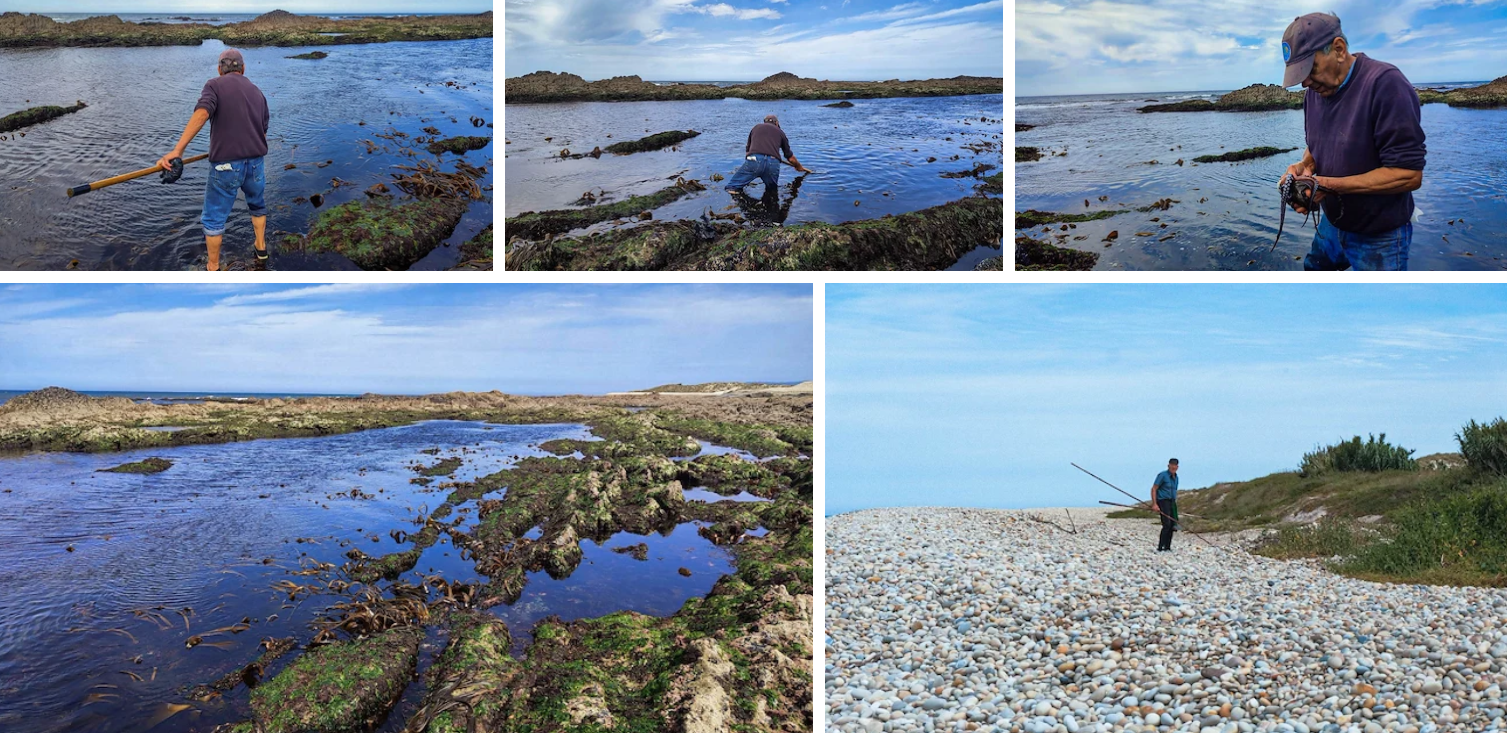
Winning entry of the photo story category by photographer Luis Martins from Portugal
Young leaders from all around the world worked together to report about challenges and solutions in their local communities. They do so by create articles, taking photos or producing videos targeting issues in the fields of climate change, loss of biodiversity, and pollution.
These winners covered a broad range of environmental issues in their reports relating to: space waste, noise pollution, coral reefs, urban wild meadows, packaging and food waste, fashion and medicine. Importantly all winners not only reported on the issues but also presented thoughtful solutions, and to raise awareness and enable positive action. Congratulations to all YRE 23/24 Competition participants!
Eco-Schools Launched in Armenia with support from Synopsys
As part of our ambition to expand the Eco-Schools programme and help meet the ambitious targets of the Greening Education Partnership, The Foundation for Environmental Education (FEE) has developed a new partnership with Synopsys Inc and our member organisation in Armenia, “ISSD” Innovative Solutions for Sustainable Development of Communities” NGO to launch the Eco-Schools programme.
On March 28, 2024, ISSD announced the official launch of the programme during its 7th anniversary celebration organized in Yerevan, Armenia, which was attended by the representatives of the government, donor organizations, local and international partners, schools and others. During the official launch, the co-founder of ISSD and the programme manager of Eco-Schools programme Irina Mkrtchyan, presented the programme, its mission and purpose, as well as the benefits the programme will bring to Armenia. As the team starts the establishment and growth of the Eco-Schools Green Flag accreditation programme in Armenia, it has targeted 50 schools in Armavir region and the capital city – Yerevan that will undergo a set of trainings and other activities.

World’s Leading Travel & Tourism Certification Organisations Collaborate to Meet Growing Demand for Sustainability
Copenhagen, Denmark
The Foundation for Environmental Education (FEE), Green Key International, and Blue Flag International are proud to announce our participation in a global collaboration of leading certification organisations dedicated to developing and upholding industry-recognised standards for sustainable tourism.
This significant milestone highlights the critical importance of our 10-year strategic plan, GAIA 20:30, which pledges to empower climate action, protect global biodiversity, and reduce environmental pollution. By joining forces with these respected partners, we collectively enhance our capacity to drive global sustainability initiatives and demonstrate our commitment to creating a more sustainable future by providing transparent, achievable, and affordable solutions for the industry.

Representatives from the organisations which took part in the meeting in Copenhagen. From left to right: Billy Bishop (Travelife for Accommodation, Daniel Schaffer (Foundation for Environmental Education), Patricio Azcárate Díaz de Losada (Responsible Tourism Institute), Elissa Keenan (Ecotourism Australia), Naut Kusters, (Travelife for tour operators), Birte Pelayo (Green Globe Certification), Gary Graham (Green Key Global), Albert Salman (Green Destinations), Marco Giraldo (TourCert)
At the commencement of 2024, leading sustainable travel & tourism certification organisations formed a collaboration to address better practices and improve cooperation across the globe. These certification organisations and their related educational and training bodies include Biosphere: Instituto de Turismo Responsable; Blue Flag; Ecotourism Australia; Good Travel Seal; Green Globe Certification, Green Key: Foundation for Environmental Education; Green Key Global; TourCert; Travelife for Accommodation; and Travelife for Tour Operators.
For more than 30 years, these leading certification organisations have been responsible for developing internationally accepted sustainability criteria, constituting the industry-recognised standard for sustainable tourism. Collectively these organisations have certified more than 19,000 of the world’s leading travel and tourism enterprises, organisations, and destinations.
The hallmark of these certifications has been and continues to be, a focus on transparency, integrity and credibility. This inclusive approach is underpinned by the combined knowledge of industry professionals, academia, quality assurance auditors, destination managers and regulators. All stakeholders contribute and benefit from the ongoing development processes, providing a common platform that neither favours nor discriminates, but promotes the continuous improvement of sustainable performance by all.
As leading sustainability certifiers, these organisations have ensured that the criteria and indicators of the industry-recognised standard have been developed for use in various countries, regions, and geographies. This process has allowed the travel and tourism industry to comply with the standard, via actions that contribute to the sustainability of the communities in which they operate and on which their activity has a direct and indirect impact, promoting more respectful and resilient business models.
The travel and tourism industry and destinations have for many years relied on the indisputable veracity of the professional services delivered by these certification organisations. These organisations’ certification services are underpinned by a quality management approach and assured by independent verification inspections.

Participants in the meeting in Copenhagen from Travel & Tourism Certification Organisations
Over decades and today, many thousands of travel and tourism enterprises, organisations and destinations utilise the certifications provided by these organisations to prove ESG practices to shareholders, investors, governments, and destination managers. Recently, sustainability’s remarkable rise in popularity with travel consumers has led to an unprecedented demand for certification by many more businesses and destinations.
With the rapidly growing appreciation of sustainability’s immeasurable value, certification organisations have come together to ensure that core values, along with criteria and indicators that define sustainable tourism, are not diluted, or manipulated.
Furthermore, on behalf of their clients and members, the organisations will work collectively to satisfy the requirements of emerging consumer protection legislation such as the European Union Green Claims Directive. This collaboration of certification organisations looks forward to discussing and aligning approaches to future legislation, reporting standards and other requirements relating to sustainable tourism certification.
Concerning their historical roles as founders and developers of the knowledge and practices that have grown sustainable tourism, the certification organisations are dedicated to further fostering a global industry that thrives on sustainability. This includes the development of frameworks and pathways that encourage all enterprises to engage sustainability as a driver for their business. The fundamental goal is to provide transparent, achievable, and affordable solutions for the industry, and assist them in meeting the challenges of operating sustainably and achieving continuous improvement.
This new level of collaboration by certification organisations will further empower travel and tourism to embrace sustainability through rigorous certifications, and promote destinations that endorse eco-friendly practices, support local communities, and preserve cultural richness. To this end, the certification organisations will continue to guarantee that their professional services are provided fairly and affordably across all sectors and to all businesses, including micro and small-to-medium-sized enterprises, that make up the great majority of the travel and tourism industry.
About Green Key International
Green Key is an internationally recognised programme that certifies hotels, resorts, theme parks, and conference centres, that adhere to strict criteria in social and environmental responsibility, alongside sustainable business practices. Achieving this certification reflects a commitment to exceeding global standards through innovative solutions.
Green Key operates under the Foundation for Environmental Education (FEE) and is recognised by a range of international hotel chain partners and other entities in the tourism and hospitality industry as a preferred sustainability certification partner. With over 5,900 certified businesses in 70+ countries, Green Key is the leading standard for excellence in the field of environmental responsibility and sustainable operation within the tourism and hospitality industry. Learn more at www.greenkey.global.
About Blue Flag International
The iconic Blue Flag is one of the world’s most recognised voluntary awards for beaches, marinas, and sustainable tourism boats. To qualify for the Blue Flag, a series of stringent environmental, educational, safety, and accessibility criteria must be met and maintained. Central to the ideals of the Blue Flag programme is the aim of connecting the public with their surroundings and encouraging them to learn more about their environment. As such, environmental education activities must be offered and promoted in addition to a permanent display of information relevant to the site in terms of biodiversity, ecosystems and environmental phenomena.
Blue Flag operates under the Foundation for Environmental Education (FEE) and is world-renowned award trusted by millions around the globe. With over 5,100 awarded beaches, marinas and tourist boats in 51 countries, Blue Flag is the leading programme promoting sound environmental education and sustainable management of beaches, marinas and boating operators worldwide. Learn more at www.blueflag.global.
About Foundation for Environmental Education
The Foundation for Environmental Education (FEE) is one of the world’s largest Education for Sustainable Development (ESD) organisations, with over 100 member organisations in 80 countries. With a network of over 60,000 educational institutions, the Eco-Schools, Learning About Forests and Young Reporters for the Environment programmes empower young people to create an environmentally conscious world through experiential, project-based learning. The Green Key and Blue Flag programmes are globally recognised for promoting sustainable business practices and the protection of natural resources. With over 40 years of impactful experience in ESD, FEE’s strategic plan, GAIA 20:30, prioritises impactful action across all five programmes to address the threats of climate change, biodiversity loss and environmental pollution.
For more information, please contact:
Alessandro Venti, International Blue Flag Coordinator
Email: alessandro@fee.global
Winners of FEE Teacher Award 2024 Announced
Thursday, 6th June 2024 – In a special 30th anniversary celebration webinar titled “Greening Schools to Greening Communities – Celebrating 30 years of Eco-Schools and Young Reporters for the Environment!”, the Foundation for Environmental Education (FEE) announced the recipients of the FEE Teacher Award. This announcement comes a day after World Environment Day, when UNESCO launched their Green School Quality Standards and Green Curriculum Guidance as part of the UN’s global initiative, ‘The Greening Education Partnership’.
As the international community focusses on the global commitment of the Greening Education Partnership to ‘Green every school and get every learner climate ready’, this award aims to recognise the efforts of outstanding teachers from the global network who promote and integrate Education for Sustainable Development (ESD) in their schools and communities.
The 17 awarded teachers from 11 countries have all been involved in one of FEE’s three educational programmes for at least 5 years, to be eligible the institution in which the teacher works must have received either a Green Flag Award, LEAF Award or has produced a YRE competition finalist/winner at the national level.
The 17 teachers were chosen for their exemplary practices which integrate ESD (Education for Sustainable Development) into every aspect of school life, or what is known as a whole institution approach (WIA). This involves including climate change as a cross-cutting theme across various curriculum subjects, employing hands-on, experiential learning techniques, and fostering community and home involvement. The award-winning teachers were praised by the judges for their long-term dedication, comprehensive curricular linkages, and creative teaching methods including gamification, challenge-based learning, and cross-curricular projects. Additionally, their ability to engage students of different age groups, from young children to older students, and instil critical life skills was recognised. While teachers are characteristically modest in reporting their achievements, their leadership, impact on student behaviour and learning outcomes achieved were outstandingly visible in the stories and projects they shared.
The seventeen awarded teachers for 2024 Cohort are:
Cheng Bee Selim-Dela Peña, Bahamas
Edd Moore, England
Kwesi Boahene-Acheampong, Ghana
Erika Tušek Vrhove, Croatia
Svjetlana Celinšćak, Croatia
Chong Hoo Fong, Malaysia
Lew Yin Yin, Malaysia
Ramona Mercieca, Malta
Octavio Cesar Jauregui Tapia, Mexico
Maria Soledad Del Rosario Logozzo, México
José De Jesús González Luna, México
Olivera Lučić, Montenegro
Aziezah Essop, South Africa
Esther Mlungi Stanslaus, Tanzania
Gülperi Fatih, Turkey
Nafiye Sicacik, Turkey
Sevil Ercan, Turkey


“The Eco-Schools and Young Reporters for Environment programmes are both in their thirtieth year. Through the FEE Teachers Award, we aim to highlight professional excellence, celebrate achievements, and spread inspirational stories amongst stakeholders. This is not a competition awarded to a select few, it is the recognition of teachers’ efforts and a celebration of their work and the impact they have had every day over the last 30 years.”
Celebrating the Biggest Global Action Days Yet!
Thanks to the support of our incredible network and partners, the 2024 Global Action Days were bigger than ever!
For over 10 years, the Foundation for Environmental Education has organized Global Action Days. This annual, global campaign serves to inspire and engage our network in positive actions for our planet.

Students got to planting at the 1st Primary School of Peania in Attica, Greece.
This year’s Global Action Days was all about getting climate-ready. We curated five actions that anyone could do, whether they were an Eco-School, a Young Reporter, a Green Key hotel or Blue Flag beach managers. Each action was connected to a different aspect of climate-readiness, including the circular and bioeconomy, food, weather and ecosystems.
And it was a huge success! For the two weeks, from April 22nd to May 3rd, over 450,000 thousand participants from 117 countries took action. Participants shared their actions across social media, and it was amazing to see all the positive and creative activities that were done about bioeconomy, food, weather and ecosystem restoration. Below are some reflections from young people who participated in the Global Action Days.
"We can protect the Earth by not polluting, sorting waste, not picking flowers, but planting seeds and waiting for them to grow." - Student from Kindergarten Dobro Drvo, Croatia
“Now I understand that we are all responsible for preserving nature.” - Student from Primary School Radoje Domanovic in Kragujevac, Serbia
"Making these small changes in our everyday lives can help us to reduce our carbon footprint thus creating a greener world for the generations to come." – Student from Forest Heights Academy, The Bahamas

Students at Naša Radost Preschool Institution in Serbia learned about different species and ecosystem restoration.
At the end of the day, none of this would be possible without YOU! We’re immensely proud of the commitment from our partners and network of schools, students and teachers in the Eco-Schools, LEAF and YRE programmes.
Each of us has the power to take action, and each time we do, we’re working towards a more sustainable planet.
And we’re already looking forward to next year! The 2025 Global Action Days will run from 22 April to 6 May and we’ll be diving into ecosystem restoration and the bioeconomy. We can’t wait for you to join us again next year!
Thank you to our partners for supporting the 2024 Global Action Days!




Getting Higher Level Education Climate Ready
The 1st International Conference of FEE EcoCampus took place on April 26-27, 2024. The conference convened at the esteemed ESELx – Escola Superior de Educação de Lisboa (Lisbon School of Education) of the Polytechnic University of Lisbon (IPL), situated in Benfica, Lisbon.
Celebrating the 20th anniversary of the FEE EcoCampus programme in 2023, the event highlighted the programme's remarkable growth to 18 countries globally, with 183 registered institutions, 83 of which proudly fly the prestigious Green Flag.
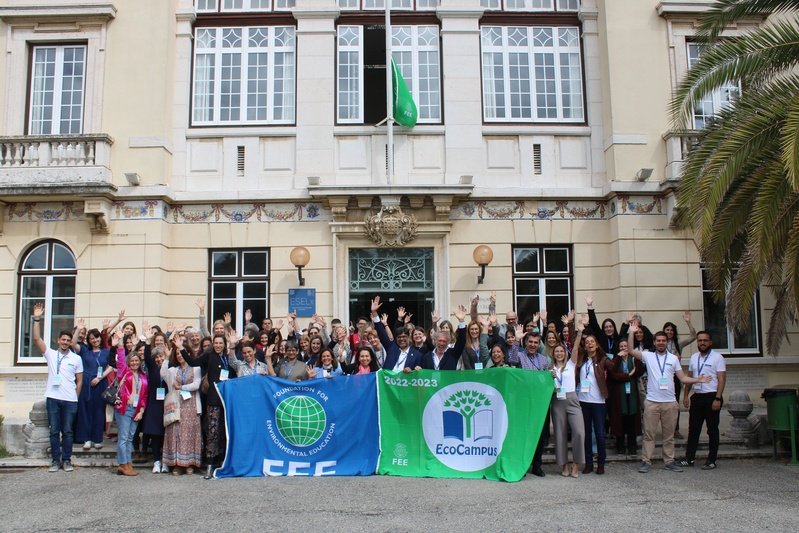
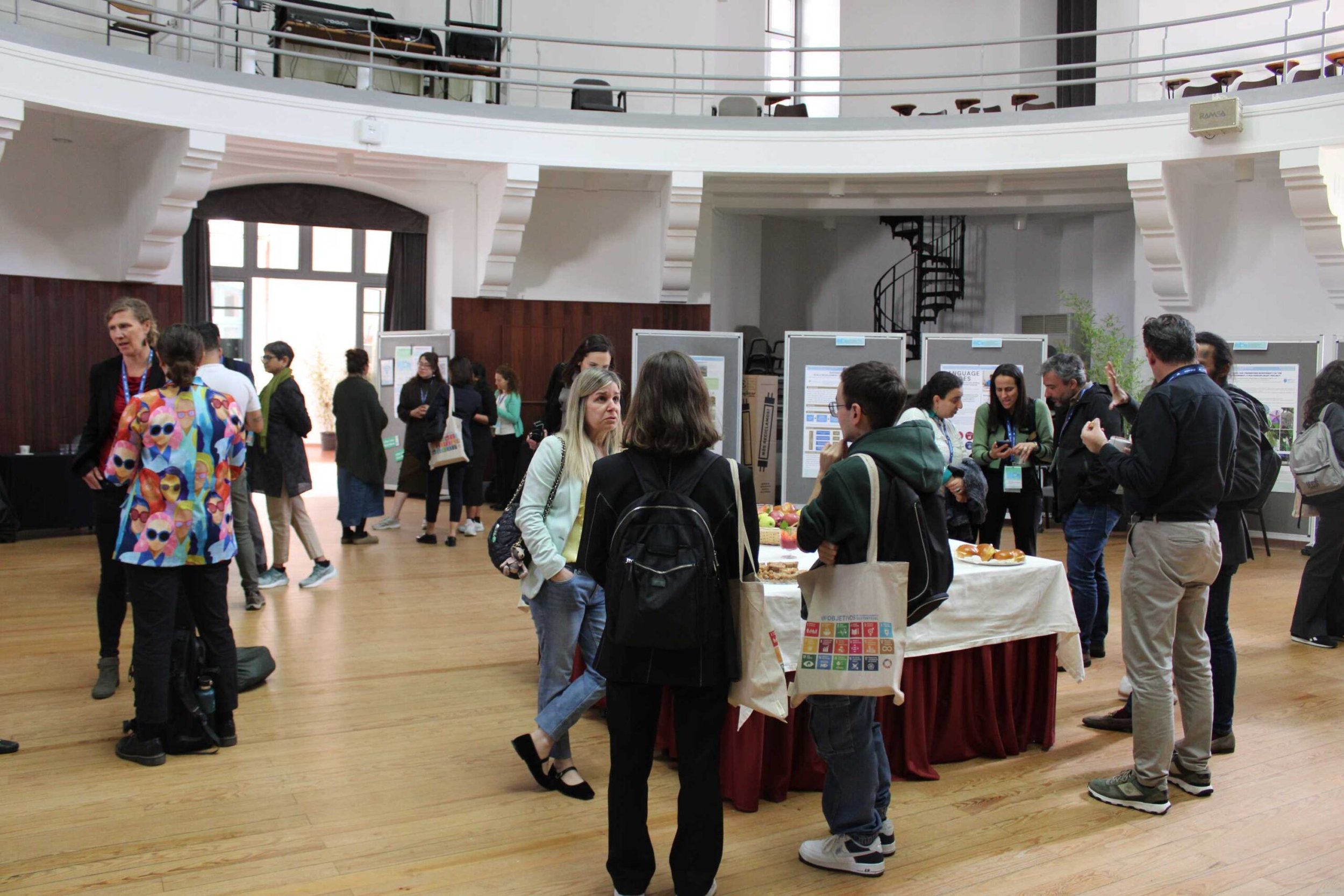
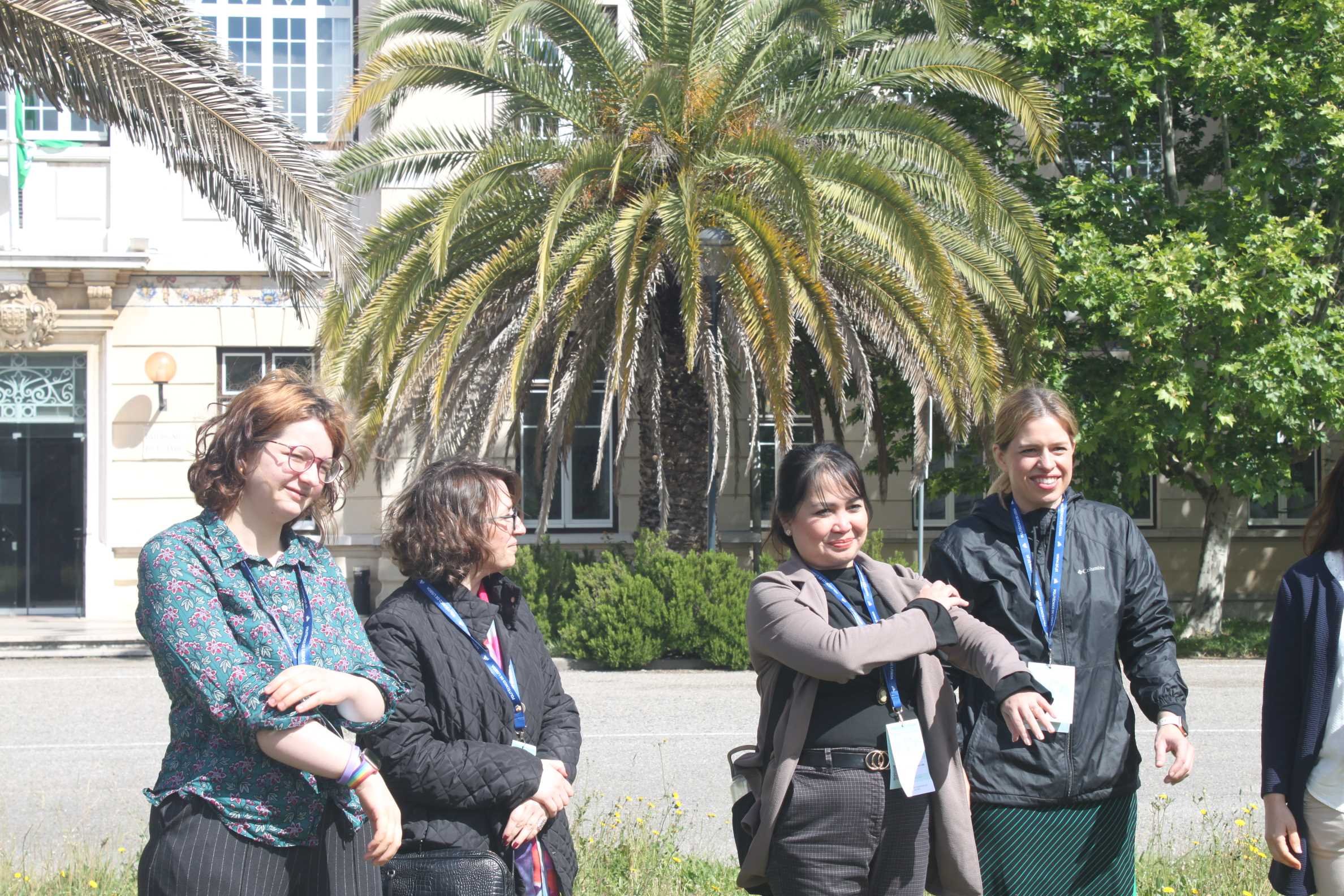
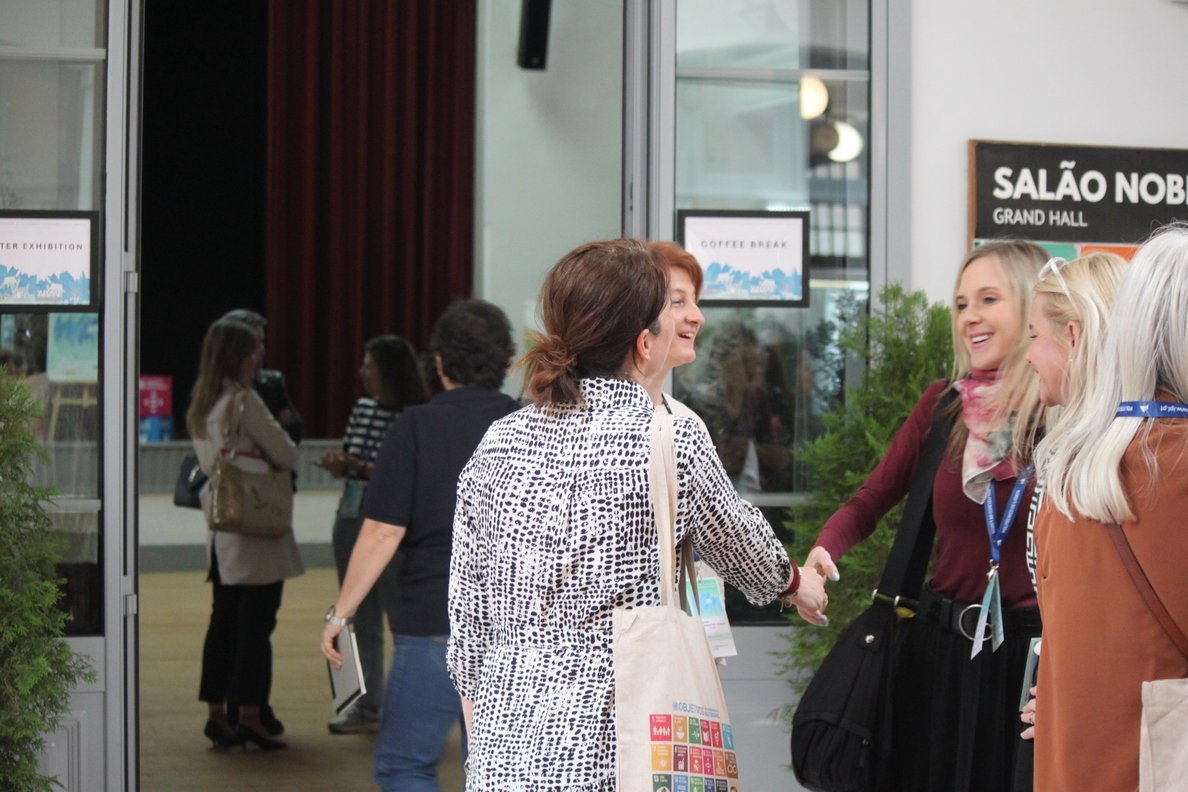
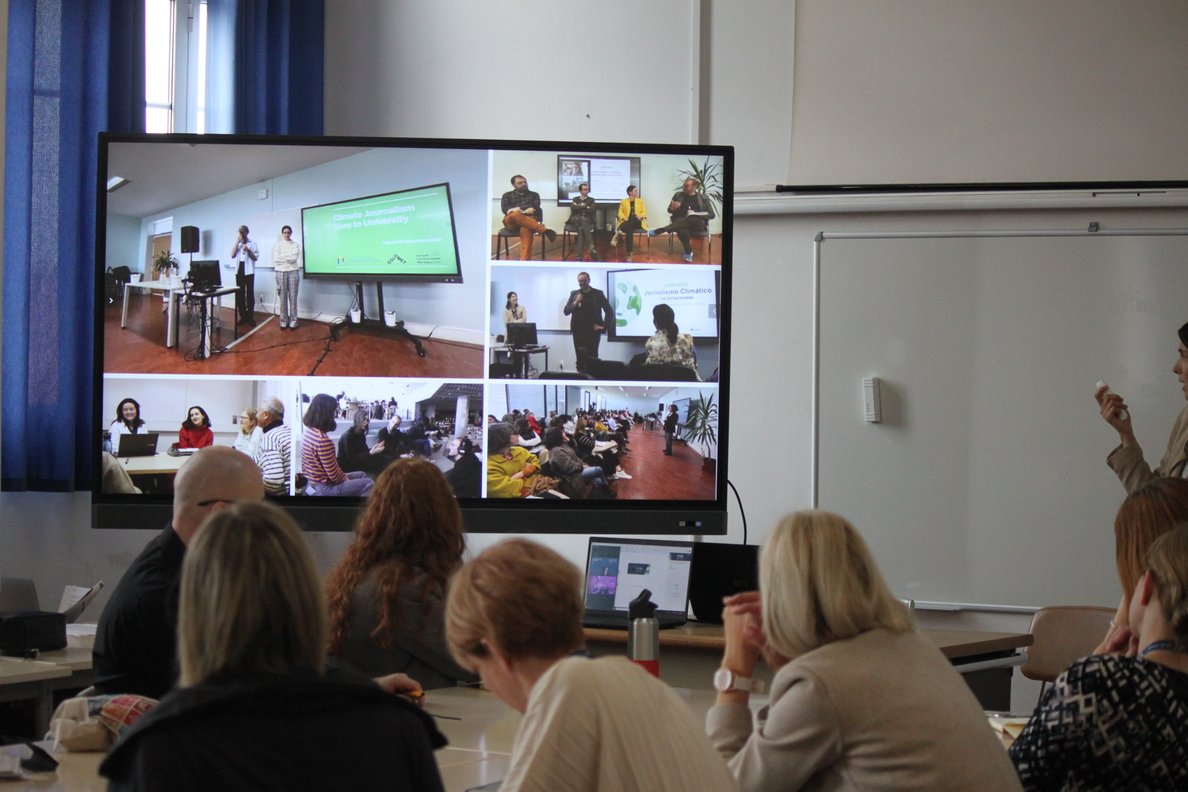
Organised by ABAAE and the Foundation for Environmental Education (FEE) in collaboration with the Polytechnic University of Lisbon, the conference welcomed 140 attendees, including students, academics, facilities staff, and administrators from 15 countries. This conference was run by FEE EcoCampus, for campuses and aimed to bring together, showcase, and celebrate achievements of the many different dimensions and approaches for achieving sustainability in the higher education from around the world.

Left to right: The FEE team, Pramod Kumar Sharma, Sanskriti Menon, Olivia Copsey, Jessica Mery. and Michael John O’Mahoney
As hubs for innovation and critical thinking, universities and HEIs are important sites of Education for Sustainable Development (ESD) and a critical part of the UN’s Greening Education Partnership. Greening universities and HEIs requires a ‘whole-institution approach’ to ESD which encompasses not only facilities, but also research, education, governance, community engagement, and innovation.
“With twenty years of experience in running the FEE EcoCampus programme in a whole-institution approach, our network of universities, colleges and National Operators represents a vast knowledge-base in greening HEIs. This conference will be an important opportunity to explore the challenges of greening HEIs and make sure the FEE EcoCampus programme is fit for the future.”
The interdisciplinary event featured over seventy research papers, interactive poster presentations, and workshops by students, academics, facilities staff, administrators, and EcoCampus national operators. Diverse faculties participated, including engineering, communications, tourism, design, and nursing, and the discussions revolved around sustainability themes such as 'From Eco-Schools to FEE EcoCampus,' 'Training and Curricula,' 'Innovation and Development,' and 'FEE EcoCampus and the Community.'
Renowned keynote speakers at the conference included:
Arjen Wals: Professor of Transformative Learning for Socio-Ecological Sustainability at Wageningen University and UNESCO Chair of Social Learning and Sustainable Development.
Júlia Seixas: Professor at NOVA School of Science and Technology (FCT NOVA) specializing in Remote Sensing in Environment, Energy, and Climate Change.
Simon Wanda: Programme Specialist in the Section for Education for Sustainable Development, UNESCO Headquarters, and Secretariat of the Greening Education Partnership.
The Greening Education Partnership
FEE is leading Pillar One of the Greening Education Partnership, 'Greening Schools' for UNESCO, with a goal for 2030 where "All countries will have adopted a green school accreditation scheme with at least 50% schools, colleges, and universities with green accreditation and are operating sustainably."

Thank you!
Here’s to everyone who made the first ever EcoCampus conference so special!
Celebrating the Winners of Eco-School Estonia's International Photo Competition!
In the autumn of 2023, the Estonian EcoSchools programme held an international photo competition. The competition was organised in cooperation with the “Growing with Your Food” project which is part of the activities of the 2024 European Capital of Culture Tartu.
The competition was open to children, youth and adults, and invited people to capture moments in the garden, to show others the magic and the pain of growing food. Individual photos and photo essays from educational and community gardens, as well as home gardens, were welcome. More than 1,100 photos were submitted from Estonia, Latvia, Lithuania, Poland, Slovenia, Spain, Georgia, Montenegro and Wales.
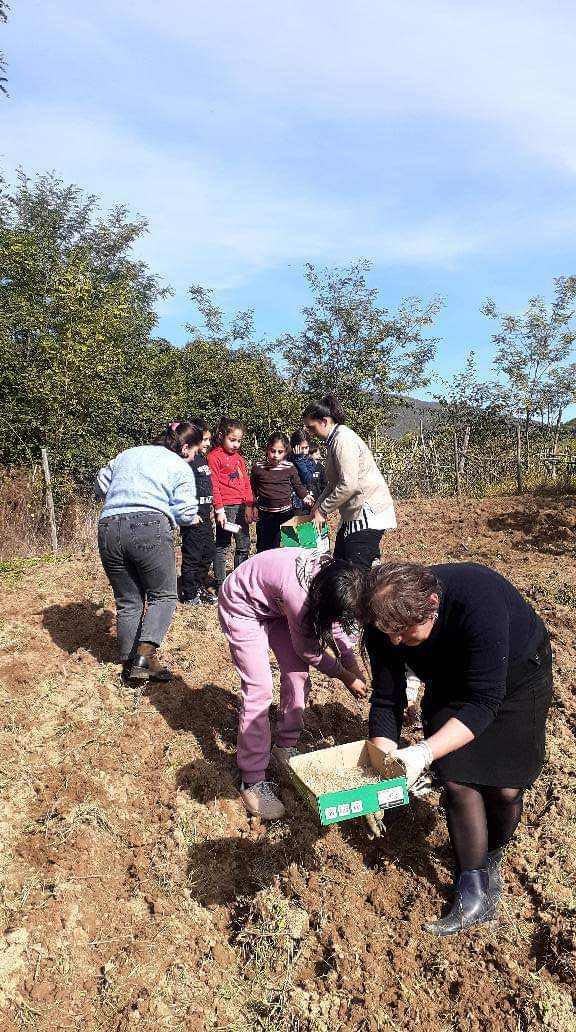
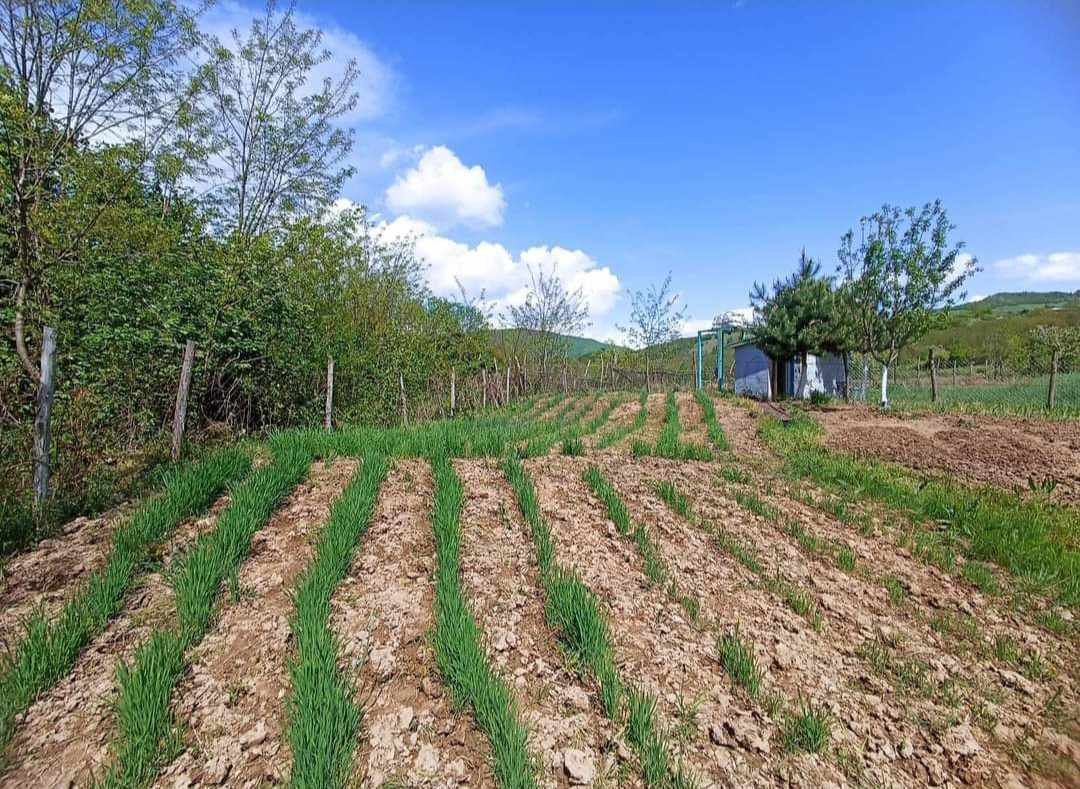
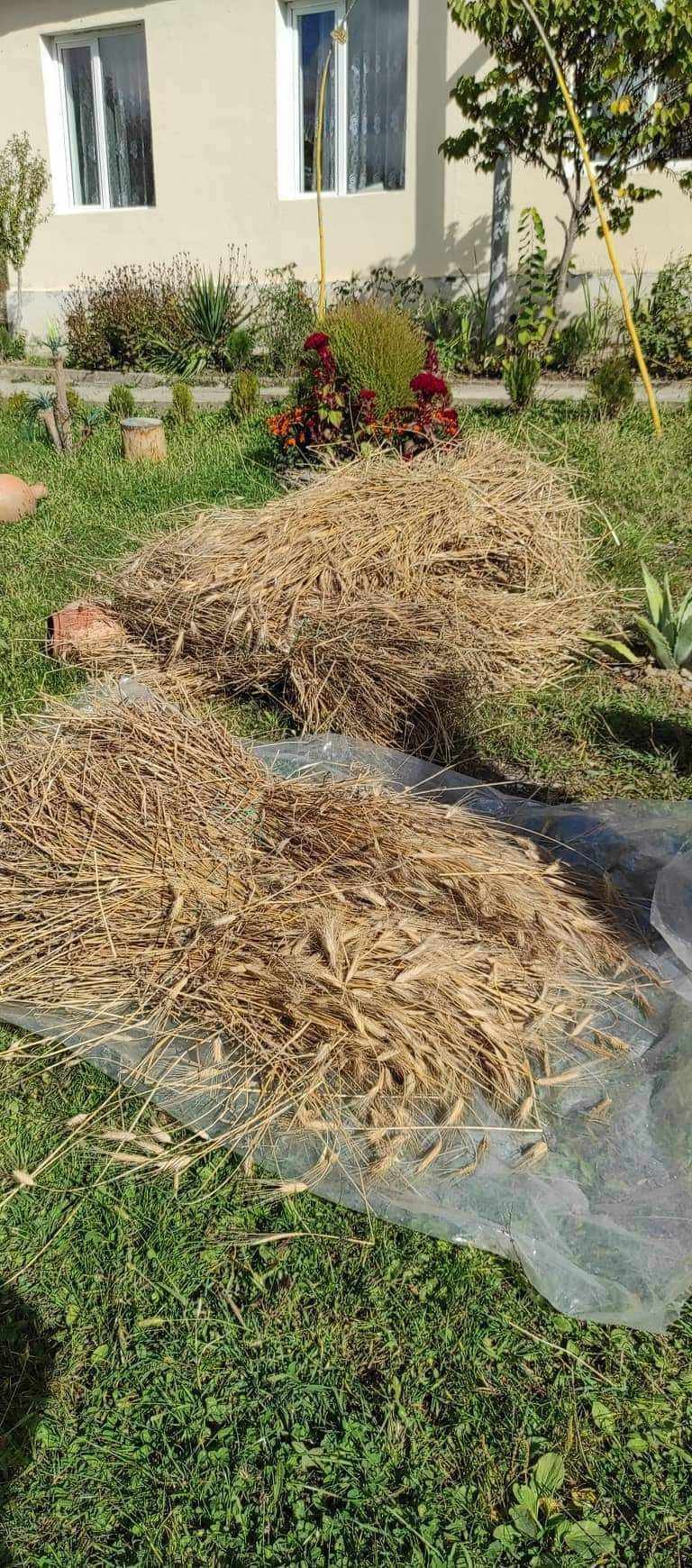
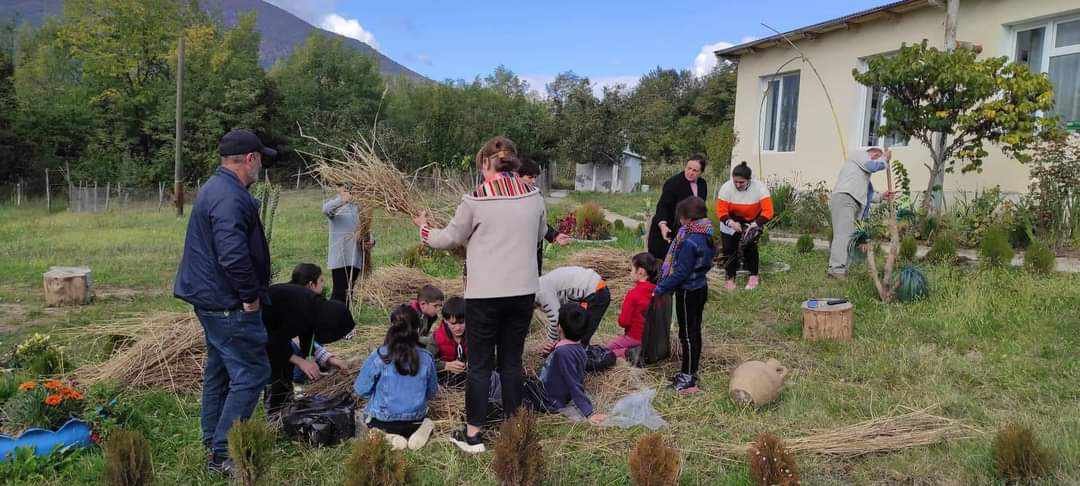
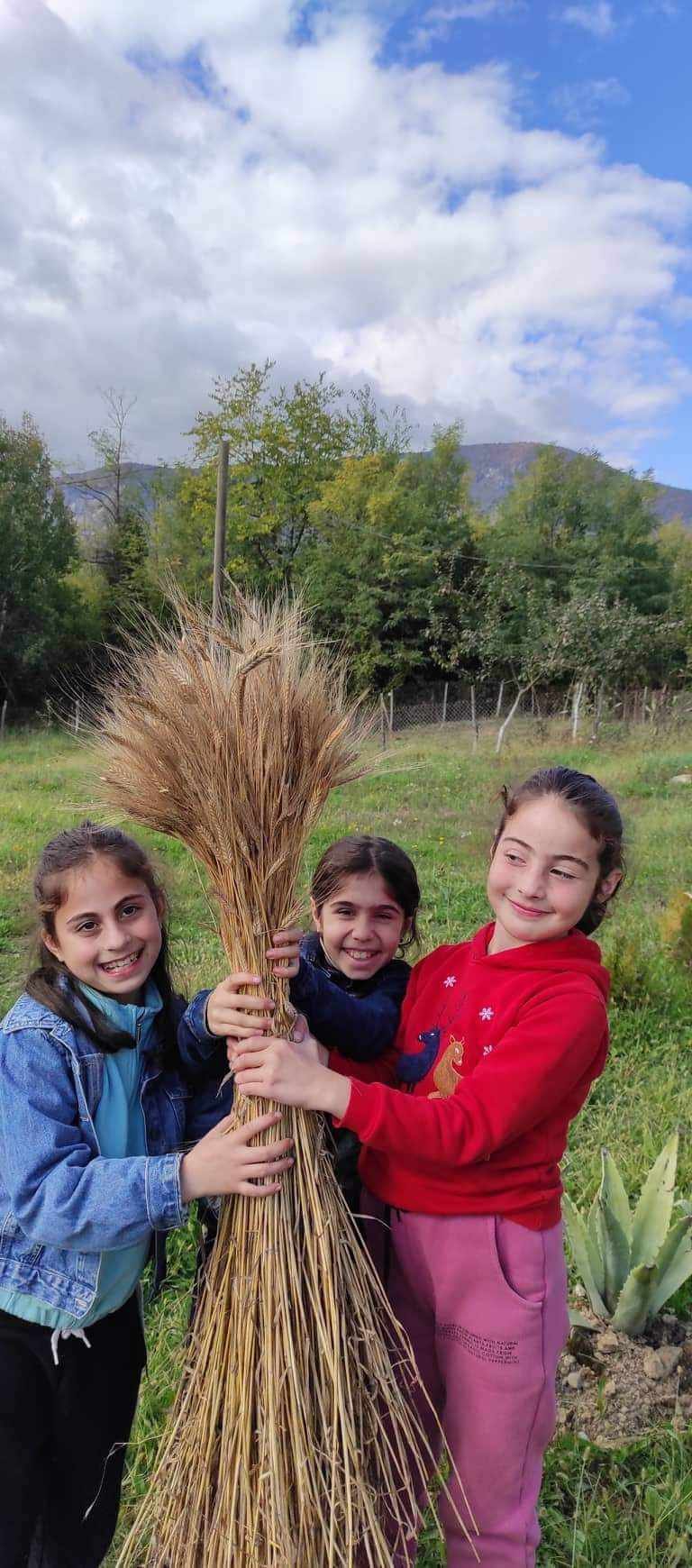
The main prize in the children’s category went to Georgia, where the photo story, written by 11-year-old Mariam Meipariani, tells about the experience of growing an ancient wheat variety in the school garden (see above). The winner of the youth category was 16-year-old Zala Debelak from Slovenia, who captured a moment on camera with the playful and multi-meaning title “Bee Happy!”. We’re especially proud to share that both winners in the children and youth categories are part of the Eco-Schools programme in their respective countries.
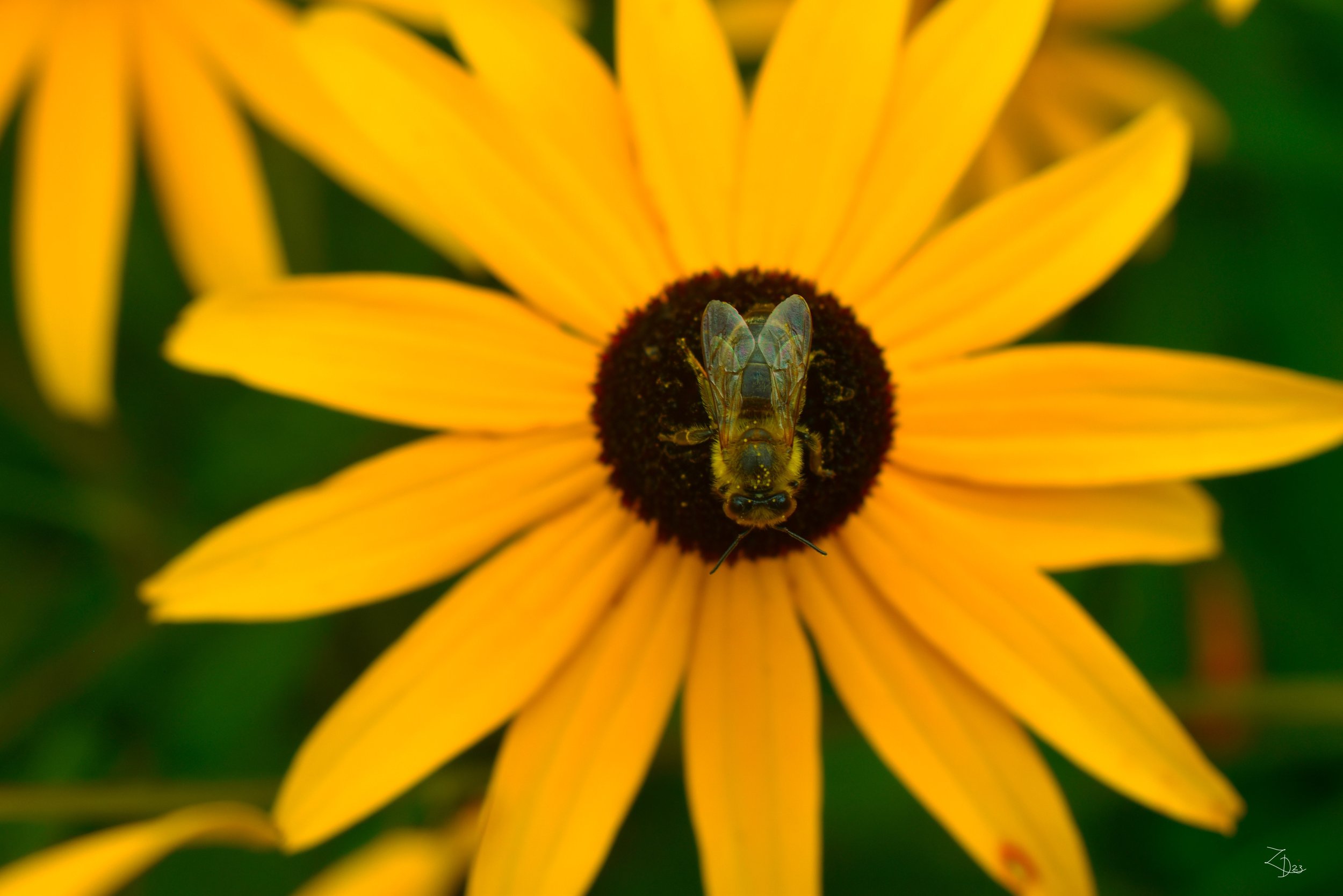
1st Place, Youth Prize: Zala Debelak "BeeHappy" (Slovenia)

1st Place, Adult Prize: Viktor Panasenko “Spectacular Chicken” (Estonia)
In the adult class, the main prize went to Estonia and it was awarded to Viktor Panasenko for his work “Spectacular Chicken”.
The gallery of the winning photos can be found HERE.
During the project, two guidebooks have also been created for Estonian schools and kindergartens. The first guidebook "From Autumn to Autumn - How to Create a Learning Garden" is a step-by-step guide on practical gardening in all areas, including for example composting. Currently only available in Estonian, we’ve included it here as a source of inspiration. The other guidebook is a methodological collection of gardening games, creative and laboratory tasks and practical materials which to use in a classroom. It can be viewed in Estonian here.
Congratulations to all the winners and this fantastic initiative!
New York Students Restore Dunes for Community Climate Resilience
“The era of global warming has ended; the era of global boiling has arrived.”
- Antonio Guterres
July 2023 was the hottest month globally since records began in 1880. The tangible effects of climate change are evident; some metropolitan areas are already experiencing shifts in climate patterns from humid continental to subtropical, such as New York. While the importance of climate education becomes increasingly apparent, the United States falls behind many other nations in providing this essential knowledge to students.
To address this educational gap, the Resilient Schools Consortium (RiSC) program was initiated in New York in 2017. In following years, the program was adapted in the U.S. Virgin Islands, Texas, New Jersey, and currently Puerto Rico. The primary objective of RiSC is to equip students with a comprehensive understanding of climate science, climate change impacts, climate justice, and strategies for enhancing climate resilience.
The most recent phase, RiSC 3.0, unfolded in New York from 2020 to June 2023, engaging seven schools with a particular focus on Coney Island. Situated in a high-risk zone for sea-level rise and storm surges, Coney Island had a stark encounter with the realities of climate change during Hurricane Sandy in 2012 and continues to deal with street flooding during heavy rains. Despite its vulnerability, this area receives minimal support, making it essential to gather data on its environmental challenges to undertake proactive resiliency measures.

UASEM students at Coney Island Creek. Credit: Emmy Lee.
The RiSC program curriculum 3.0, was collaboratively developed by the National Wildlife Federation (NWF) with teachers and community partners. Nine engaged teachers across seven schools were teaching the students for two hours a week each for a total of 25 weeks spread over a school year using the educational materials provided. The program's curriculum includes a total of three Climate Action Projects that build on each other.
During the RiSC program, students engaged in a comprehensive learning experience that extended beyond the classroom. While they acquired knowledge in a structured academic setting, they also had the opportunity to participate in outdoor learning experiences. In the fall, students visited the local shoreline in Coney Island. Guided by experts from the National Wildlife Federation (NWF) and the American Littoral Society, they delved into the intricacies of the local ecosystem, particularly Coney Island’s natural sand-barrier island. This hands-on exploration helped students visualise the consequences of rising sea levels and introduced them to the ecological importance of beach grasses. They learned that vegetated dunes not only serve as a natural protector against shoreline erosion and coastal flooding but also provide a vital habitat for wildlife.

Measuring Sea level rise with Dr. Brett Branco. Credit: Heather Sioux.
In the classroom, RiSC students began studying the history of Coney Island. In the first Climate Action Project, they prepared an exhibit, which depicted Coney Island in different time periods of its environmental and social history, as well as the current and future impacts of climate change.
An integral aspect of the RiSC program was its connection with the local community. So in the next step, students interviewed Coney Island residents to capture their voices and perspectives with the objective of better understanding the coastal community’s needs to adapt to climate change impacts. Students conducted interviews with community members to gain insight into their experiences and challenges related to climate change, highlighting the social and economic disparities and emphasizing the importance of collective action. These interviews were recorded and edited into a podcast format.
Finally, RiSC partners organised an open house where students met with Coney Island residents to share lessons learned and to film a documentary about the program and its role in community resilience.

RiSC Community Partners and Local Advisors at Teacher Workshop.
As part of their involvement with the RiSC program, students collectively planted 25,000 beach grass culms in Coney Island Creek Park, a NYC Park and estuary that includes one of the last remaining creeks in New York City. This action aimed to lay the foundation for the restoration of sand dunes, vital for coastal ecosystems resilience. These habitat restoration activities empowered students with practical knowledge, skills, and tools to tackle climate change and its consequences head-on.

RiSC dune grass planting, Coney Island.

Student planting dune grass.
Abby Jordan, a Coney Island resident, RiSC program advisor, and RiSC team instructor at Liberation Diploma Plus High School, a transfer high school, said:
“The Lib RiSC team was able to cultivate enriching experiences that empowered them to continue asking questions and advocating for change. As their instructor, it was a tremendously rewarding experience watching the team grow in their skill sets and experiences. We now have a group of talented young folk who can confidently say they know how to revegetate dunes and know how to talk to community members about climate change and coastal resilience.”
The program actively contributed to habitat restoration and biodiversity conservation by engaging students in hands-on sand dune restoration. Simultaneously, it promoted youth well-being, transforming students into ambassadors for Coney Island’s climate resilience. As stewards of the future, young people need to be equipped to address the impending challenges, build resilience, and protect people and nature. RiSC empowers these young individuals to become change agents within their communities.
Funding for the RiSC program is made possible through the generous support of the Federal Emergency Management Agency (FEMA), the National Oceanic and Atmospheric Administration (NOAA) and private donors. Collaborations with the American Littoral Society, the New York City Parks Department, and other partners further enhance the program's impact and expose students to careers in habitat restoration and the environment that they may not have previously considered.
This extensive network of support and collaboration embodies the essence of the RiSC program, equipping students with valuable skills for sustainable employment and contributing to the goals of the UN Decade on Ecosystem Restoration.
This article is part of our UN Decade on Ecosystem Restoration series, which highlights the projects and activities of FEE members that contribute to the UN Decade.

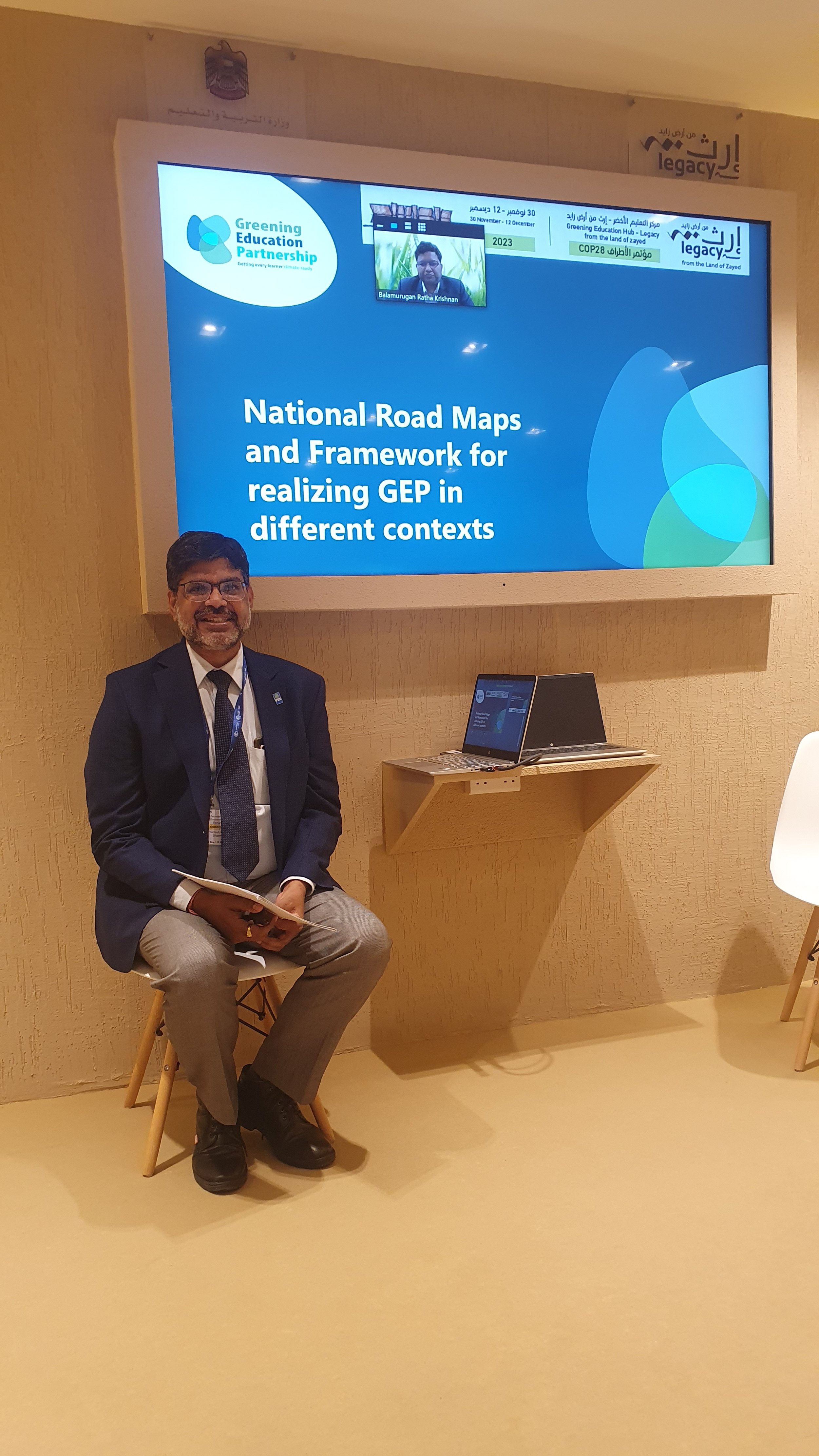
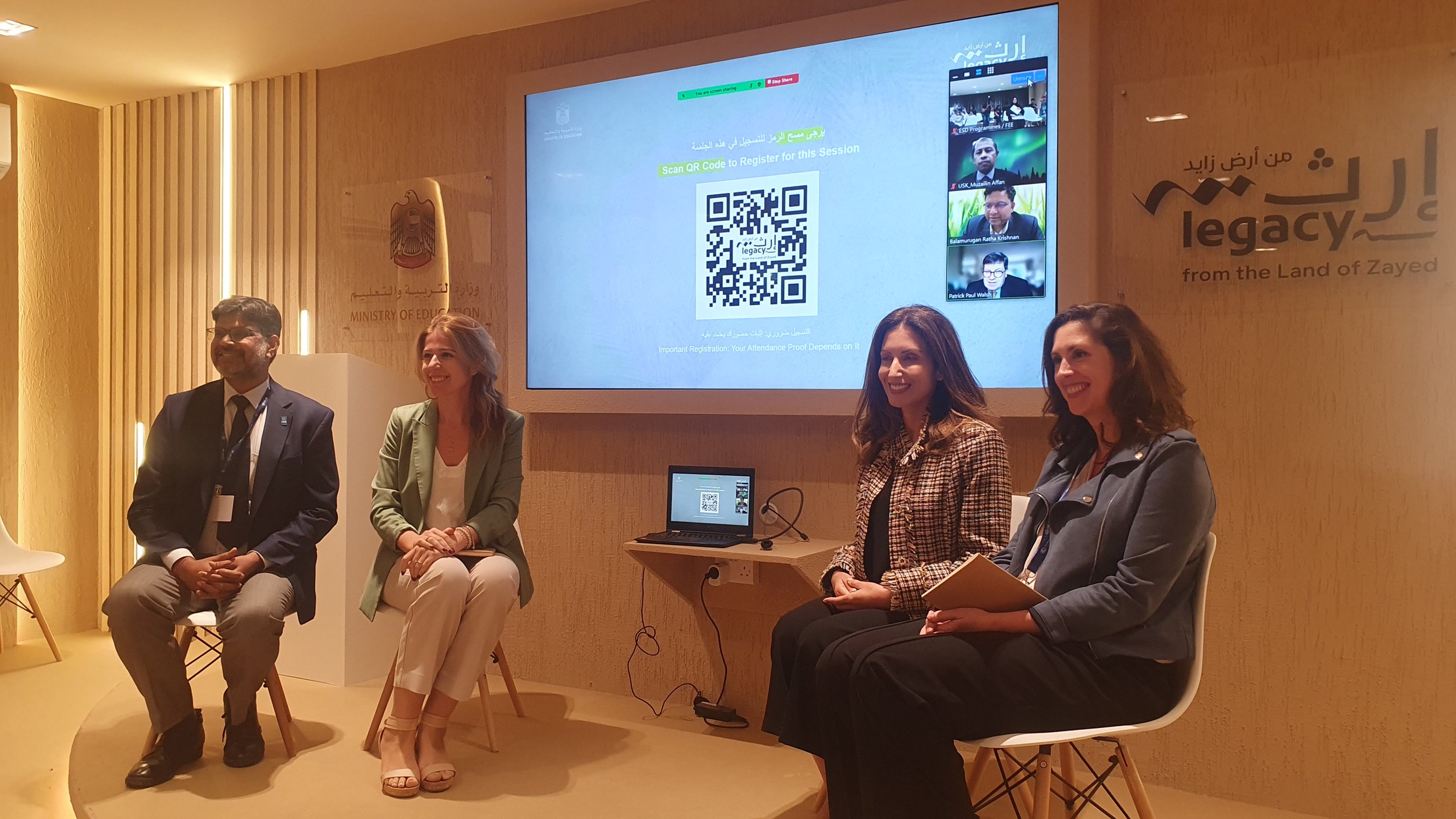
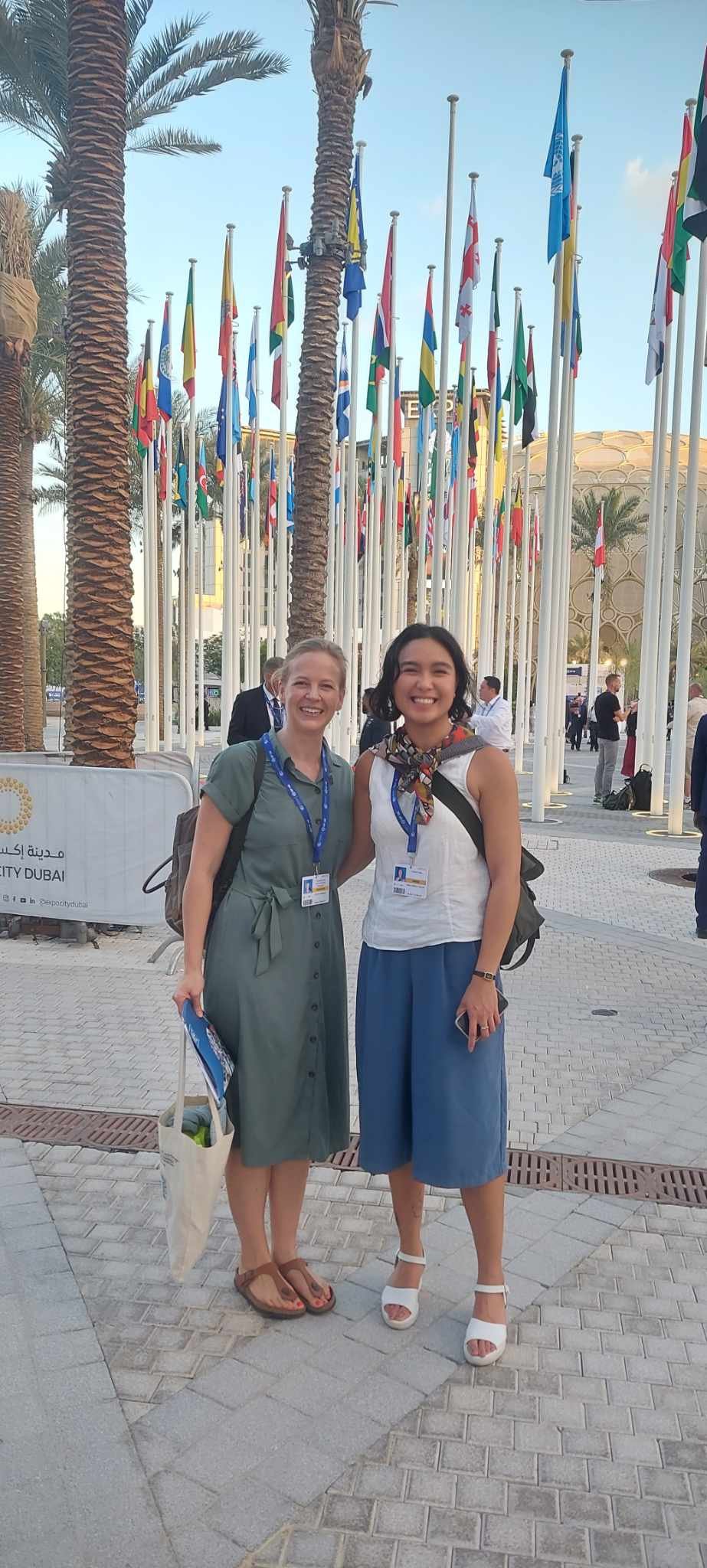
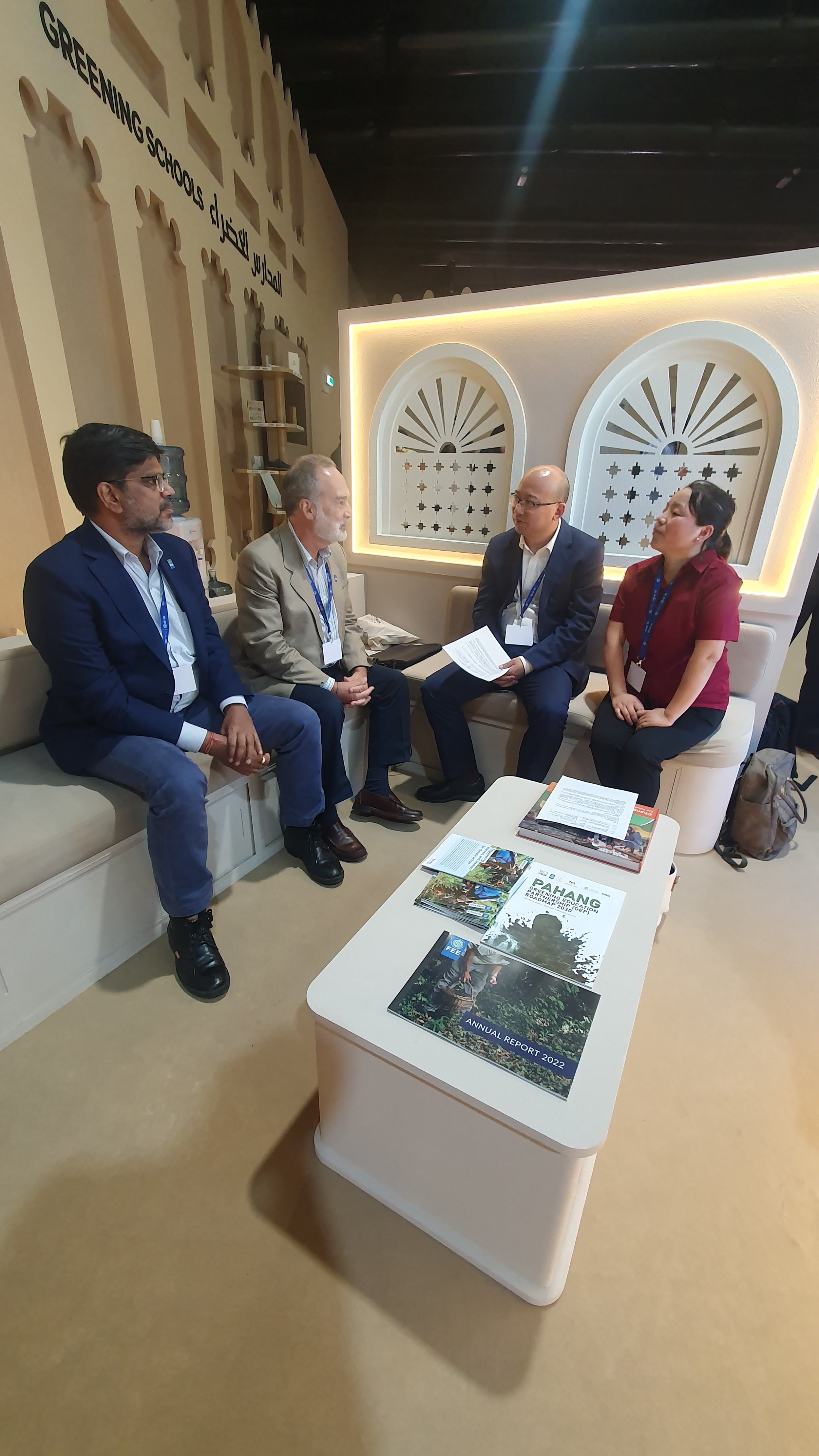
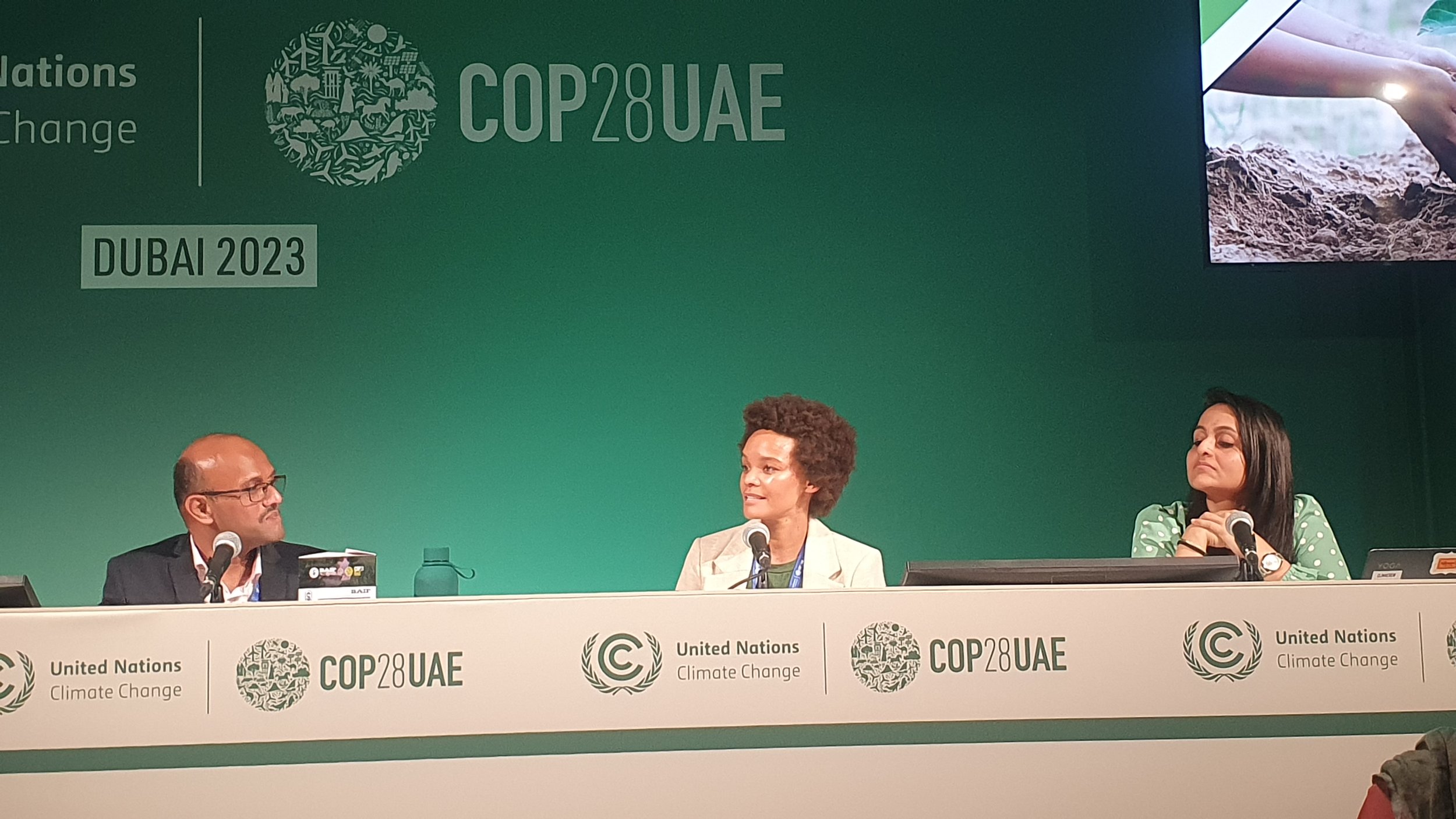
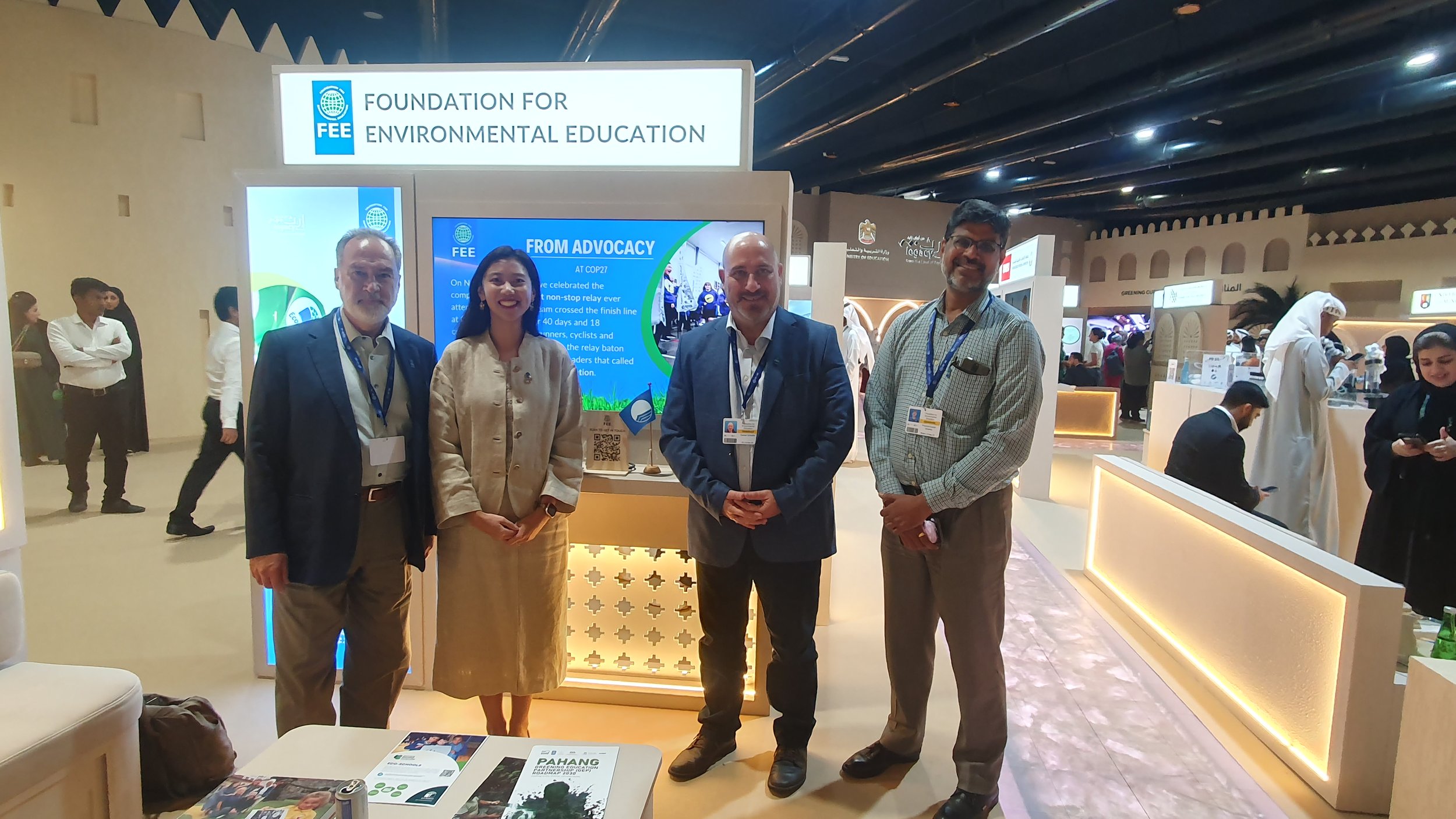
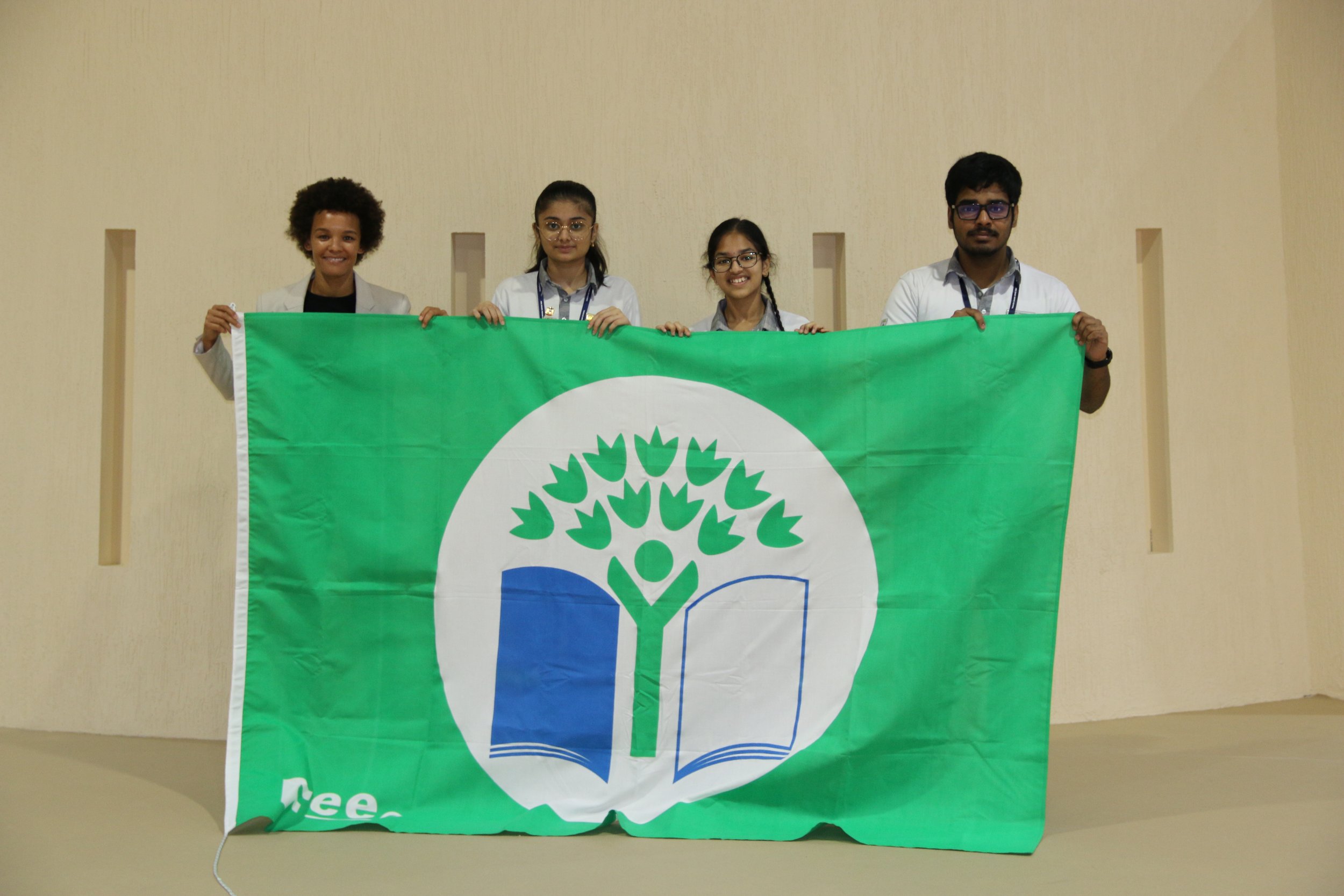
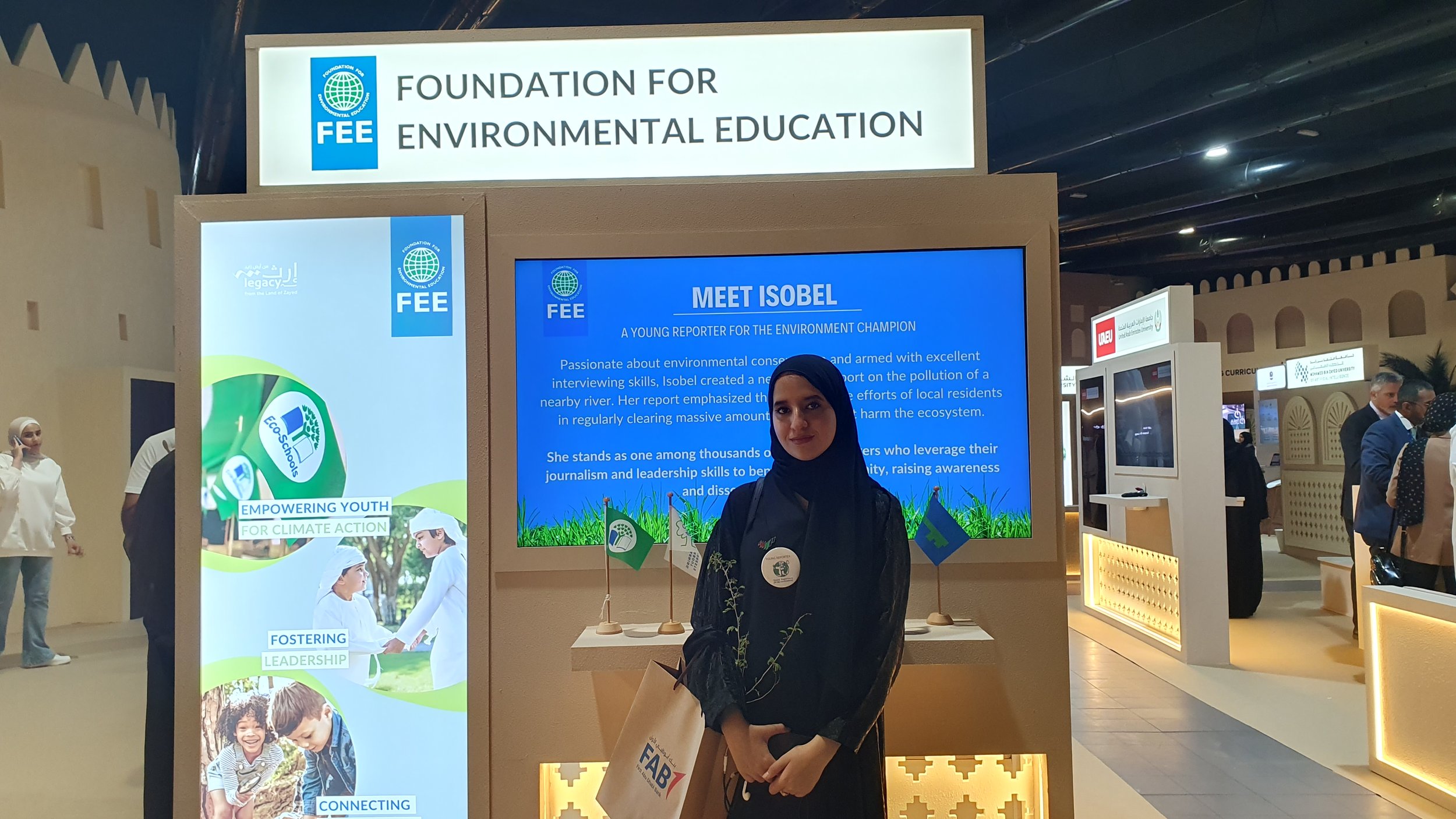
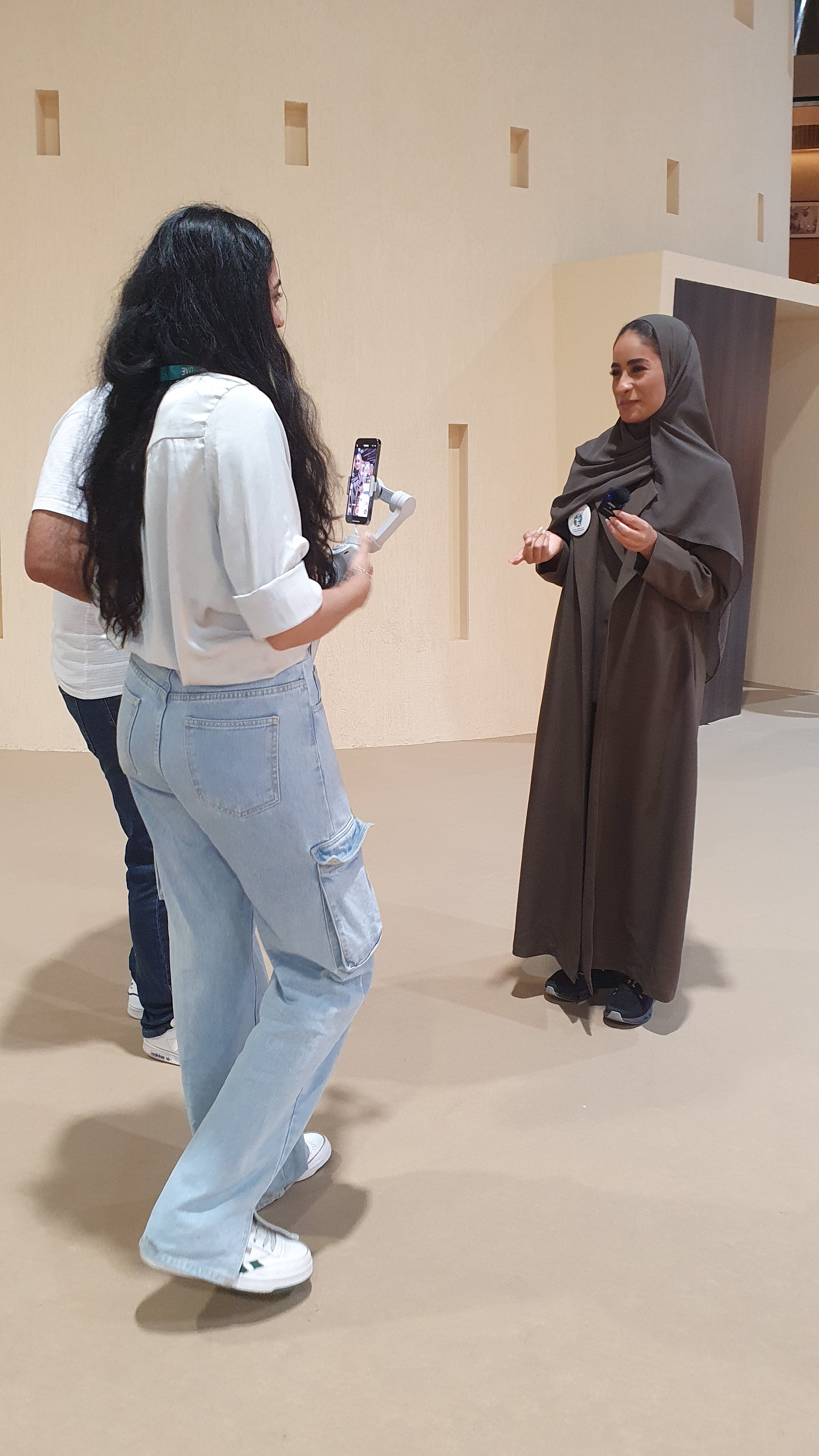
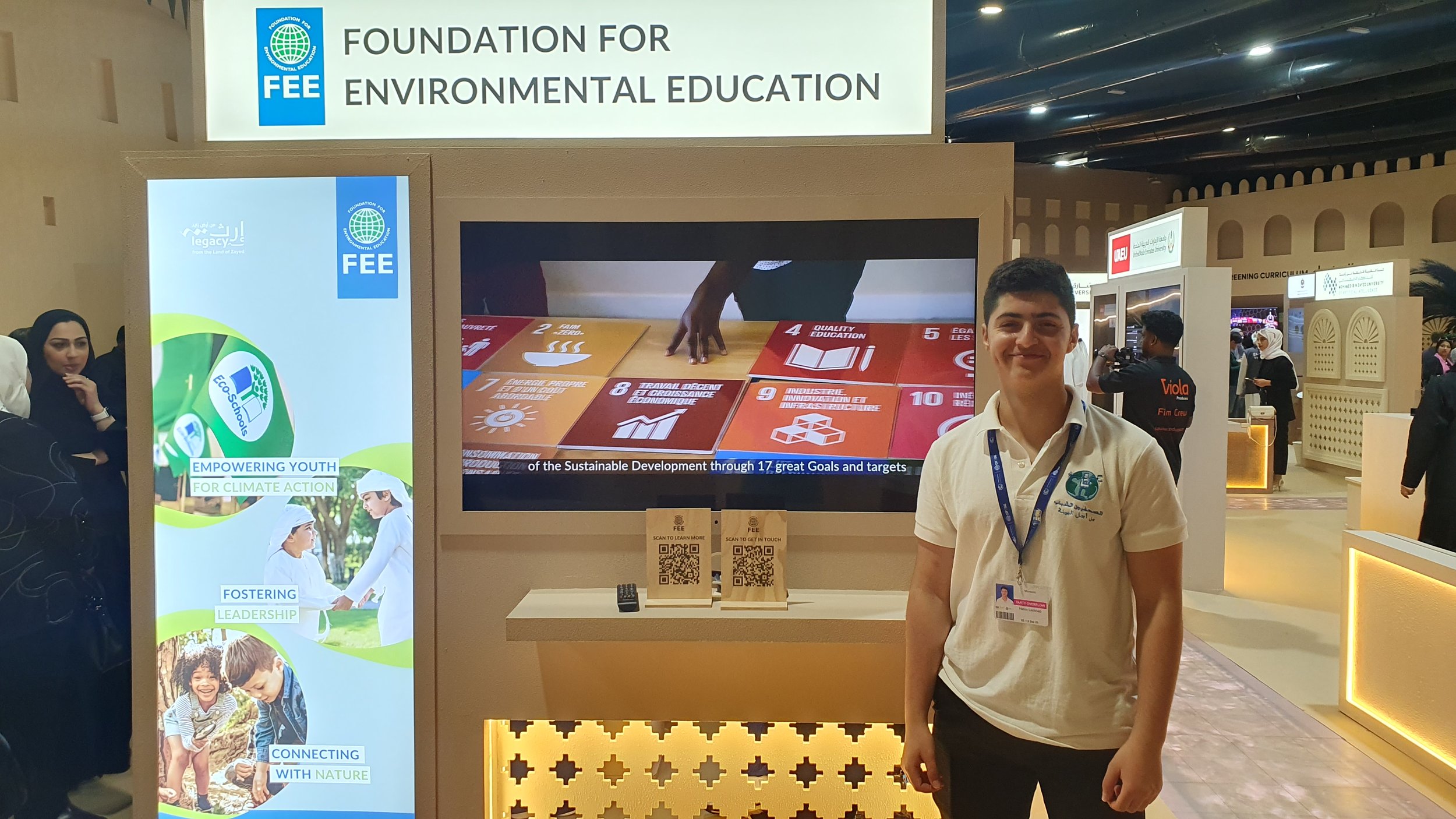
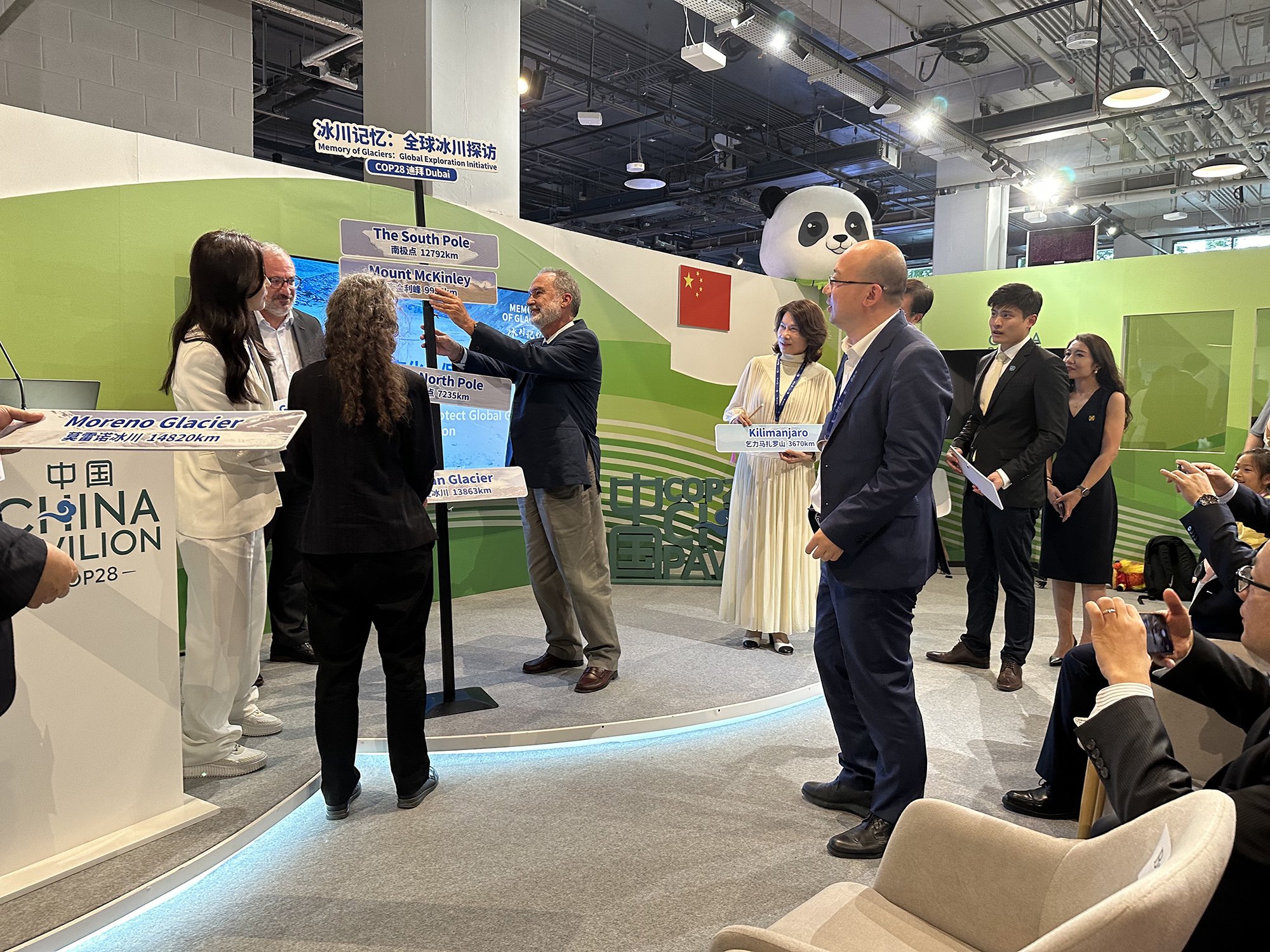
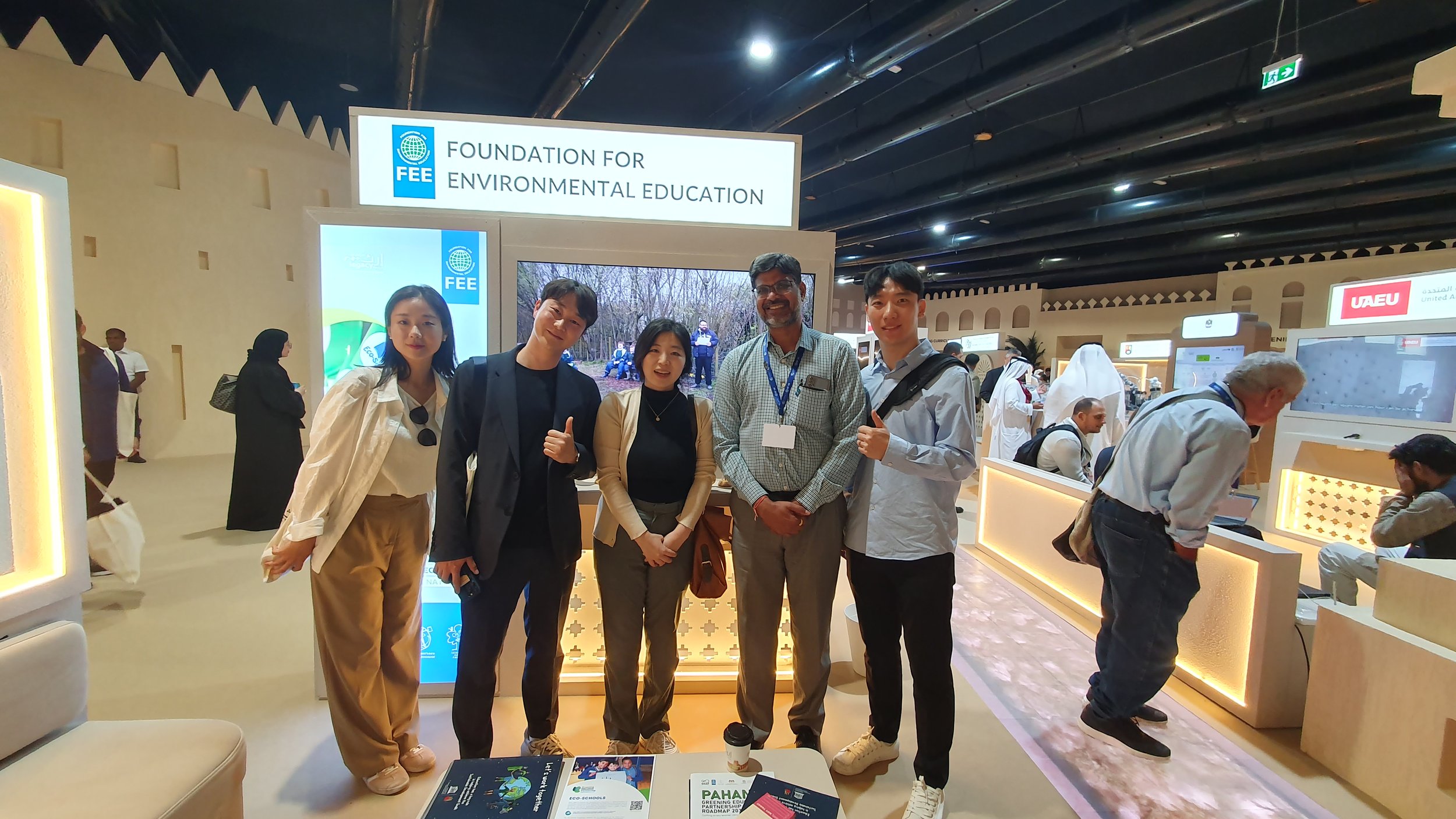
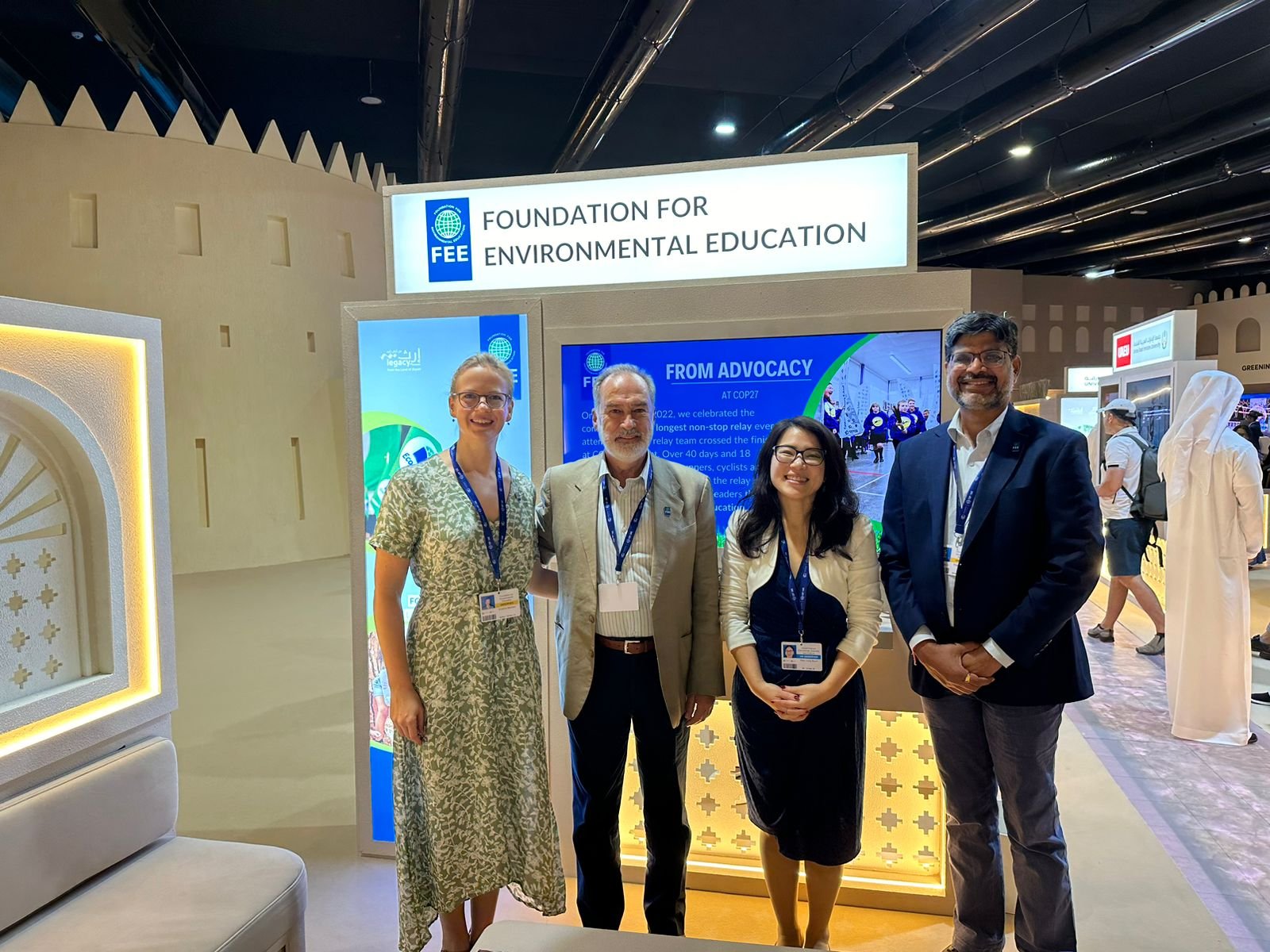
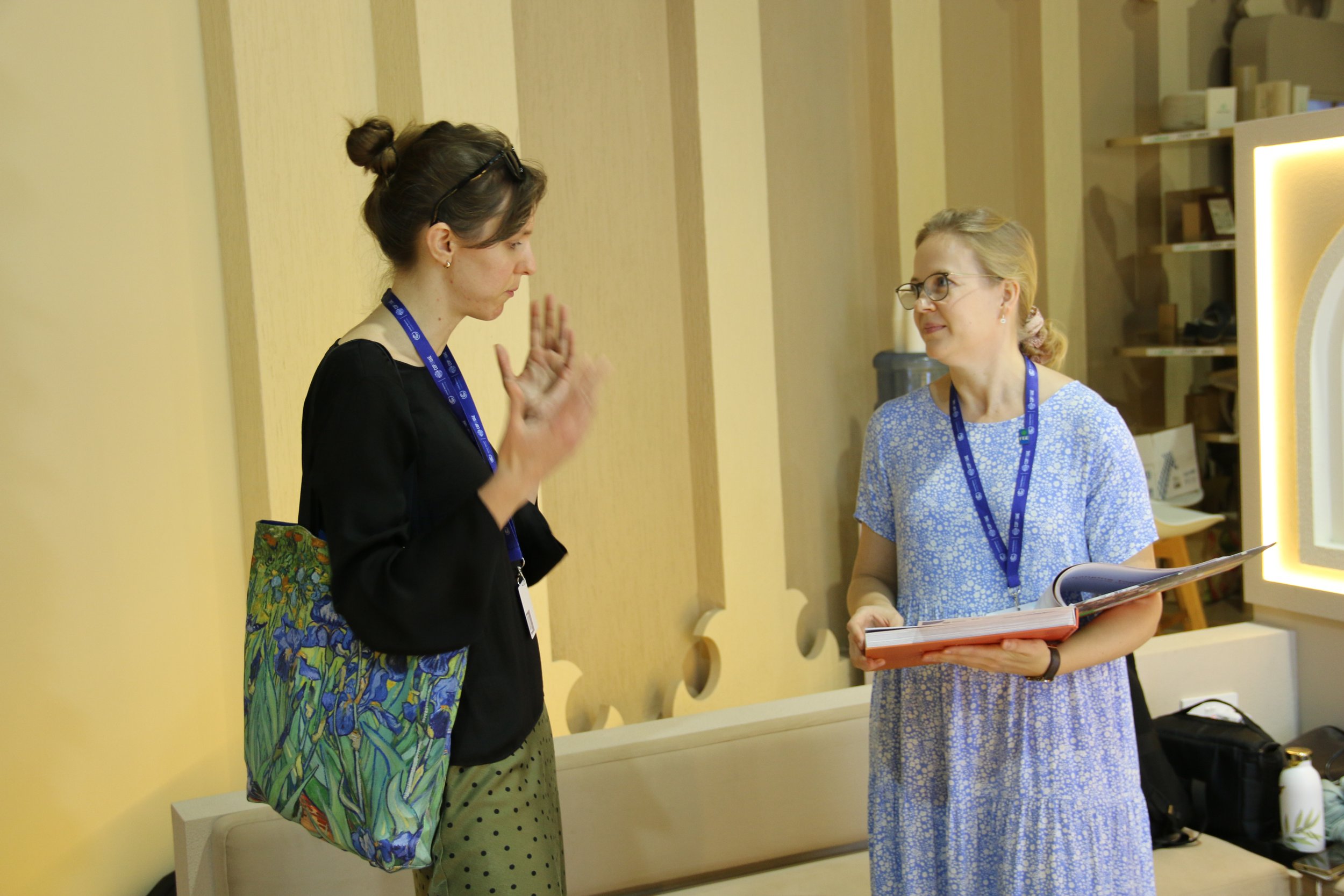
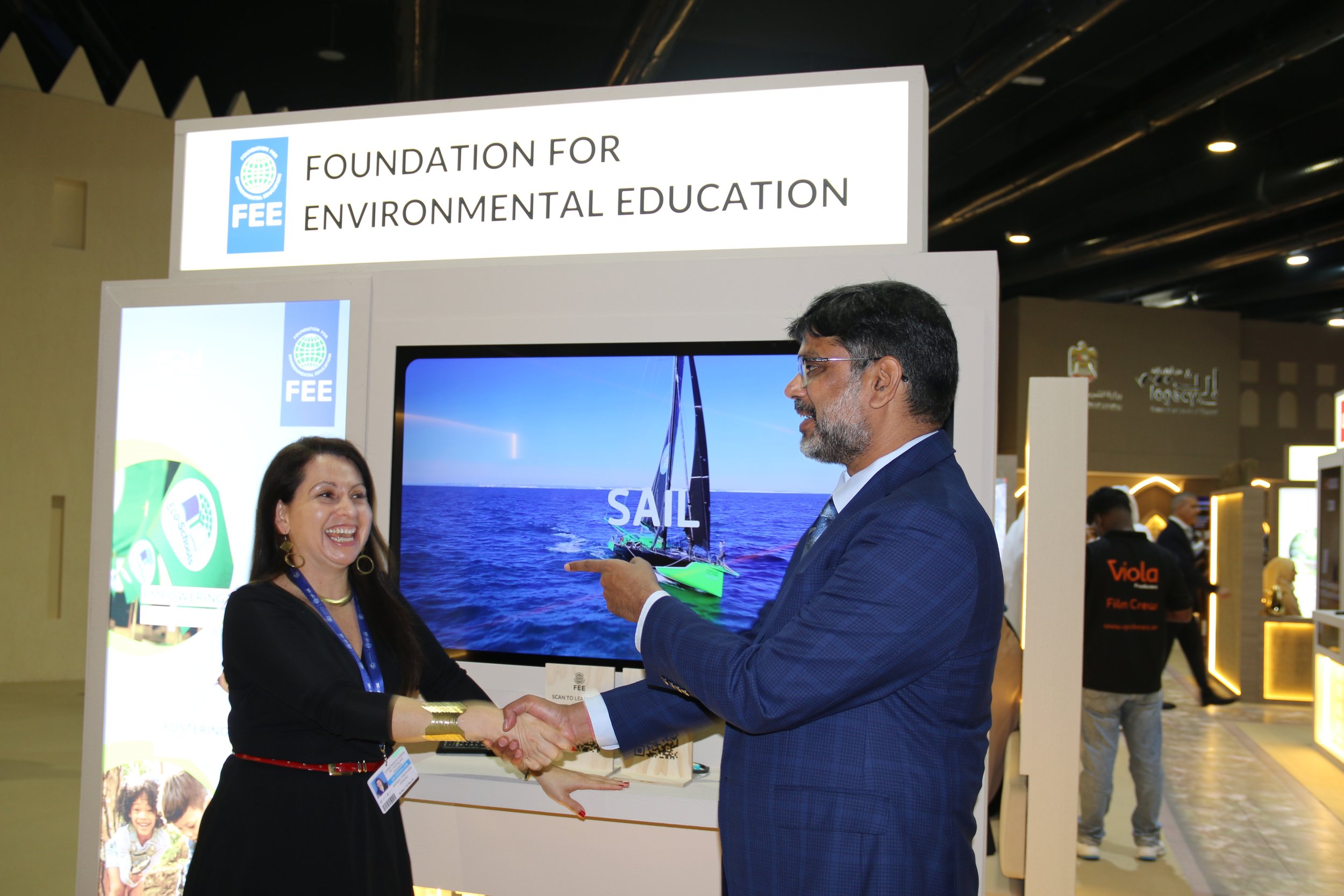
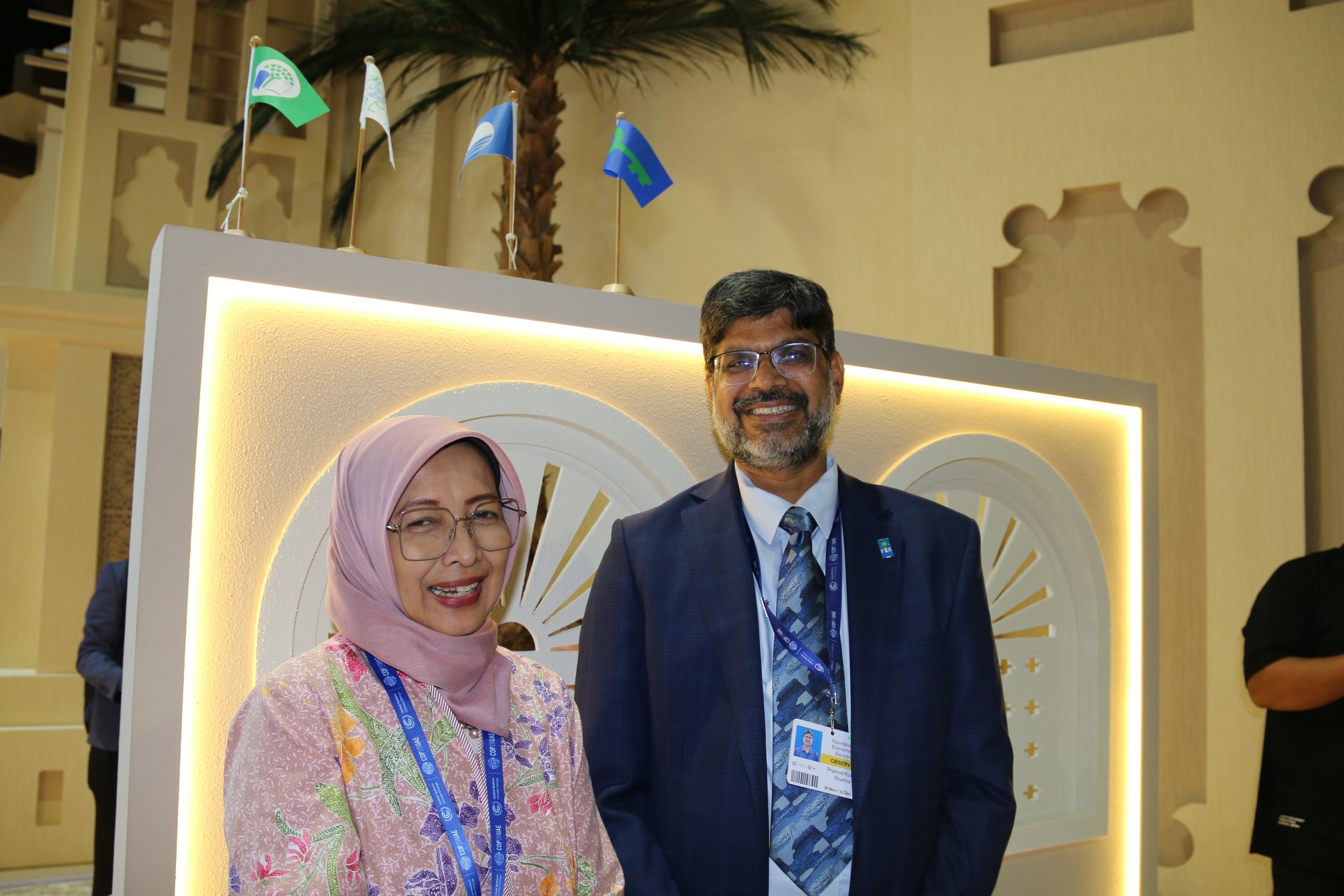
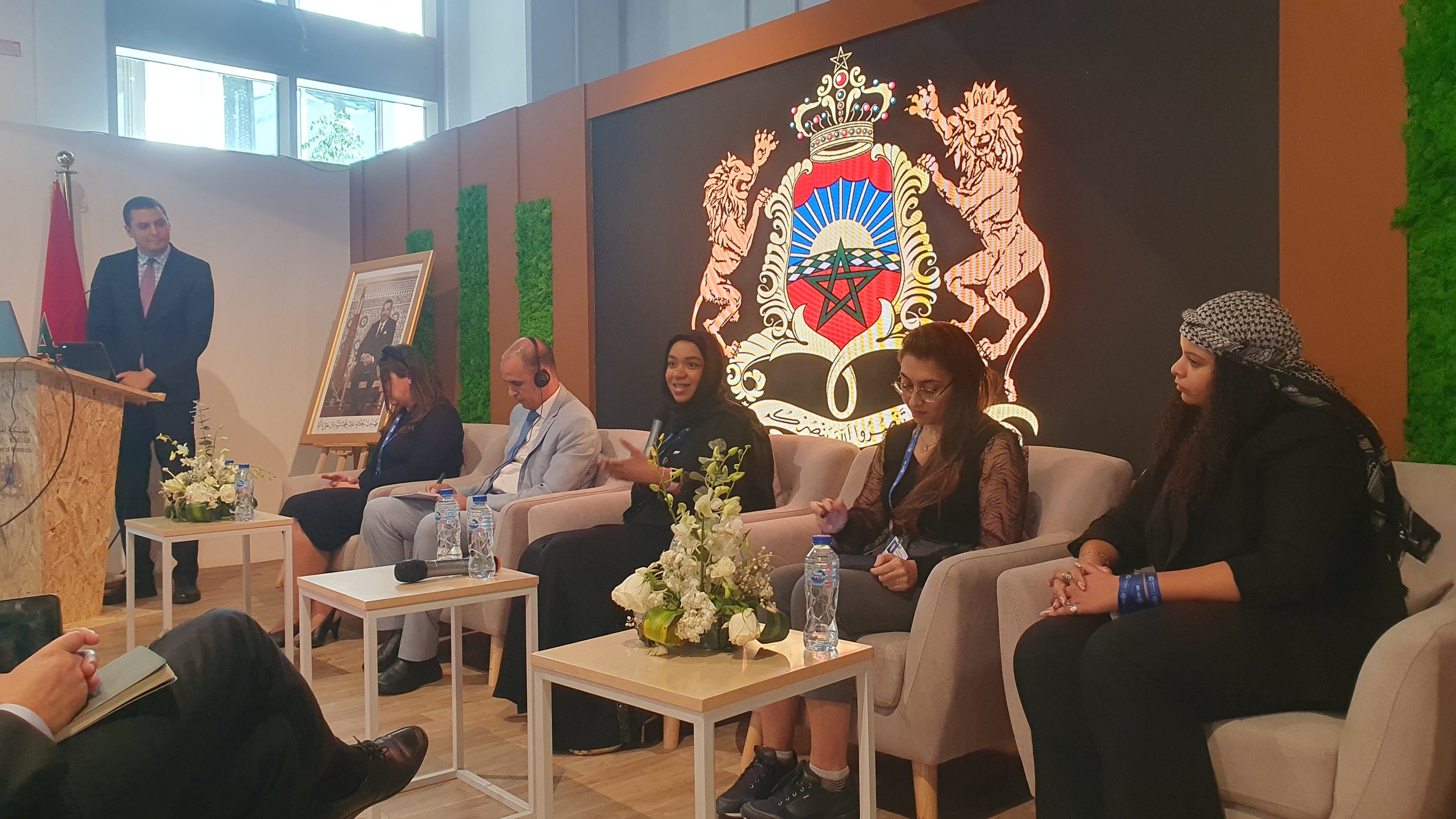
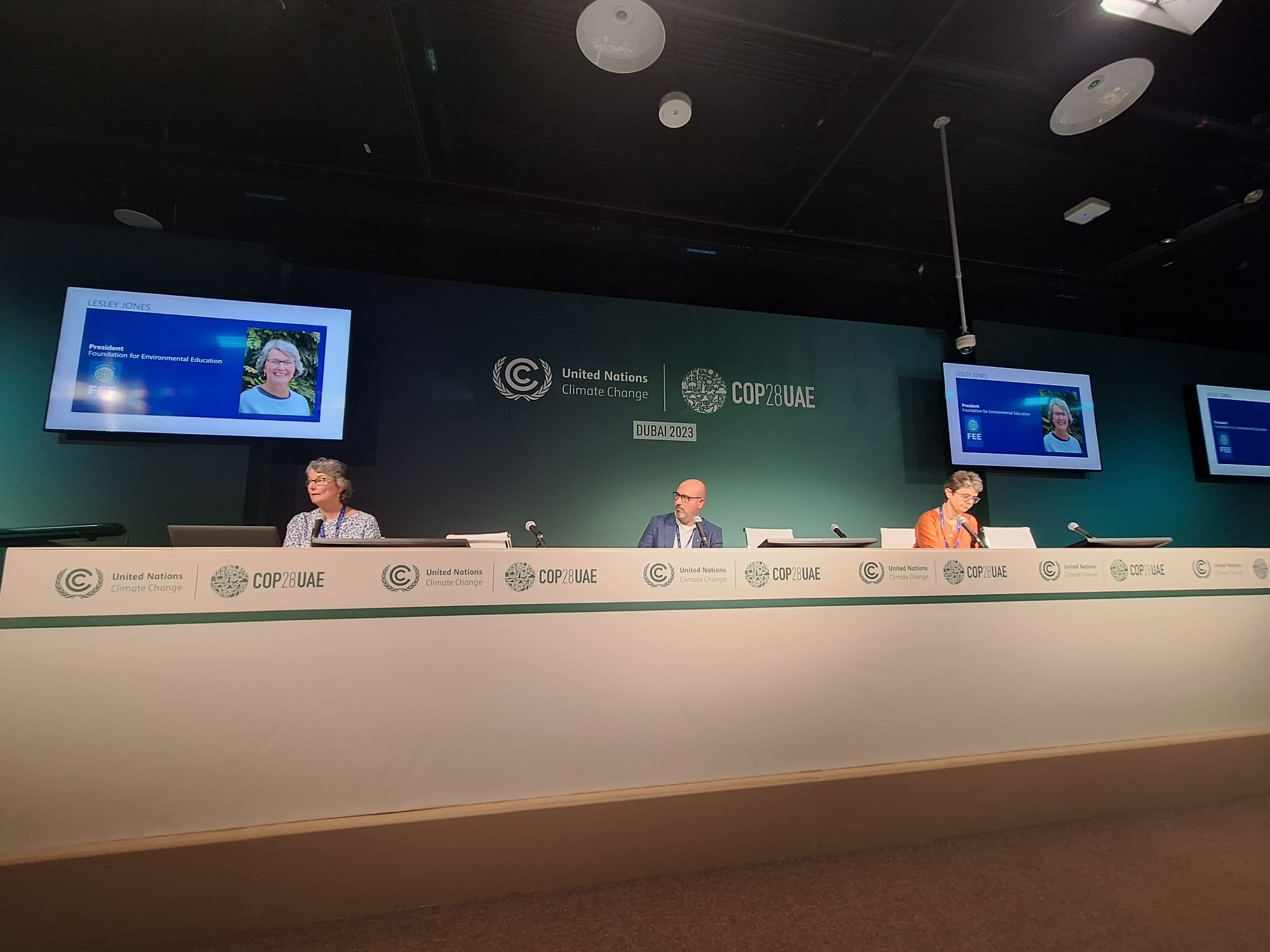
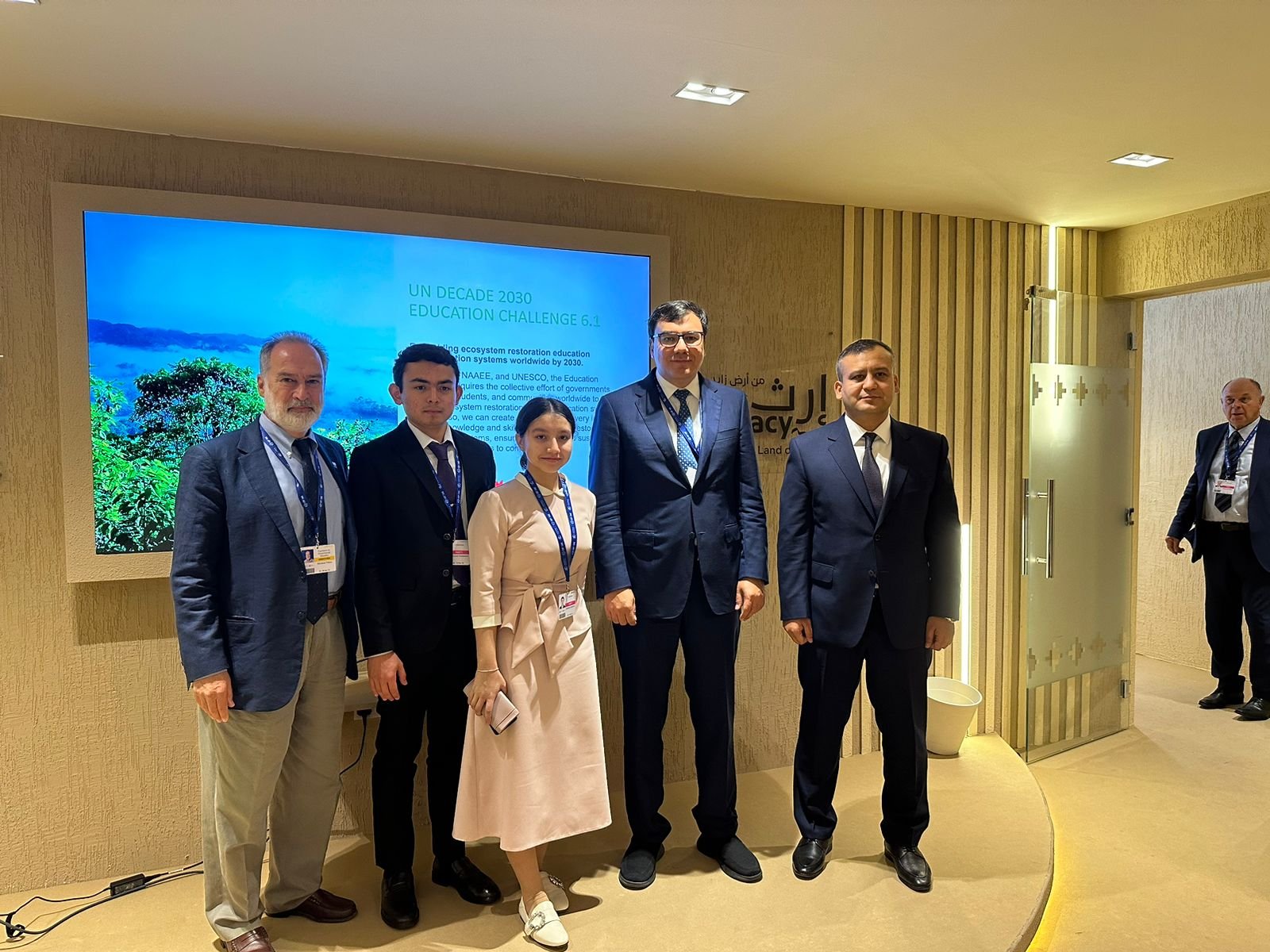
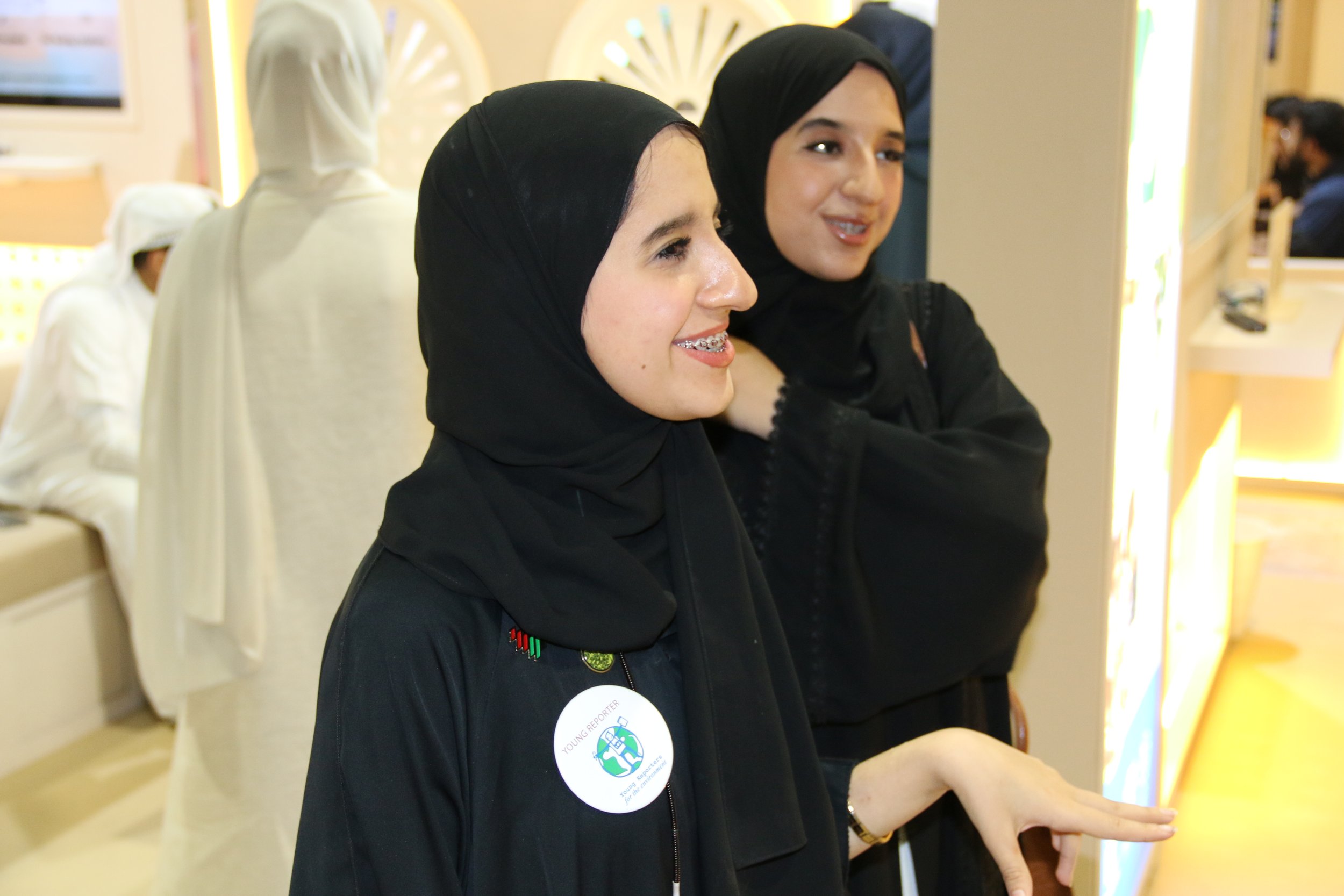
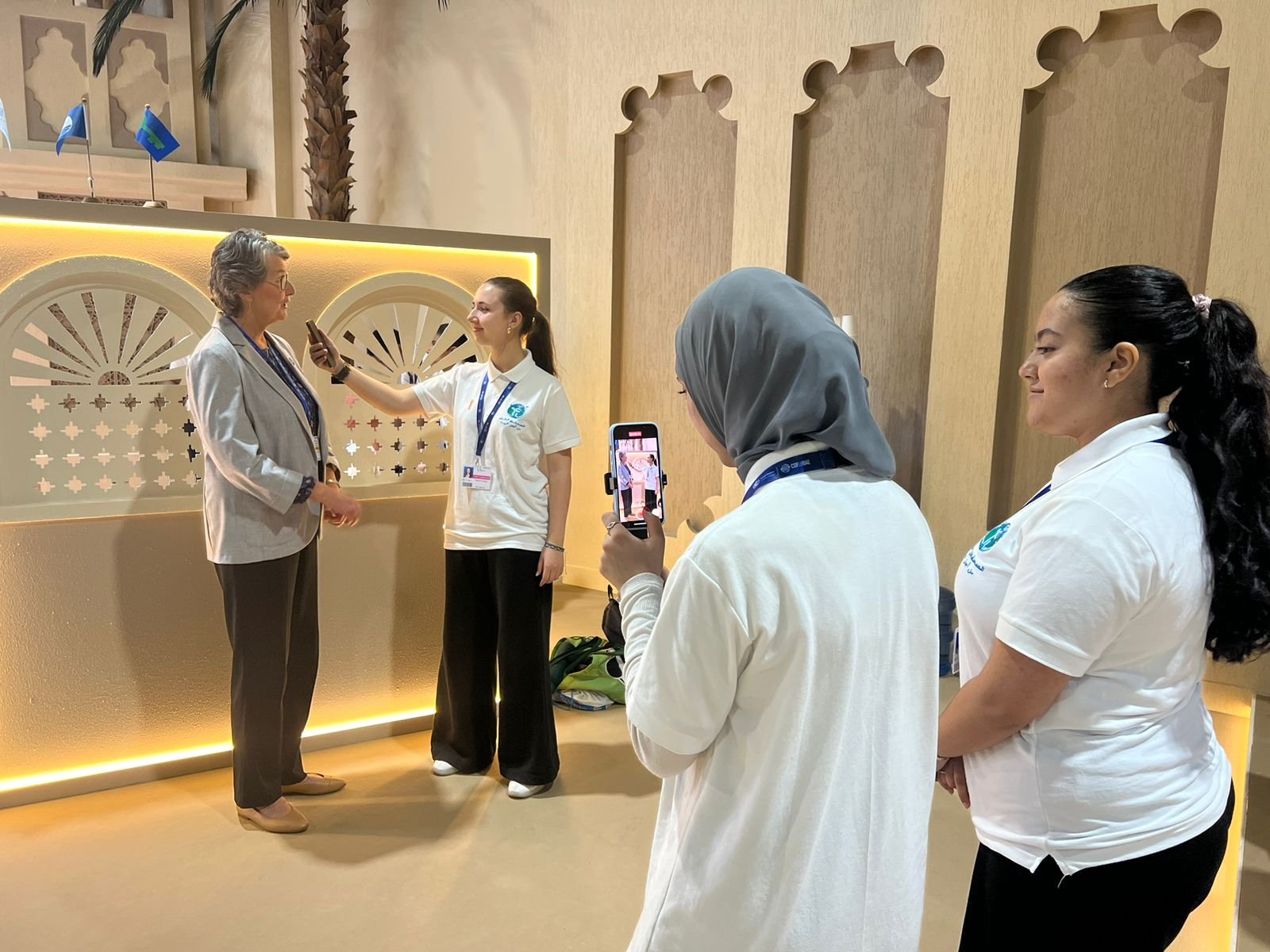
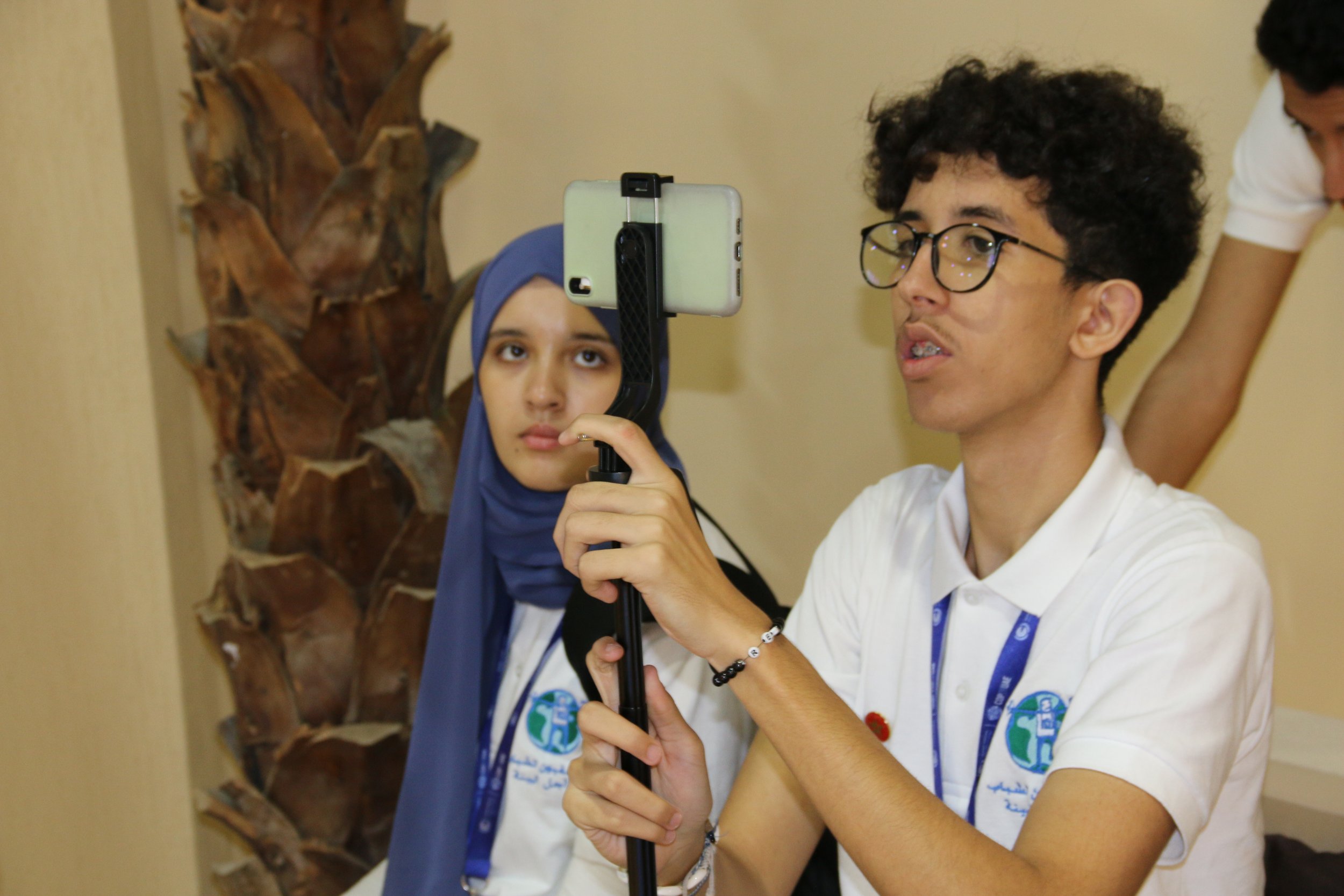
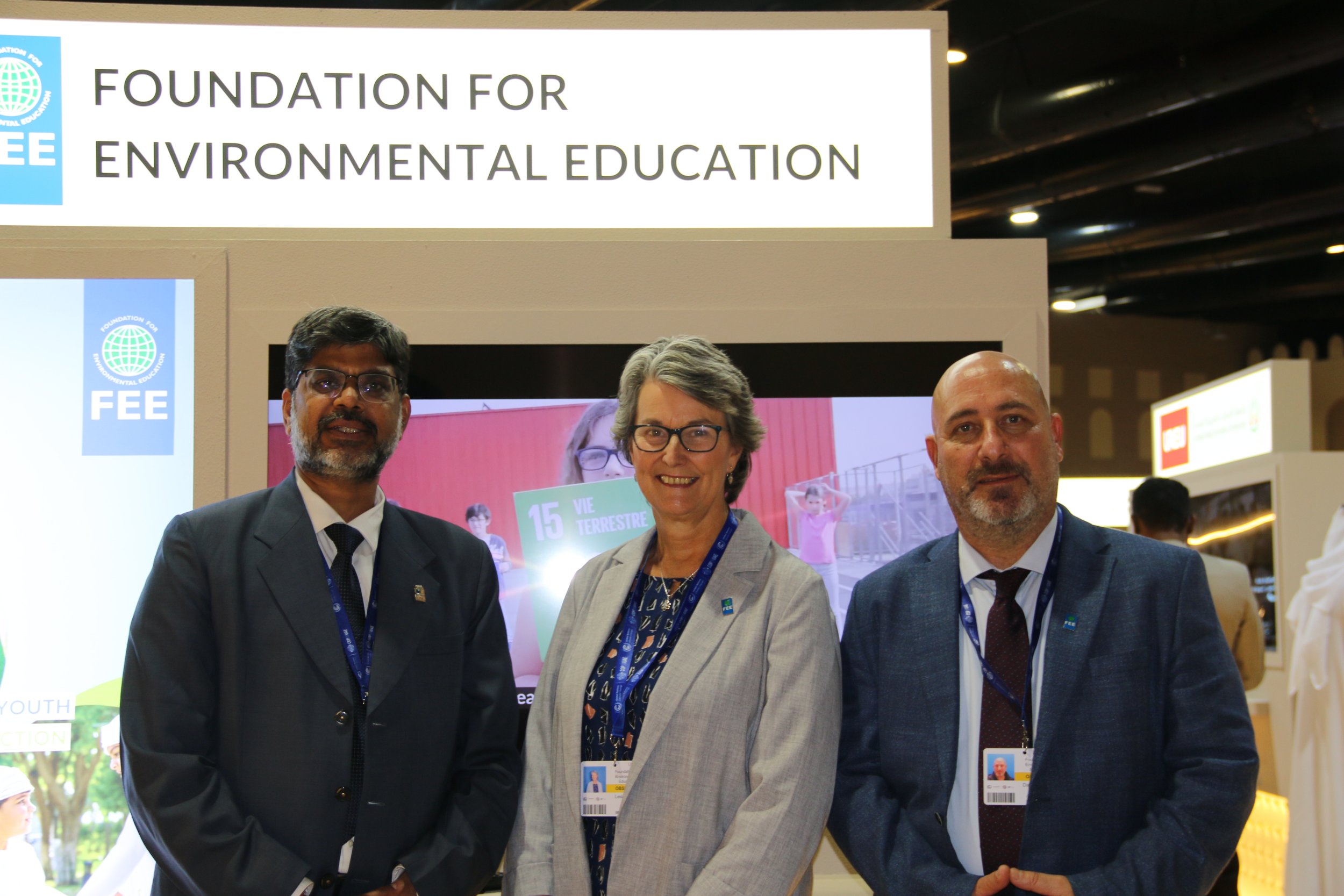
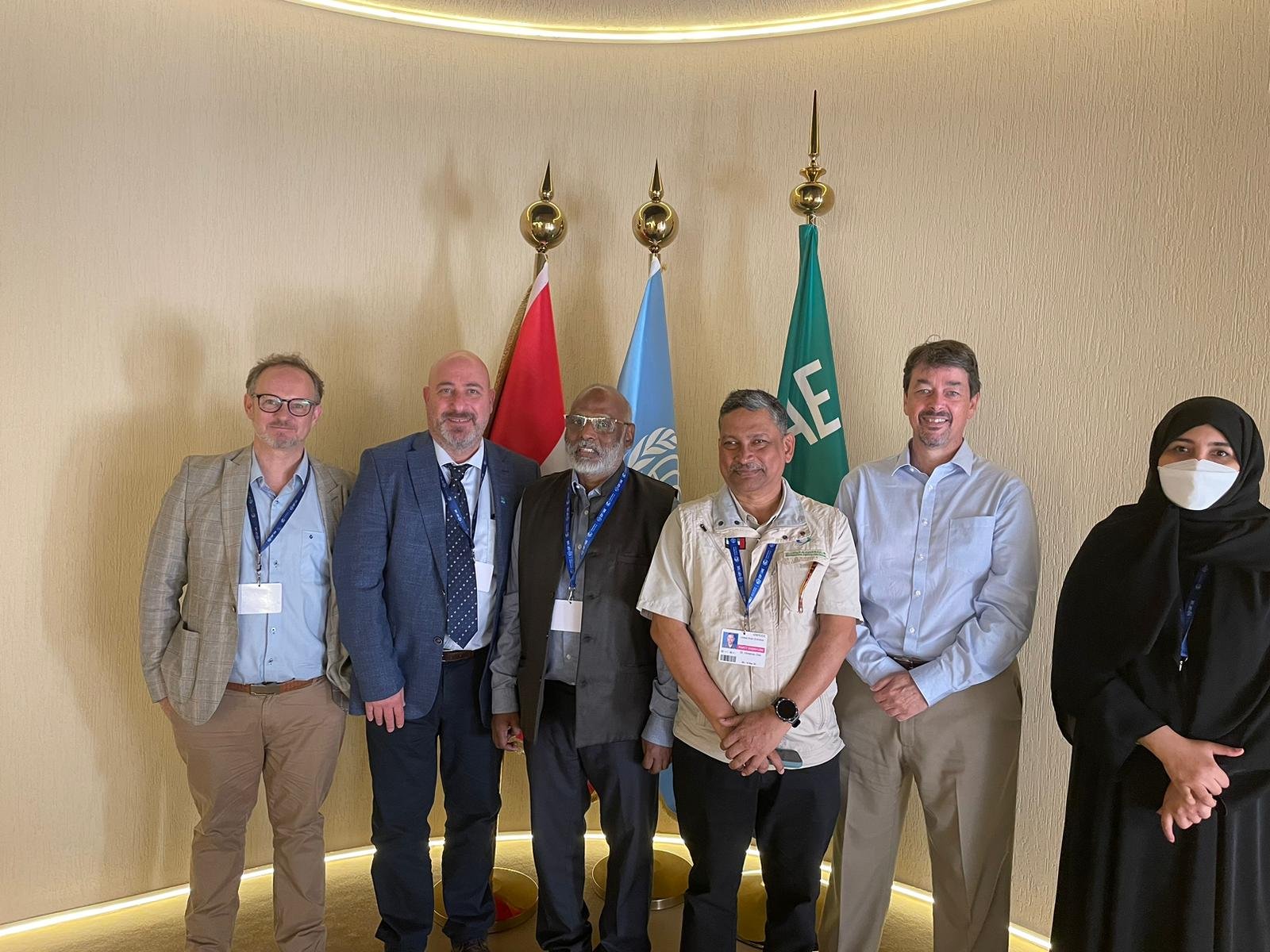
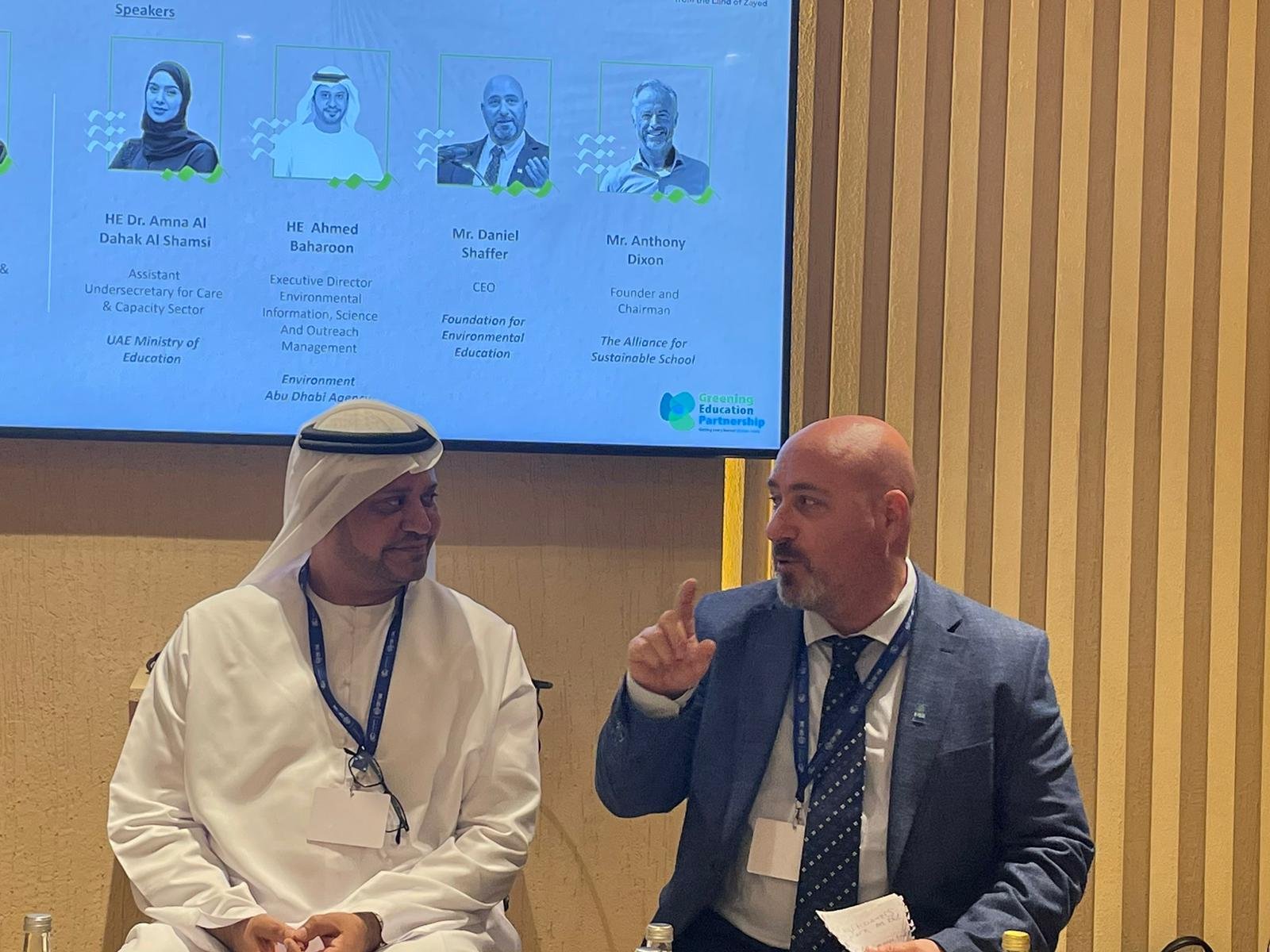
Highlights from COP28
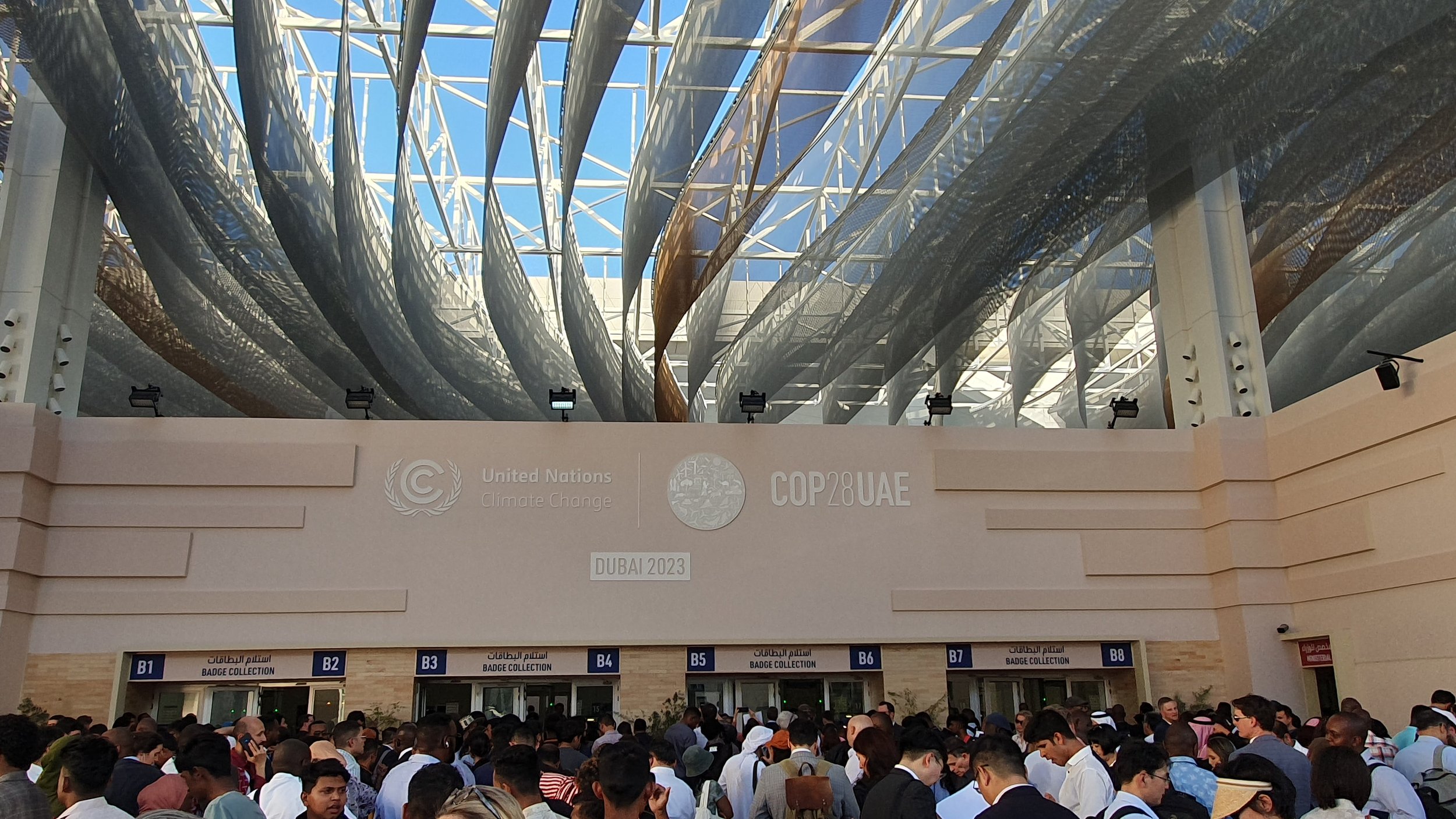
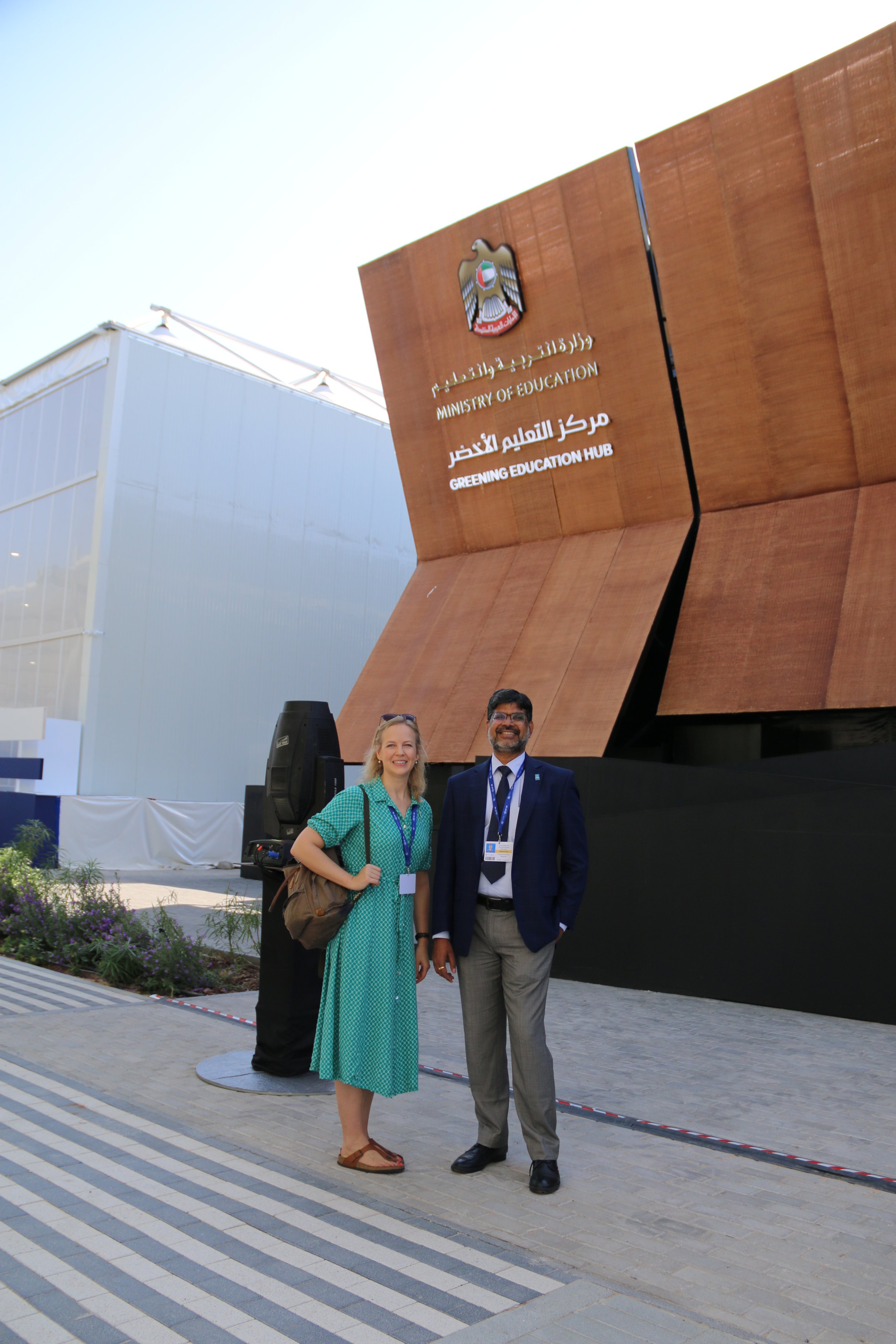
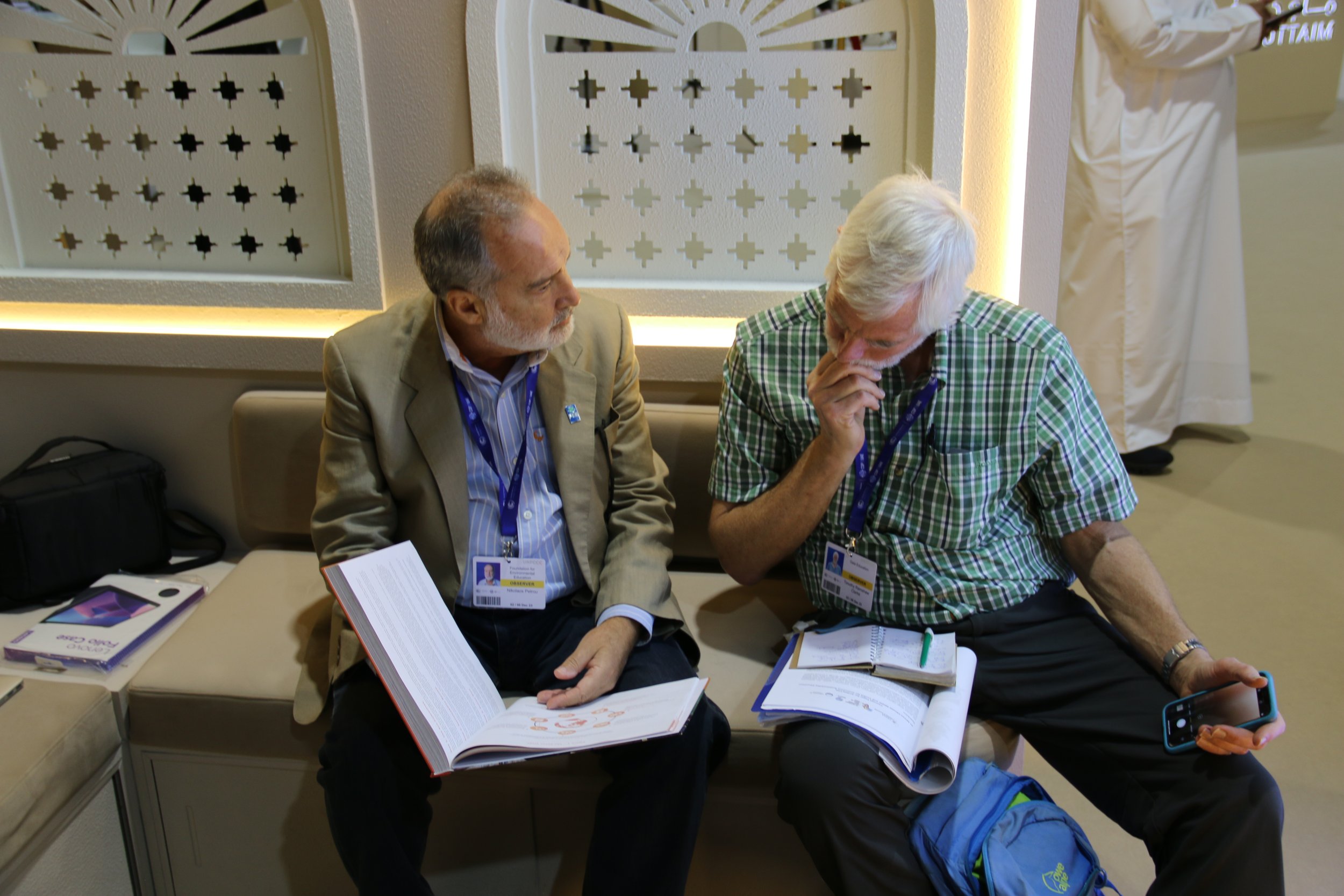
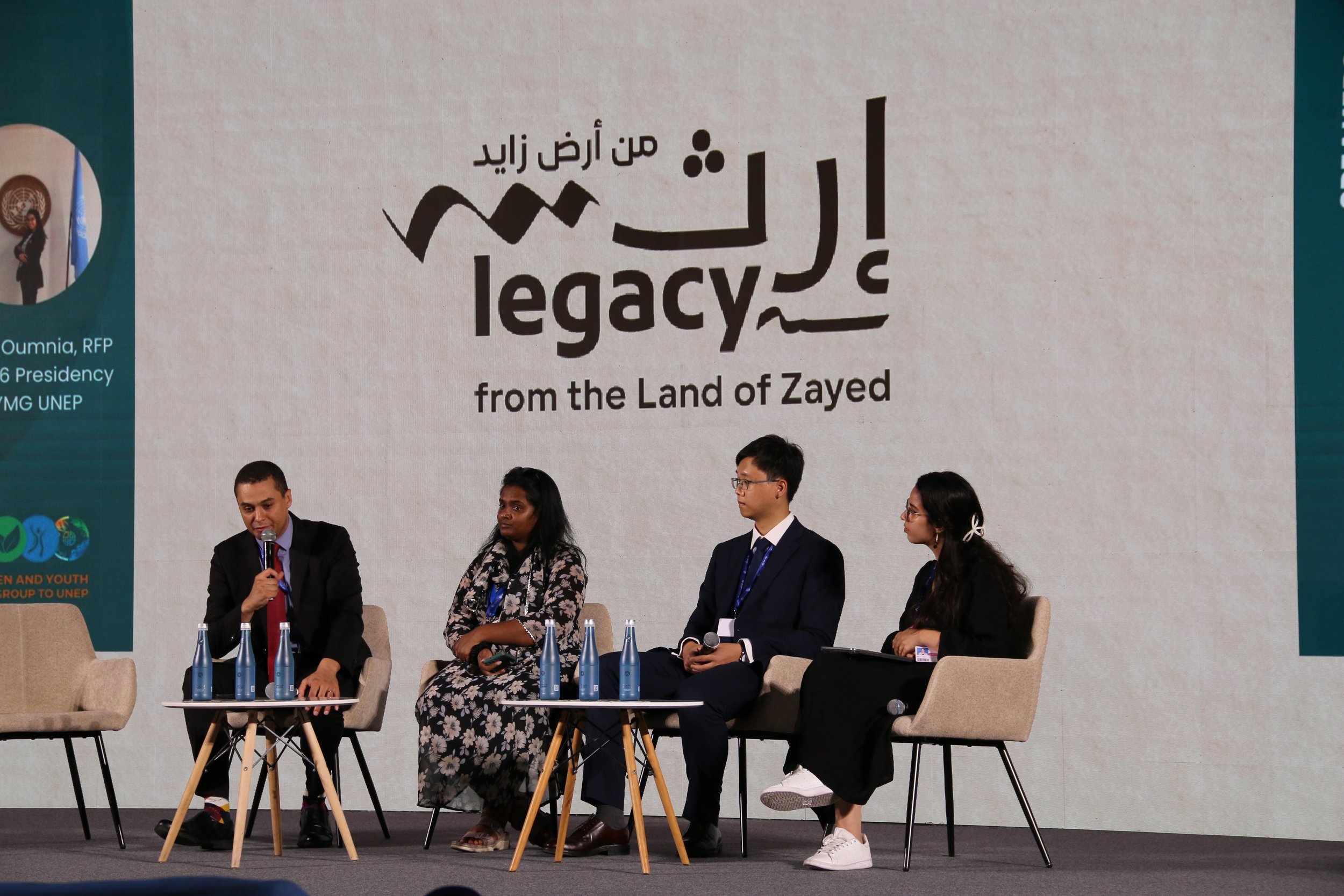
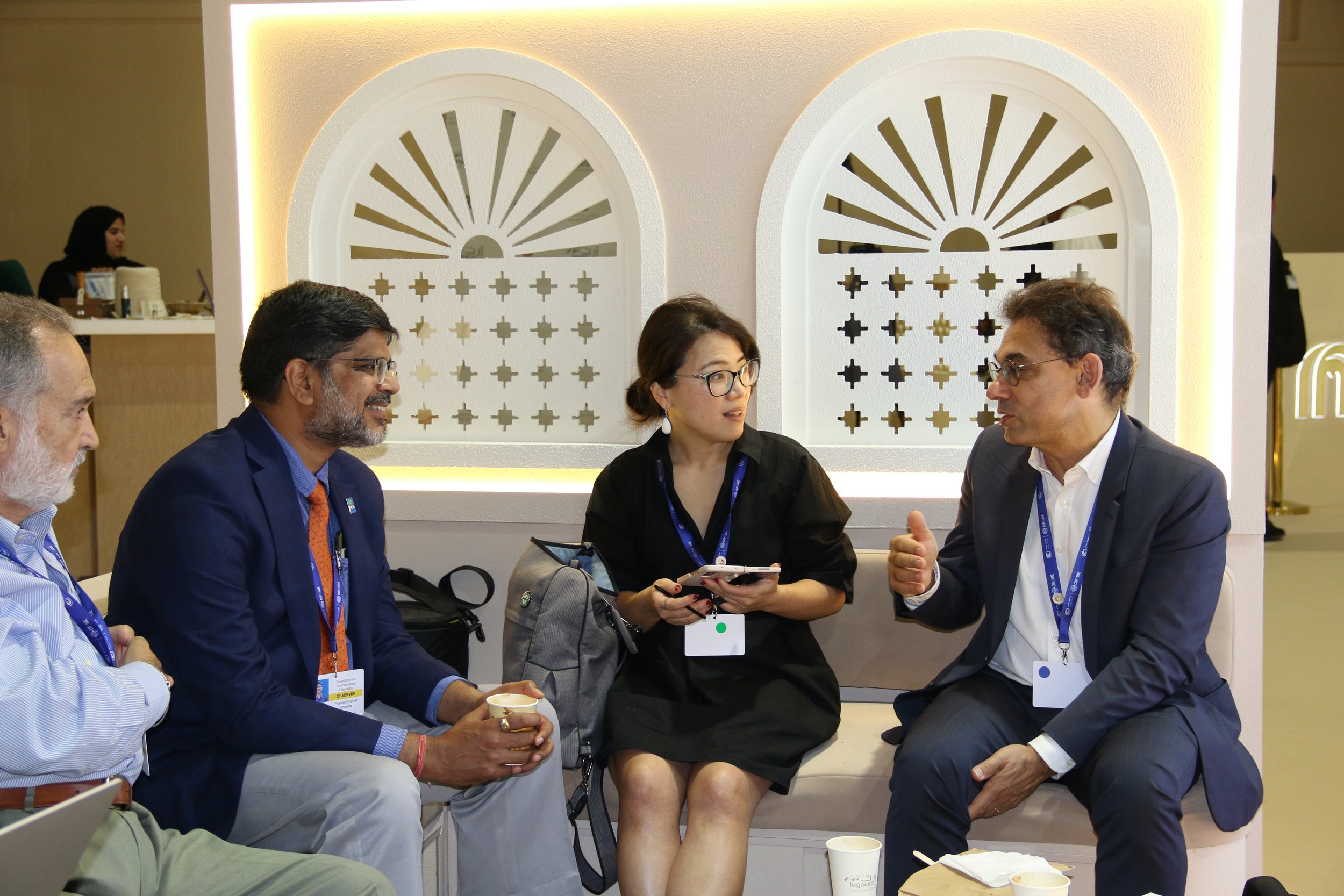
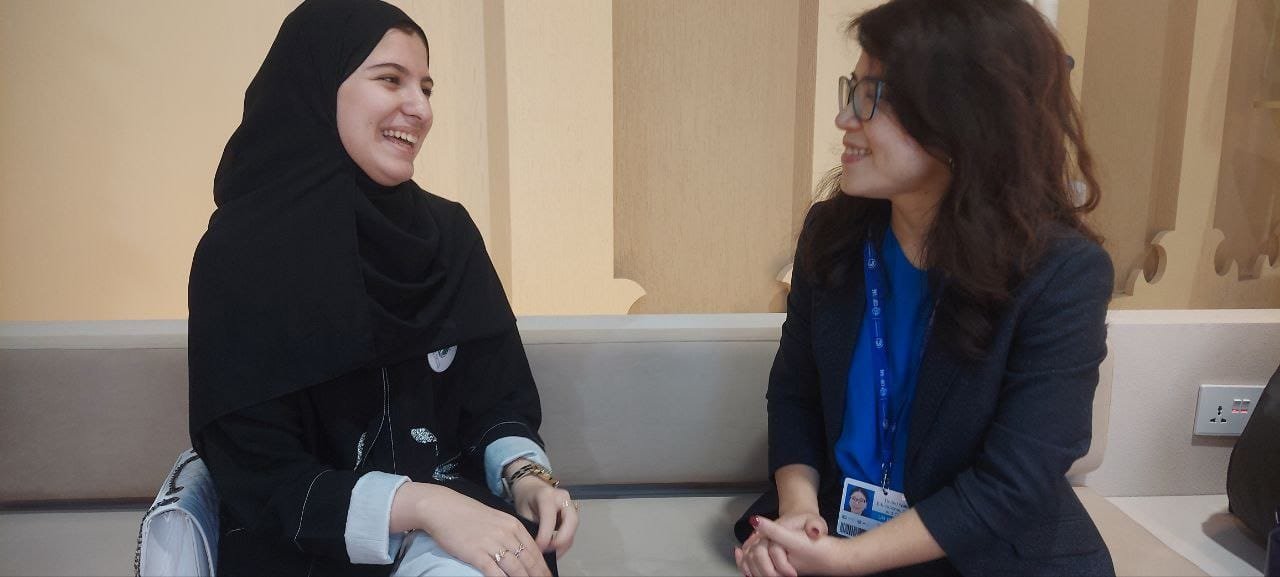
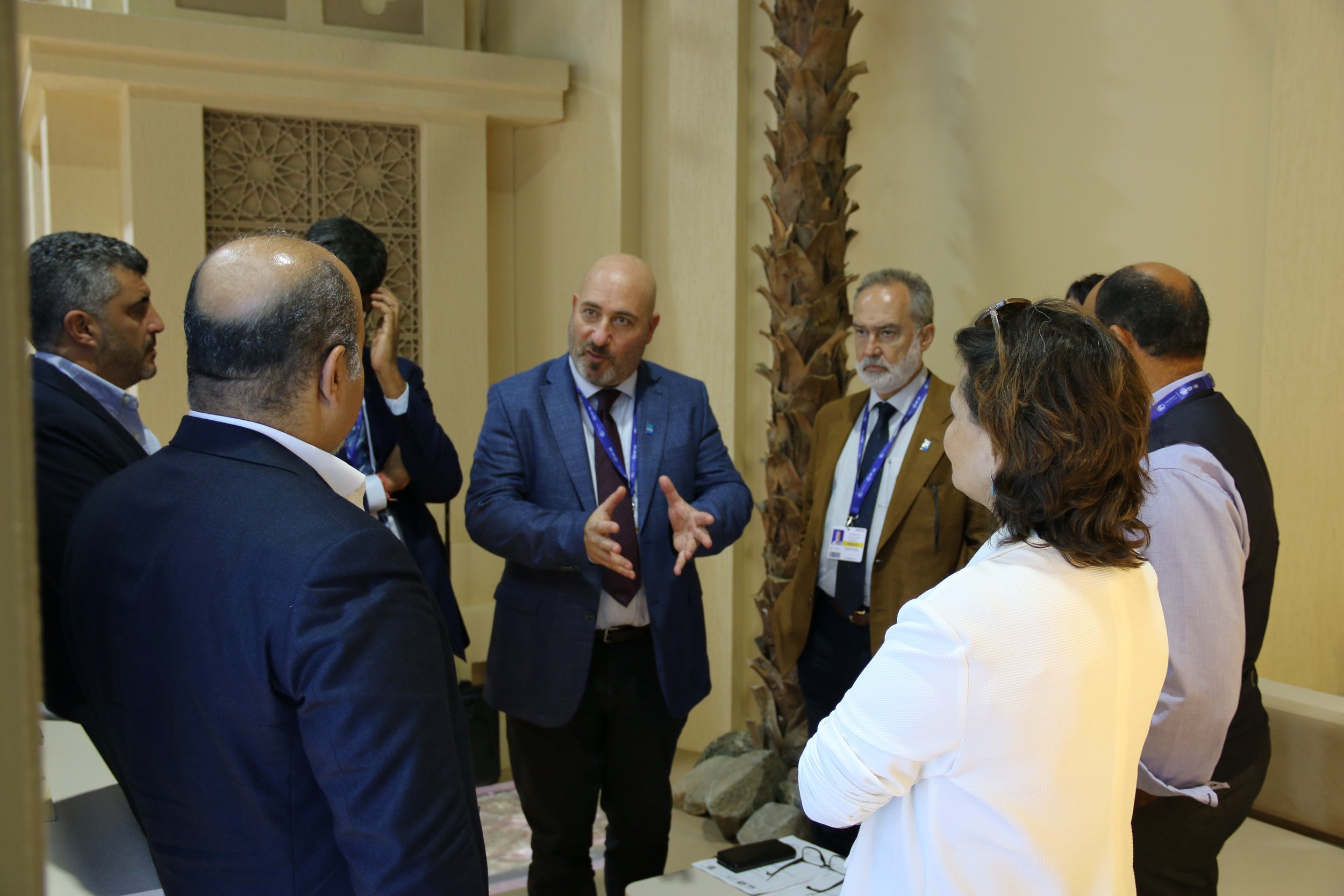
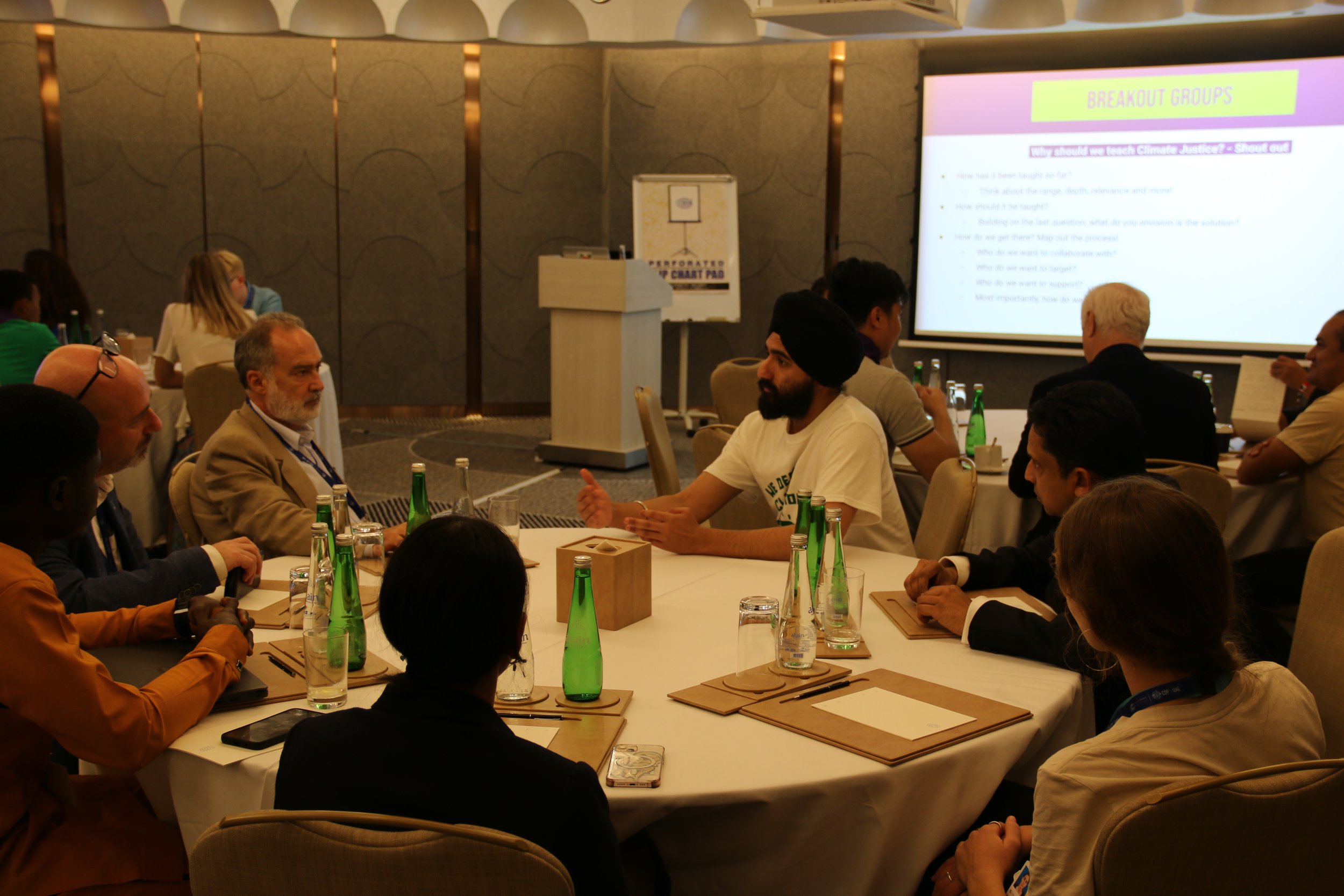
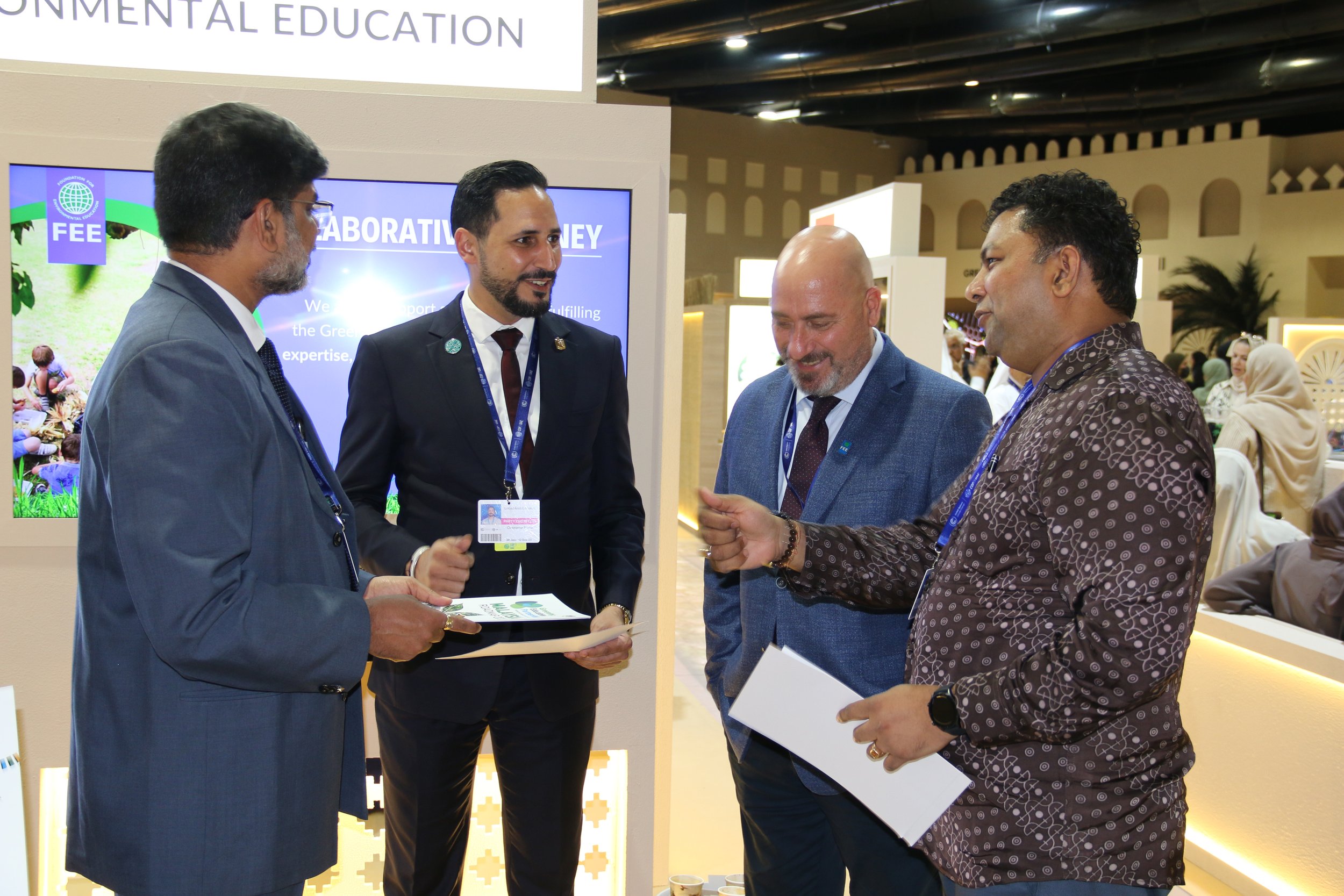
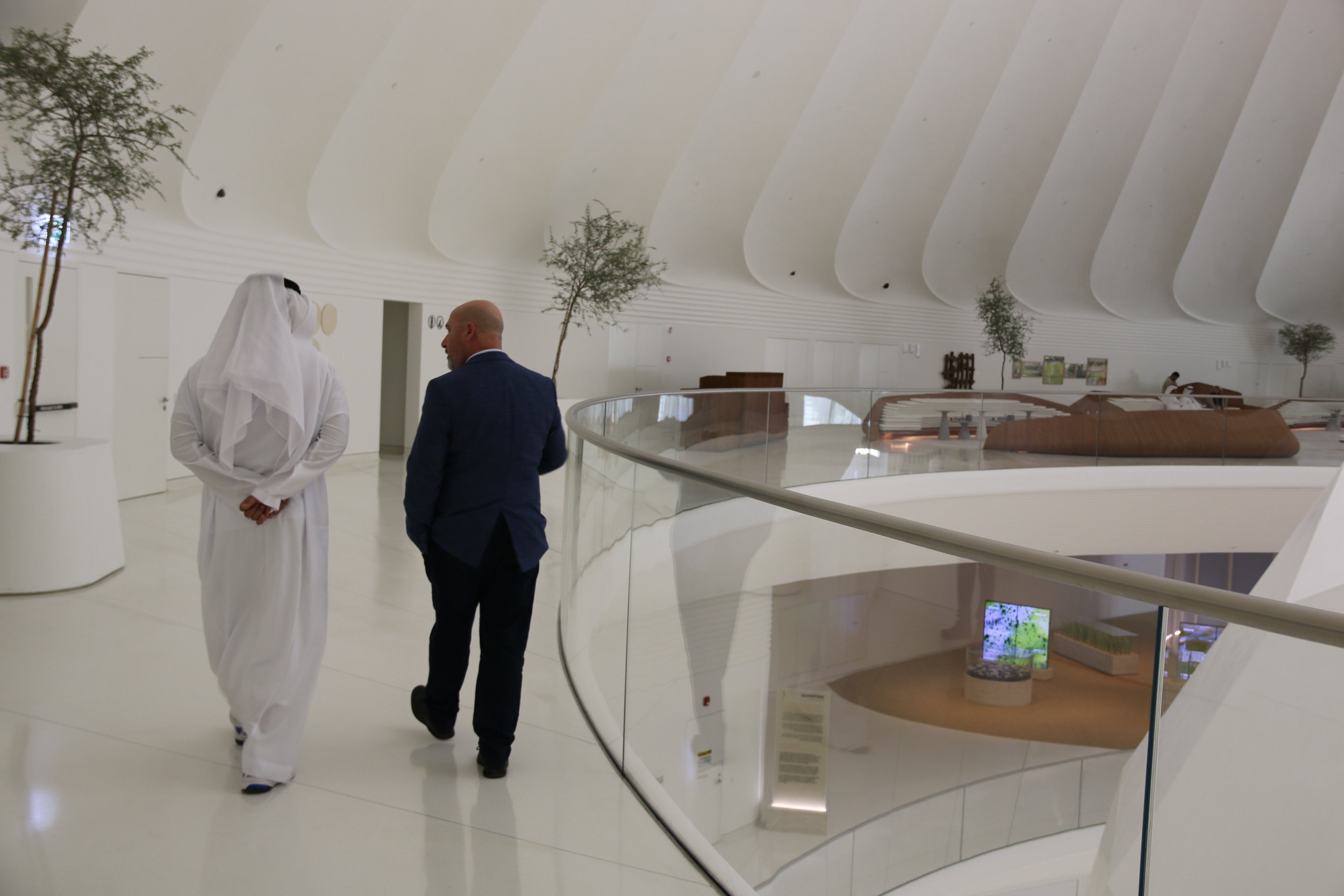
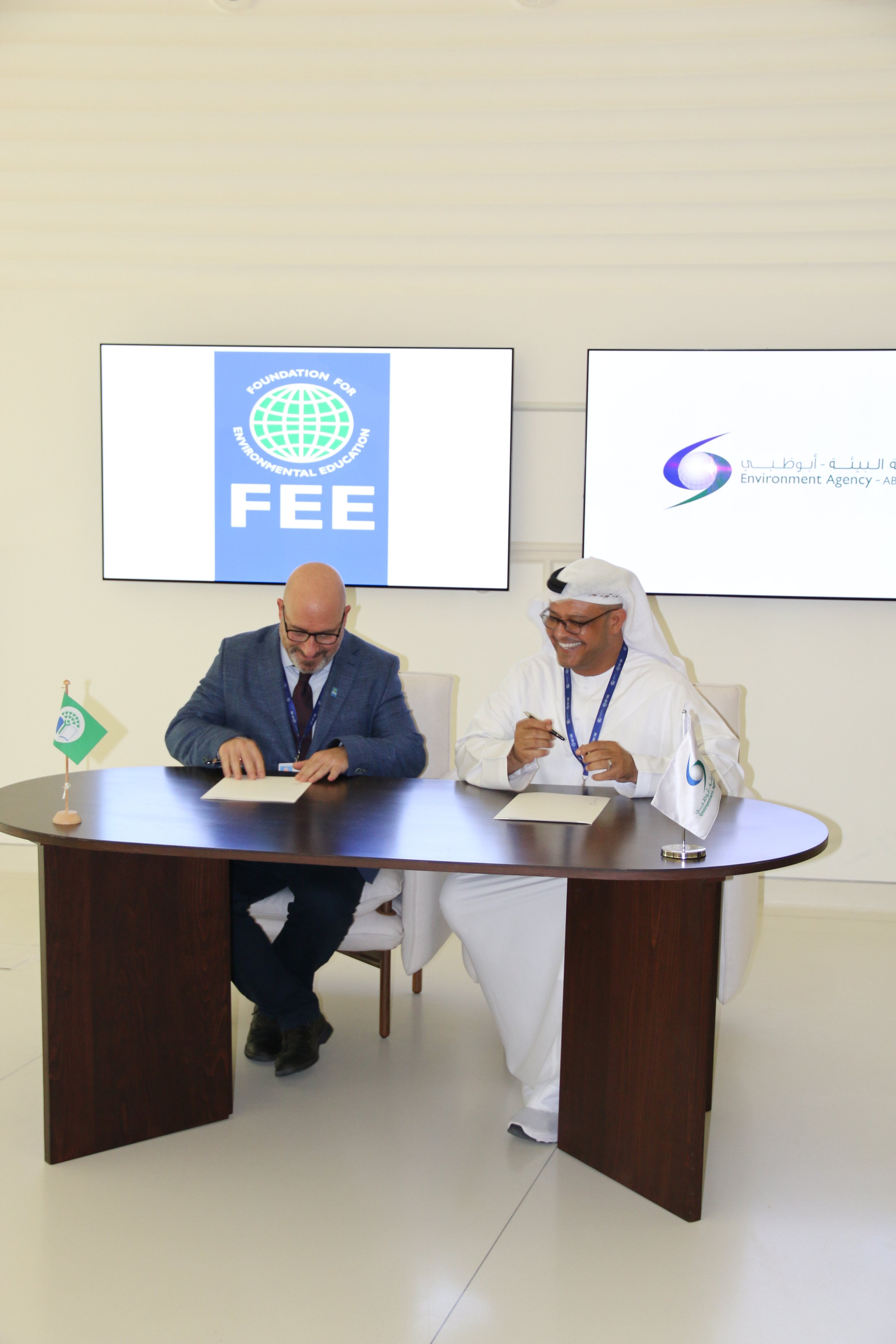
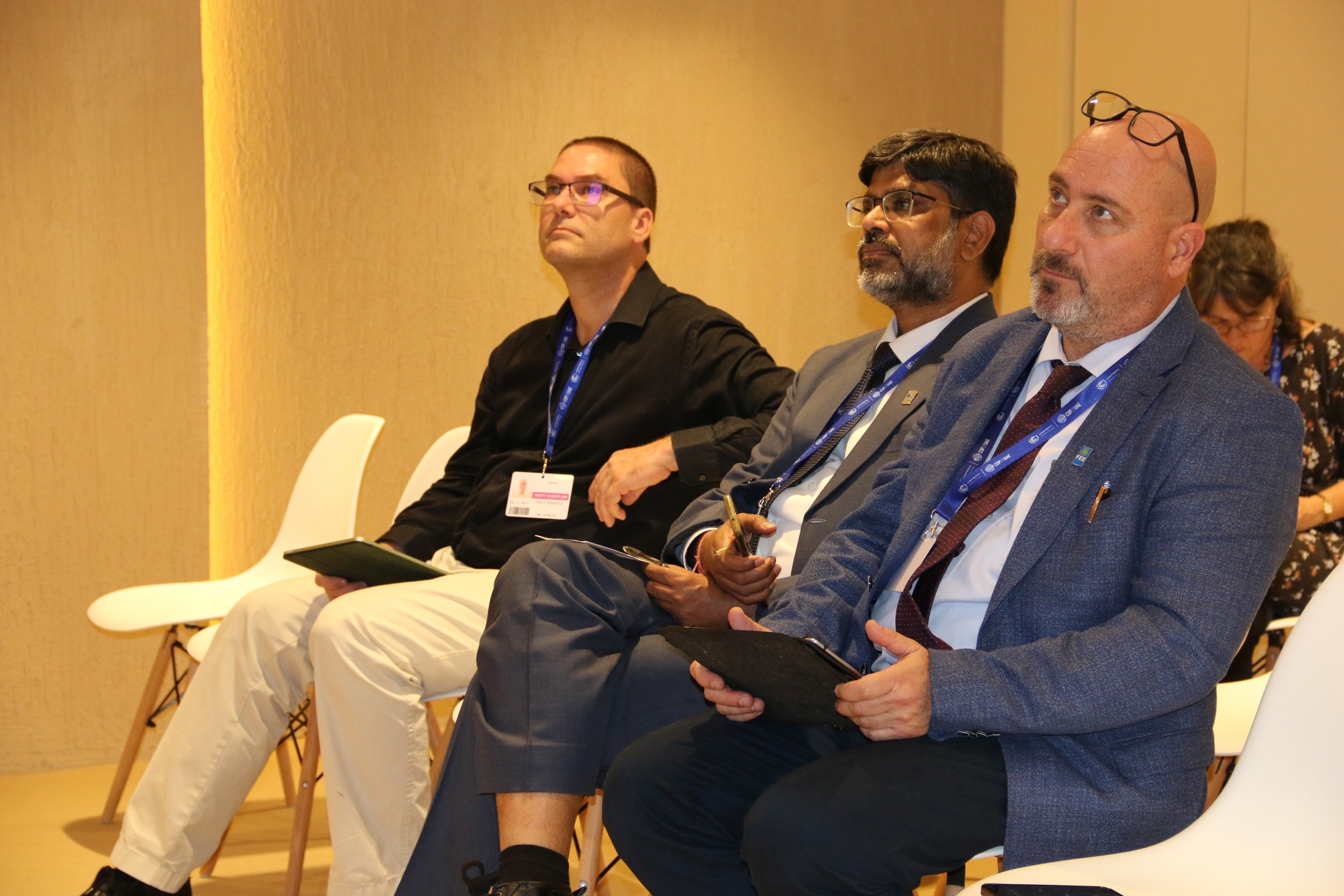
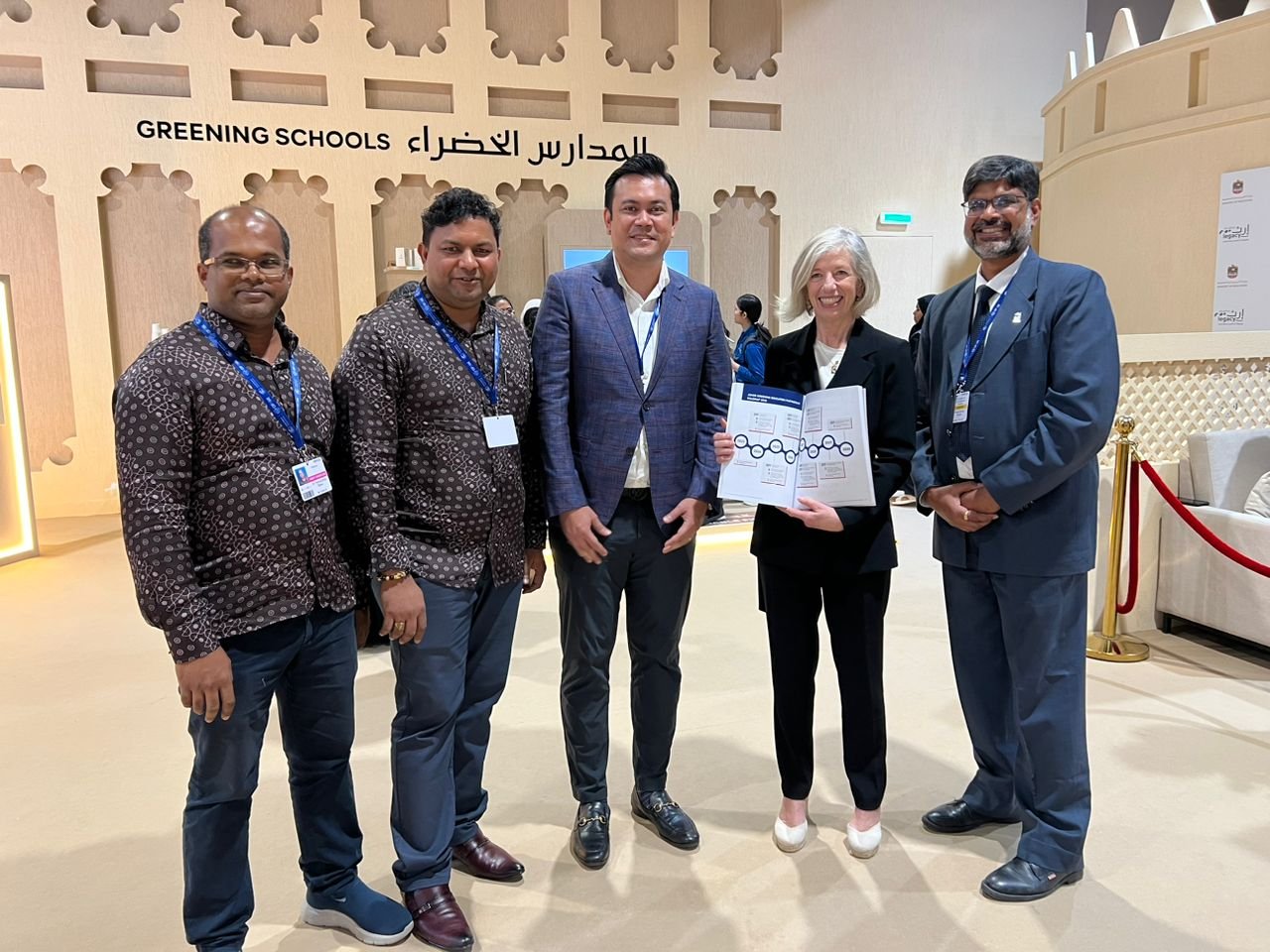
Thanks to the UAE Ministry of Education, the Greening Education Hub was an unprecedented opportunity to spotlight the importance of ESD and the Greening Education Partnership (GEP) at COP28!
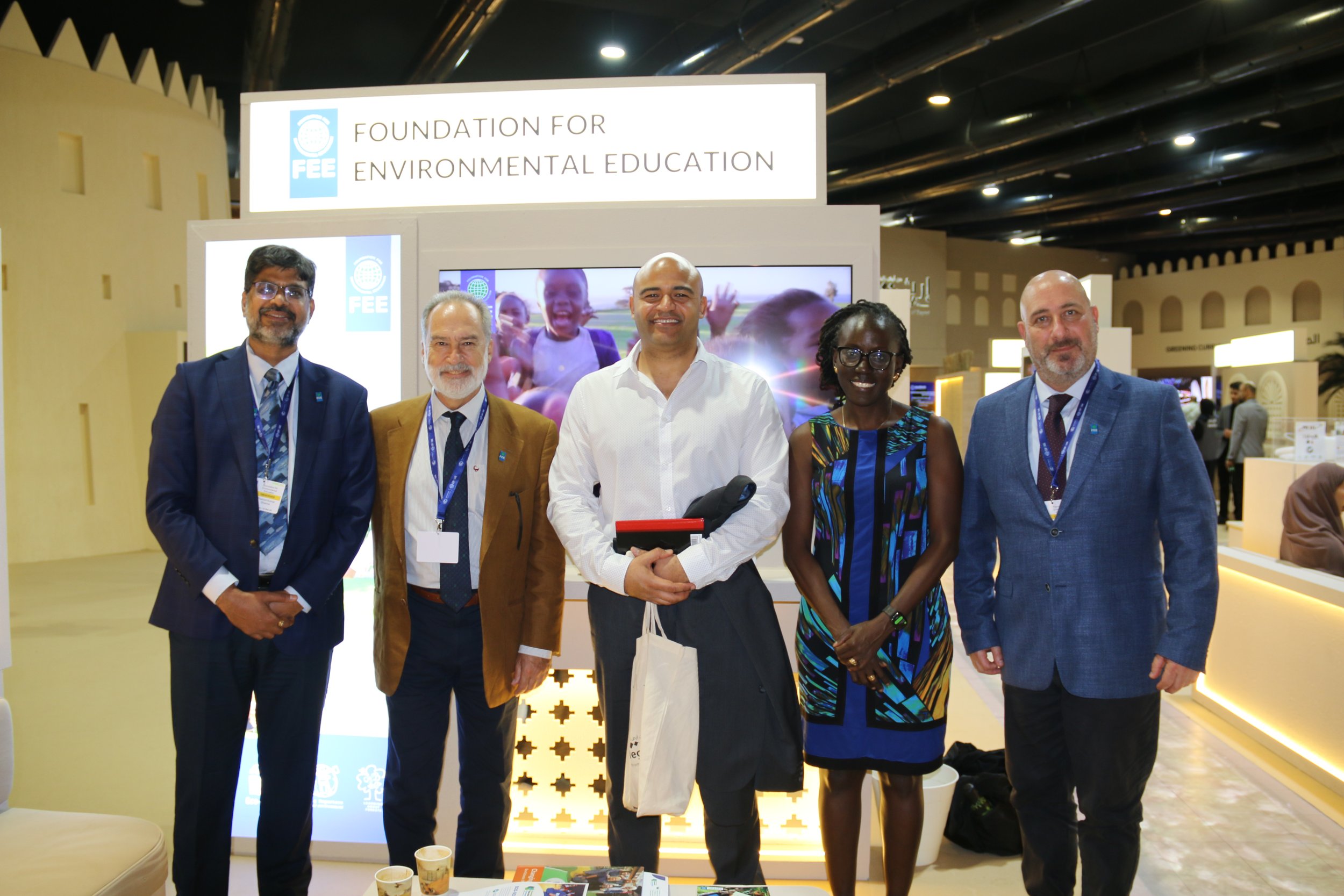
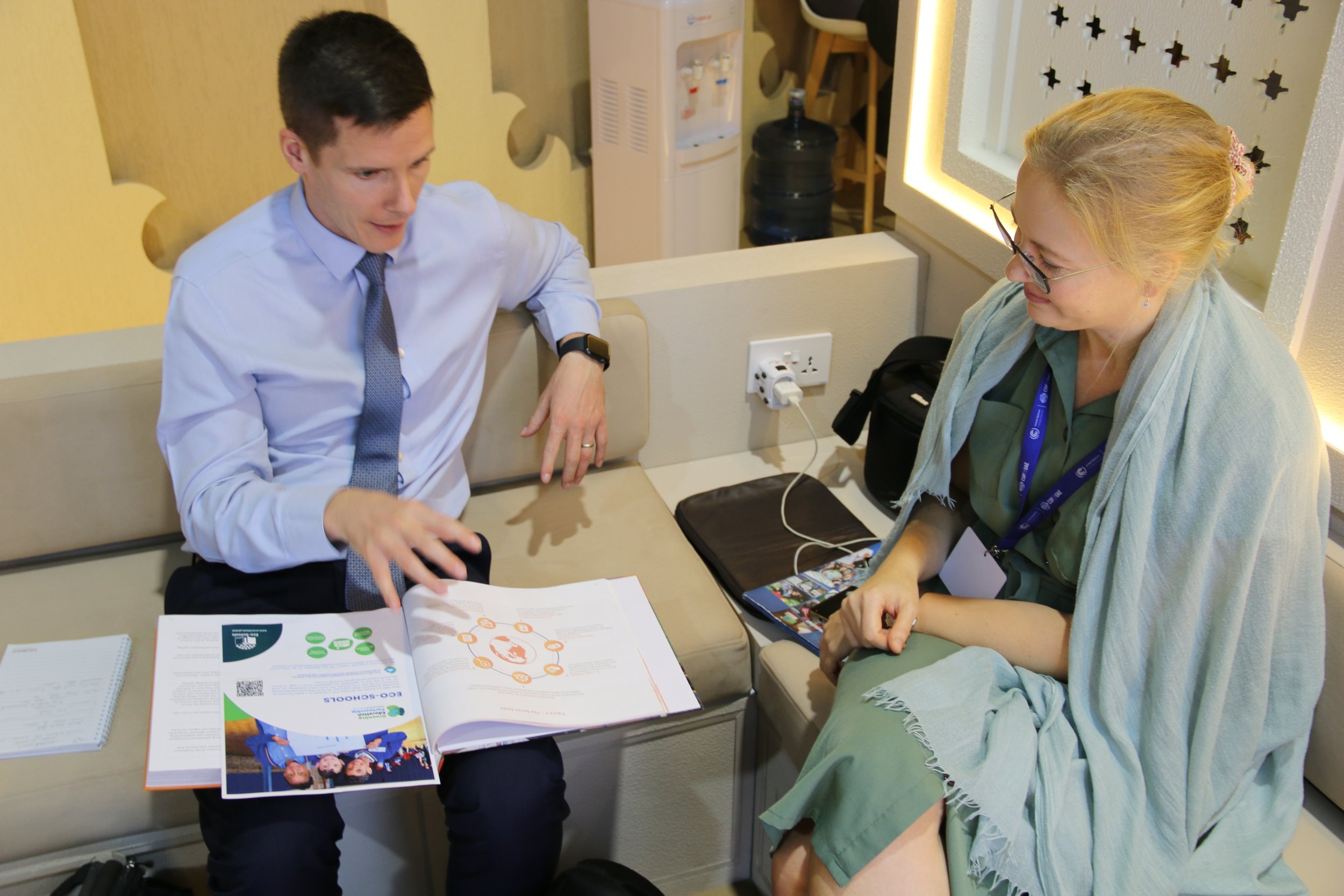
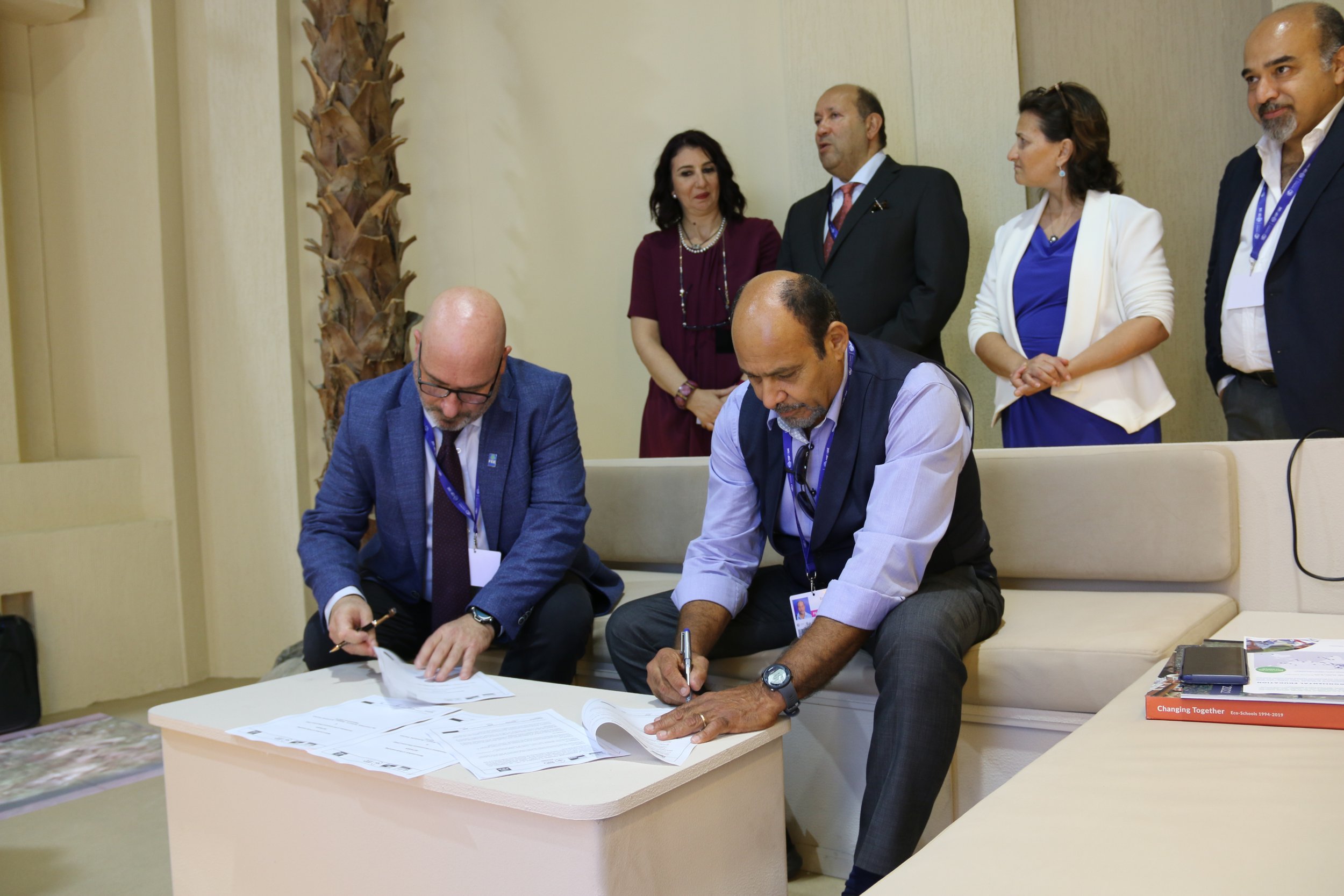
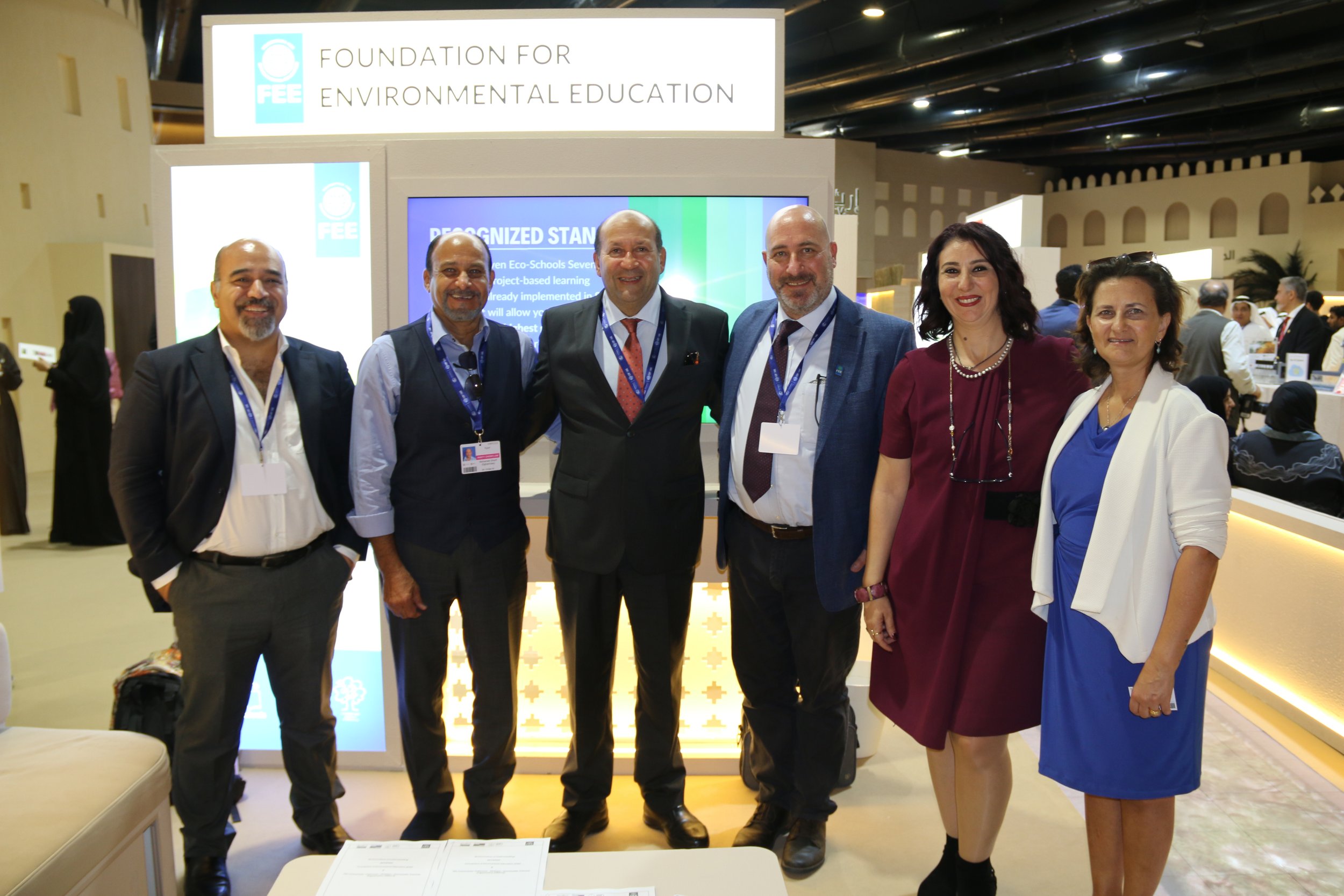
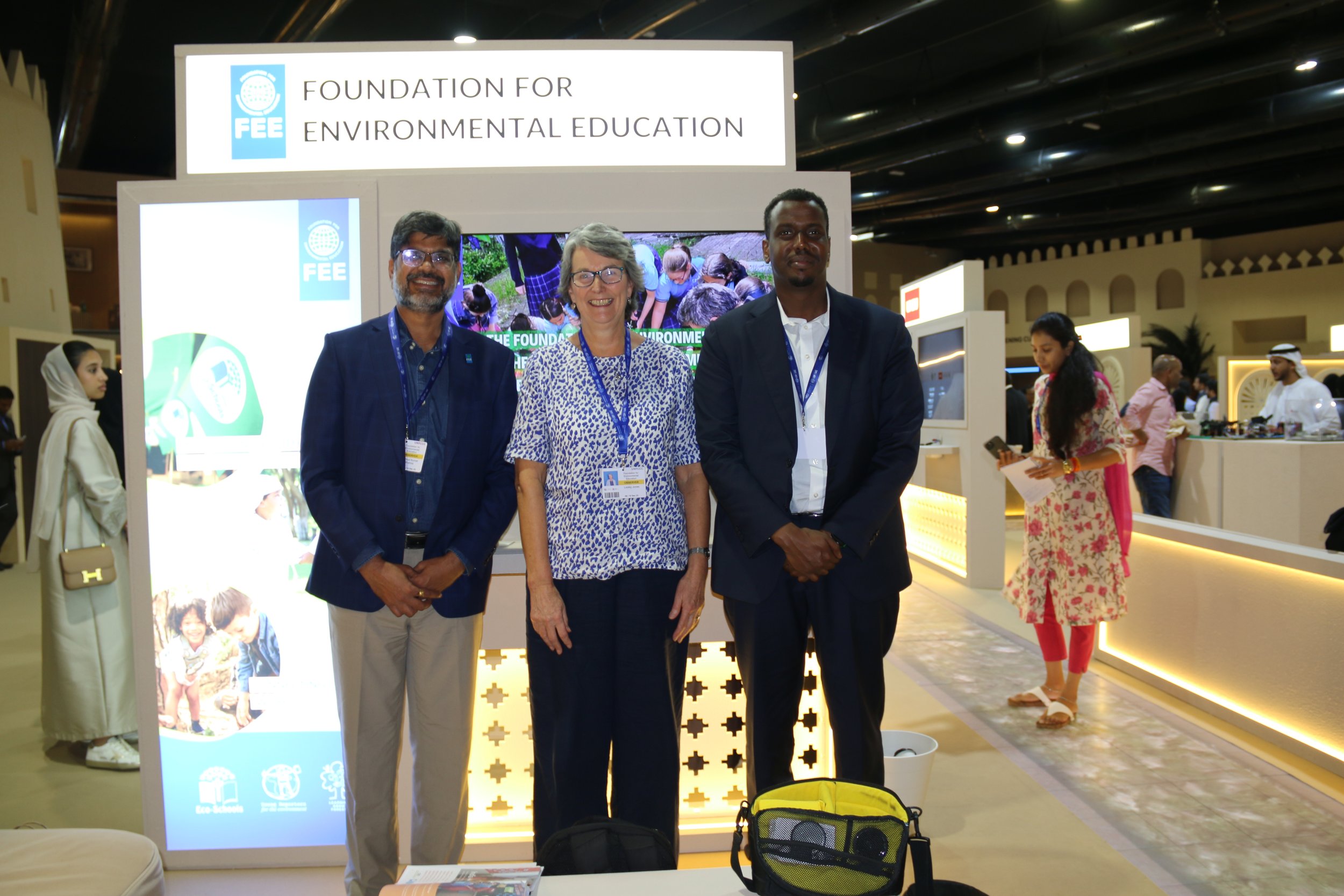
The FEE Booth in the Greening Education Hub was a fantastic place to showcase the strength of the FEE programmes, the GAIA 20:30 Strategy, and the global FEE network.
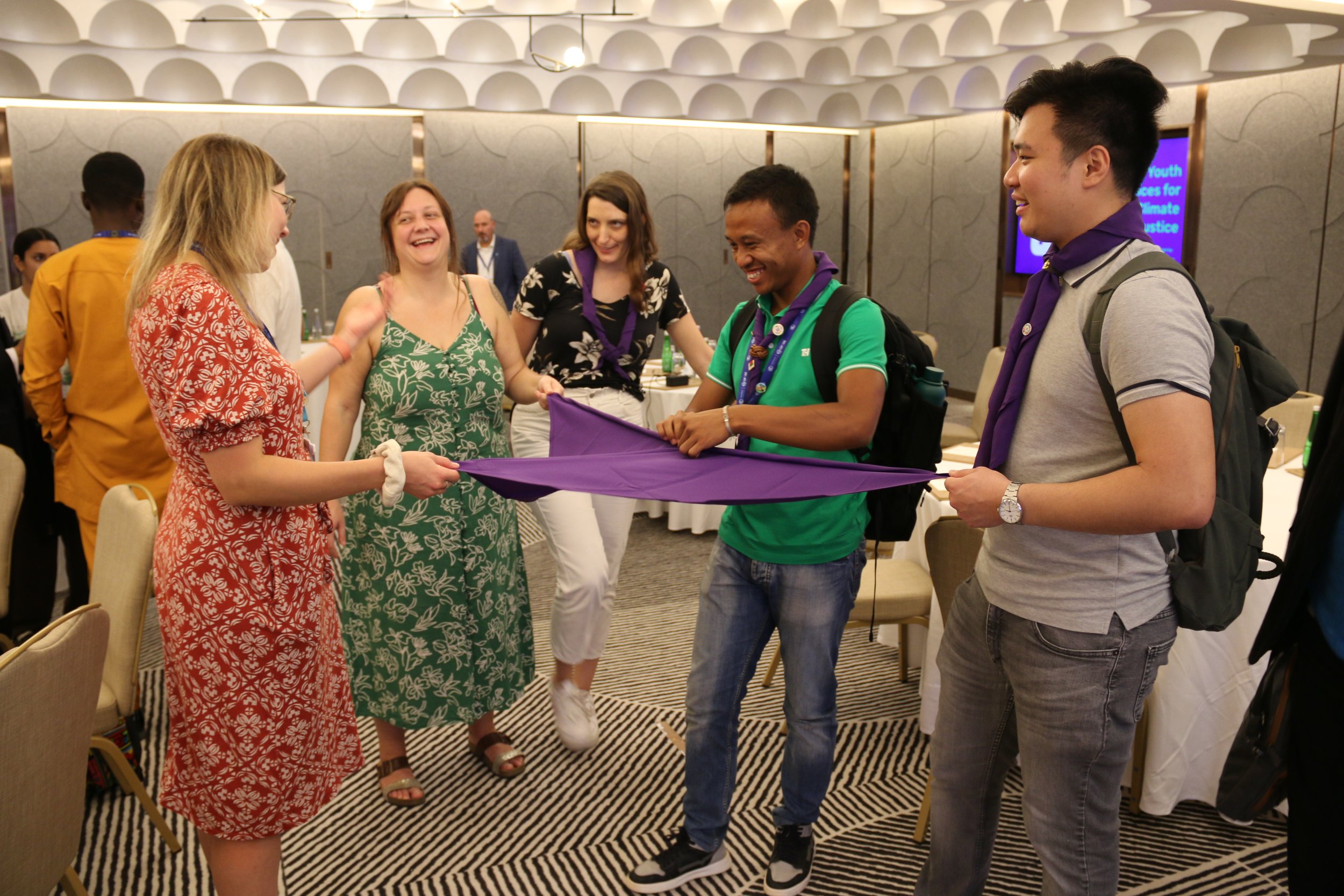
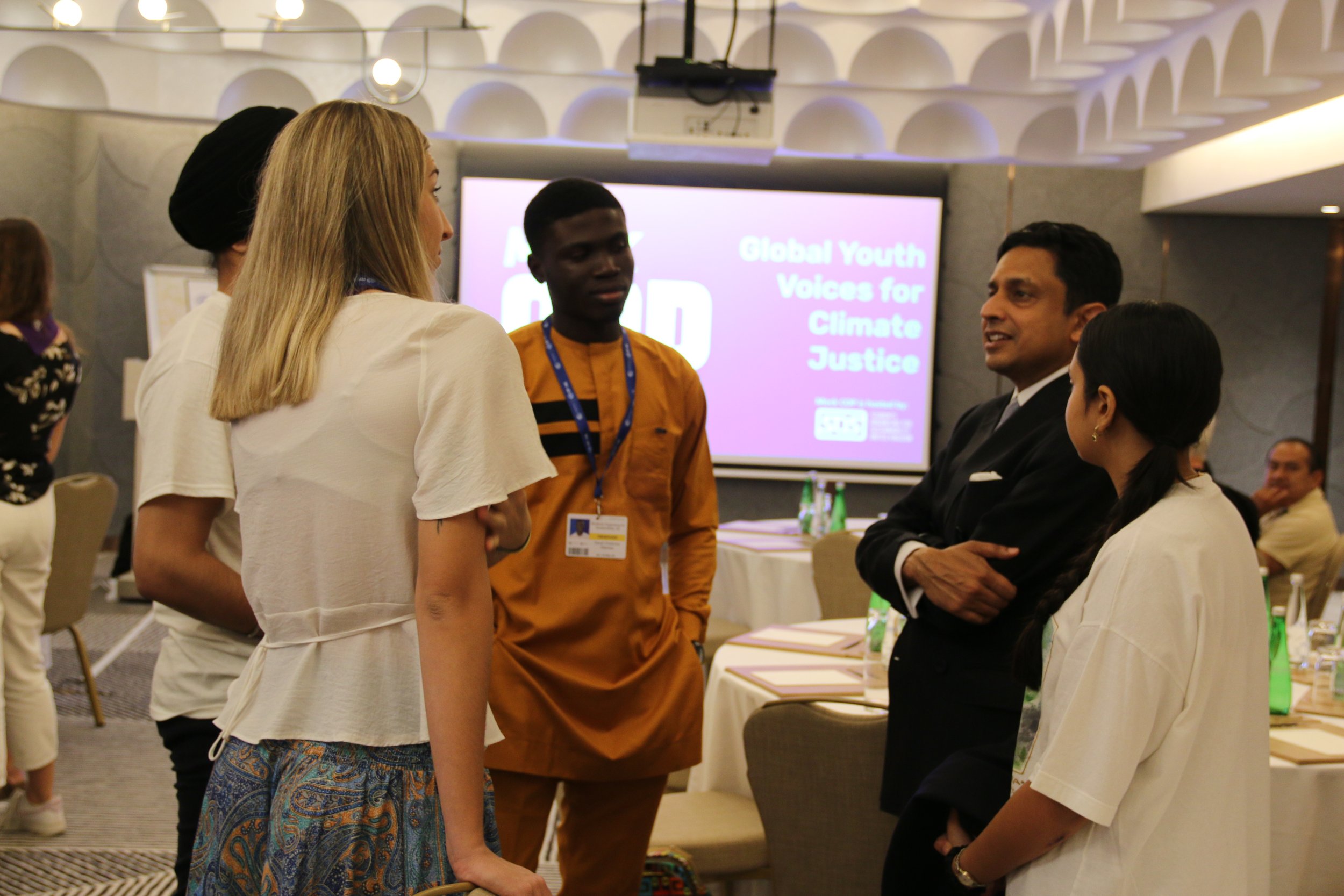
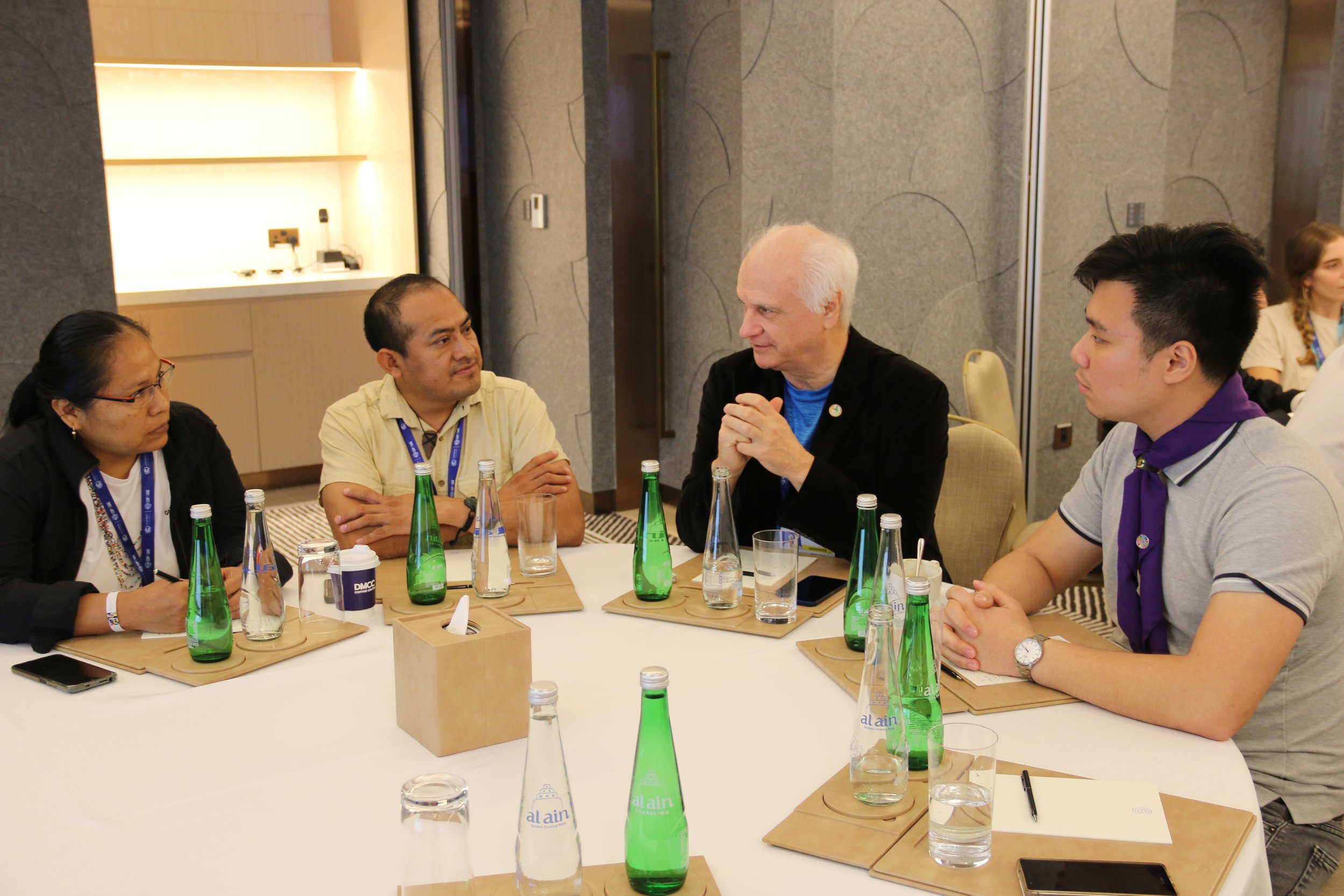
We would like to thank our members, partners, and the Young Reporters for the Environment for the engaging discussions and fruitful events.
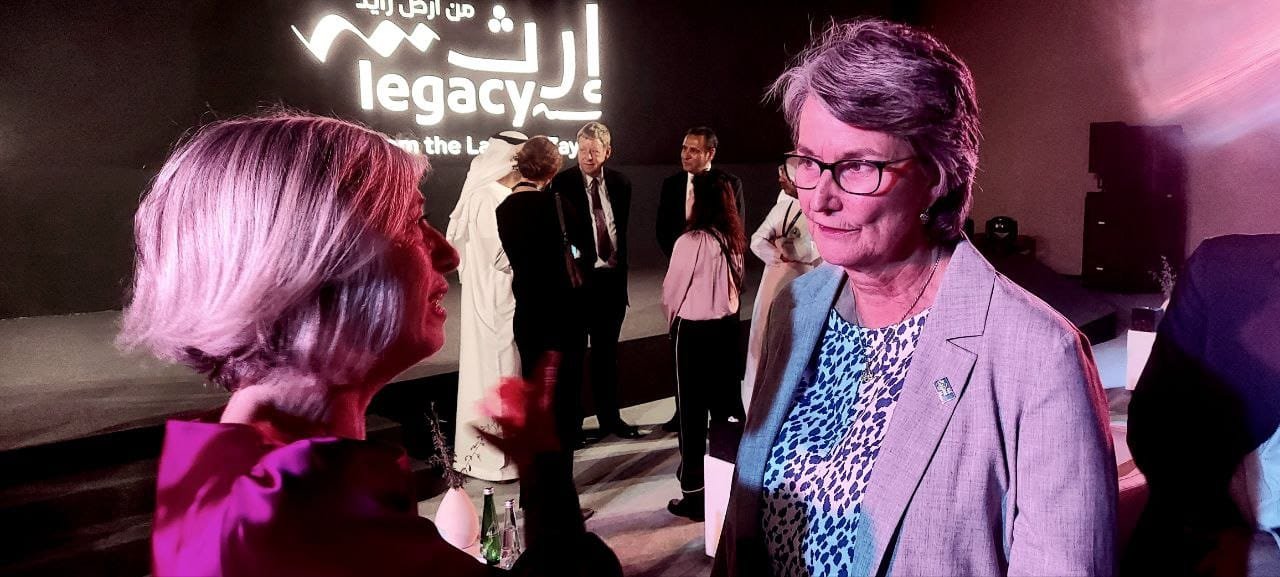
FEE was represented throughout the two weeks of the conference by Lesley Jones (President), Nikos Petrou (Vice President), Daniel Schaffer (CEO), Pramod Kumar Sharma (Senior Director of Education) and Kristina Madsen (Int. Coordinator of Education) as well as representatives from our member organisations in Australia, China, Bangladesh, India, Malaysia, Morocco, South Africa, UAE, and Uzbekistan.

Sandbanks Restoration Education at Peró Beach, Brazil
The Peró coastal region, situated along the pristine Atlantic coast of Brazil, has long captivated the hearts of tourists. With its breathtaking vistas and pristine stretches of golden sand, it has become an attractive tourist destination. However, over the years, the influx of tourists has spurred the construction of more accommodations, residential complexes, and infrastructure, progressively encroaching upon the fragile coastal ecosystem. The sandbank vegetation areas, a vital component of this coastal landscape, have suffered the most from human pressures, further exacerbated by the speculative surge in real estate ventures and the expansion of livestock farming.
In response to these challenges, the Peró Residents Association, and the Veiga de Almeida University initiated a sandbank restoration project at Peró Beach with the support of the Blue Flag Peró site managers. The Blue Flag Programme and the Instituto Ambientes em Rede (IAR) have always encouraged Blue Flag-awarded sites to work in cooperation with local institutions to promote the preservation of areas surrounding awarded sites. This story from Peró Beach highlights the opportunities to engage local communities with environmental conservation and education by bringing together undergraduate students, professors, biologists, and technicians from Veiga de Almeida University (UVA) as well as public authorities.


Students surveying the study area.
The project began with a comprehensive survey of the study area guided by a biologist. Soil samples were collected and analysed for moisture content, organic matter content, FE³+ ion content, pH, and potassium and phosphate levels. Based on the findings, the team divided the study area into three distinct quadrants:
· Quadrant 1 received a combination of sewage plant sludge (solid material remaining after the wastewater treatment process, typically consisting of organic and inorganic matter), landfill, and plant litter.
· Quadrant 2 was treated with silt from a sewage plant, cake, and plant litter.
· Quadrant 3 served as the control group and received only a single layer of landfill.
The landfill and plant litter (e.g., dry leaves) used in the experiment were sourced from the surrounding area.

Division of the study area into three quadrants.

Dry leaves to retain soil moisture.
In the initial phase of the study, legumes such as Phaseolus vulgaris (black beans) and Cajanus cajan (pigeon pea) were sown to facilitate nitrogen fixation. In the subsequent phase, native fruit-bearing plants like Myrciaria guaquiea (Guaquica) and Eugenia uniflora (pitanga) were planted to attract arthropods and birds, thereby enhancing the local food chain. Native plants were chosen for their symbiotic relationships with local fauna, as they produce fruits and seeds that are highly attractive to wildlife.
Regular monitoring was conducted, with the students measuring bean sprout monthly growth and weekly visits to the study area to document plant development through photographic records. Despite meticulous planning and execution, unforeseen challenges emerged during the project. An anthill encroached upon Quadrant 2, but the students successfully mitigated it using coffee grounds. However, the final setback was posed by domestic cattle, which, due to the inability to build a protective fence, freely entered the quadrants. These cattle consumed the newly developed leaves of the sprouts and trampled the ground, ultimately forcing the research to conclude in November 2021.


Soil samples laboratory analyses from the three distinct quadrants.
Overall, the project showcased the possibility of restoring degraded areas by stimulating biogeochemical processes without relying on chemical fertilizers. The addition of silt and sludge improved soil quality, particularly in Quadrants 1 and 2, where potassium and phosphate levels increased. The presence of arthropods attracted birds, further enhancing ecosystem processes. Additionally, the presence of dry leaves helped retain soil moisture and shield it from intense sunlight.
Despite its challenges, this project not only offers insights into a cost-effective approach to sludge management but also holds the promise of a method for restoring degraded sandbank vegetation areas. Moreover, involving students, provides an educational opportunity for the next generation of nature restorers, fostering students’ scientific and environmental observation skills.
Instituto Ambientes em Rede (IAR), acts as a FEE Member Organisation in Brazil. This partnership has facilitated the implementation of environmental education initiatives such as the Foundation for Environmental Education’s renowned Blue Flag programme, which raises awareness about marine and coastal environmental protection and awards of beaches, marinas, and tourism boats that comply with relevant criteria set on environmental education and information, safety and services, water quality, environmental management, social responsibility, and responsible operations around wild animals.
To explore IAR's extensive work with conserving natural ecosystems and promoting socio-cultural development through environmental citizenship visit its site here. For more information about the UN Decade on Ecosystem Restoration and opportunities for involvement, please visit the following link.
This article is part of our UN Decade on Ecosystem Restoration series, which highlights the projects and activities of FEE members that contribute to the UN Decade.
Foundation for Environmental Education Partners with the Sustainable Hospitality Alliance to Promote Sustainable Business Practices in Hospitality
A partnership designed to empower people to create an environmentally conscious world, has been announced by the Sustainable Hospitality Alliance and The Foundation for Environmental Education (FEE). As a strategic delivery partner FEE’s expertise will help the Alliance continue its development of the Pathway to Net Positive Hospitality.
Activity will see FEE support the Alliance specifically focusing on the social and environmental aspects of education and training. This agreement positions FEE as an external expert for the Alliance, bringing insight and knowledge which will enhance collective impact.

Established in 1981, FEE is one of the world's largest environmental education organisations, with over 100 member organisations in 81 countries with programmes which help to protect our world’s natural resources.
This partnership combines the Alliance’s sector-specific expertise and reach, representing over 50,000 properties and 7 million rooms globally, with FEE’s education and training delivery know-how.
Activity will see both parties collaborate on potential joint fundraising campaigns for the hospitality industry, with FEE endorsing and incorporating specific Alliance tools and resources that are relevant to its efforts and programmes.
Sustainable Hospitality Alliance CEO, Glenn Mandziuk, said:
“We are excited to welcome FEE as a strategic delivery partner and look forward to working with them to promote sustainable business practice in the hospitality industry. FEE’s expertise in environmental education will undoubtedly support the Alliance in its delivery of the Pathway to Net Positive Hospitality.”
Foundation for Environmental Education CEO, Daniel Schaffer, said:
“We are very pleased to be entering a strategic partnership with the Sustainable Hospitality Alliance. This partnership builds upon our existing cooperation which promoted the use of the Sustainable Hospitality Alliance’s carbon and water calculation tools in the Green Key programme. We look forward to exploring further collaborations that engage FEE’s school-based programmes and the Sustainable Hospitality Alliance’s work supporting vulnerable youth by ensuring short-term employment in the hospitality sector.”
About the Sustainable Hospitality Alliance
The Sustainable Hospitality Alliance brings together the hospitality industry and strategic partners to address key challenges affecting the planet and its people, local destinations and communities. They develop practical free resources and programmes to create a prosperous and responsible hospitality sector that gives back more than it takes. Their members represent over 50,000 hotels – totalling 7 million rooms – and include world-leading companies including Choice Hotels International, Marriott International, Hilton Hotels & Resorts, IHG Hotels & Resorts, Hyatt Hotels Corporation, BWH Hotel Group and Radisson Hotel Group, as well as regional brands. Their network also includes other parts of the hospitality value chain, including owners, investors and suppliers, to further drive joined up action on sustainability, and accelerate the industry on the path to net positive hospitality. For more information, please visit: www.sustainablehospitalityalliance.org
About Foundation for Environmental Education
The Foundation for Environmental Education (FEE) is one of the world’s largest Education for Sustainable Development (ESD) organisations, with over 100 member organisations in 80 countries. With a network of over 60,000 educational institutions, the Eco-Schools, Learning About Forests and Young Reporters for the Environment programmes empower young people to create an environmentally conscious world through experiential, project-based learning. The Green Key and Blue Flag programmes are globally recognized for promoting sustainable business practices and the protection of natural resources. With over 40 years of impactful experience in ESD, FEE’s strategic plan, GAIA 20:30, prioritises impactful action across all five programmes to address the threats of climate change, biodiversity loss and environmental pollution.
Ecosystem Protection and Restoration in Greek Mountainous Regions
In Central Greece’s mountainous regions, numerous ecosystems have been altered by human activities and changes in land use. Such activities have led to the endangerment and in some cases extinction of local species and the degradation of their habitats. In the areas of Mt. Oiti National Park and Oros Kallidromo (two Natura 2000 sites), intensive grazing paired with the prohibition of grazing in other areas, waste dumping, off-roading activities, wildfires and the lack of or inadequate forest management are several examples of human-driven activities that have resulted in ecosystem degradation.
In the context of the European LIFE+ programme, the Hellenic Society for the Protection of Nature (HSPN) introduced and coordinated the LIFE For Open Forests project, in collaboration with the National and Kapodistrian University of Athens, HAO DEMETER (Institute for the Mediterranean Forest Ecosystems), the Region of Sterea Ellada and the NGO ARCTUROS. Starting in 2012 and completed in November 2019, the project aimed at regenerating and protecting the rich biodiversity in the high-altitude meadows of Mt. Oiti National Park and Oros Kallidromo.
LIFE For Open Forests aimed to protect, maintain and enhance forest openings, restore and protect Mediterranean temporary ponds and Juniperus foetidissima stands (a local juniper tree). It furthermore aimed to improve the population numbers and habitat of Veronica oetaea (a highly localised endemic plant which is a priority target for conservation), brown bears and five bird species. The project began by identifying the key action areas in order to restore and conserve the local ecosystems properly, followed by a series of restoration activities, each focusing on a different element of the mountainous ecosystems.
The abandonment of traditional farming practices in the highlands of the two mountains had led to reduced grazing. Without grazing, fir forests were able to expand unchecked over the years, reducing the area of mountain grasslands, thus impacting the species that such open forests host and the critical ecosystem services they provide. As part of the LIFE for Open Forests project, healthy grazing management regimes were reintroduced, and their implementation has in turn led to the restoration of vegetation composition and ultimately of the habitats’ quality.
Fir forest expansion also suppresses Juniperus foetidissima, a local juniper tree whose forests are listed as a priority habitat under the EU Habitats Directive. HSPN and other project partners implemented fir forests suppression activities and reintroduced and planted Juniperus foetidissima saplings to increase the size of this priority habitat. Since wildfires are an ever-present and growing threat to forests in Greece, new fire protection infrastructure was set in place, and designated camping and recreation sites were created to reduce the danger of accidental fires by visitors.
Also present in Mt. Oiti National Park and Oros Kallidromo were Mediterranean temporary ponds, a rare habitat type considered a priority for conservation under the EU Habitats Directive. Temporary ponds on both mountains were highly impacted by forest expansion and human activities including illegal waste disposal, off-road driving and trampling by humans and grazing animals that caused soil compaction, pollution, an increase of nitrates and hydrological cycle disruptions. In order to protect these rare habitats, fences were put in place to prevent trampling and pollution around the ponds and HSPN and the project partners reintroduced keystone ecosystem species and removed some of their direct competitors. Moreover, the project established a seed bank of such keystone species and developed methods for their propagation and survival to ensure the possibility of reintroduction in case of local extinction.

Fencing of Mediterranean temporary ponds (priority habitat 3170*)

Field work in Mediterranean temporary ponds (priority habitat 3170*)
In addition to its focus on local habitats and flora, LIFE for Open Forests also set goals to support the local fauna by protecting and enhancing the local bird species population. Forest expansion had reduced the foraging habitat of the rare Tengmalm’s owl and rock partridge, and the intensification of forest management and deforestation had reduced the nesting sites for woodpecker species in some areas. LIFE for Open Forests addressed these issues by installing nesting boxes for the owls, clearing feeding sites for the partridges, and implementing forest management guidelines to ensure the preservation of old trees and dead wood. All in all, the project facilitated the enhancement of the birds’ population size and managed to expand the size of their habitat.

Monitoring of artificial nest boxes

Field work in a dry Mediterranean temporary ponds (priority habitat 3170*)

Field work monitoring
Finally, Mt Oiti is the southernmost limit of brown bear distribution in Greece. To prevent human-induced mortality of this priority species, and to support and protect the small population of brown bears in the area, it was important to minimize the contact and conflict between bears and humans. To support this objective, Hellenic Livestock Guarding Dogs were distributed to shepherds, beekeepers were provided with electric fences to prevent bear damage, 1,000 wild fruit trees were planted to provide alternative food sources for brown bears, and intensive education and awareness-raising activities were held for local producers and inhabitants.
In addition to scientists and experts from several different fields and organizations, LIFE for Open Forests also involved another important group of stakeholders: the local communities. A local Stakeholders’ Committee was established and met regularly, receiving updates on the project’s progress and offering comments and opinions. The involvement of the Stakeholders’ Committee was highly important in the decision-making around the project, as local producers for example were concerned by some of the LIFE For Open Forests restoration actions. Dozens of training seminars on grazing management, restoration basics and area governance were held for local producers and inhabitants.
Local schools were also involved in the restoration process through environmental education activities. Members of the project team visited schools in the area and organized five one-day educational excursions to both mountains, which involved more than 350 primary and secondary school students. Finally, the project organized numerous seminars for local educators about the importance of environmental education and the preservation of local ecosystems.
The Hellenic Society for the Protection of Nature is also involved in other Ecosystem Restoration projects, including the LIFE for Lesser Kestrel Project, the POSEBEMED2 Project, and the Life PRIMED Project.
If you would like to learn more about the UN Decade on Ecosystem Restoration and how you can get involved, please visit the following link. You can also find out more about LIFE For Open Forests by watching this documentary.
This article is part of our UN Decade on Ecosystem Restoration series which highlights the projects and activities of FEE members that contribute to the UN Decade.
The Foundation for Environmental Education (FEE) Develops its Climate Action Plan as a Signatory of the Glasgow Declaration on Climate Action in Tourism
The Foundation for Environmental Education (FEE) has taken another significant step towards delivering effective Climate Action in the Tourism sector.
As a signatory of the Glasgow Declaration, FEE has pledged to develop and implement an Action Plan focused on addressing climate change impacts in tourism. The plan will be reviewed annually to ensure transparency and accountability.

The Glasgow Declaration was launched at the UN Climate Change Conference COP26 in November 2021. It is a voluntary commitment requiring organisations to deliver action plans within 12 months of their becoming signatories. These pledges should be aligned with five pathways: Measure, Decarbonize, Regenerate, Collaborate and Finance.
The Glasgow Declaration encourages the acceleration of climate action in tourism by securing commitments to reduce emissions in the tourism sector by at least 50% over the next decade.
The objectives of FEE’s Action Plan for Climate Action are strongly connected aligned with FEE´s GAIA 20:30 strategy’s Climate Action pillar, as well as with the global goal of reaching net zero emissions as soon as possible, before 2050.
FEE aims to implement global actions through its five programmes, with a particular focus on Blue Flag and Green Key International, renowned for their sustainable tourism initiatives and broad network of destinations and hospitality establishments.
In the coming years, FEE has outlined key objectives to guide its actions, in particular:
Support member organisations in the FEE network to deliver quality change action and develop Climate Action Plans, while providing access to tools and resources to do so.
Wherever possible, align the criteria of its sustainable tourism programmes with the goals and with the five pathways of the Glasgow Declaration (Measure, Decarbonise, Regenerate, Collaborate and Finance).
Promote a culture of measurement and monitoring of carbon emissions. This will involve analyzing energy consumption, waste management practices and other relevant factors in order to form a basis for targeted emission reduction strategies throughout the network.
The Foundation for Environmental Education builds initiatives and activities together with and for its broad network of organisations in around 80 countries all over the world. More than 5000 sites are awarded the Blue Flag in more than 50 countries, and more than 4000 sites are certified with the Green Key in more than 60 countries. FEE aims at taking the role of a strategic multiplier for the Glasgow Declaration effort.
To read the Glasgow Declaration Action Plan of the Foundation for Environmental Education, click the picture below:

By fostering collaboration, promoting sustainable practices, and raising awareness, FEE’s Action Plan for Climate Action aims at inspiring positive change, and at contributing to global efforts in mitigating climate change locally, nationally, and globally.
Celebrating Environmental Educators with the FEE Teacher Award!
Monday, 5th June: On the occasion of World Environmental Day, we are proud to highlight the amazing work of teachers from our global educational network and promote their excellent contribution to sustainable education.

The first-ever call for the FEE Teachers’ Award was opened in 2022, so we are incredibly excited to be announcing the winners today!
The FEE Teachers’ Award highlights teachers who have been engaged in the Eco-Schools, Learning about Forests (LEAF) or Young Reporters for the Environment (YRE) programmes for five or more years and whose institution has been awarded a Green Flag Award, a LEAF Award or has produced a finalist/winner for a national YRE competition.
The selected teachers exemplify excellence in environmental education and commitment to our young people and planet. We are sincerely grateful for the energy they continuously dedicate to empowering the next generation to tackle the world’s environmental challenges and hope they serve to inspire others in doing the same.
We are proud to announce the following winners of the 2022 FEE Teachers’ Award:
Andrea Tláskalová - Š J. V. Sládka Zbiroh (CZECHIA)
Bindu Chona - Nand Vidya Niketan Jamnagar (INDIA)
Draženka Kolonić - 1 st Primary School Varaždin (I.Osnovna Škola Varaždin) (CROATIA)
Inés Nancy Acolt Ariano - Colegio Contadero (MÉXICO)
Kate Doyle - Everton Nursery School (ENGLAND)
Liliana Zepeda - Colegio Contandero (MÉXICO)
Ľubica Noščáková - Narnia Church Elementary and Middle School (SLOVAKIA)
Maria Manuela Moura dos Santos Costa - Escola Cidade de Castelo Branco /Agrupamento Nuno Álvares (PORTUGAL)
Marianthi Giannakopoulou - Athens College Elementary School (GREECE)
María Olivia Pérez Esquivel - Colegio Contadero (MÉXICO)
Monica Murphy - Presentation Secondary School, Castleisland (IRELAND)
Nuray Eran Türedi - Captain Altay Altuğ Kızılay Kindergarten (TÜRKIYE)
Özge Karaevli - Şehit Öğretmen Nuriye Ak Kindergarten (TÜRKIYE)
Poonam Tiwari - Nand Vidya Niketan - Jamnagar (INDIA)
Saziye Bekdogdu - Narlıdere Kilicaslan Secondary School (TÜRKIYE)
Sibel Ünlü - Private Akdeniz Birey Secondary School (2017-2022) Private Akev Secondary School (present) (TÜRKIYE)
Victor Moreira Martins - Agrupamento de Escolas Andre Soares (PORTUGAL)
Congratulations to all the incredible teachers making a difference every day!
Video from awarded teacher Ľubica Noščáková - Narnia Church Elementary and Middle School (SLOVAKIA)