FEE awarded €0.8 million to develop environmental youth leaders in France and Italy
The Foundation for Environmental Education (FEE) has been awarded a EUR 0.8 million grant by Villum Foundation, part of the VELUX foundations, to deliver “Capable Youth Connected Communities,” a new initiative that will empower 1,900 young people across France and Italy to lead environmental action in their schools and communities.
About the project
Working with 22 schools and 98 teachers, the project will help students from socio-economically vulnerable communities to investigate local environmental challenges, develop practical solutions, and engage directly with municipalities, NGOs and community organisations. Through experiential learning, young people will build leadership, communication, collaboration, and digital skills while gaining insight into local governance and green career pathways.
The project will be delivered by FEE in partnership with FEE National Operators, Teragir in France and FEE Italia in Italy.
The initiative builds on FEE's internationally recognised education programmes, including Eco-Schools, Learning About Ecosystems and Forests (LEAF), and Young Reporters for the Environment (YRE), combining environmental learning with youth leadership and community engagement.
Environmental Youth Leaders of FEE Italia
About the partners
““This is much more than a project for France and Italy. Together with Teragir and FEE Italia, we are creating a living laboratory for innovation in environmental education. By testing new approaches to engage with marginalised communities, evaluating impact, and sharing practical learning across FEE’s international network, we aim to help schools everywhere engage young people as confident, capable leaders in their communities.” ”
““This partnership gives young people the opportunity to work alongside local decision-makers and see that their ideas can make a genuine difference in their communities.” ”
““By connecting schools with municipalities and local partners, we are helping students develop the knowledge, confidence and practical skills needed to contribute to a more sustainable future.””
Alongside national delivery, FEE will coordinate international learning, evaluation and knowledge sharing so that practical tools and lessons from the project can benefit schools and educators across Europe.
FEE extends its sincere thanks to Villum Foundation, part of the VELUX foundations, for its trust and investment in this initiative. As the project progresses, FEE and its partners look forward to sharing the stories, learning, and impact emerging from schools and communities across France and Italy.
From Tbilisi to Today: 45 Years of FEE and the Future of Environmental Education
In 1977, delegates from around the world gathered in Tbilisi, Georgia, for the world’s first intergovernmental conference on environmental education. Convened by UNESCO and UNEP, the conference produced what became one of the most influential frameworks in the history of environmental learning: the Tbilisi Declaration.
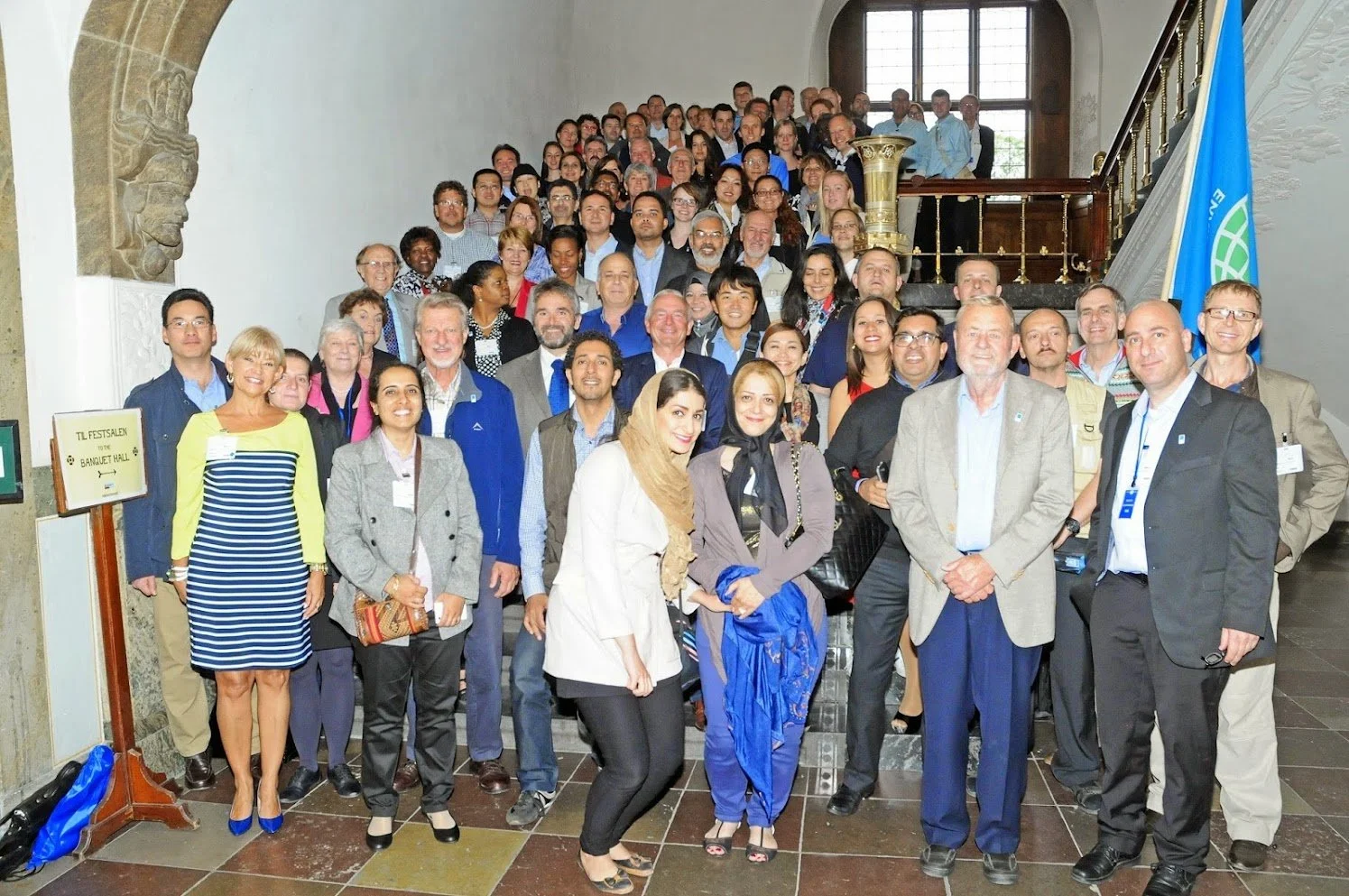
FEE General Assembly 2014
The declaration recognised something that remains profoundly relevant today: environmental challenges cannot be solved through policy or technology alone. They require informed, empowered, and engaged citizens. Environmental education was defined not as a niche subject, but as a lifelong learning process connecting awareness, knowledge, attitudes, skills, and participation.
Three years later, in 1981, the Foundation for Environmental Education (FEE) was established in direct response to this global call.
As FEE marks its 45th anniversary, we are not only celebrating an organisational milestone. We are reflecting on four and a half decades of turning the principles of Tbilisi into practical action and asking what environmental education must become in a world facing climate breakdown, biodiversity loss, rising inequality, democratic fragility, and growing distrust in institutions.
A Movement Built on Education and Action
The Tbilisi Declaration argued that environmental education should help people understand “the complex nature of the natural and the built environments” and equip them with “the knowledge, values, attitudes, and practical skills” needed to solve environmental problems.
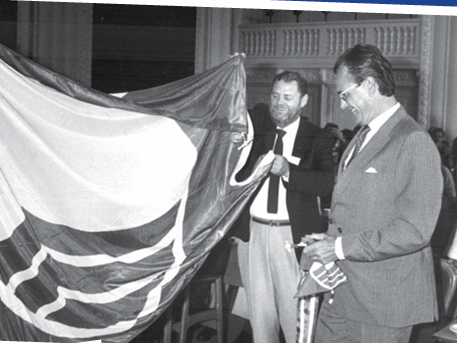
Blue Flag Ceremony in Denmark, 1998. Ole Løvig Simonsen and Prince Henrik of Denmark
FEE was founded to help make that vision real.
Over the past 45 years, FEE has grown from a European initiative into one of the world’s largest environmental education organisations, active across more than 100 countries and engaging millions of learners, educators, young people, tourism operators, municipalities, businesses, and communities every year.
Through programmes such as Blue Flag, Eco-Campus, Eco-Schools, Green Key, LEAF, and Young Reporters for the Environment, FEE has translated abstract principles into everyday practice.
What has distinguished FEE throughout its history is the belief that sustainability is learned through participation, ownership, and lived experience, not only through information transfer.
Students do not simply study environmental problems; they investigate them in their schools and communities. Young people do not only learn communication skills; they report, campaign, and advocate. Tourism operators do not merely commit to standards; they demonstrate environmental responsibility in practice. Municipalities, educators, and local communities become active participants in change rather than passive recipients of guidance, in alignment with the declaration’s principle to emphasise the complexity of environmental problems and thus the need to develop critical thinking and problem-solving skills.
This practical, participatory approach reflects one of the central ideas of the Tbilisi Declaration: that environmental education must connect directly to real life and empower people to act.
From Environmental Education to Education for Sustainability
Over 45 years, the context surrounding FEE’s work has changed dramatically.
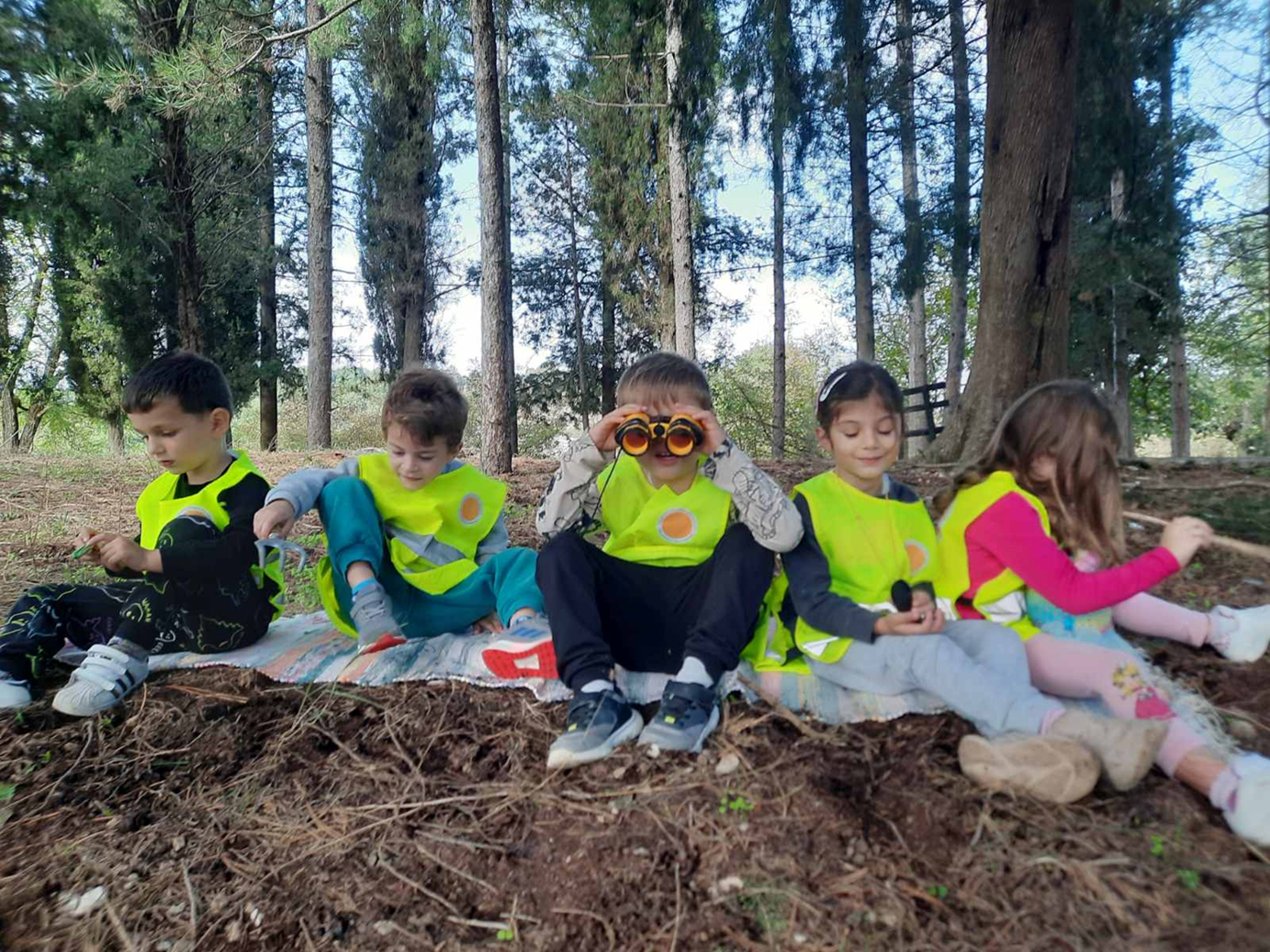
Klimatias Kindergarten, Greece (Eco-Schools programme)
When FEE was founded, environmental education was still emerging as a field. Climate change was not yet central in public discourse. Biodiversity loss had not reached today’s alarming levels. Sustainability reporting, green finance, ESG frameworks, and net-zero commitments did not exist.
Today, environmental education cannot be separated from wider questions of social justice, democratic participation, economic systems, and global resilience.
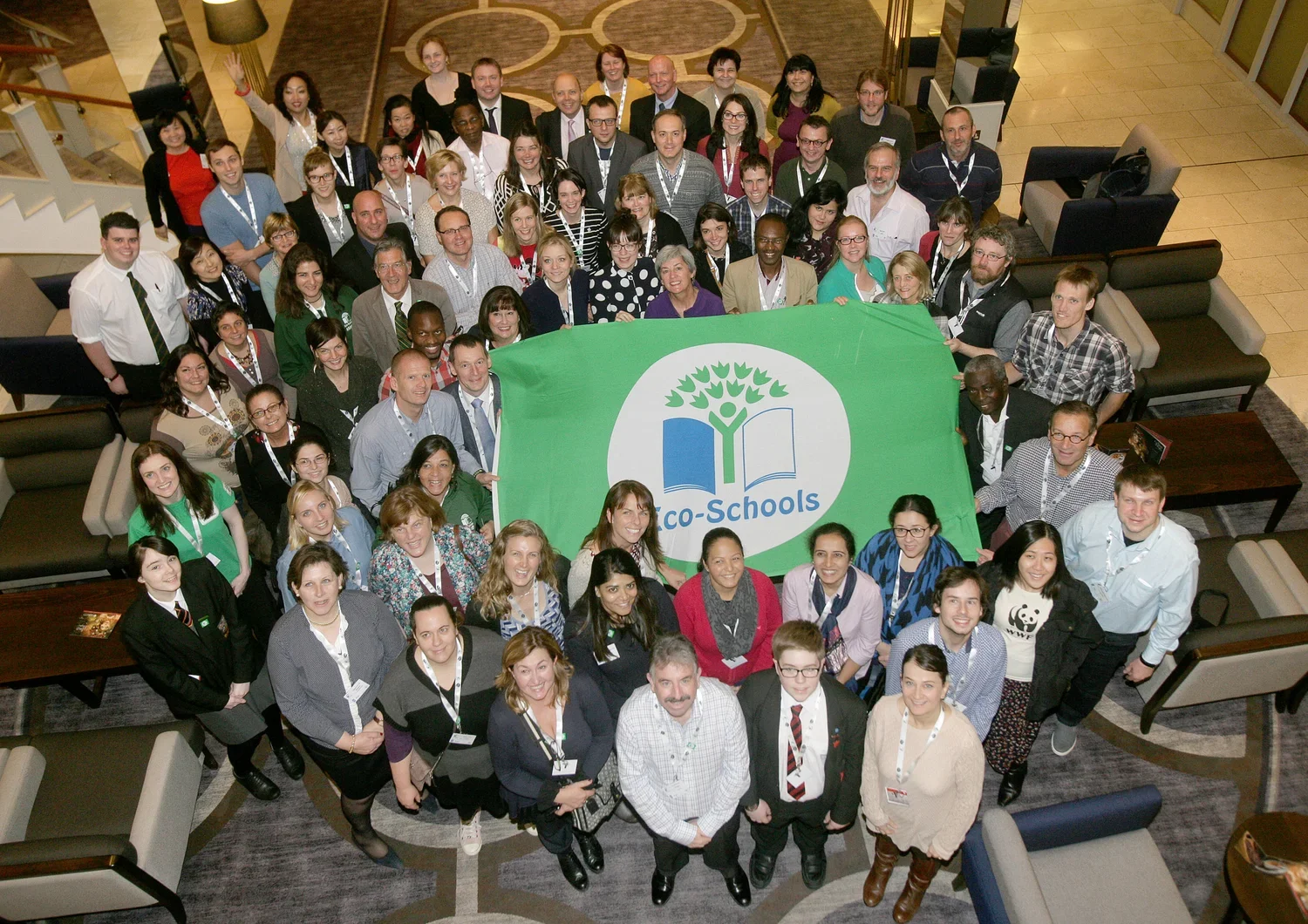
Eco-Schools National Operators Meeting 2015 in South Africa
In many ways, the Tbilisi Declaration anticipated this evolution. It recognised the “economic, political, and ecological interdependence of the modern world” and called for education that fosters responsibility, solidarity, critical thinking, and international cooperation.
FEE’s work has evolved accordingly.
Environmental education has increasingly become education for sustainability — integrating climate action, biodiversity, circular economy thinking, global citizenship, wellbeing, systems thinking, and youth participation. This shift has not been about abandoning environmental education’s roots, but about expanding them to meet a more interconnected reality.
The adoption of the Sustainable Development Goals (SDGs) in 2015 reinforced this broader understanding. The SDGs provided a shared global framework linking environmental sustainability with poverty reduction, health, equity, education, and peace.
FEE and its members have played an important role in localising these global ambitions, helping schools, communities, and tourism stakeholders translate international goals into practical action.
But the SDGs are now approaching their 2030 horizon at a time when progress remains deeply uneven. Many targets are off track. Climate impacts are accelerating. Polarisation and misinformation are undermining trust. Young people increasingly experience eco-anxiety alongside frustration at institutional inaction.
This creates an uncomfortable but necessary question:
What kind of environmental and sustainability education is needed for the next era?
The Next 45 Years
The future demands more than awareness.
The world does not lack information about environmental crises. It lacks sufficient collective capacity to respond at the speed and scale required.
That means education must increasingly focus on agency, resilience, systems thinking, collaboration, civic participation, and the ability to navigate complexity and uncertainty.
It also means confronting difficult tensions honestly.
Sustainability education cannot become performative or reduced to branding. It cannot rely on optimism detached from reality. Nor can it assume that behavioural change alone will solve structural problems.
At the same time, despair is not a strategy.
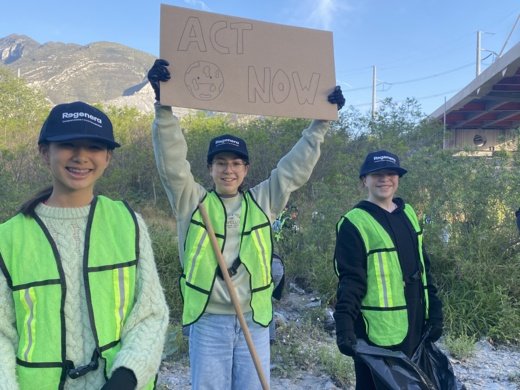
San Roberto International School, Mexico
FEE’s experience over 45 years demonstrates that people are far more likely to act when they feel connected, capable, and part of something larger than themselves. This is especially true for young people.
The next phase of environmental education must therefore balance urgency with empowerment and investments to scale it up. It must help learners in formal and informal settings understand risks without freezing them. It must strengthen democratic participation and critical thinking at a time when both are under pressure. And it must remain grounded in action, community, and hope that is earned through meaningful engagement rather than rhetoric.
These questions will shape FEE’s next strategic chapter.
As global discussions increasingly turn toward what comes after the SDGs, FEE also has an opportunity and responsibility to help shape the future of sustainability education itself.
The challenges ahead are complex, but the core insight from Tbilisi remains remarkably durable: education is not peripheral to sustainability transitions. It is foundational that impacts all drivers – citizens, policy, economy etc.
As FEE enters its next chapter, we invite educators, young people, tourism stakeholders, policymakers, and communities to join us in shaping the future of sustainability education. Because the transition to a more sustainable world will depend not only on what we know, but on how we act together.
Forty-five years after FEE’s founding, that mission remains as urgent as ever.
FEE Featured in Landmark UN Ocean Literacy Publication
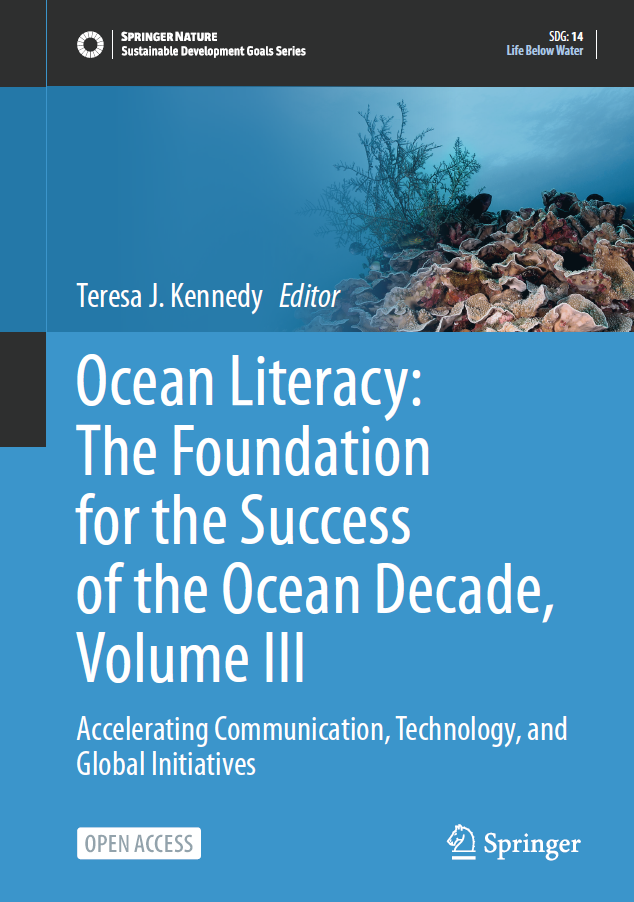
FEE is proud to contribute to Ocean Literacy: The Foundation for the Success of the Ocean Decade, Volume III – Accelerating Communication, Technology, and Global Initiatives, a major new open-access publication from Springer Nature exploring how education, communication, and global collaboration can strengthen society’s relationship with the Ocean.
In Chapter 20, FEE’s Johann Durand and Lee Wray-Davies highlight how FEE’s network is helping communities worldwide move from awareness to action through environmental education, citizen science, youth engagement, and hands-on learning.
Bringing together more than 90 contributors from 25 countries and regions, this free volume showcases how innovative communication, technology, and international partnerships are accelerating Ocean Literacy during the UN Decade of Ocean Science for Sustainable Development.
Building lesson plans with Didactic Bricks
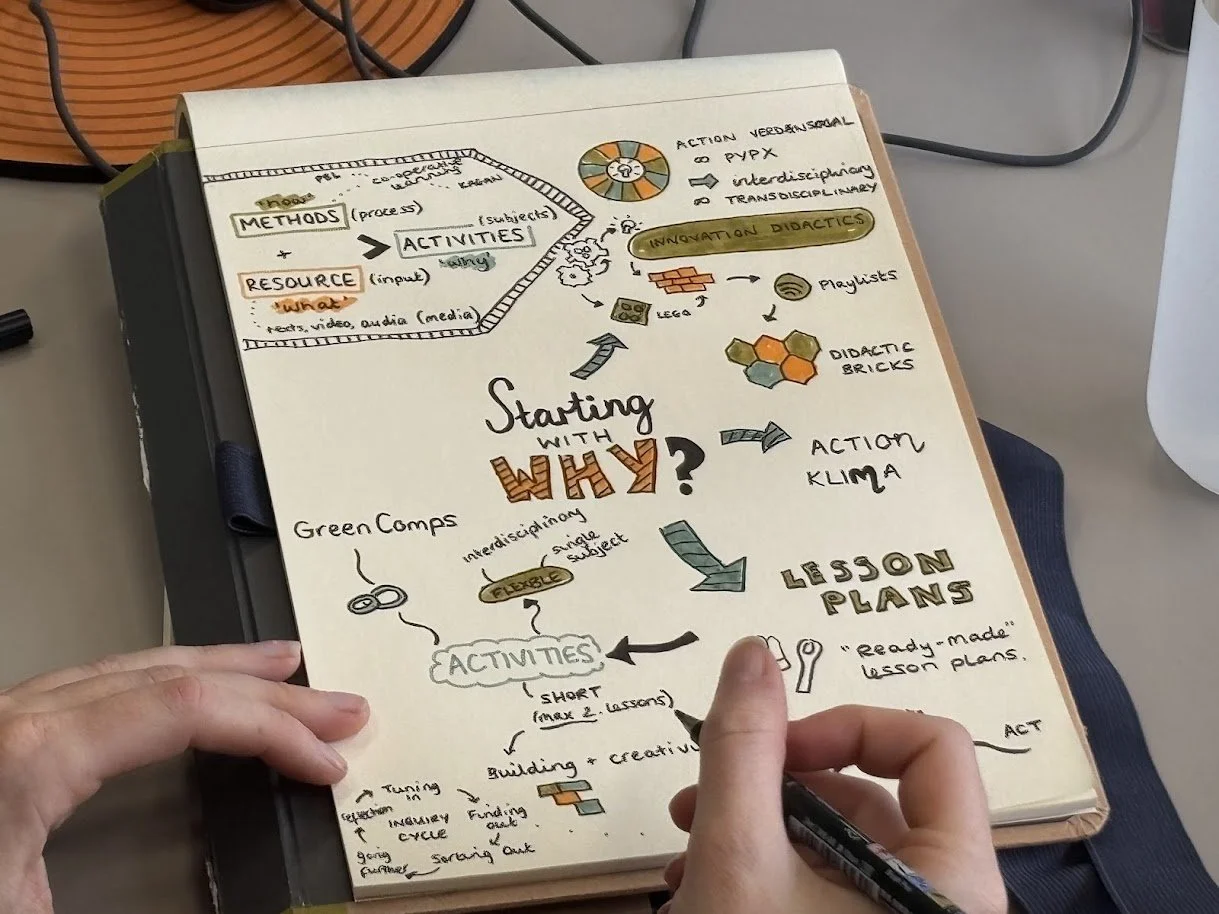
A digital tool for educators to embed sustainability in teaching
Didactic Bricks is a new adaptable and tailorable teaching tool designed to make lesson planning for Education for Sustainable Development (ESD) more accessible, flexible and impactful.
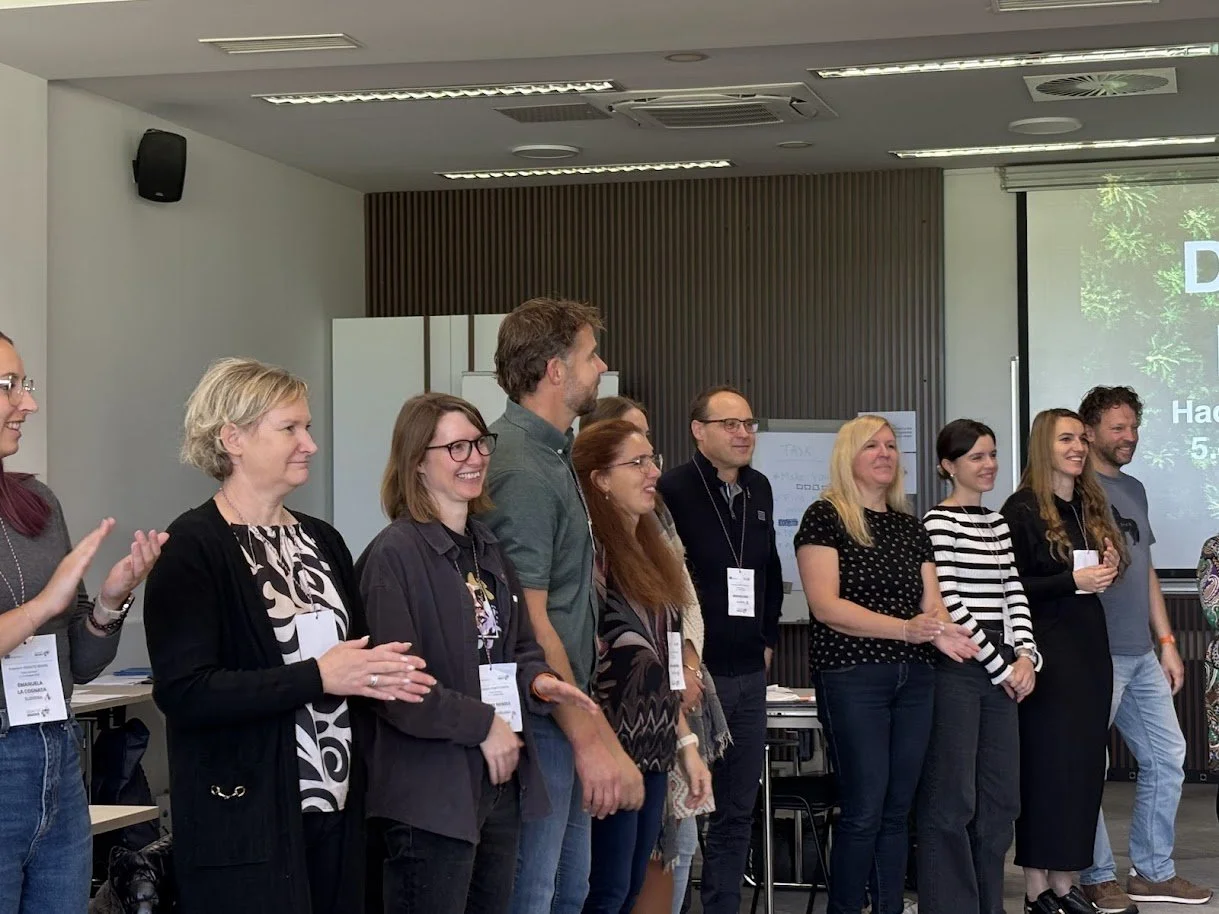
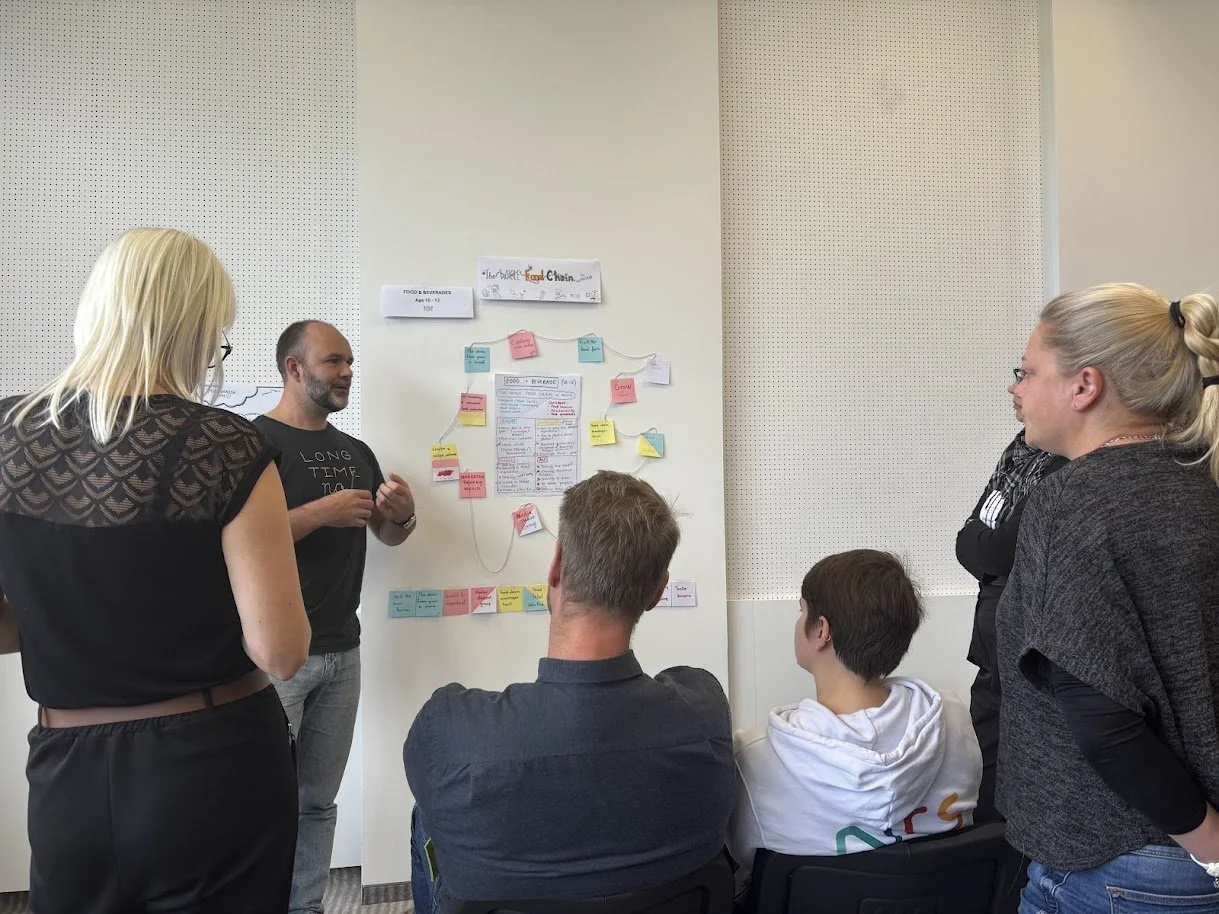
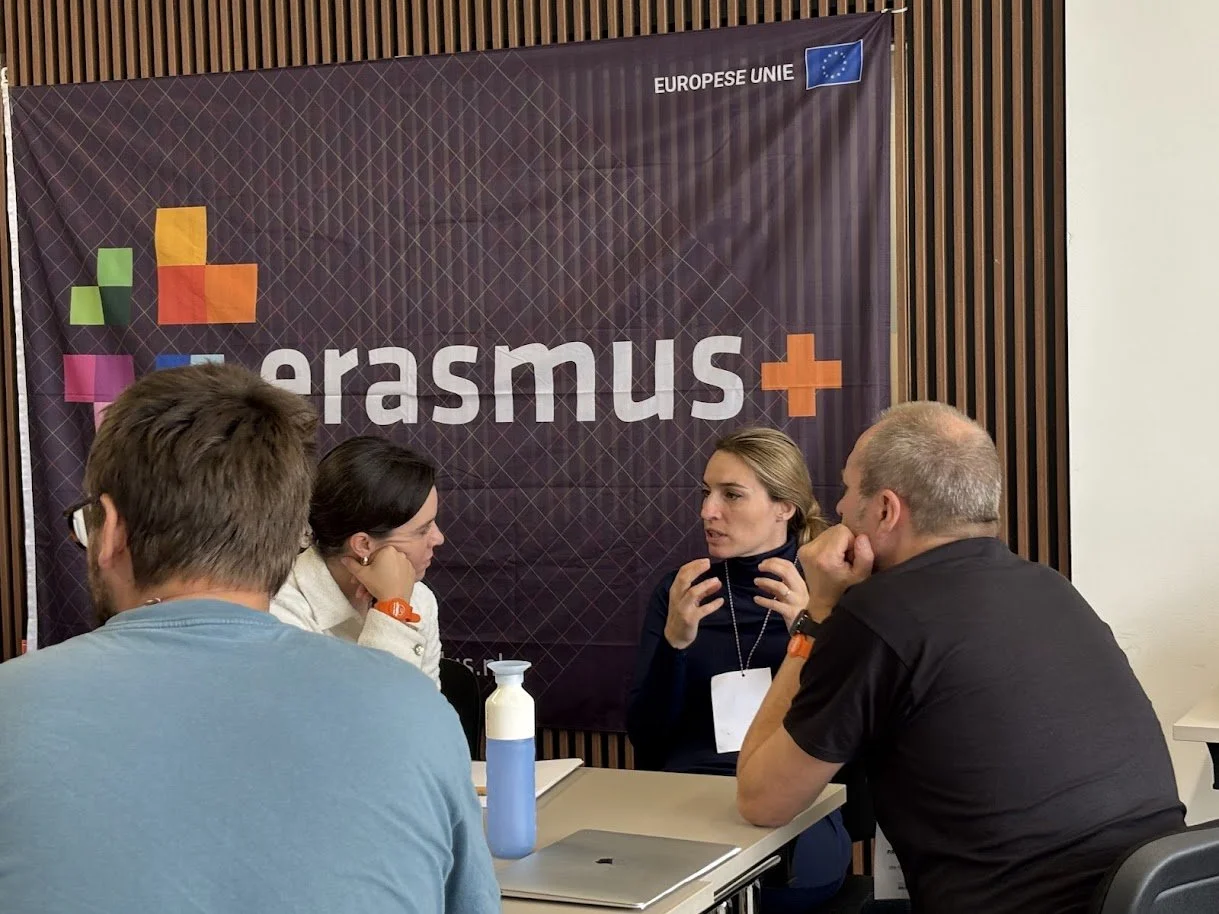
Developed through a collaborative Erasmus+ initiative, the project brings together six partner organisations and educators from Slovenia, Denmark and the Netherlands. Built with and by teachers, Didactic Bricks is grounded in first-hand classroom experience and responds directly to educators’ needs.
Through collaboration, testing and co-creation, partners and teachers have worked together to imagine and build the Didactic Bricks prototype, ensuring it is both practical and inspiring for everyday teaching.
For more information about Didactic Bricks, visit here
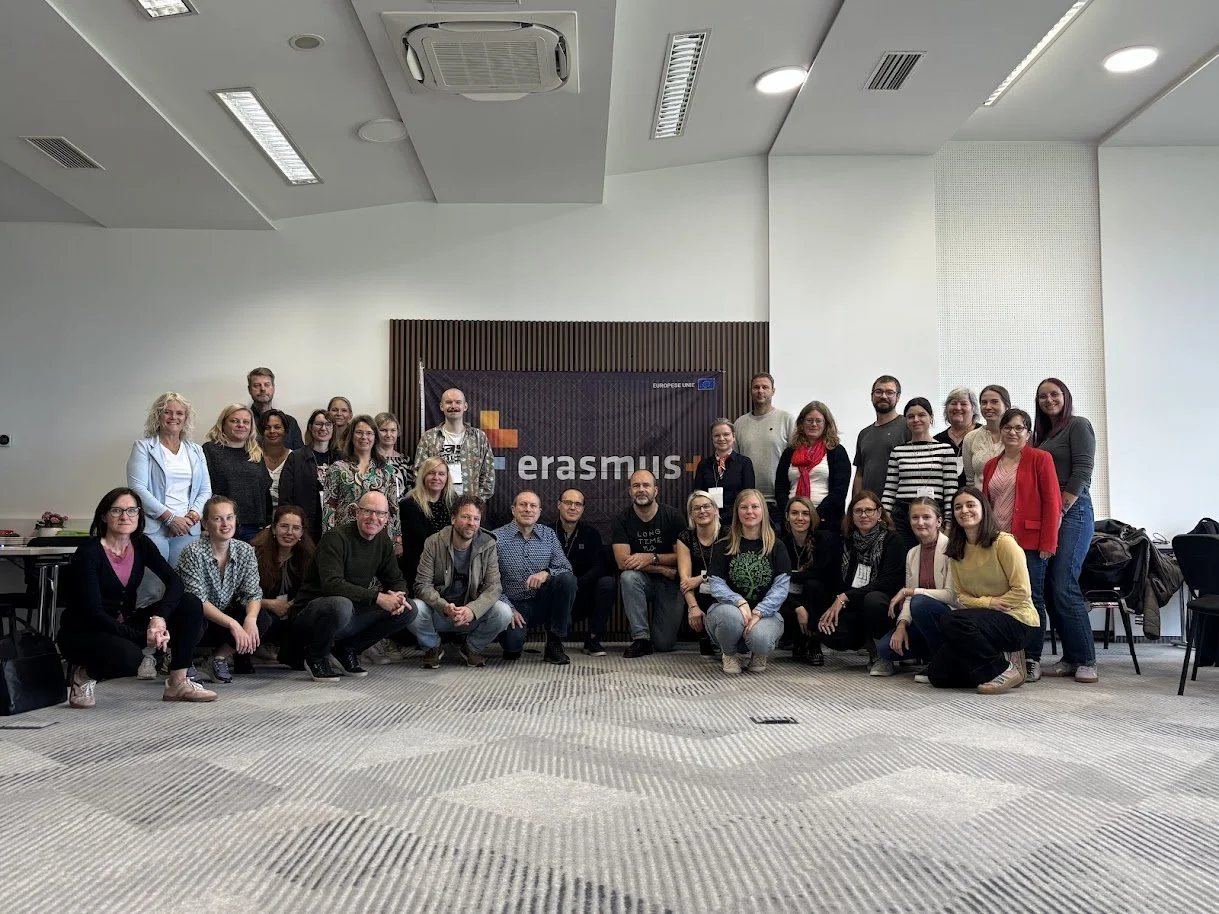
Who is behind this project?
This is a collaborative, Erasmus+ initiative led by:
Foundation for Environmental Education (FEE) – one of the world's largest environmental education organisations, with over 110 member organisations in 85 countries and 5 environmental education programmes including Eco-Schools
&LEARNING – initiator and co-developer of the bricks concept in Denmark
Društvo DOVES - FEE Member organisation in Slovenia
Duurzame PABO – teacher educator network in The Netherlands
Stichting Technotrend – experts in “didactics of hope” and ESD materials, The Netherlands
Leren voor Morgen – cooperative of 170+ organisations supporting ESD in The Netherlands
30 Years of Eco-Schools in Slovenia: Empowering the Next Generation
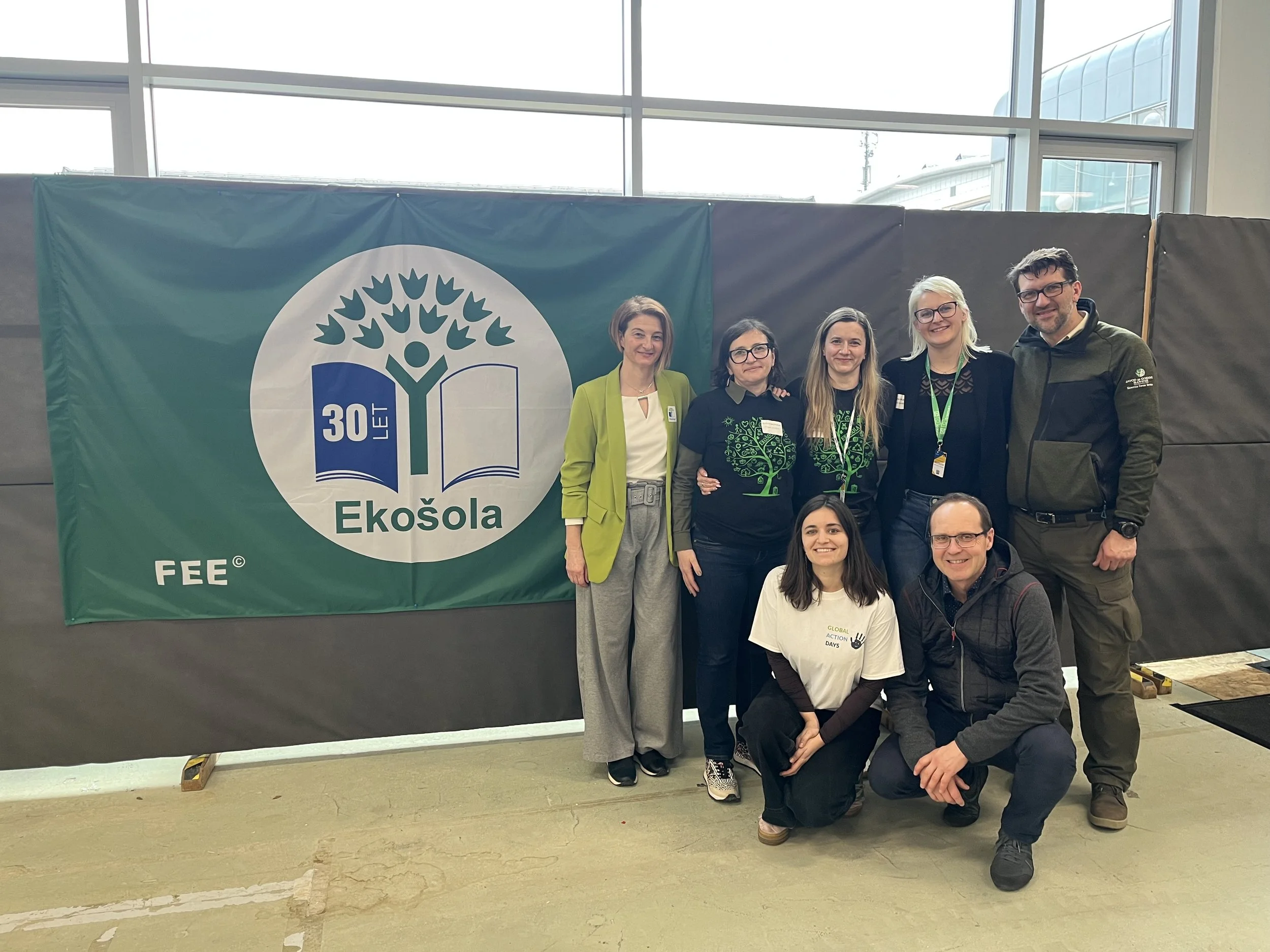
This year marks a major milestone for environmental education in Slovenia, as DOVES celebrates 30 years of implementing the Eco-Schools programme.
Since 1996, Eco-Schools in Slovenia has grown into a powerful movement, engaging thousands of students and educators in meaningful action for sustainability. From classrooms to communities, the programme has supported young people in developing the knowledge, skills, and values needed to shape a more sustainable future.
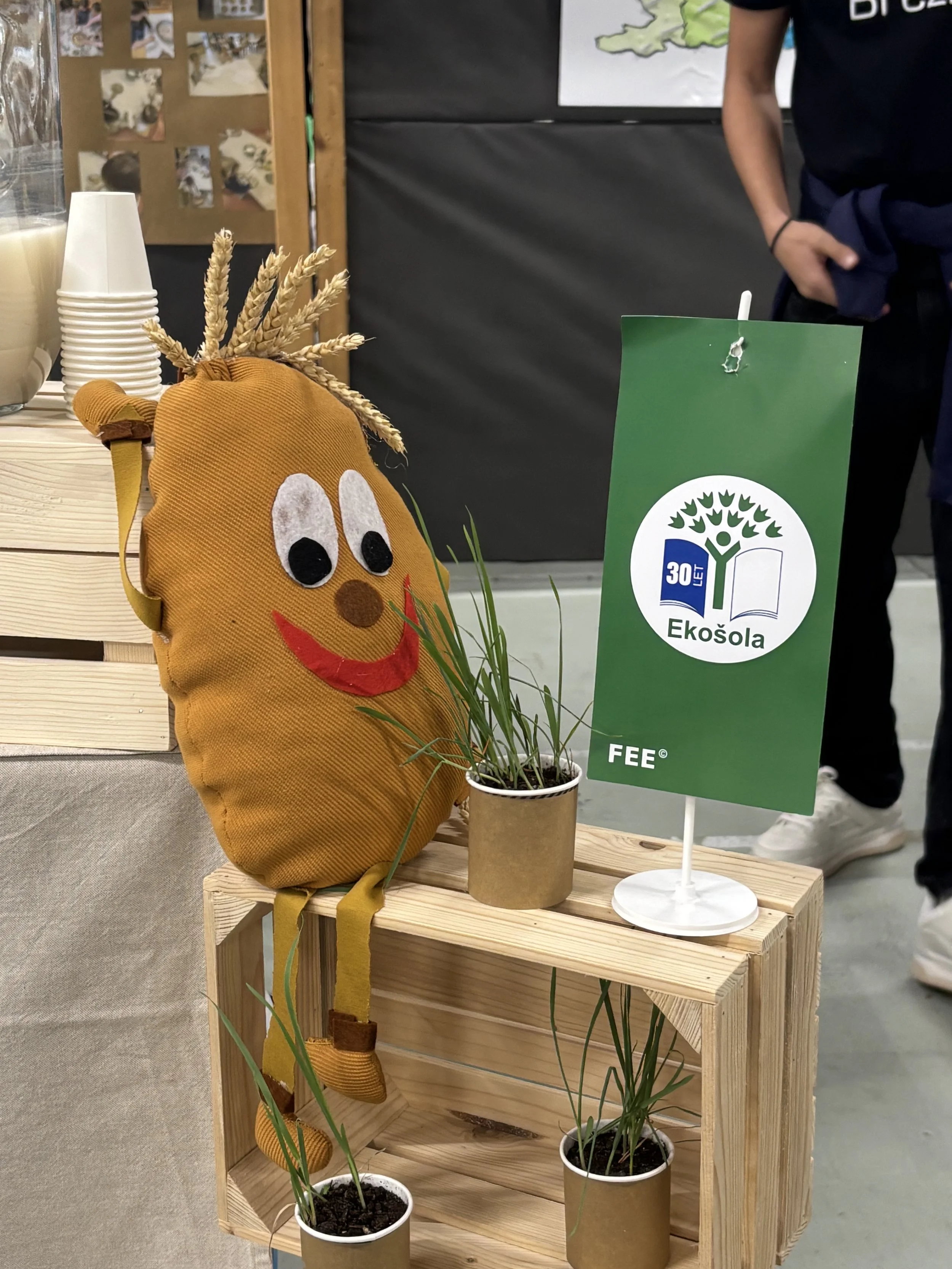
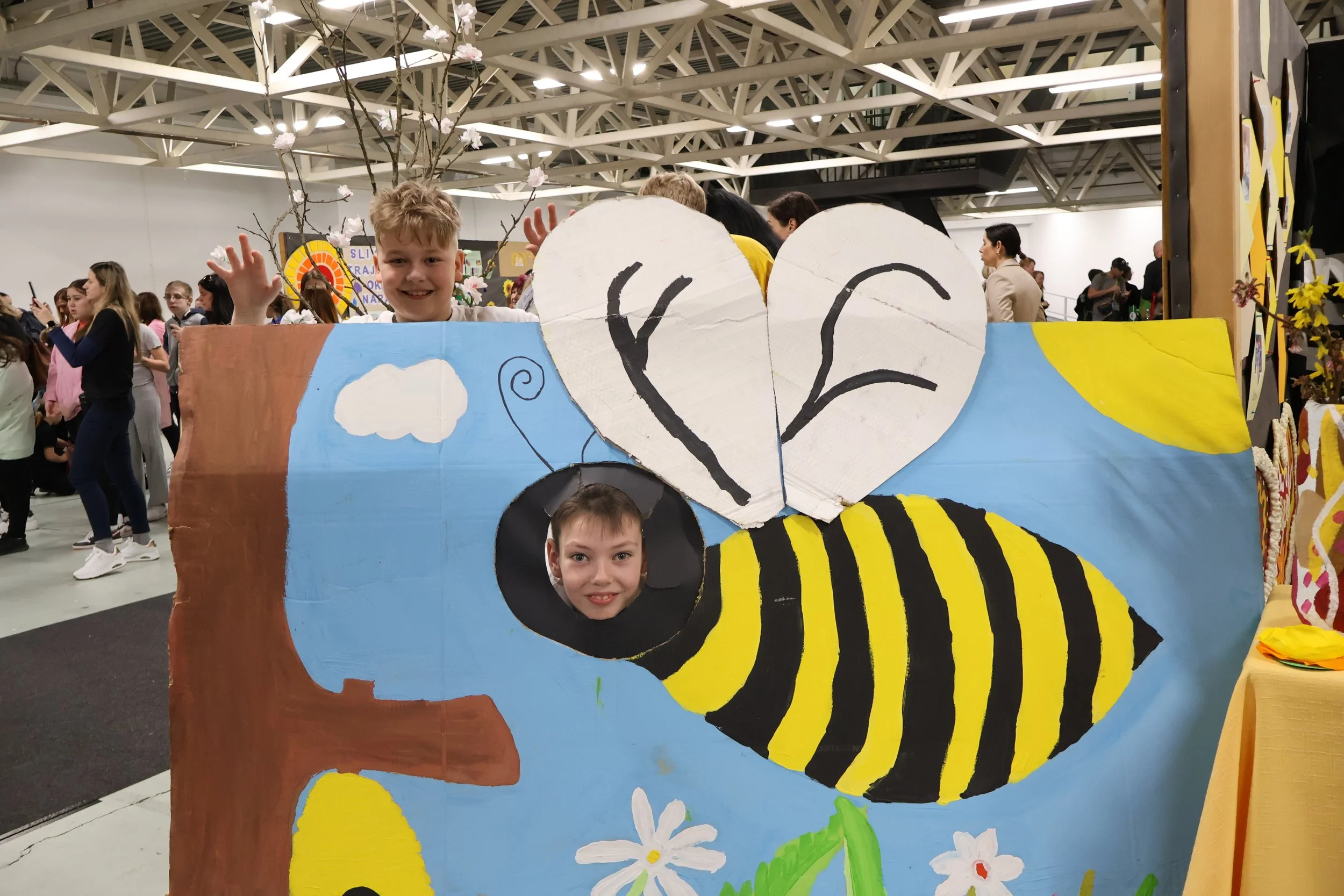
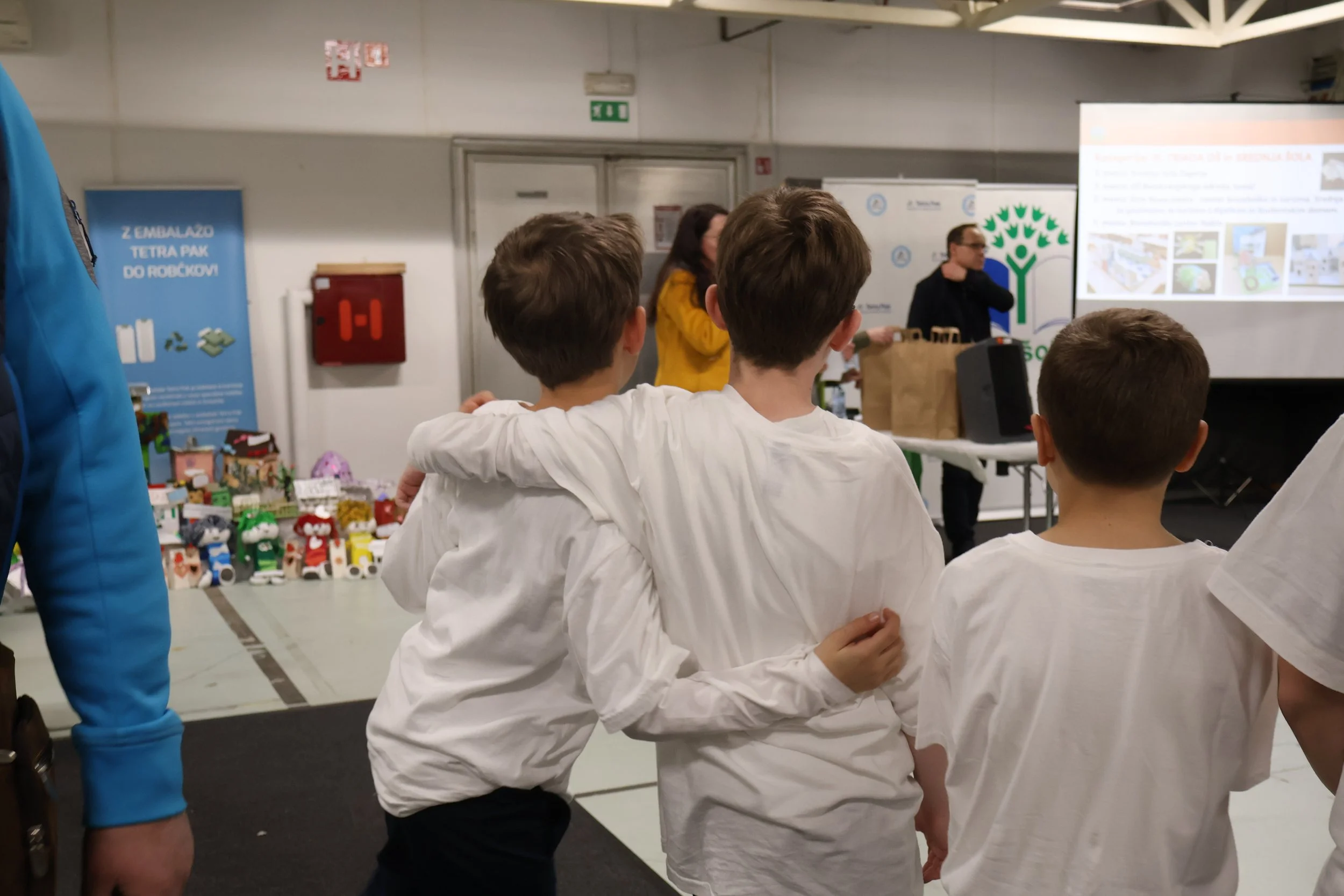
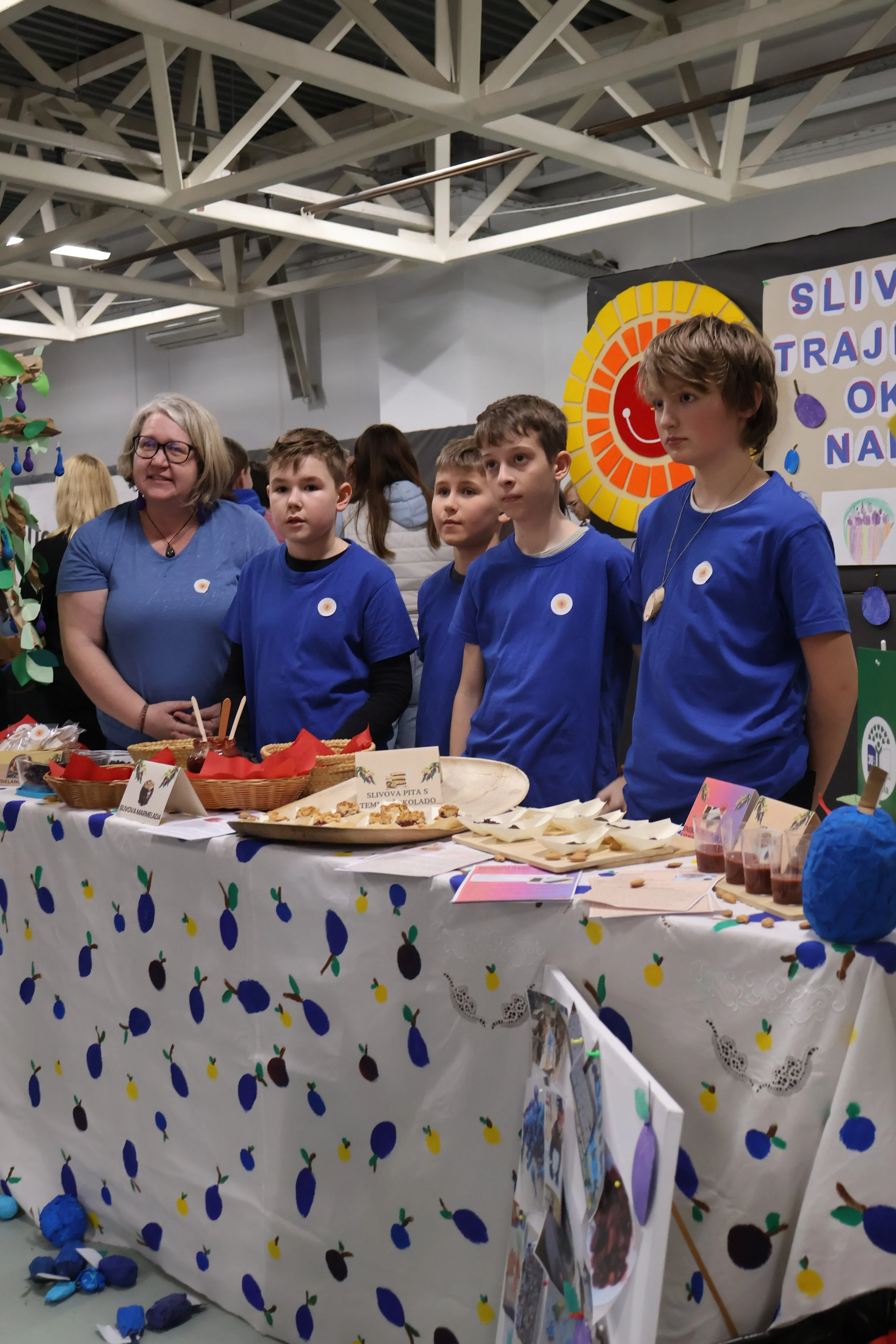
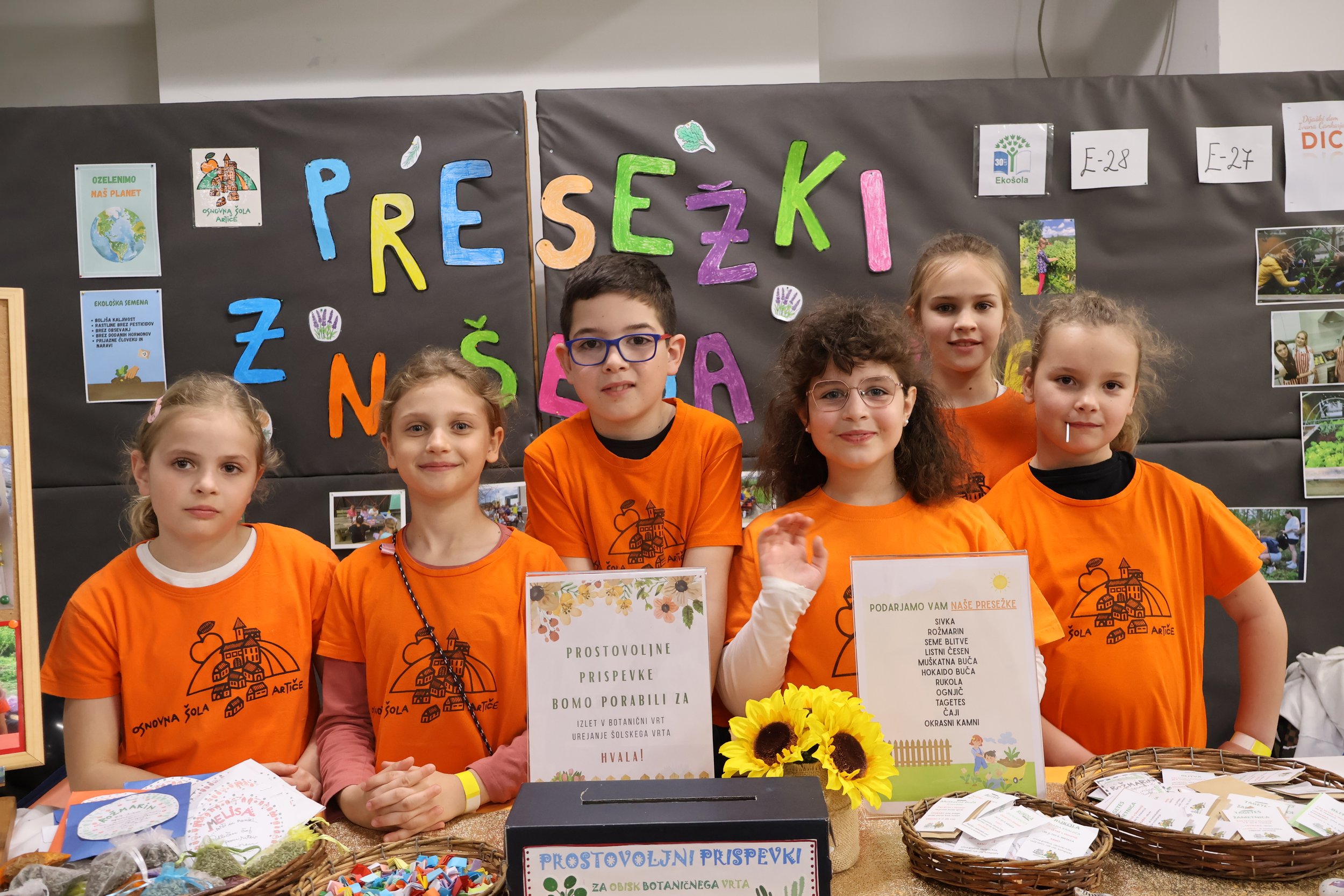
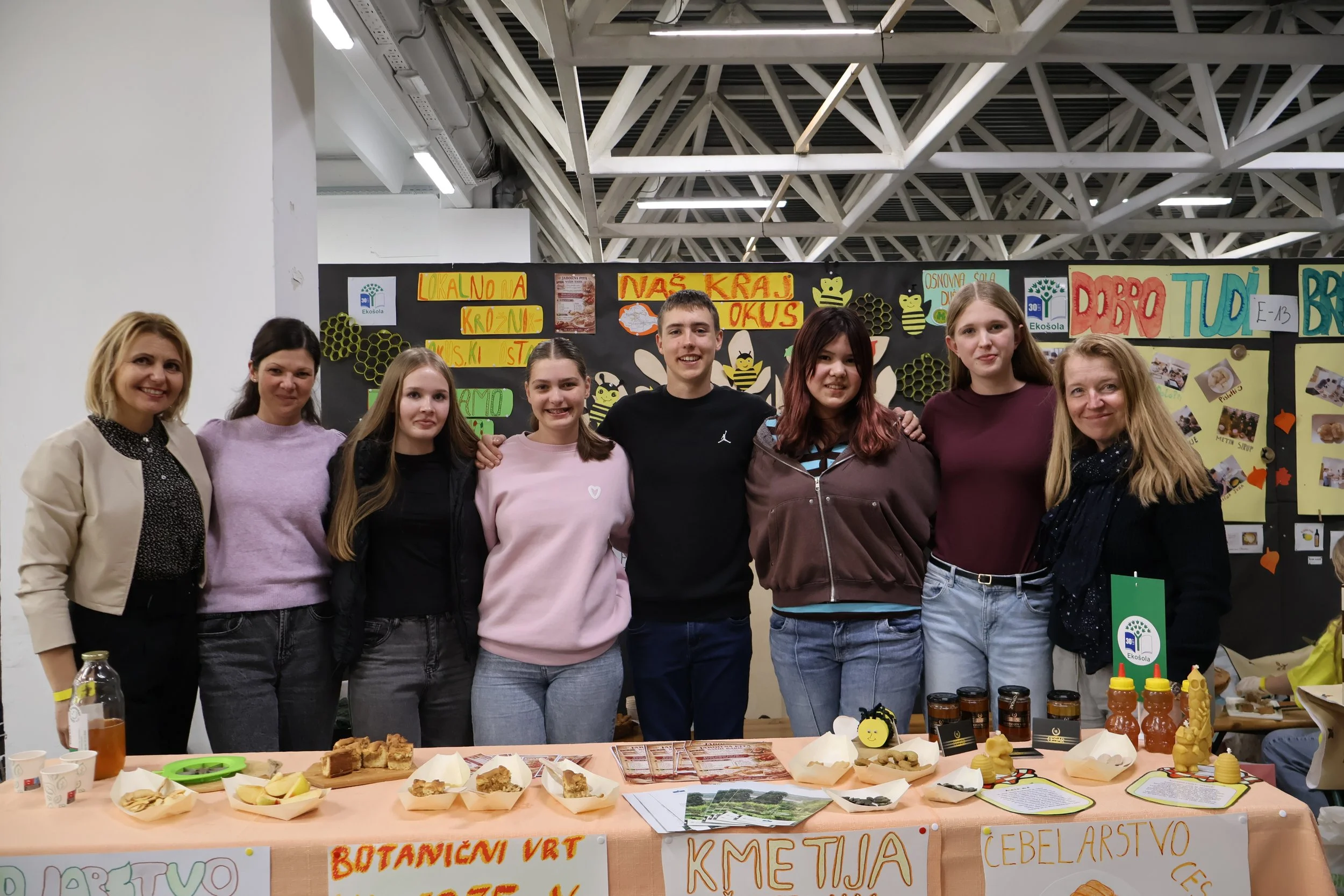
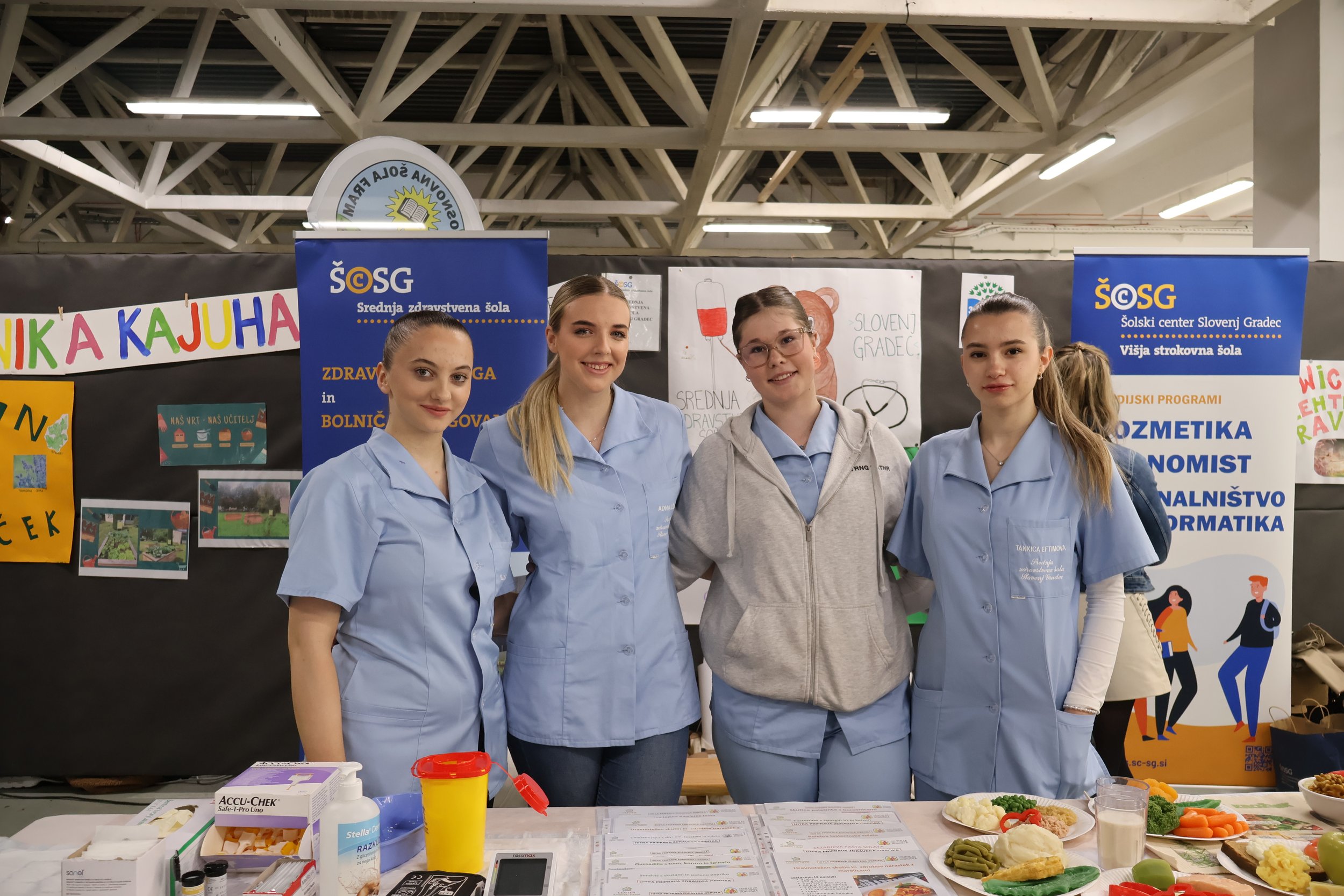
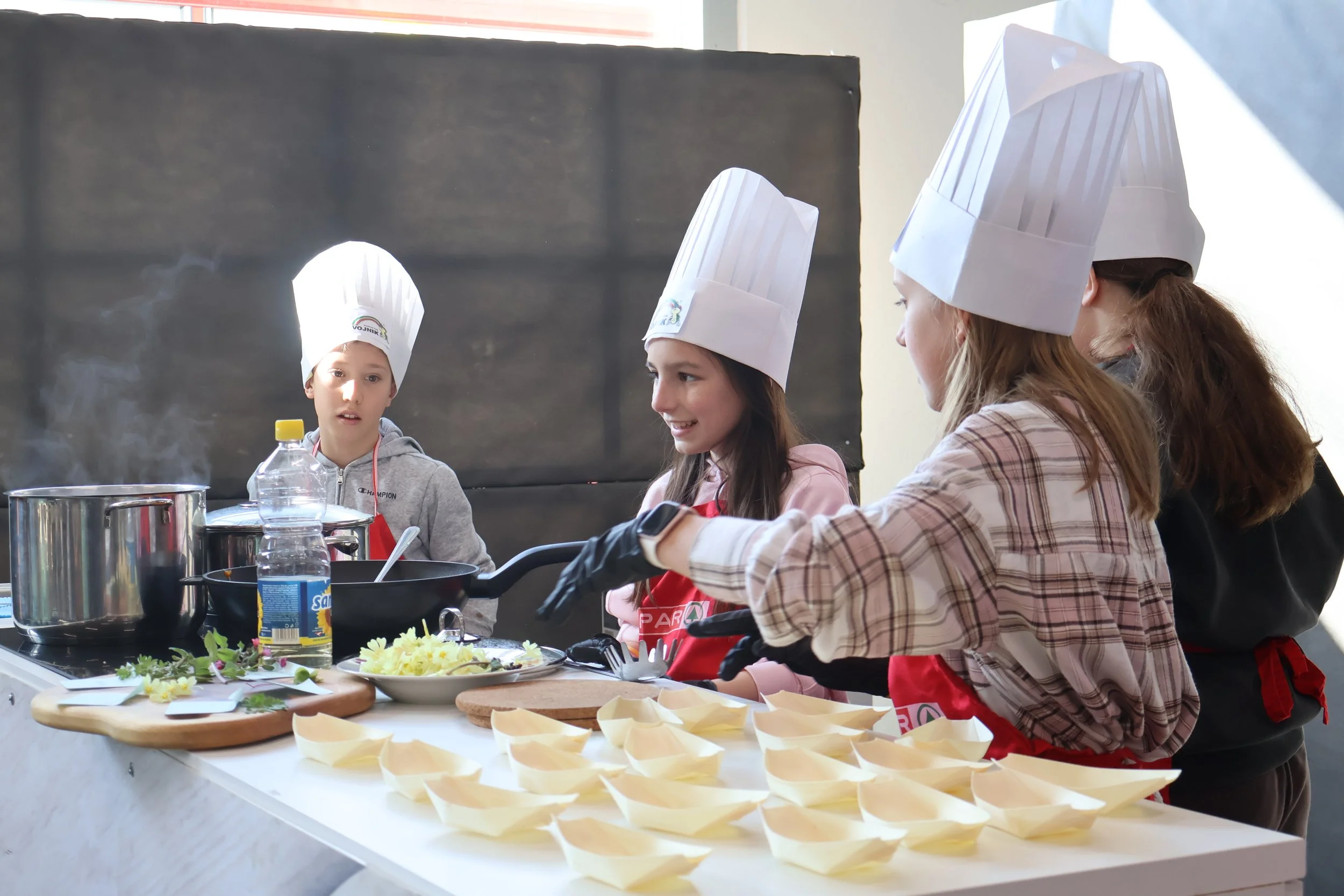
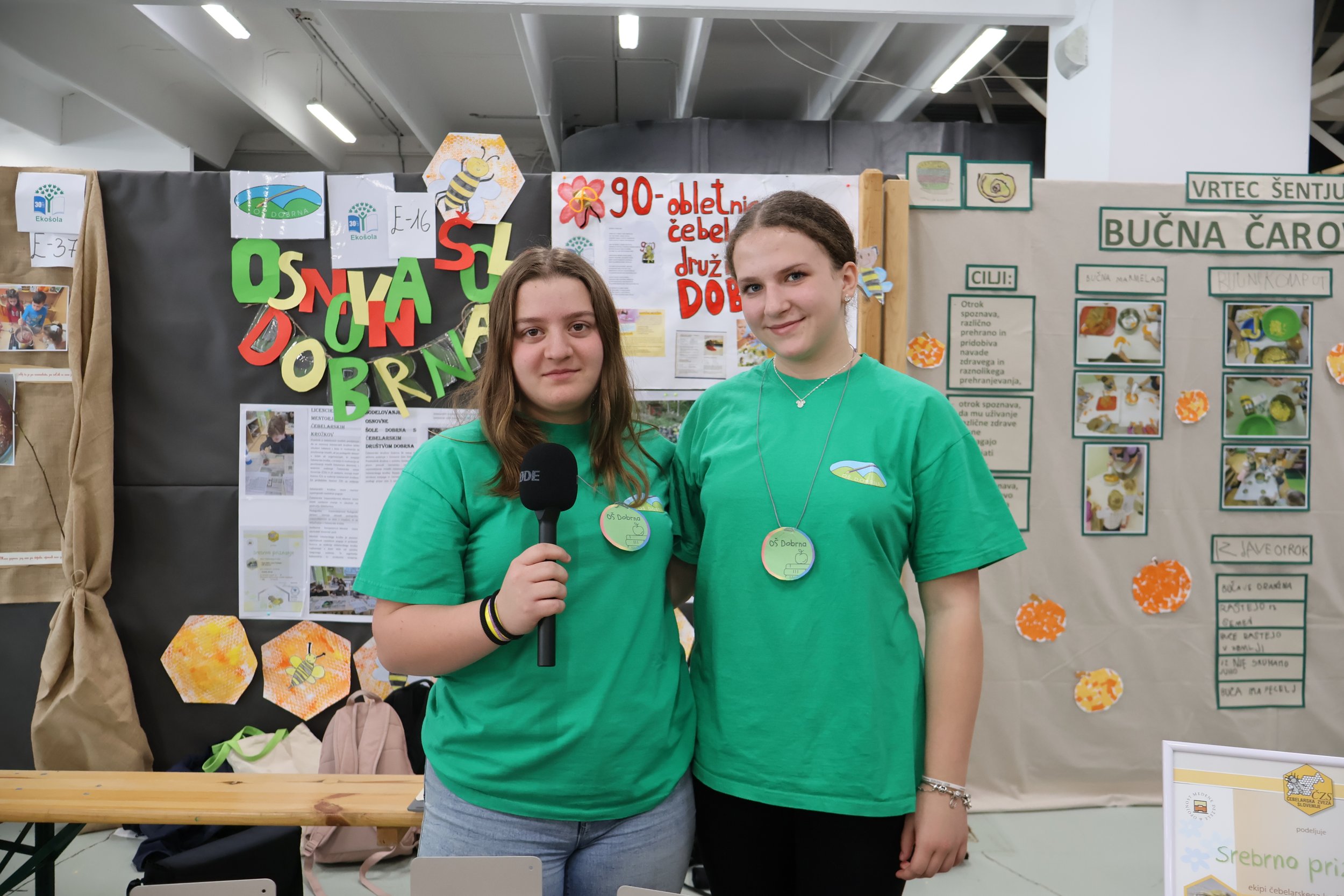
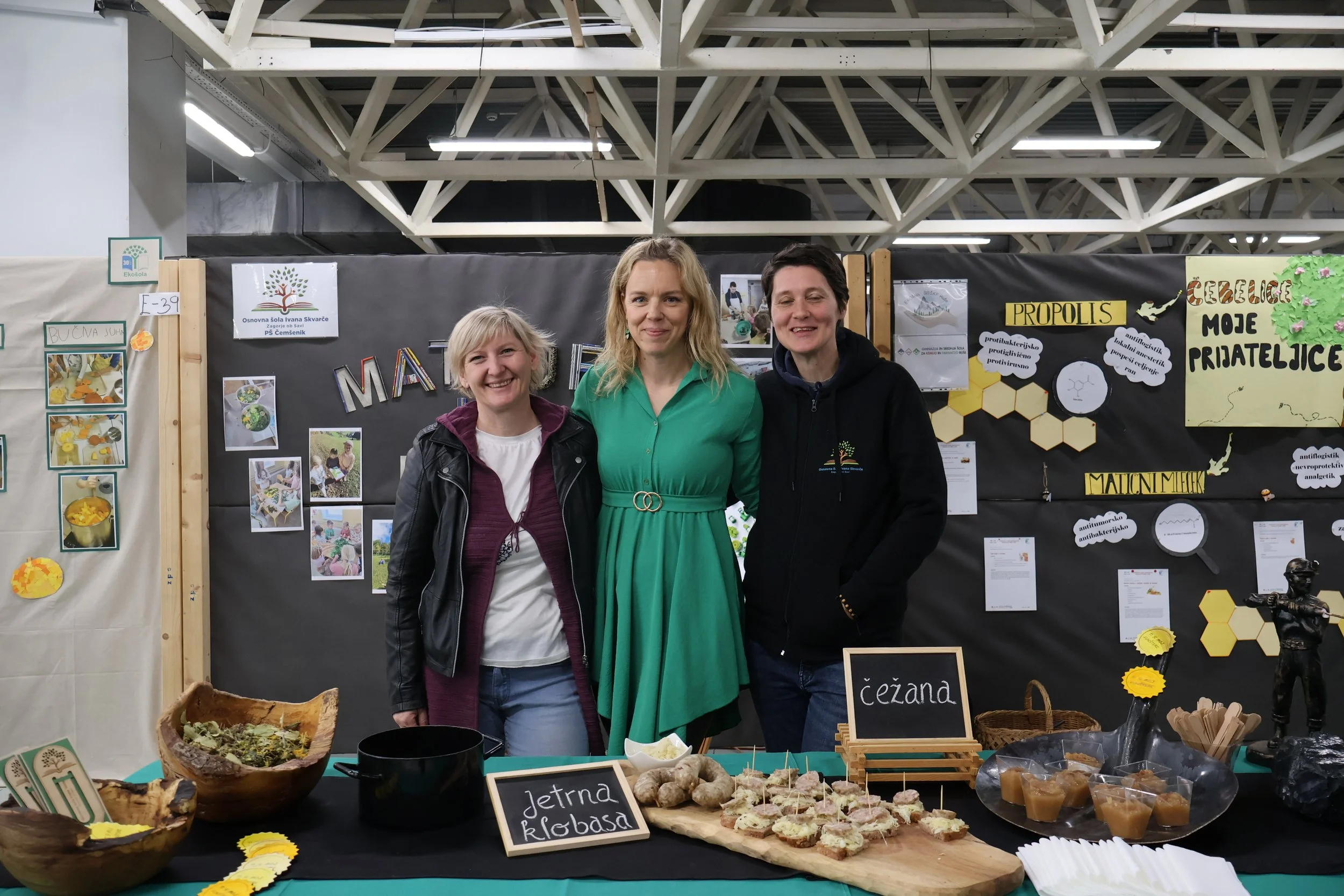
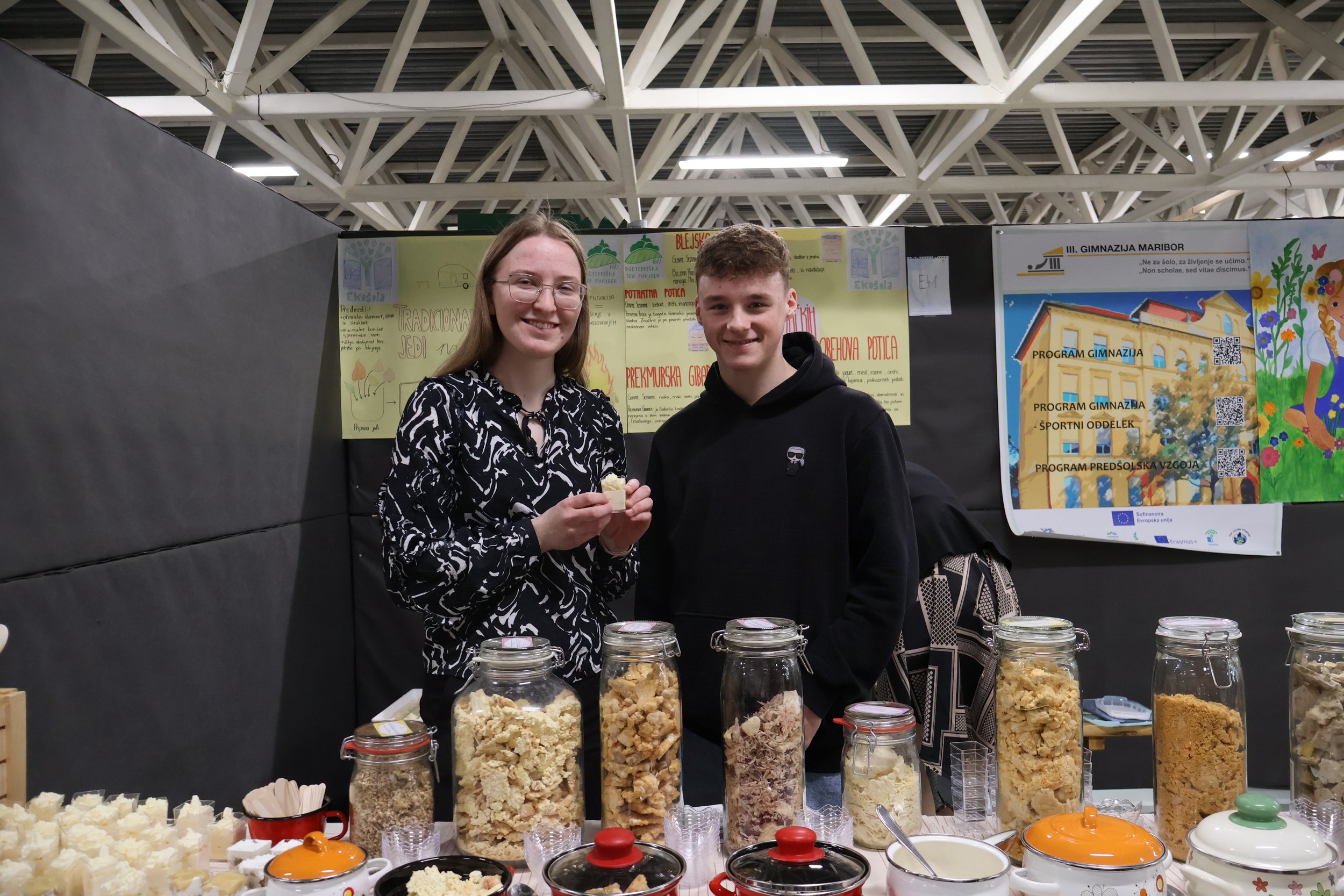
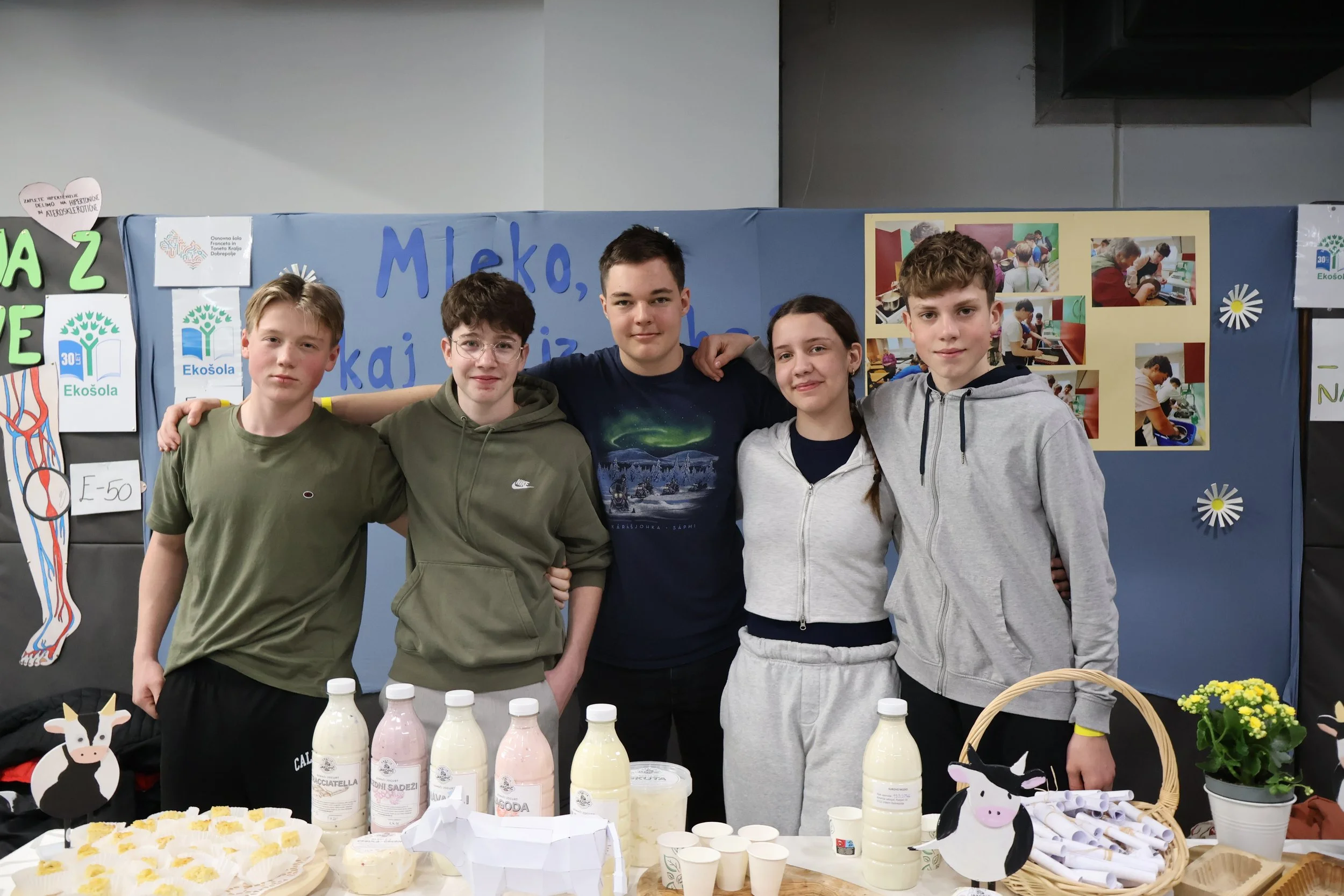
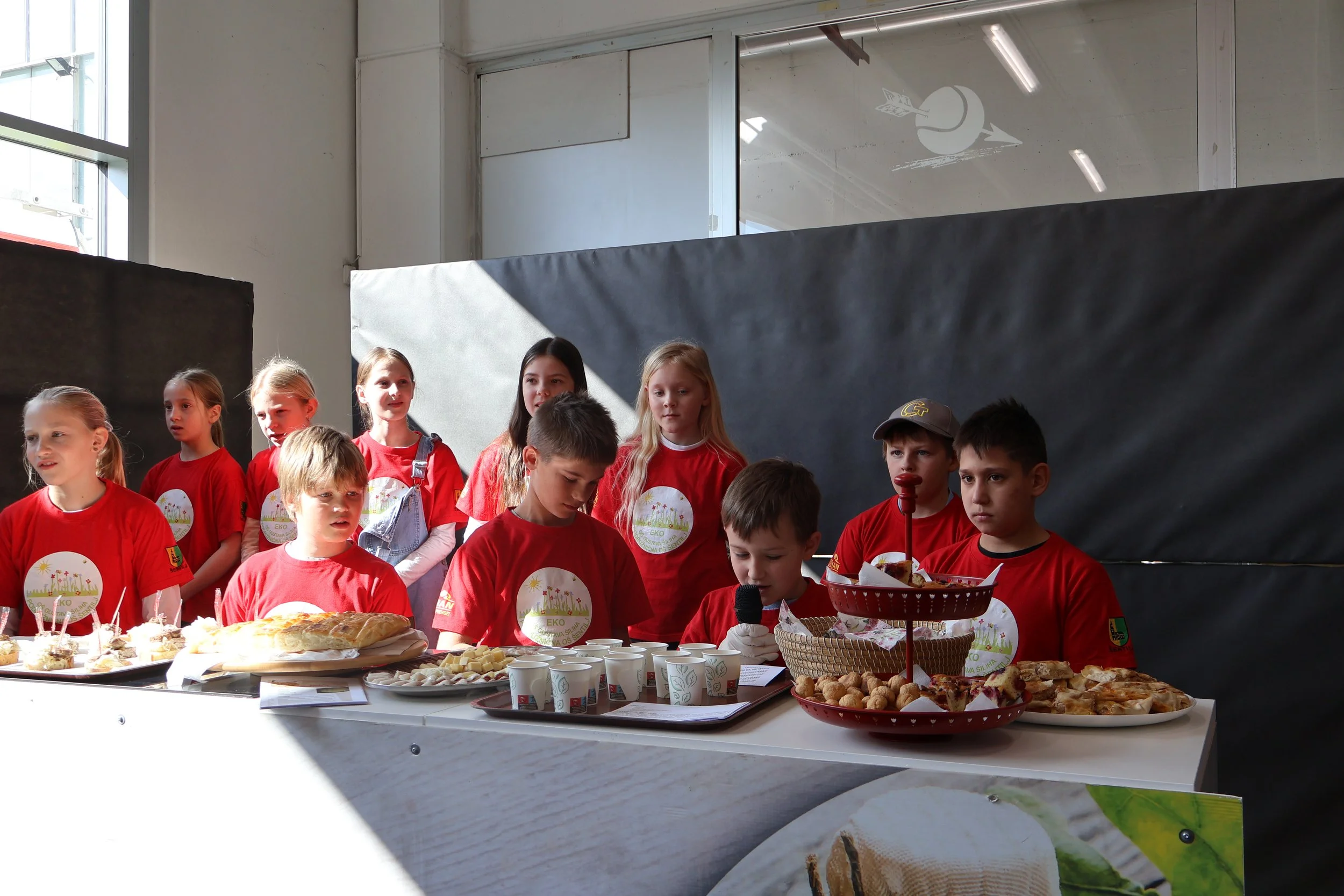
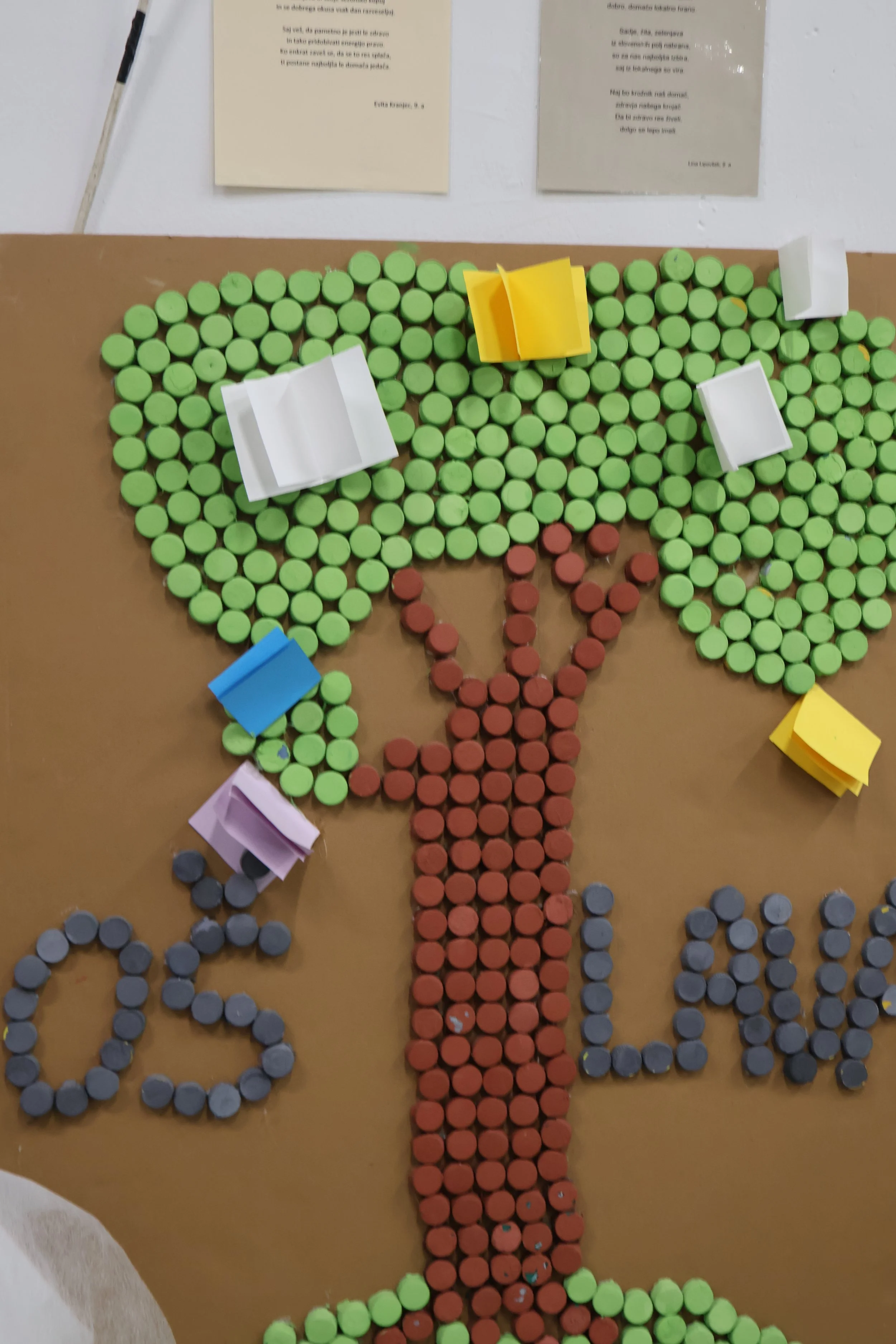
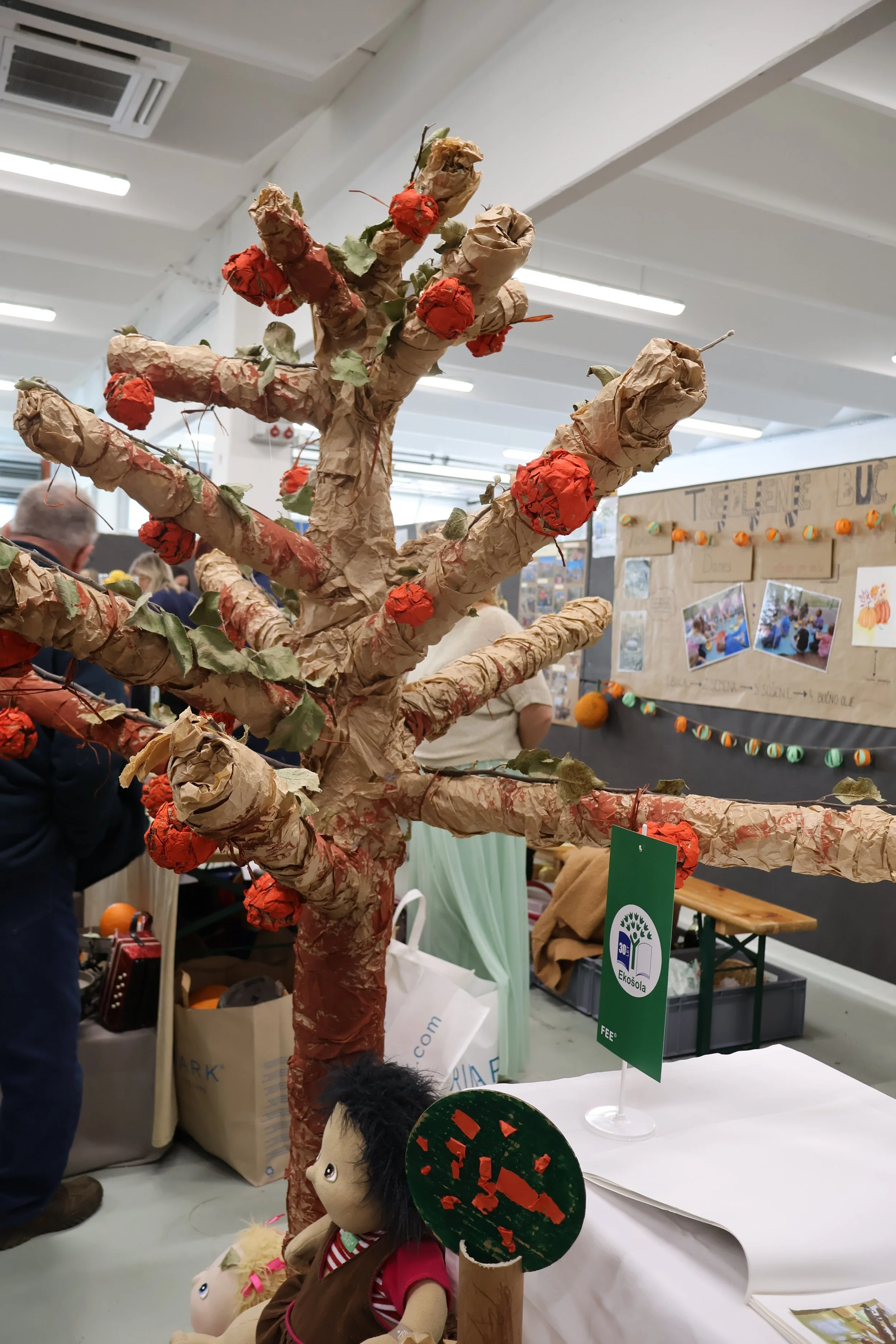
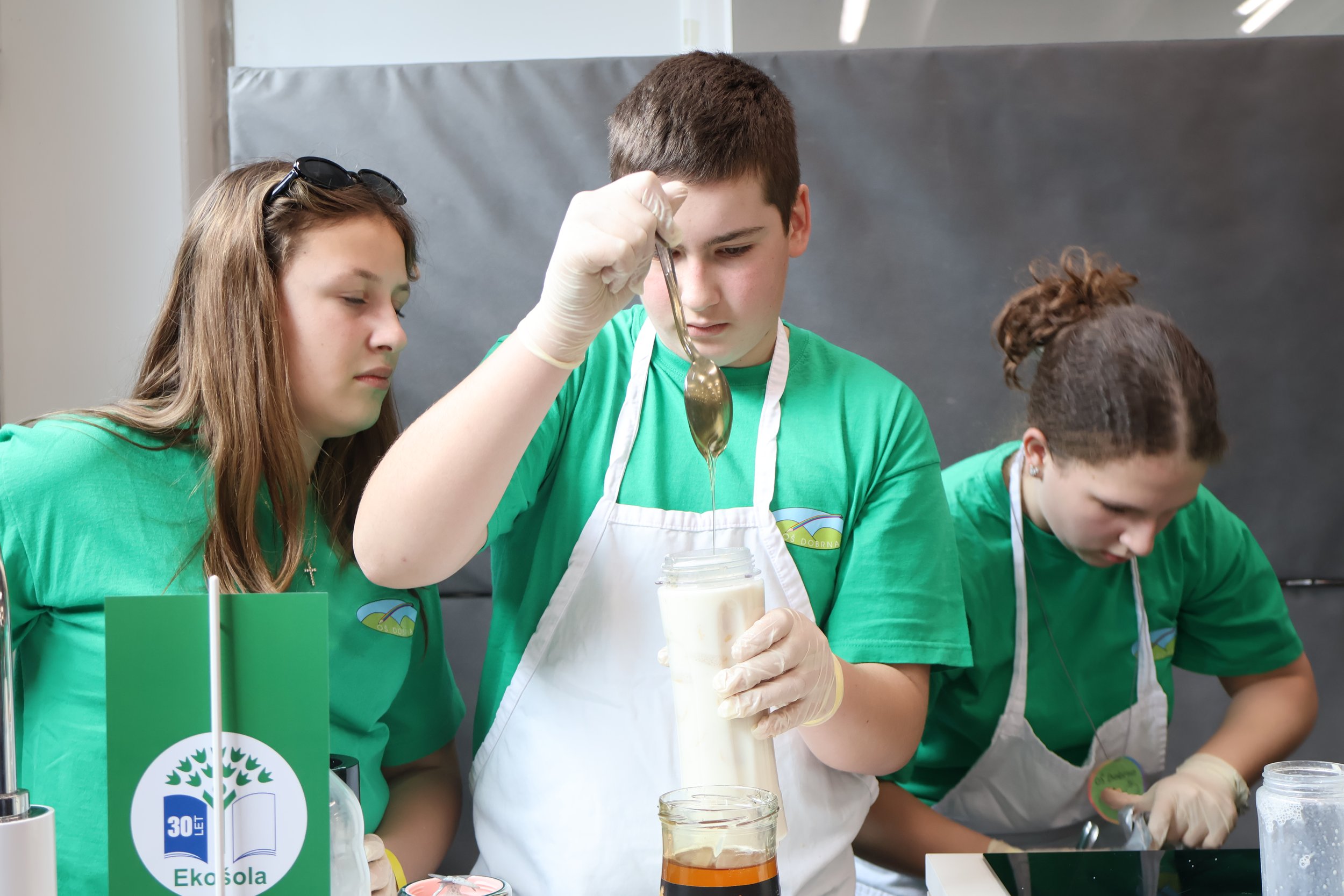
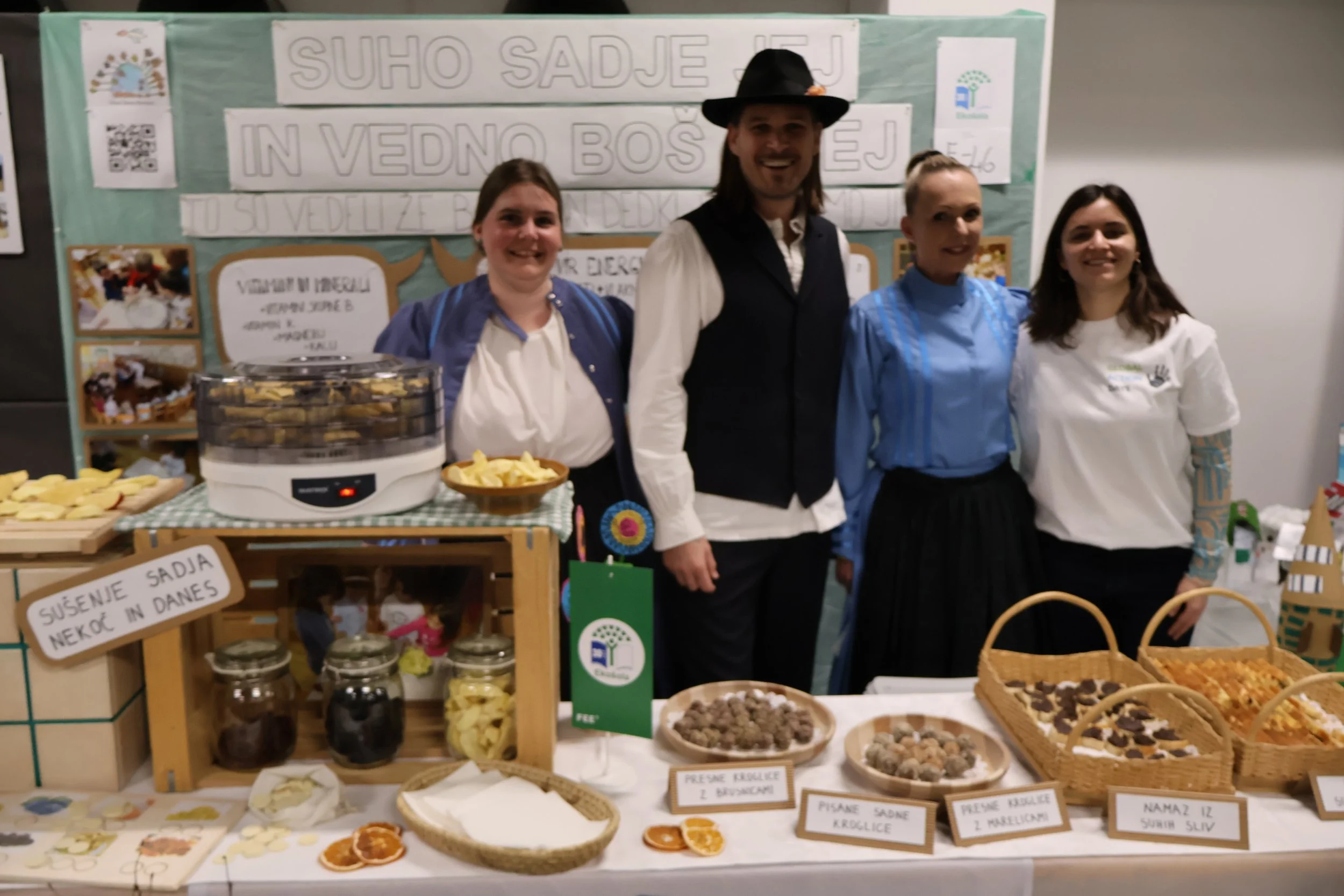
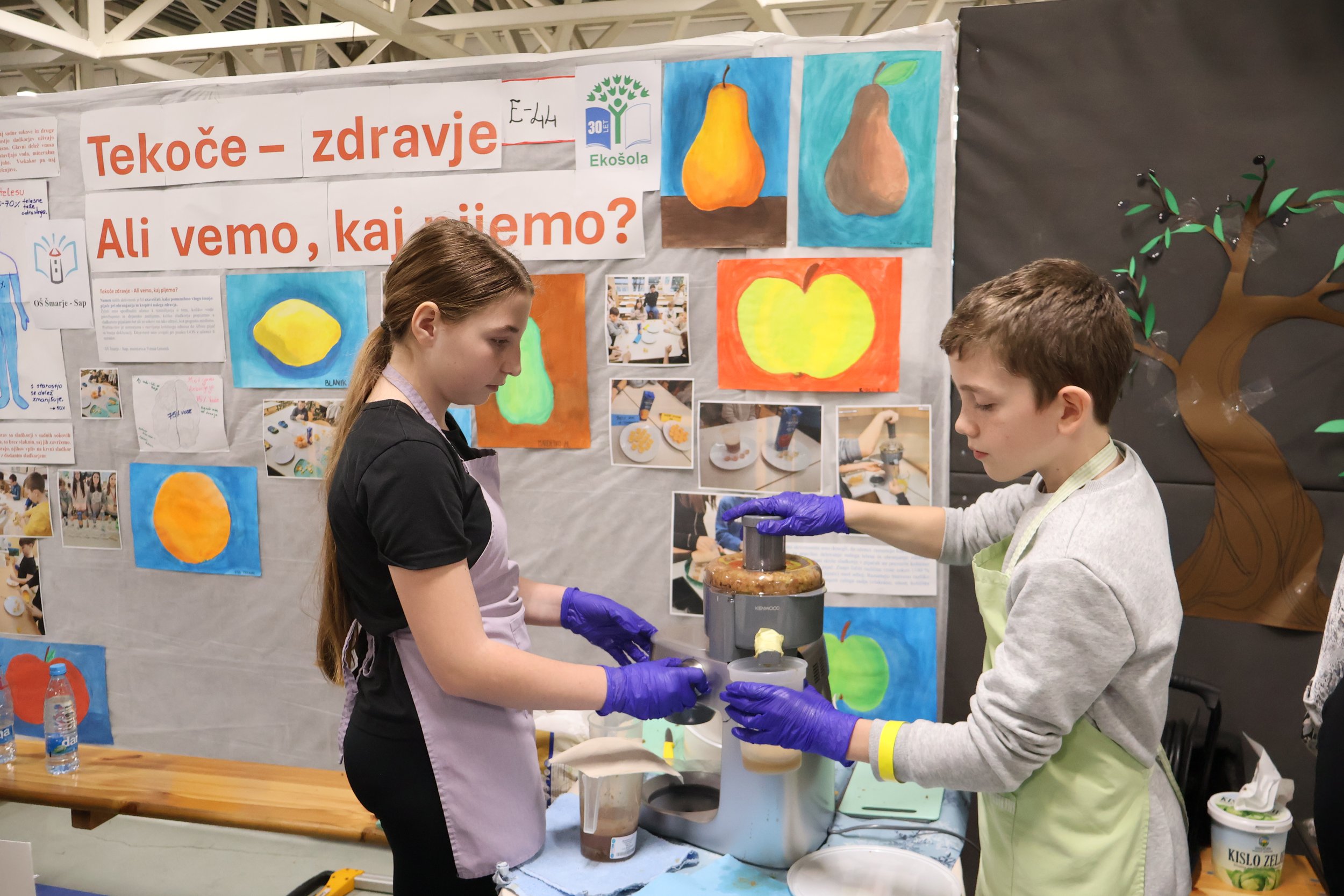
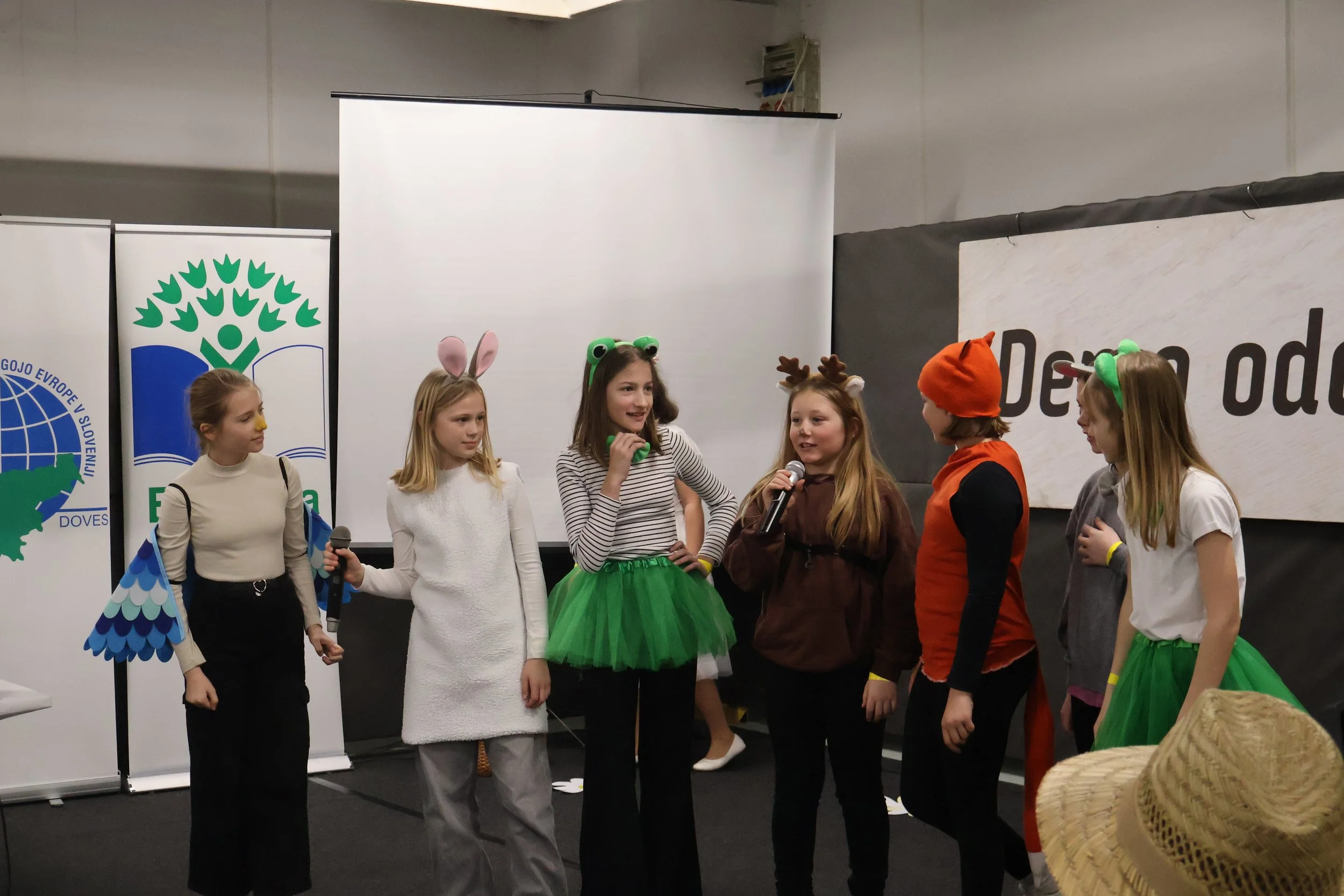
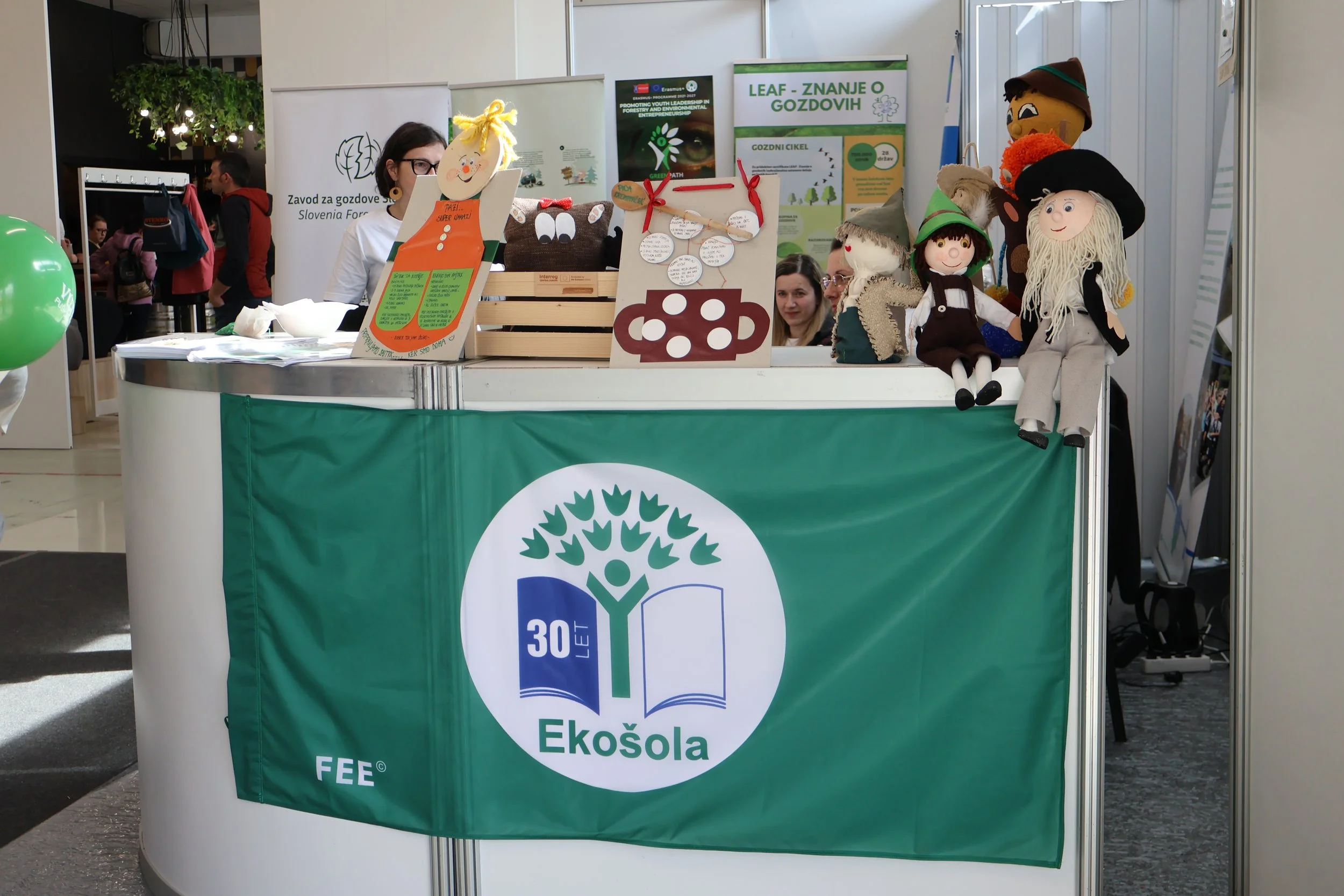
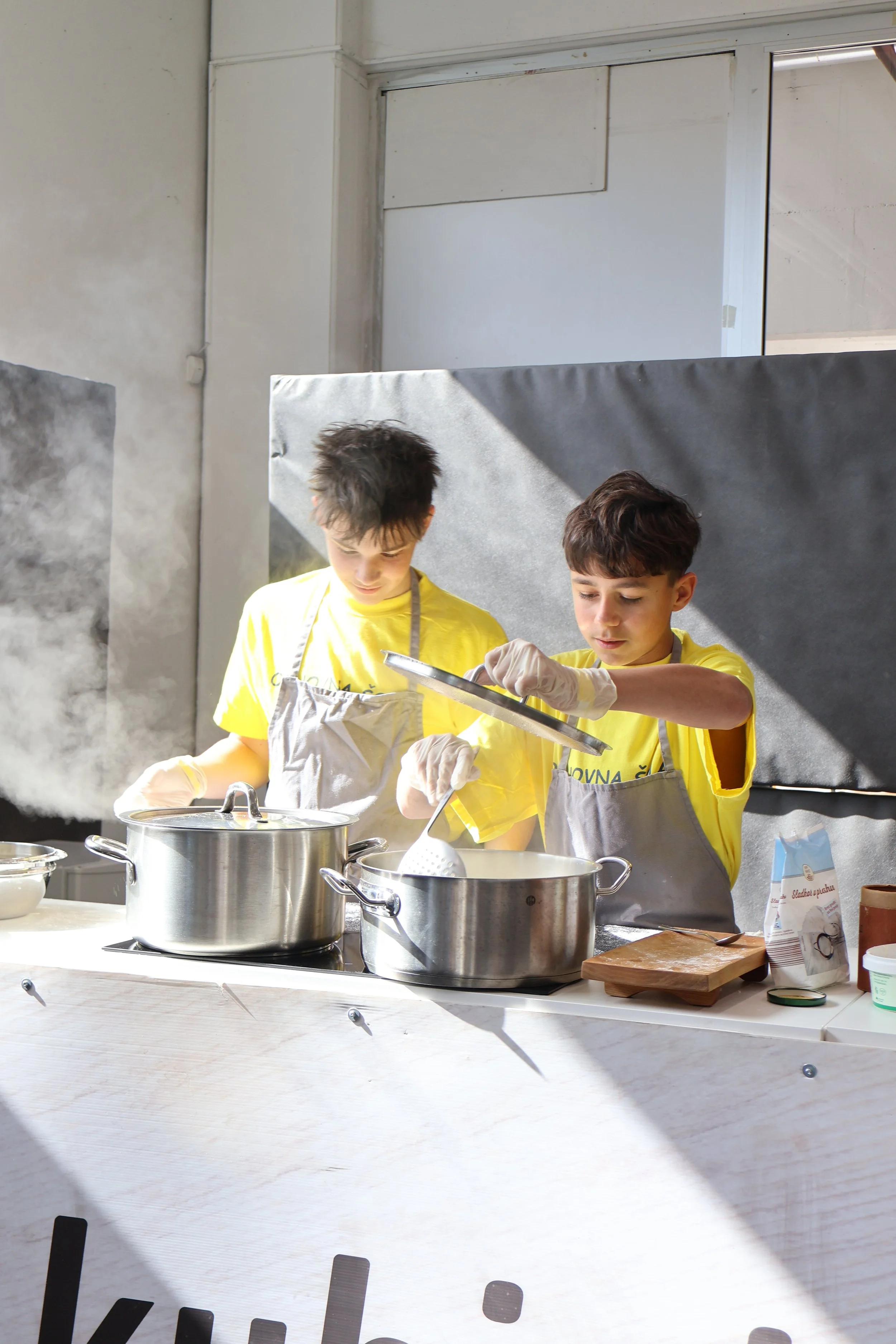
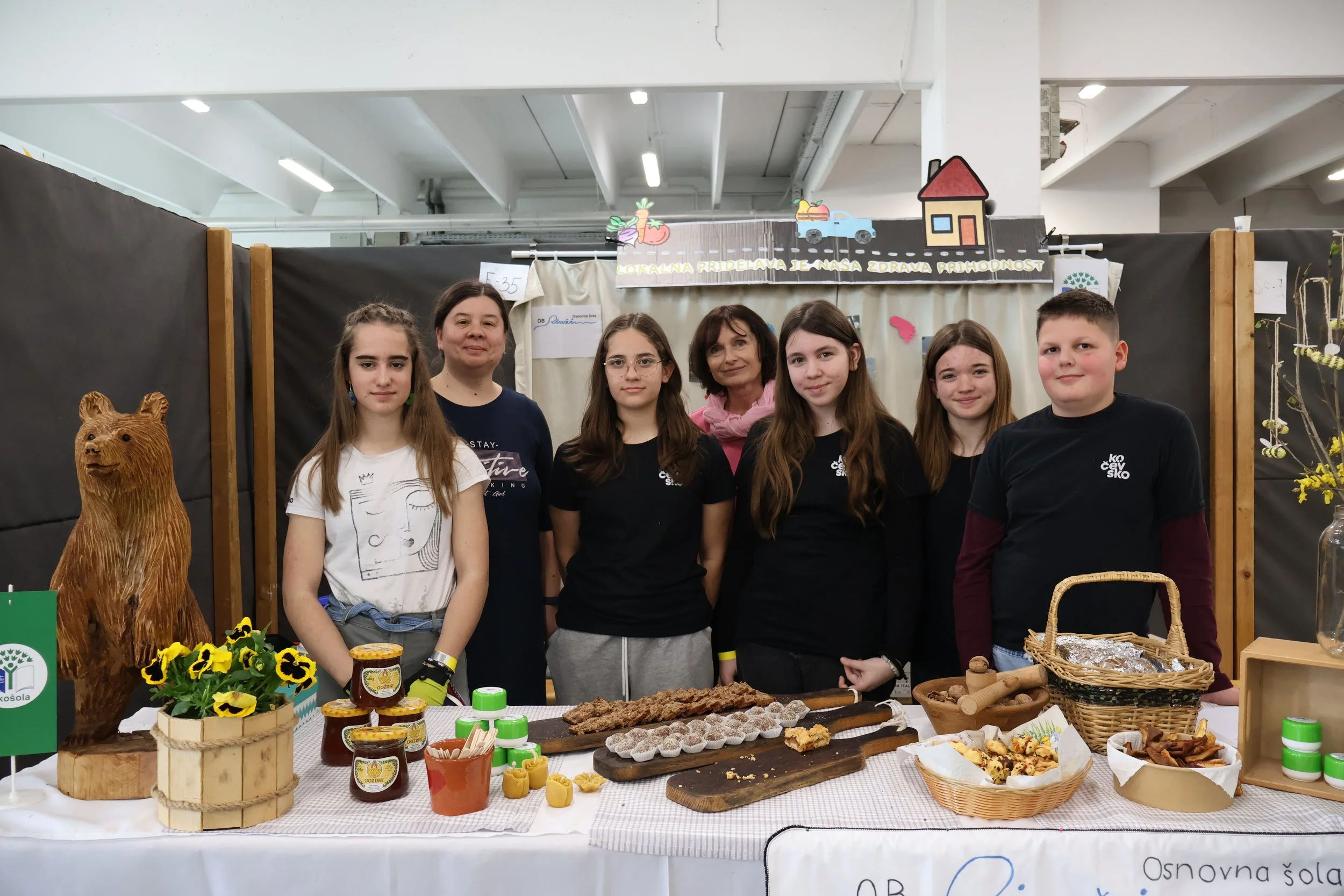
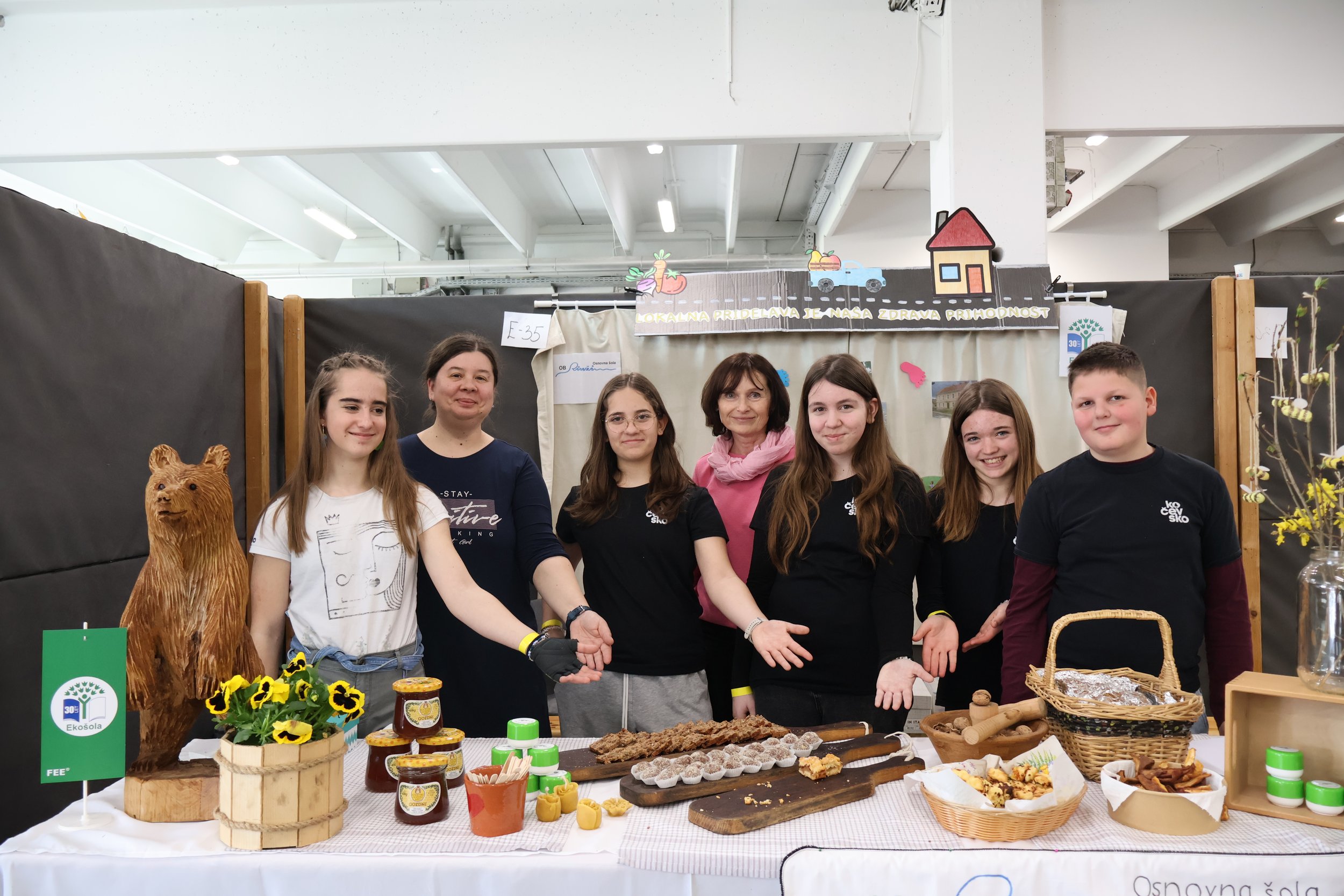
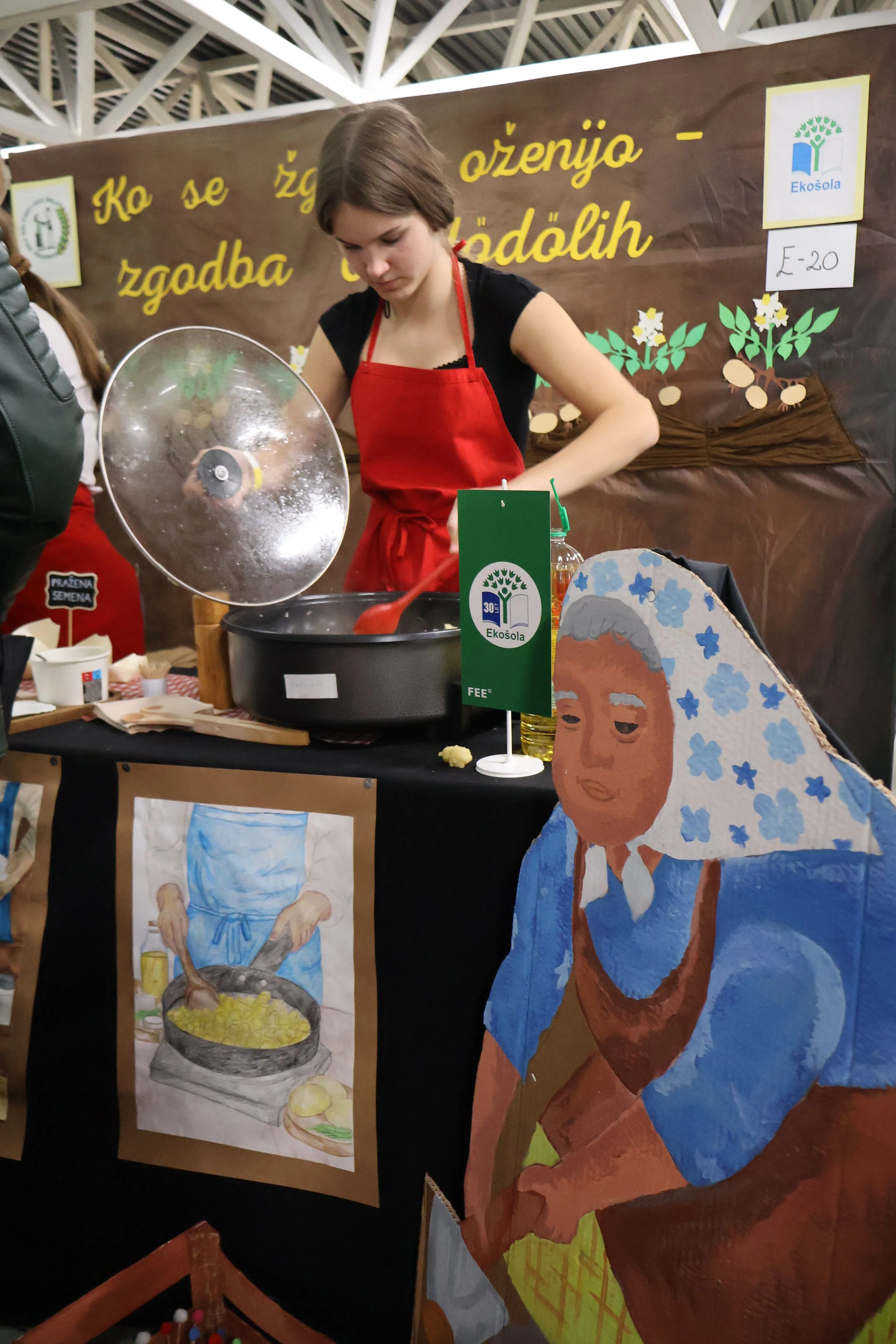
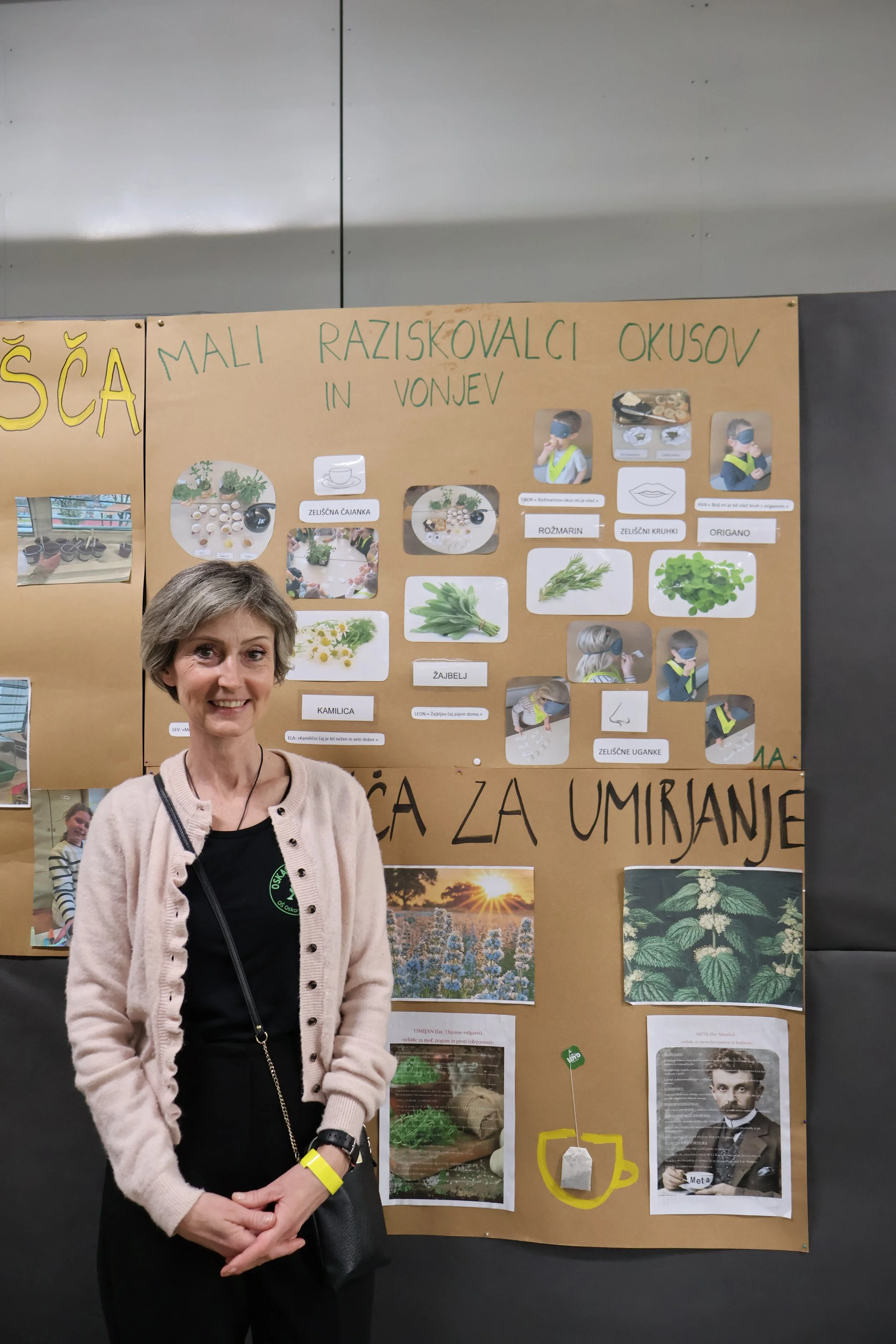
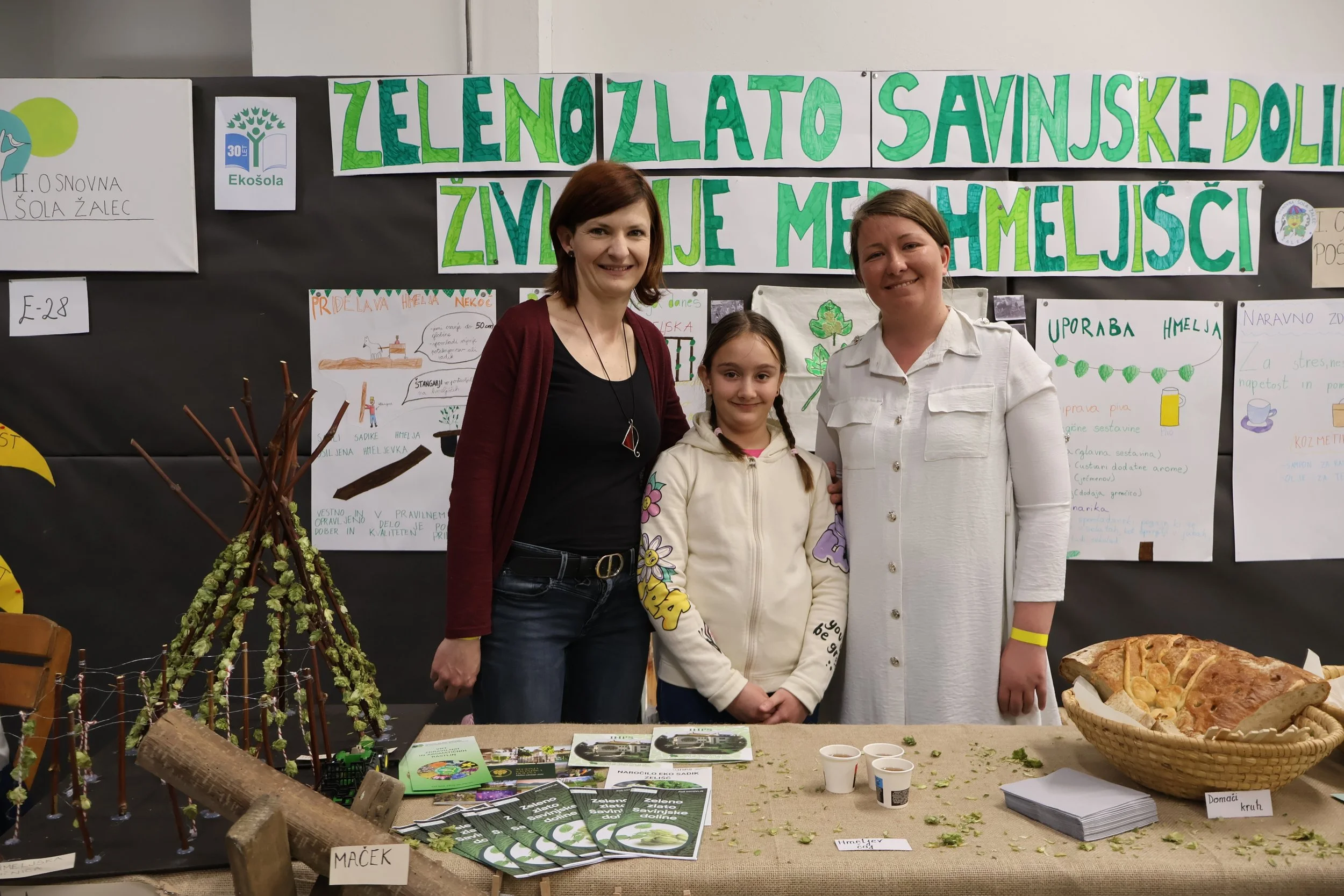
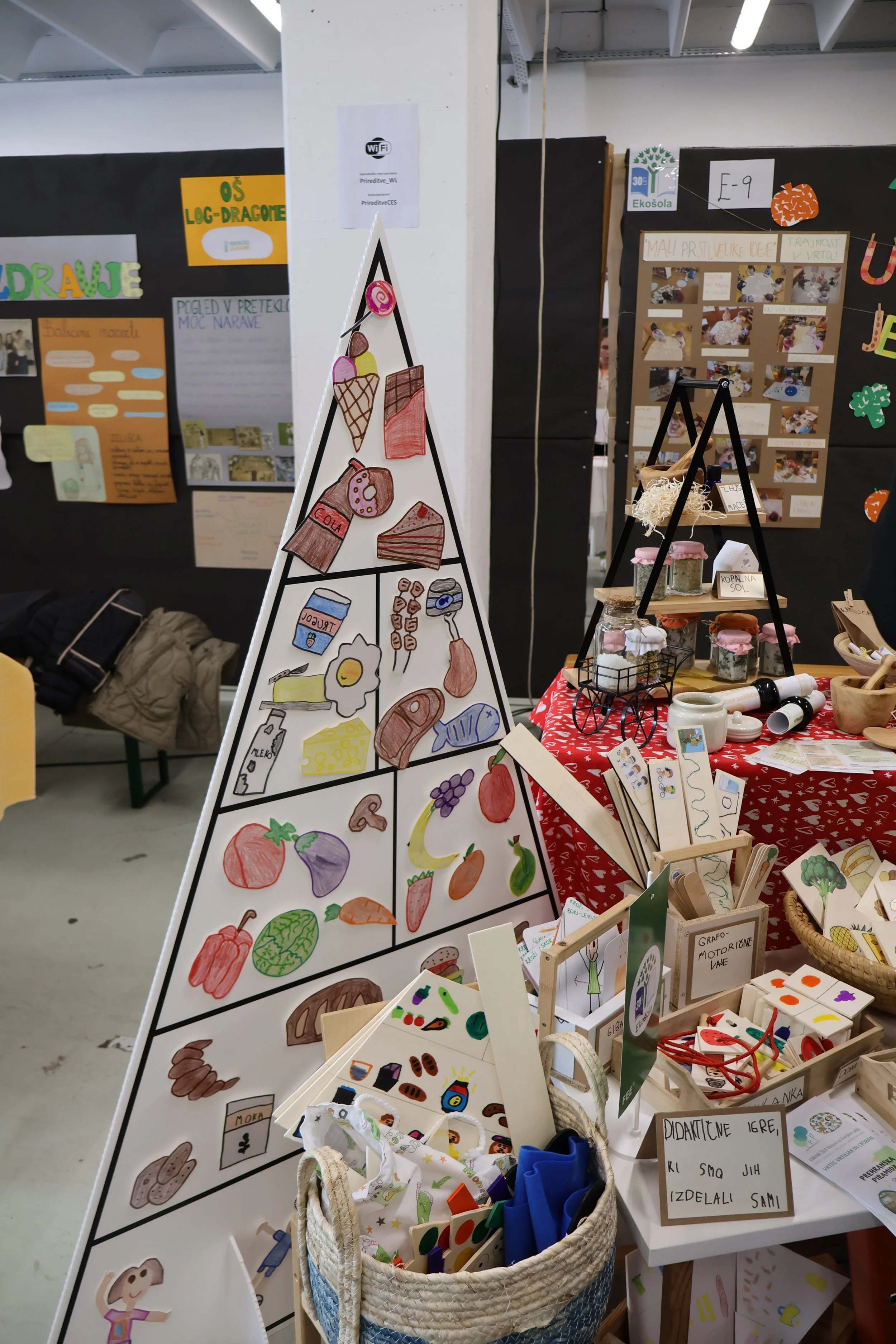
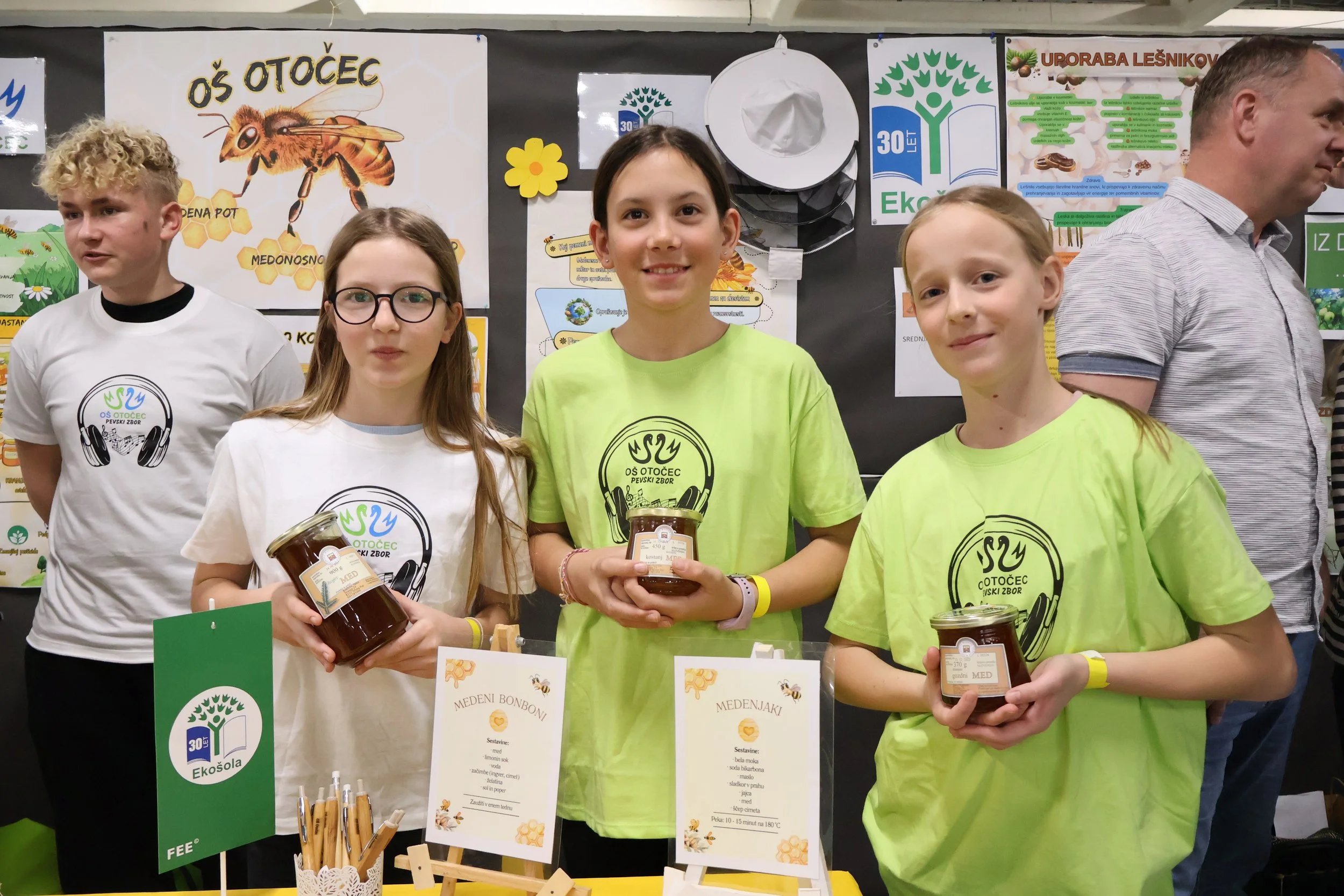
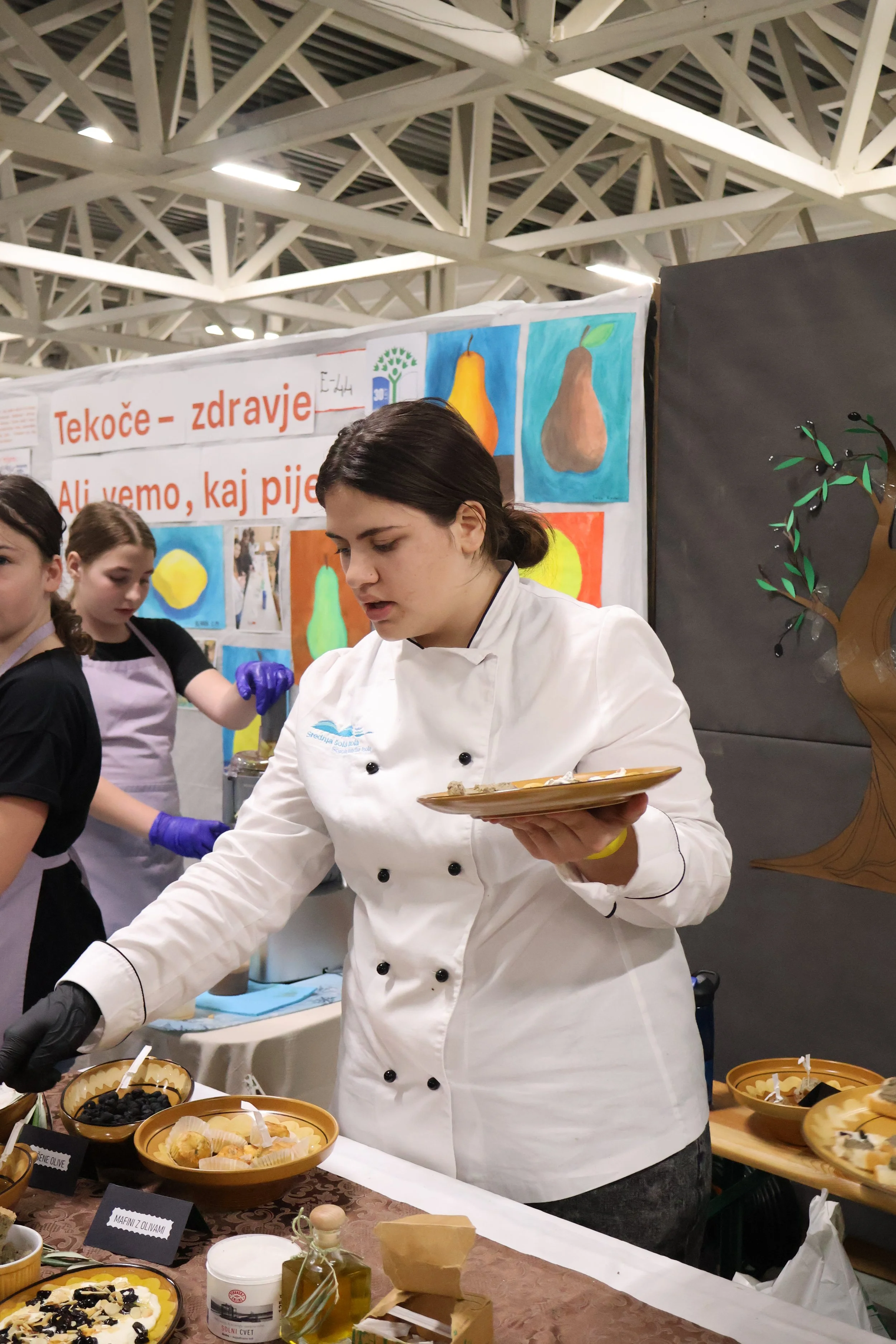
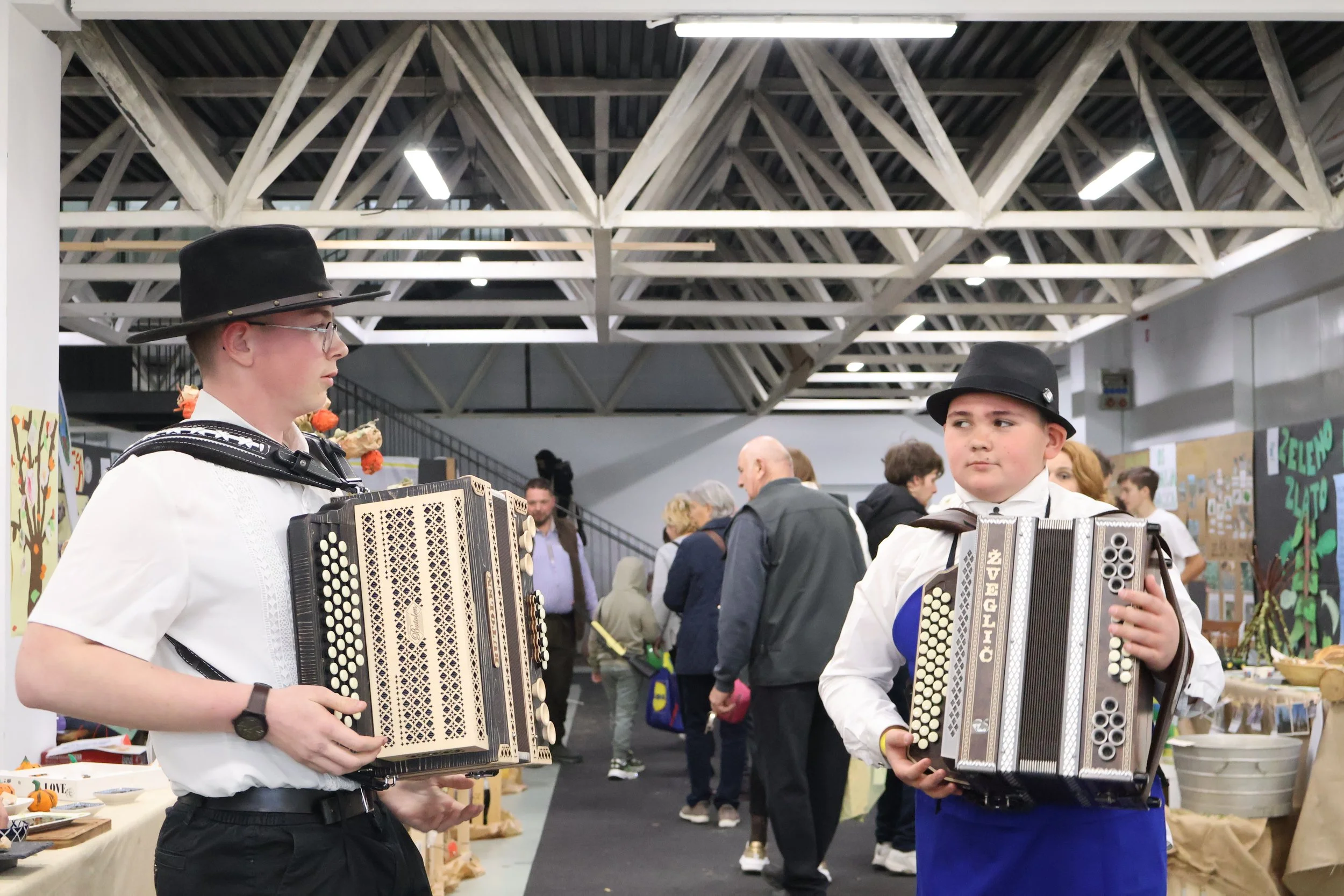
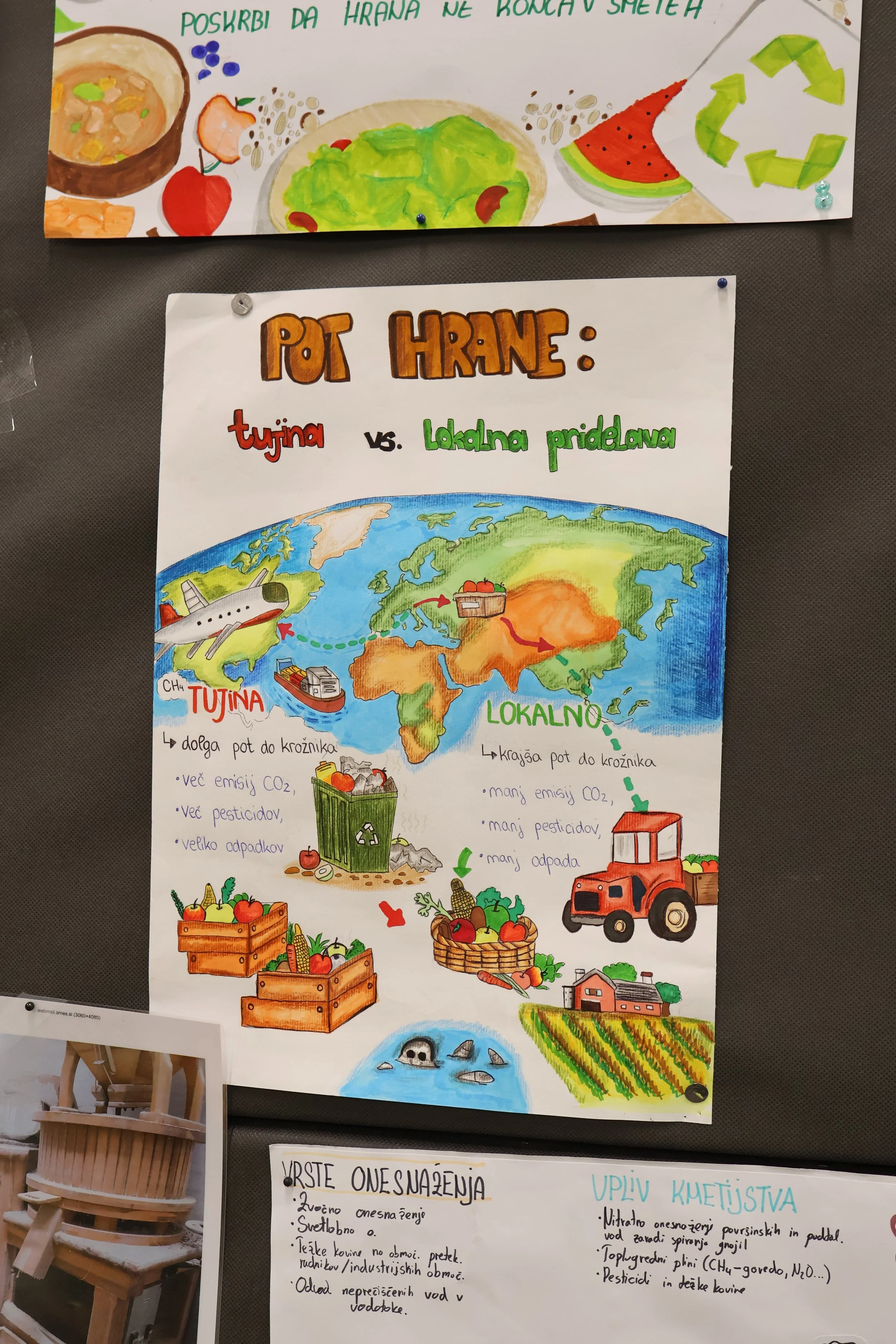
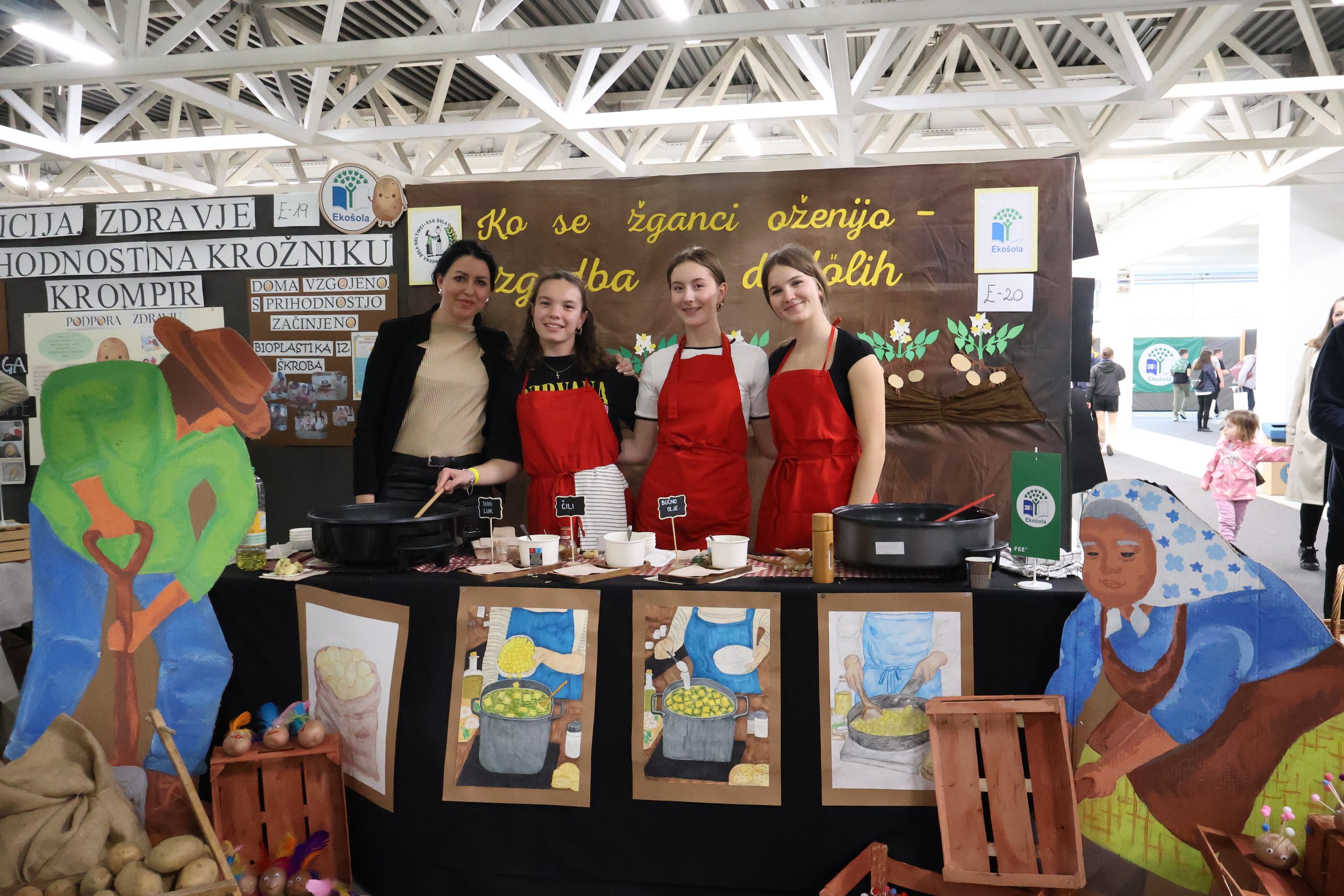
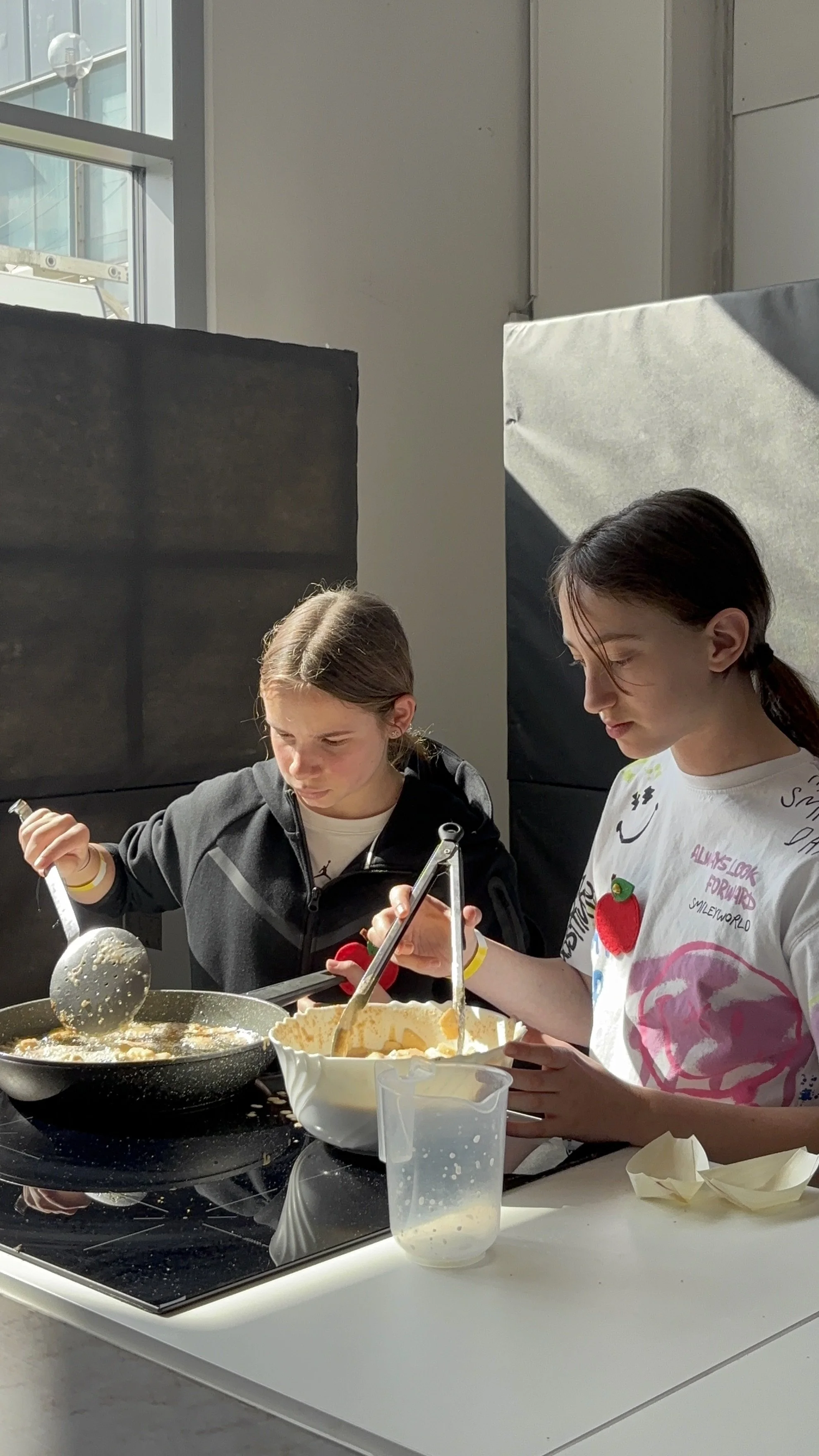
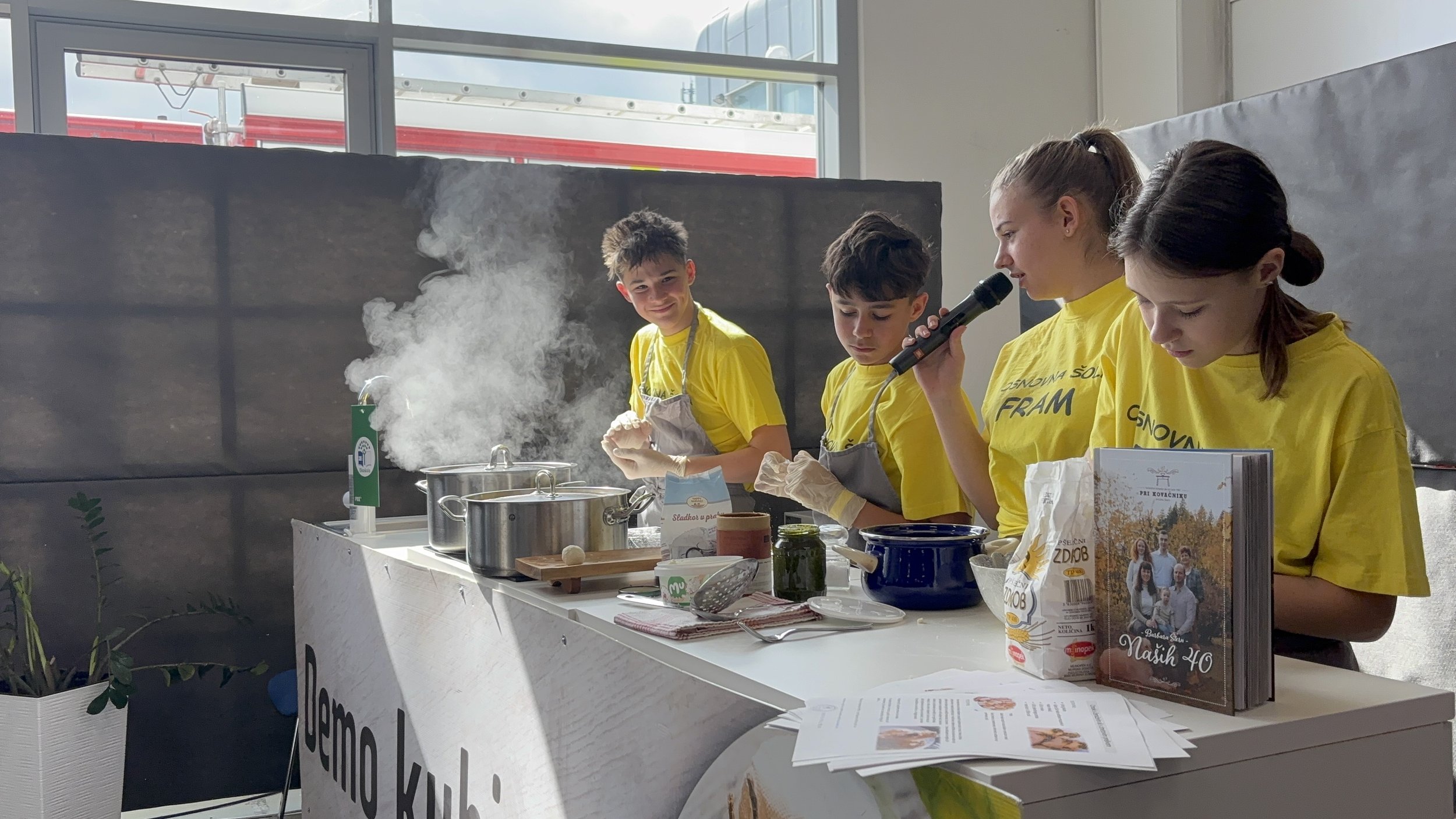
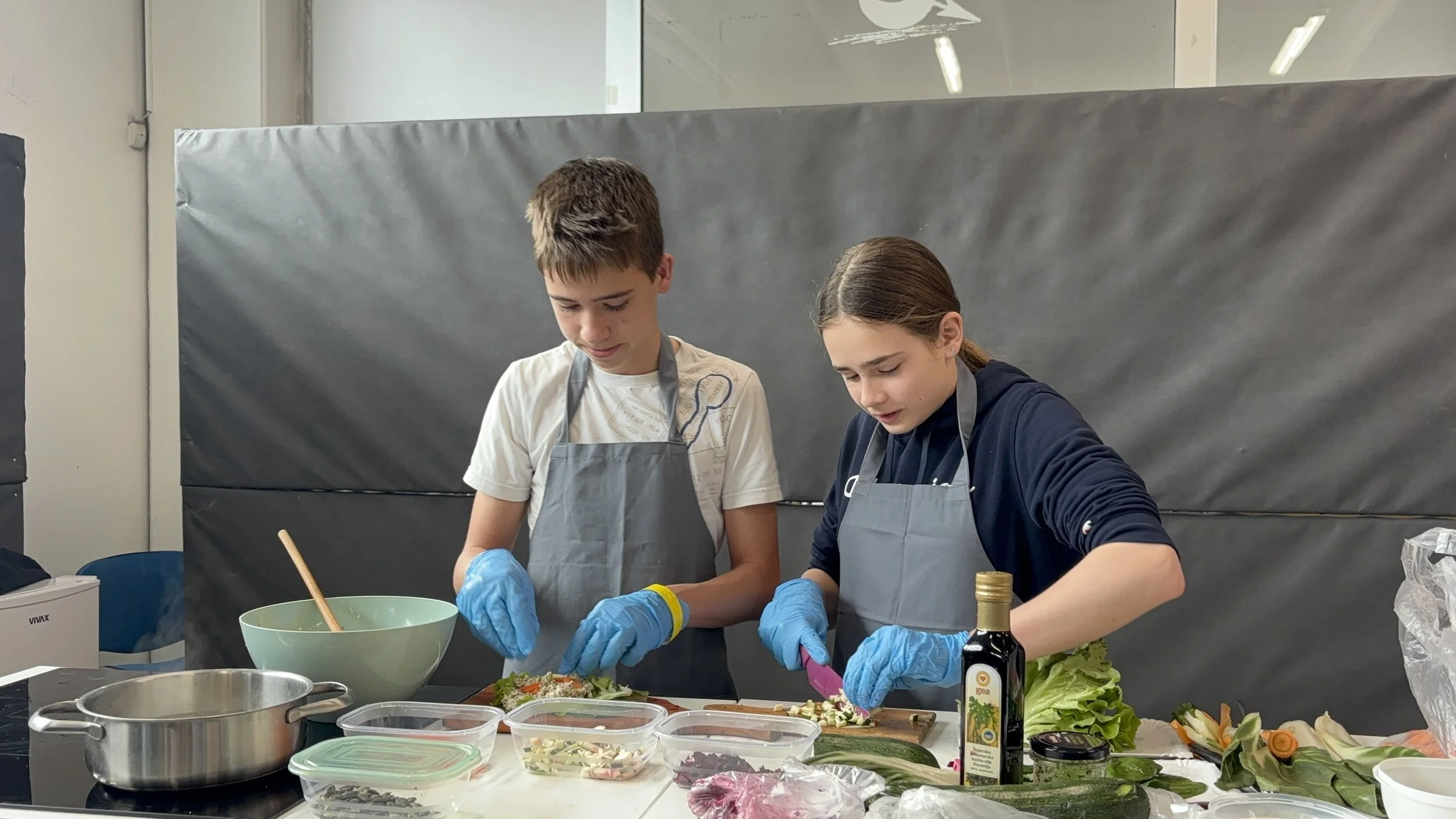
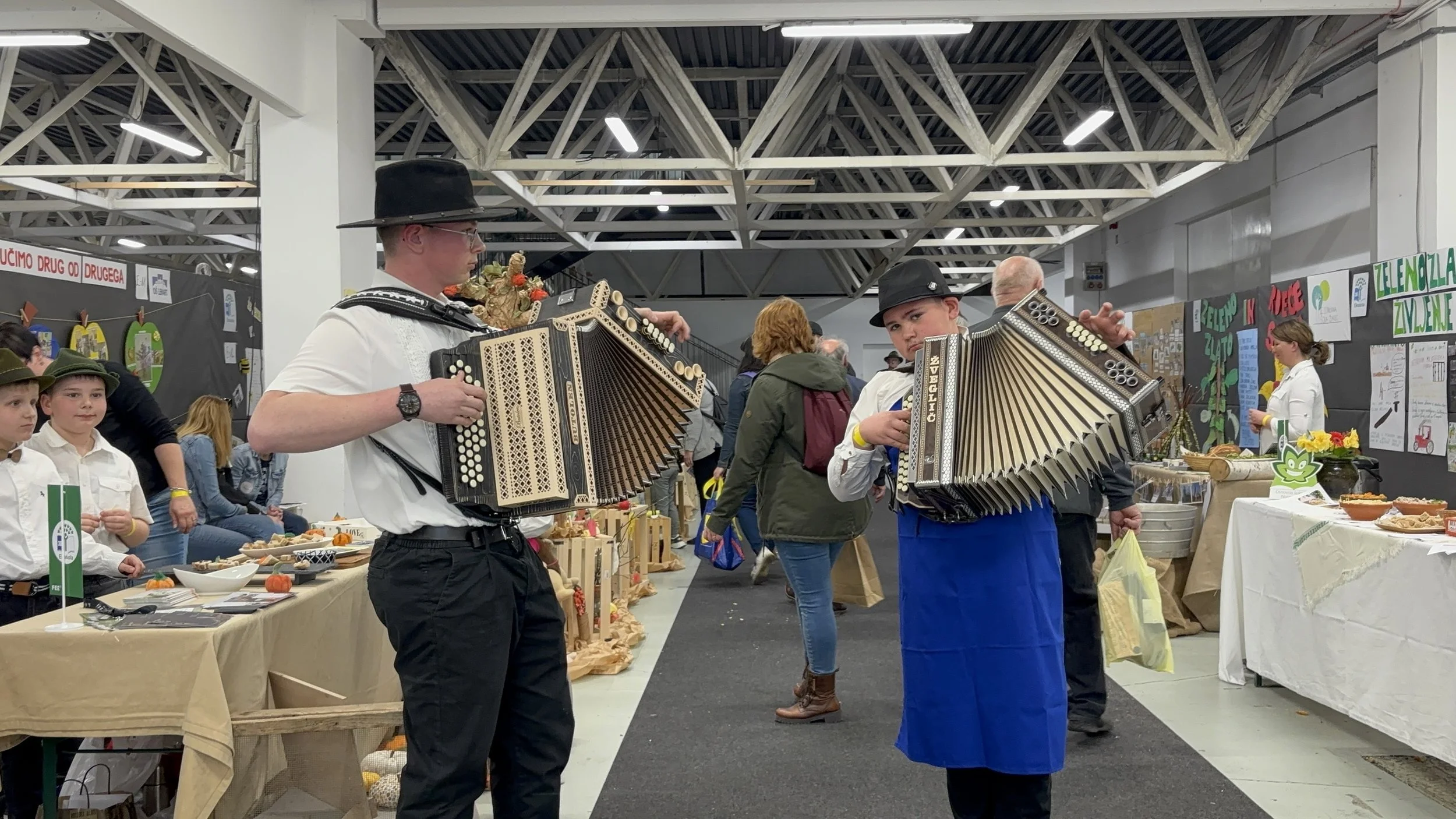
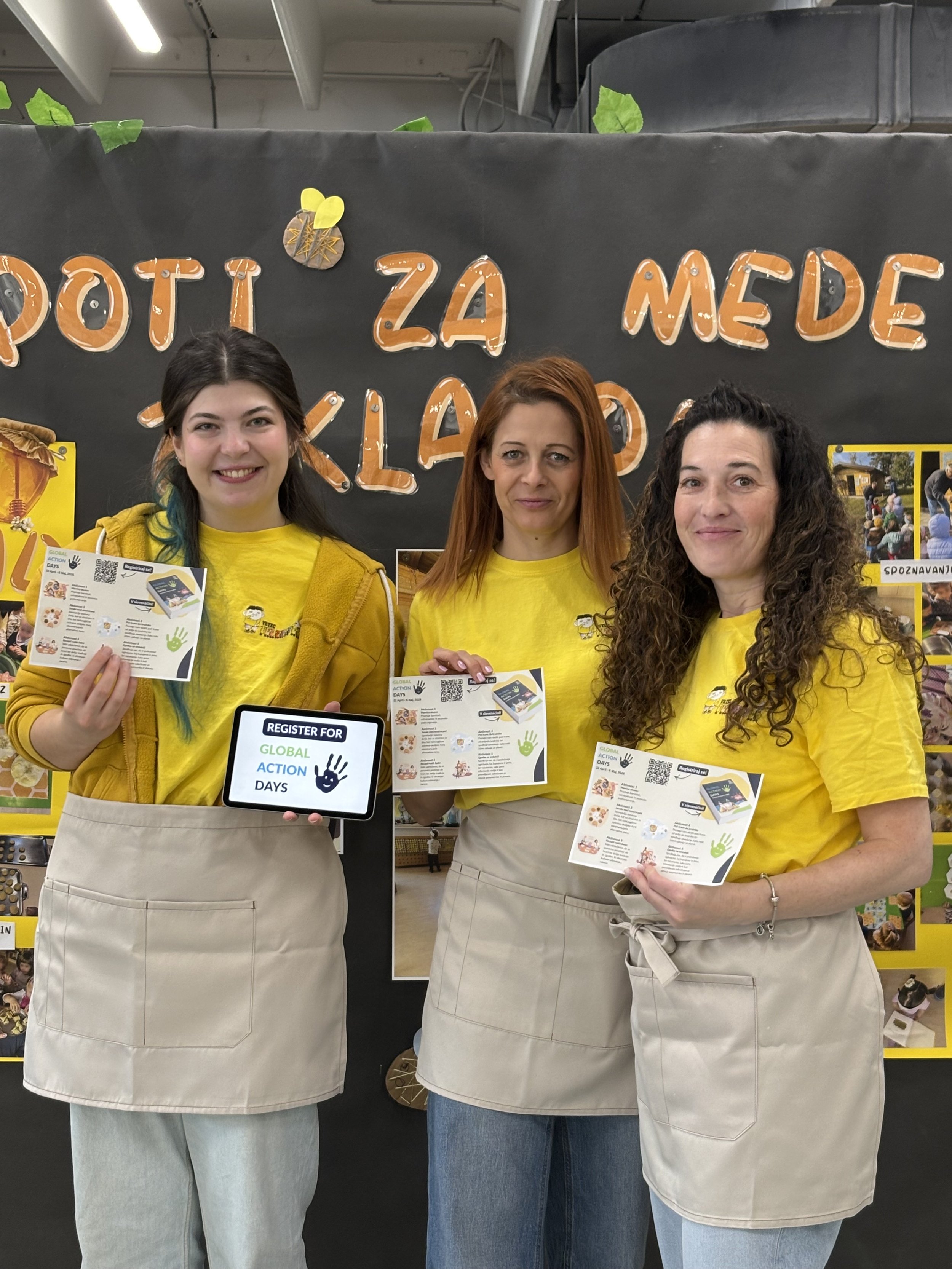
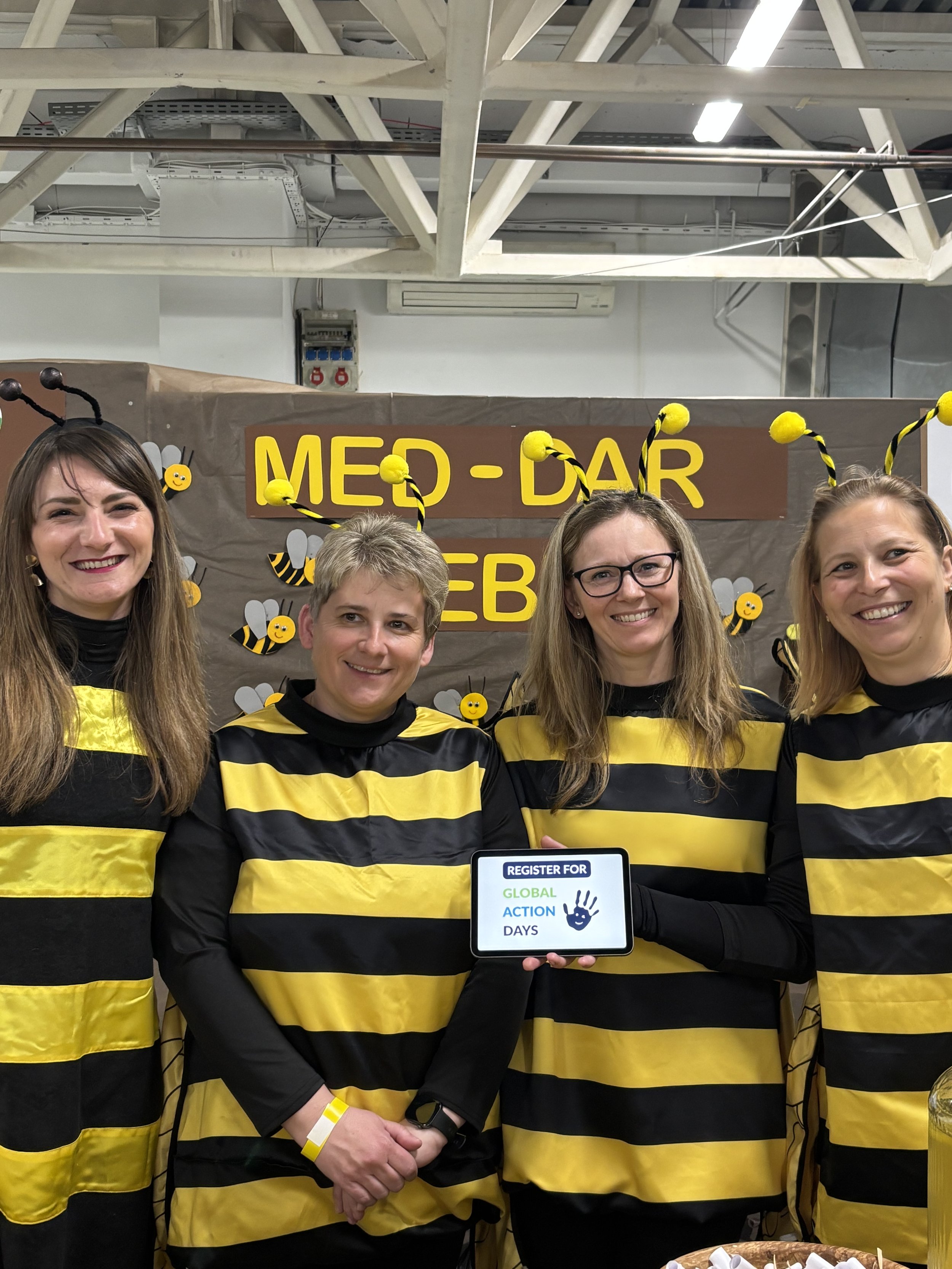
As part of this anniversary year, a national Eco-Schools Fair brought together schools from across the country to showcase their work. Around 150 stands, led by students and teachers, explored the theme of food through innovative, hands-on projects. From honey production to school canteen food waste initiatives, and recipes using school garden produce, the stands reflected the diversity and creativity of student-led action.
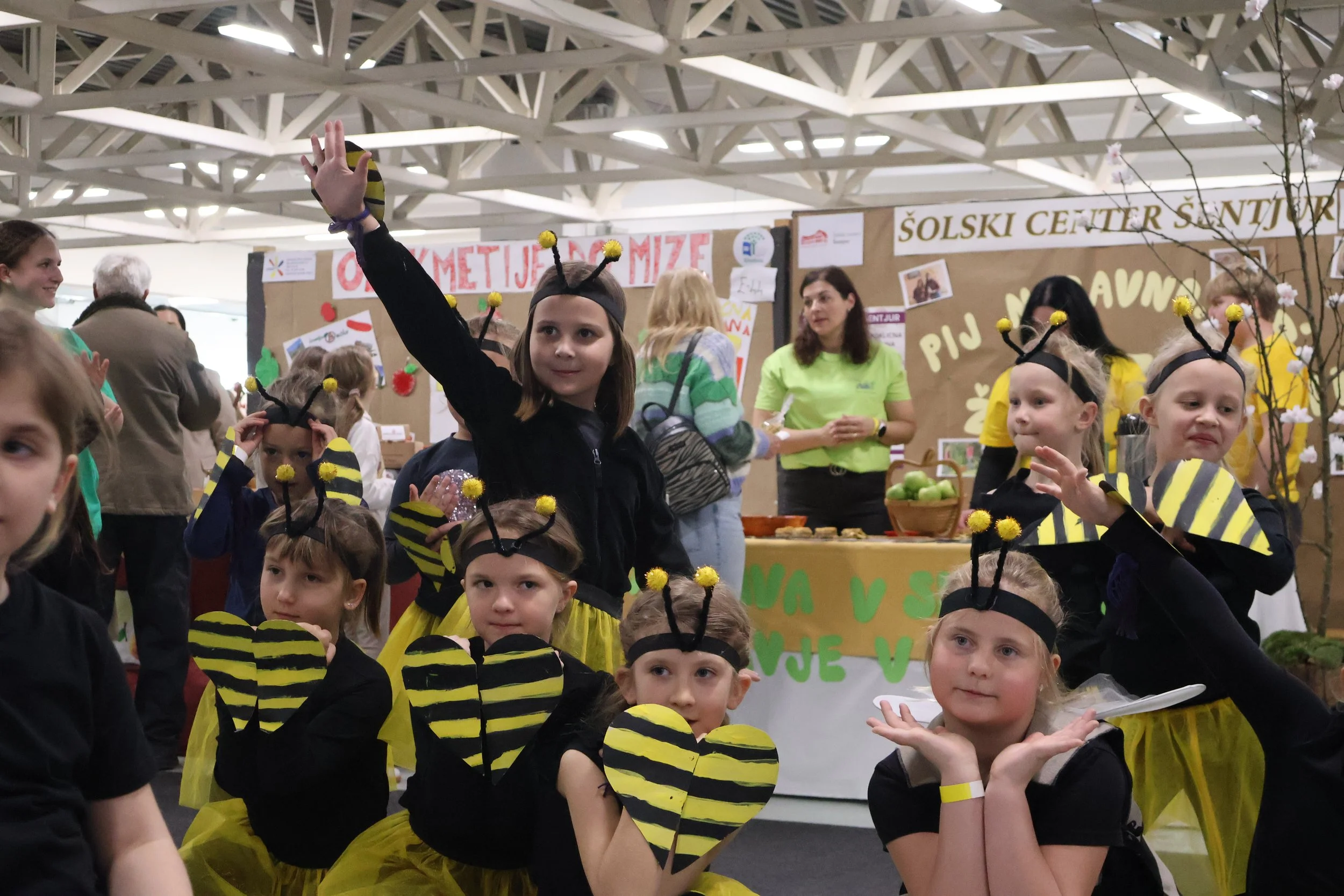
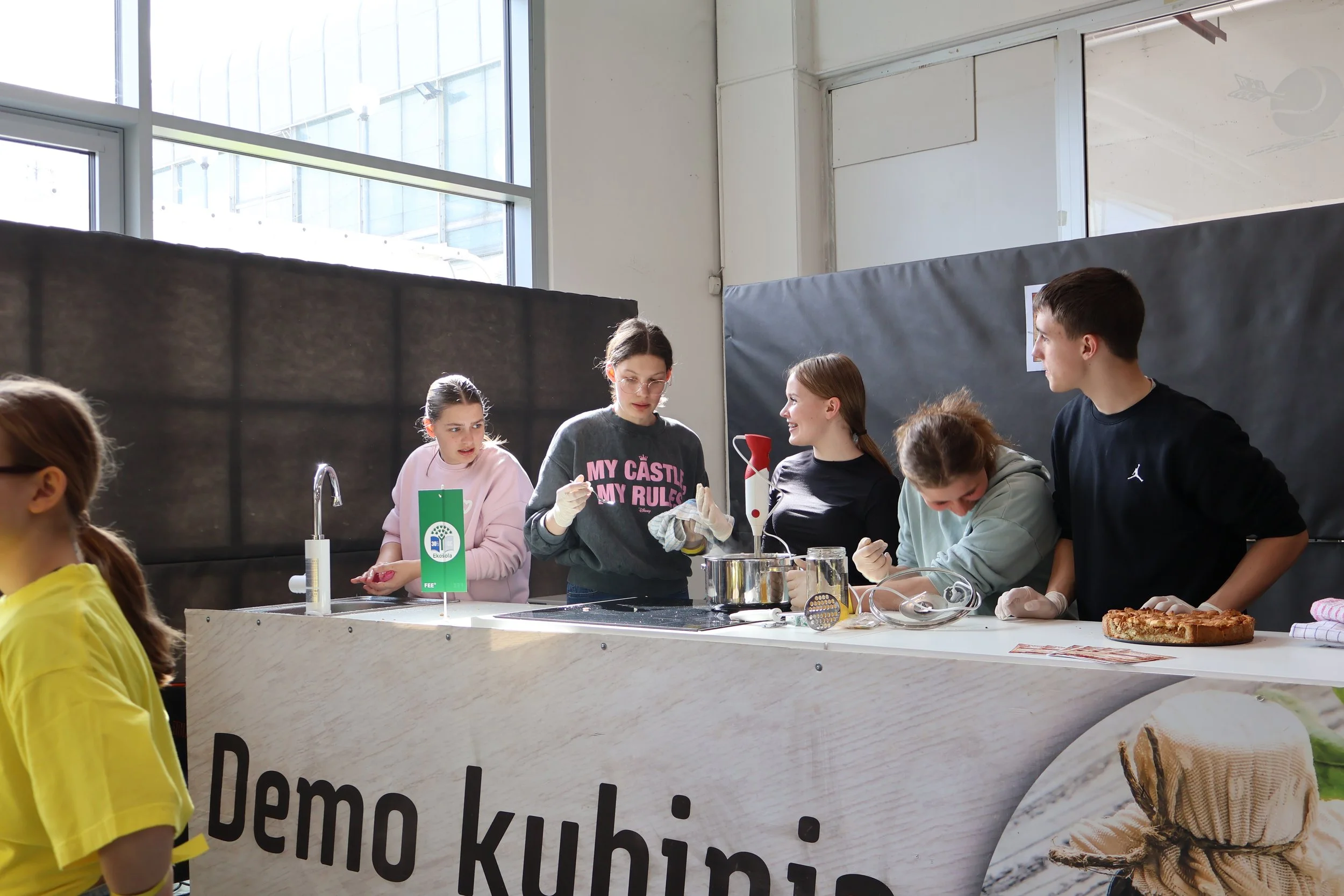
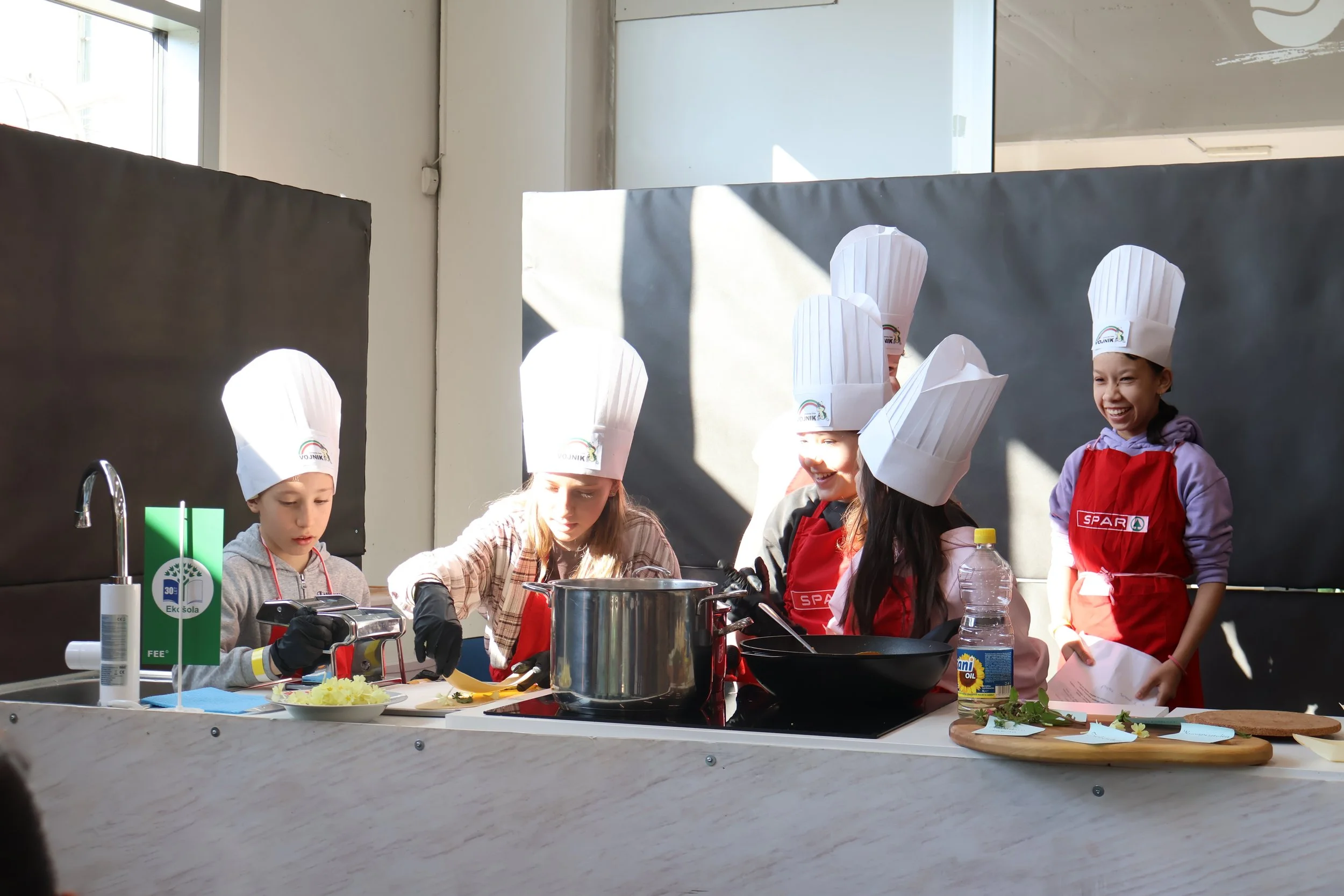
The event also featured a demonstration kitchen and a live stage, creating opportunities for learning, exchange, and celebration among students, parents, and visitors. The fair itself has become a long-standing tradition, running for around 15 years and continuing to grow in scale and impact each year.
The fair highlighted what makes Eco-Schools so impactful: student-led action, creativity, and a strong sense of community.
These voices reflect the long-term impact of the programme, not only on students, but also on educators and school communities.
FEE congratulates DOVES on this important anniversary and celebrates 30 years of dedication, innovation, and impact. We look forward to seeing how Eco-Schools in Slovenia continues to inspire future generations.
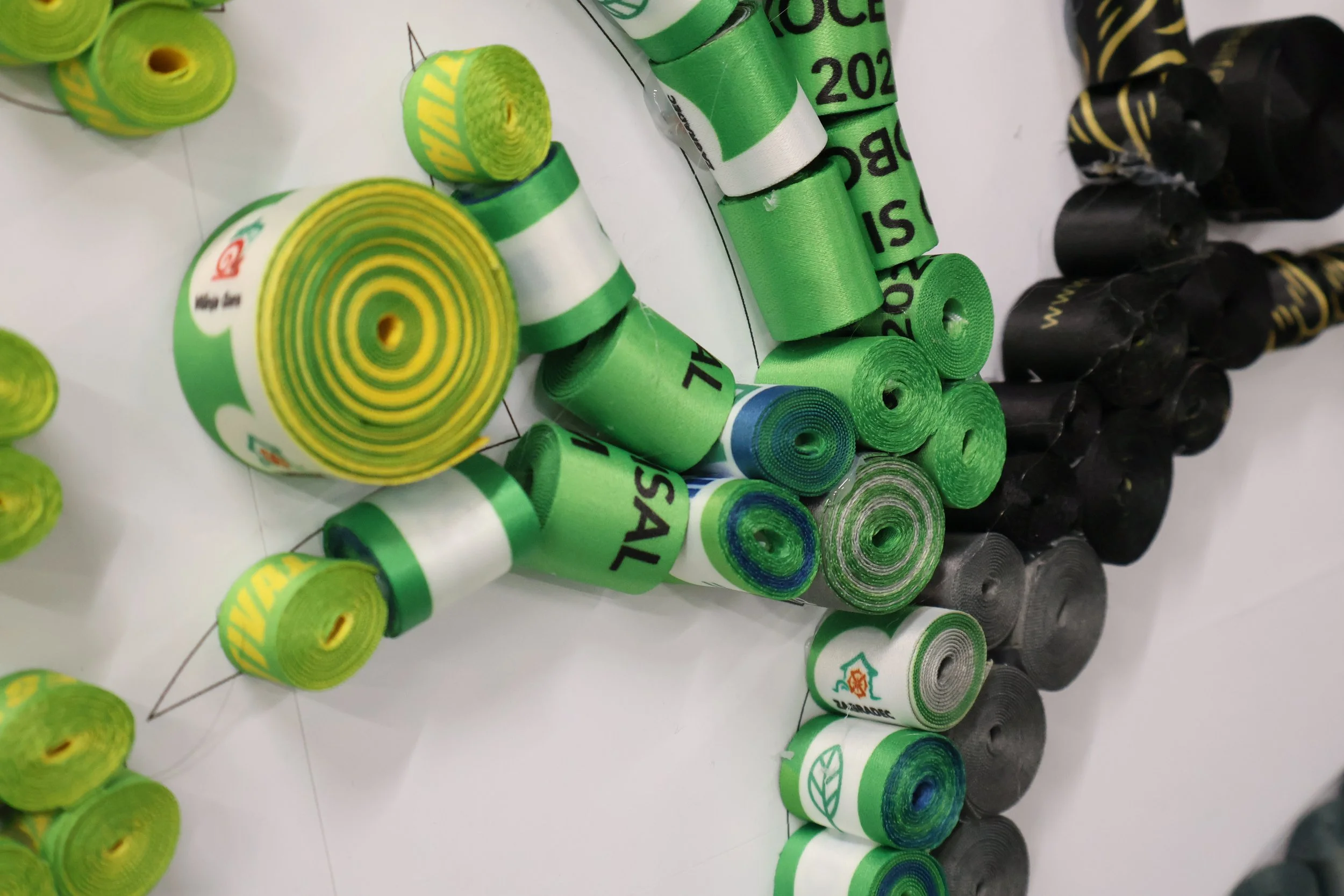
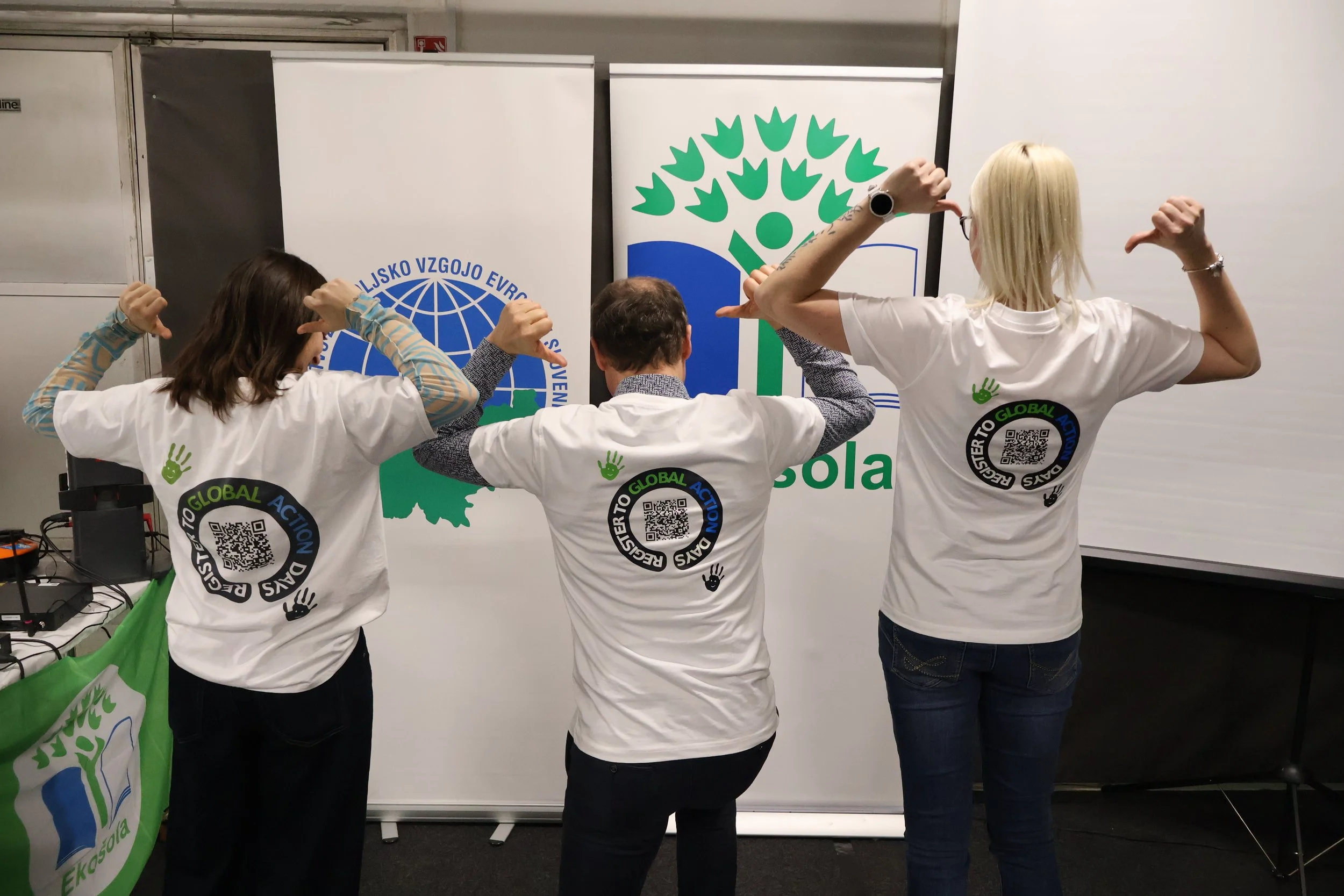
Feel free to explore the Eco-Schools Fair through the photo gallery below and experience the atmosphere firsthand: :

Can nature education help solve the climate crisis?
Learn how environmental education can help communities advance climate action. On FEE Academy, you can delve into the free Massive Open Online Course (MOOC) course “Nature-based solutions as an activist strategy for primary school communities,” developed by NBS4School project, funded by Horizon Europe.
The course introduces Nature-Based Solutions (NBS), innovative approaches that harness the power of nature to address climate challenges. It also highlights the role of citizen science, showing how students and communities can actively contribute to understanding and improving their local environments.
Designed for educators and school communities, the course demonstrates how climate education can go beyond theory by fostering curiosity, responsibility and real-world action among students.
Through this collaboration between FEE and NBS4School, the course supports teachers in bringing practical, nature-inspired climate action into the classroom.
As part of FEE’s contribution to the UN Decade on Ecosystem Restoration, this course also empowers educators and students to take part in global efforts to restore ecosystems and build more resilient communities. By integrating Nature-Based Solutions into education, schools can become active drivers of restoration, helping to reconnect people with nature while contributing to meaningful climate action on the ground.
The course takes approximately 15 hours to complete, depending on your prior knowledge, and offers asynchronous online learning experience through FEE Academy. Participants who complete the course receive a certificate.
Start the course on FEE Academy in various languages:
• English
• Portuguese
• Greek
• German
Learn more about the partnership here
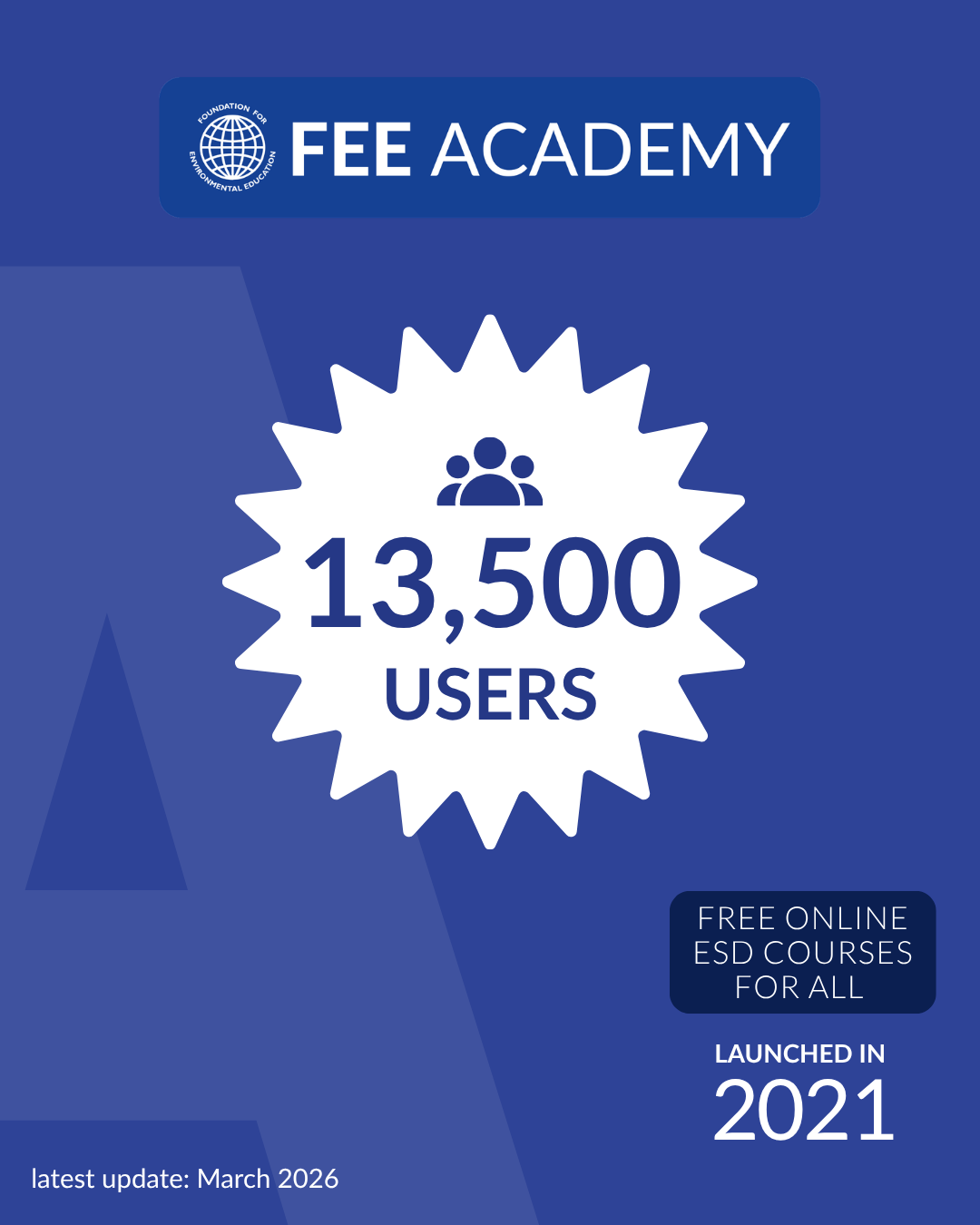
Participants who complete the course receive a certificate, and join a global community of over 13,500 learners already engaging with FEE Academy.
Today is World Environmental Education Day 2026
26 January 2026 marks World Environmental Education Day and highlights the essential role of education in addressing environmental challenges and supporting sustainable development worldwide.
At the Foundation for Environmental Education (FEE), education is not only central to our mission, it is part of who we are. Environmental education is in our name and underpins everything we do. Through our global programmes, we support learners, educators, communities and businesses to develop the knowledge, skills and values needed to care for the environment and take meaningful action.
FEE works through a network of 110+ member organisations in 85 countries. Across diverse cultural and geographic contexts, FEE programmes connect learning with practical action and long-term engagement.
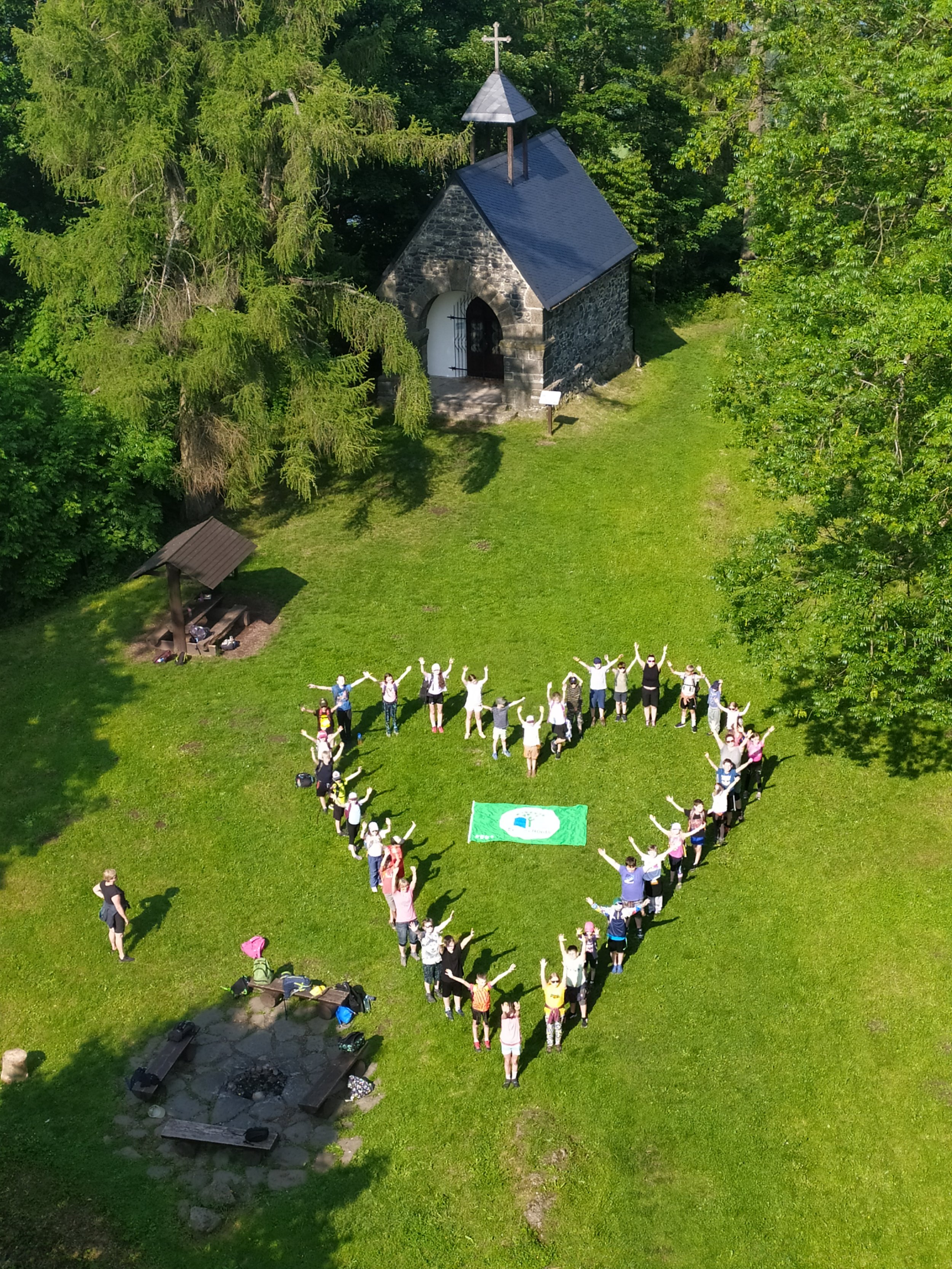
Eco-Schools, Czech Republic (2025)
Within formal education settings, Eco-Schools plays a central role in supporting whole-school approaches to sustainability, empowering students and young changemakers to lead environmental action in their schools and communities and to embed sustainability into everyday learning and operations. The programme currently engages 52550+ schools, involving 13.7million students across 101 countries, making it the World's largest school-based network leading Education for Sustainable Development (ESD).
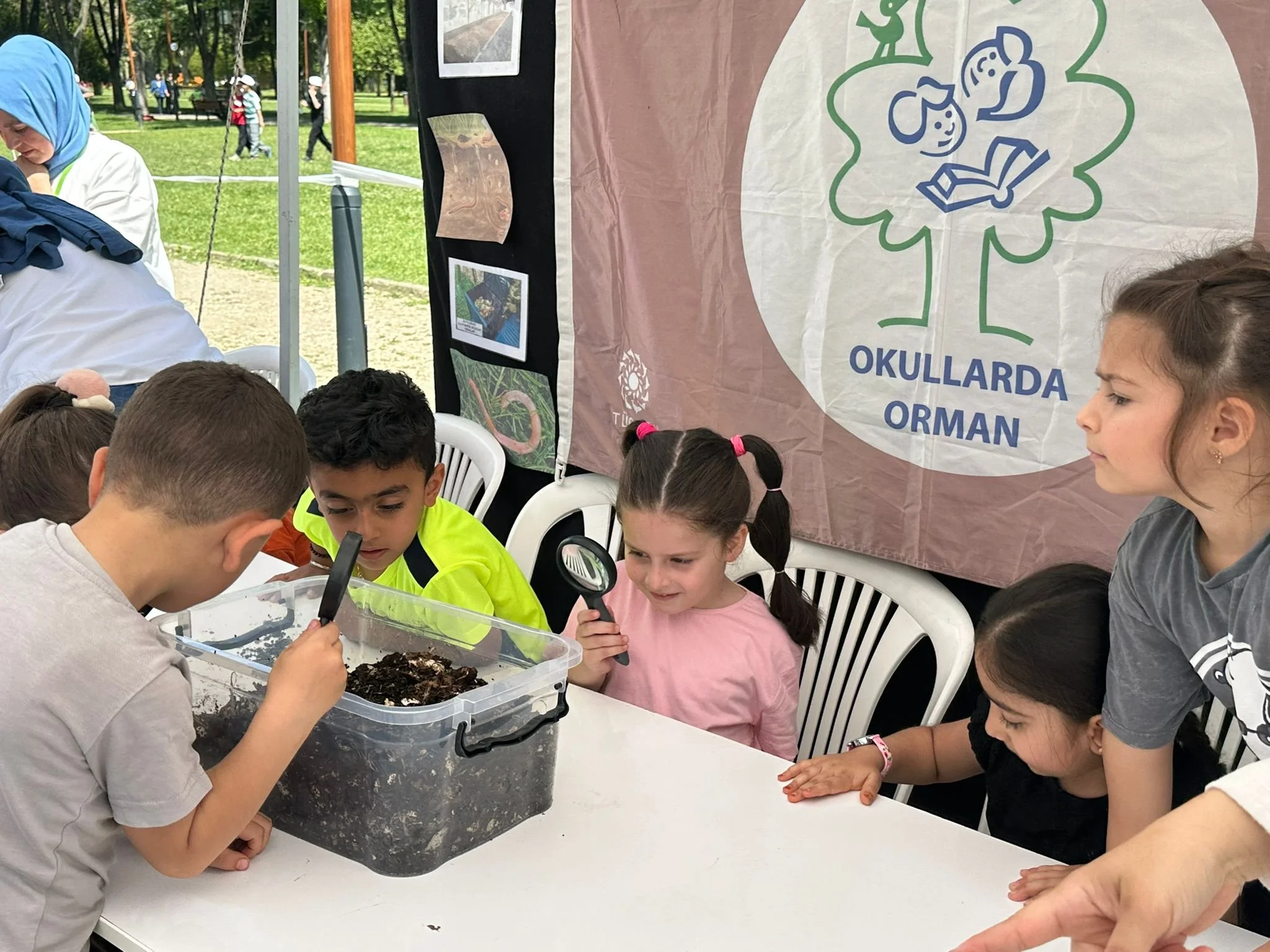
LEAF programme in Türkiye (2025)
Complementing this work, Learning about Ecosystems and Forests (LEAF) promotes outdoor and ecosystem-based learning by encouraging educators to use forests and natural environments as living classrooms. LEAF currently reaches 29 countries and works in partnership with the UN Decade on Ecosystem Restoration, supporting the shared goal of making outdoor education accessible for all.
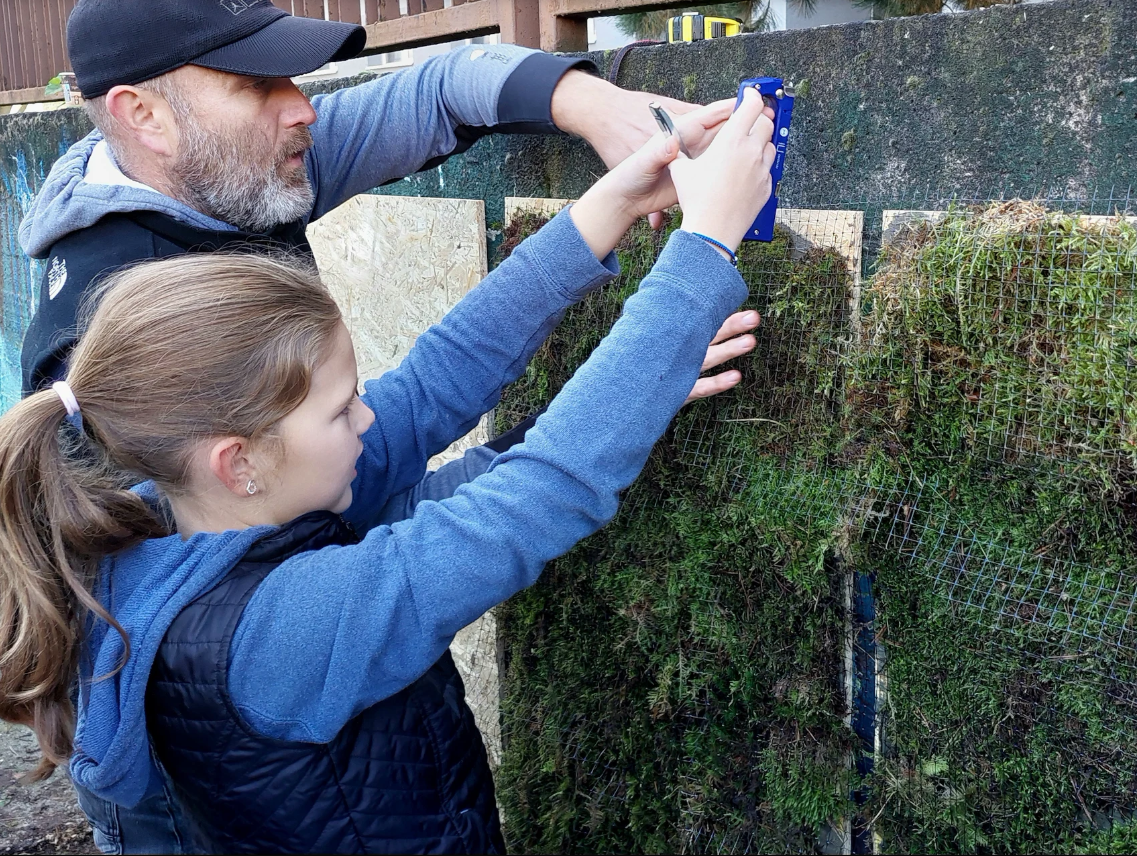
YRE International Competition entry from YRE Slovakia 2025 - 1st place in the Article Category 11- 14 years
Young Reporters for the Environment (YRE) strengthens critical thinking and communication skills by enabling young people to investigate environmental issues and share their perspectives through journalism and storytelling. Each year, the programme engages 220,000+ young reporters across 37 countries, with participants producing articles, photo stories and videos on local and global environmental issues. A central element of the programme is the YRE International Competition. The 2024-2025 edition received 234 thought-provoking sumbmissions from 20 countries, following the theme Ecosystem Restoration and highlighting the scale and diversity of youth engagement within the programme.
FEE’s education programmes also extend into higher education through Eco-Campus, which supports universities and colleges in embedding sustainability across campus operations, teaching and governance. As FEE’s sixth programme, Eco-Campus provides a framework for institutions to engage students and staff in long-term environmental action. In 2025, FEE held the second edition of the Eco-Campus International Conference in Malaysia, in co-host with our member Green Growth Asia Foundation, bringing together higher education institutions and partners to share experiences, strengthen collaboration and advance sustainability in the tertiary education sector.
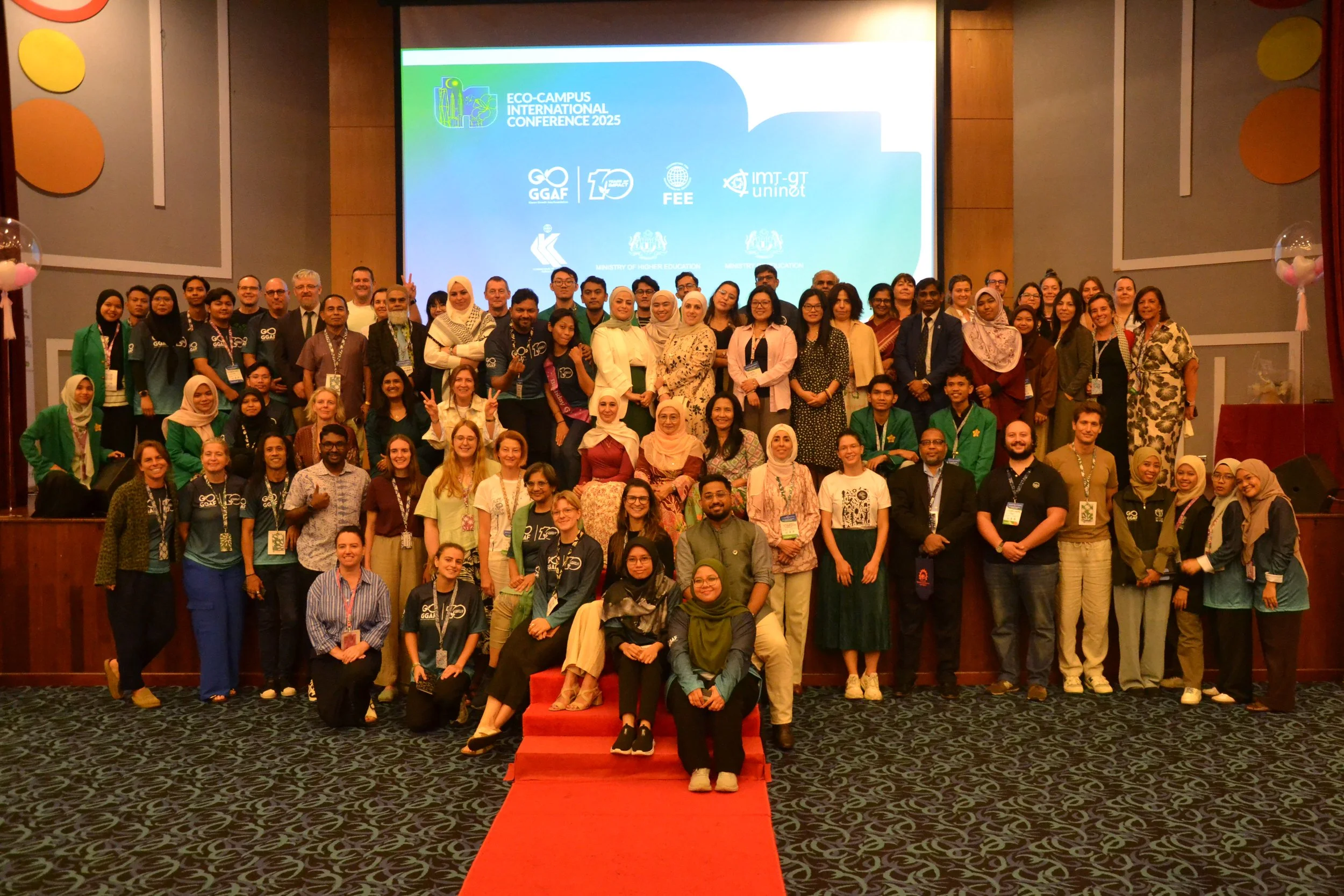
Eco-Campus International Conference (September 2025)
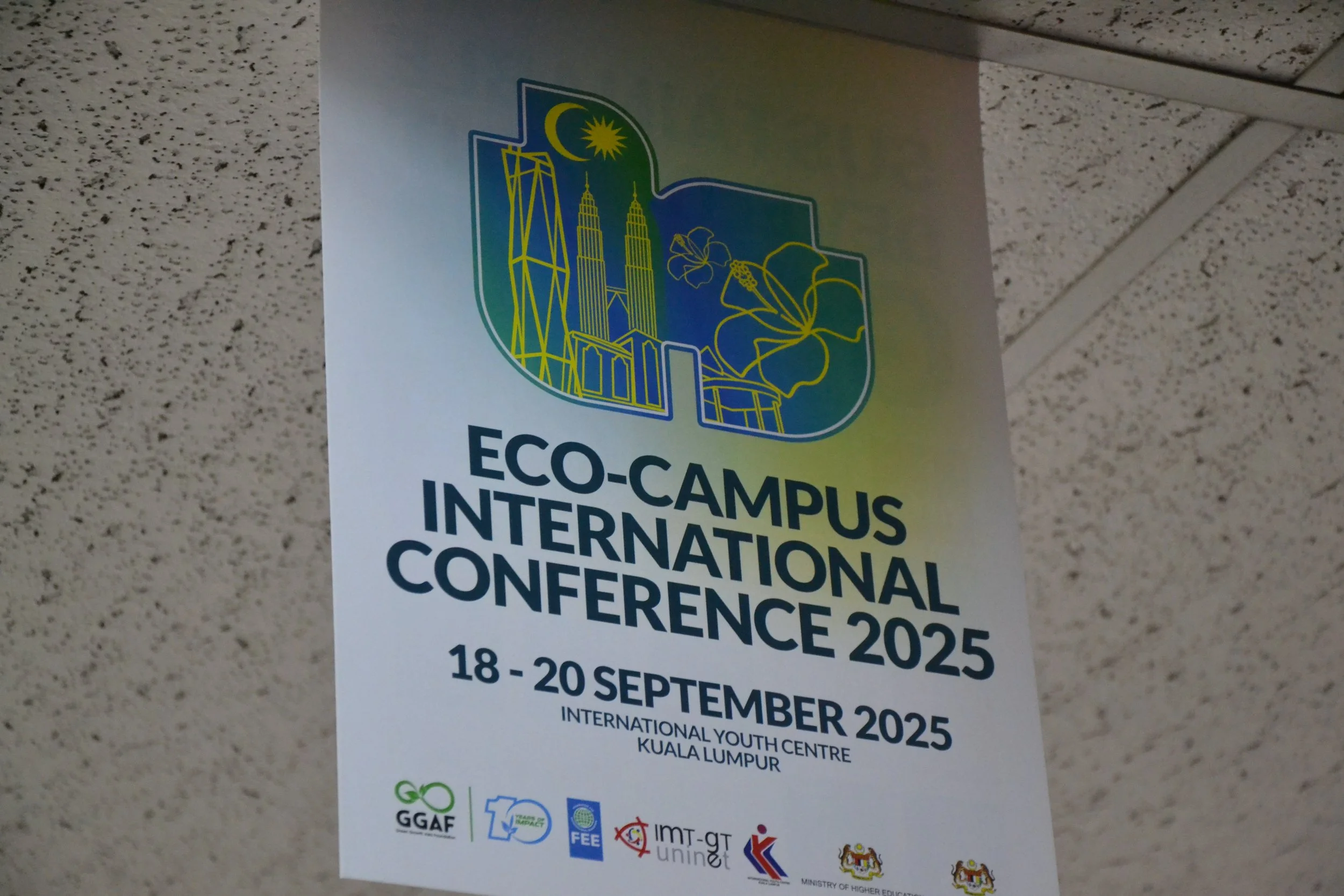
Eco-Campus International Conference (September 2025)
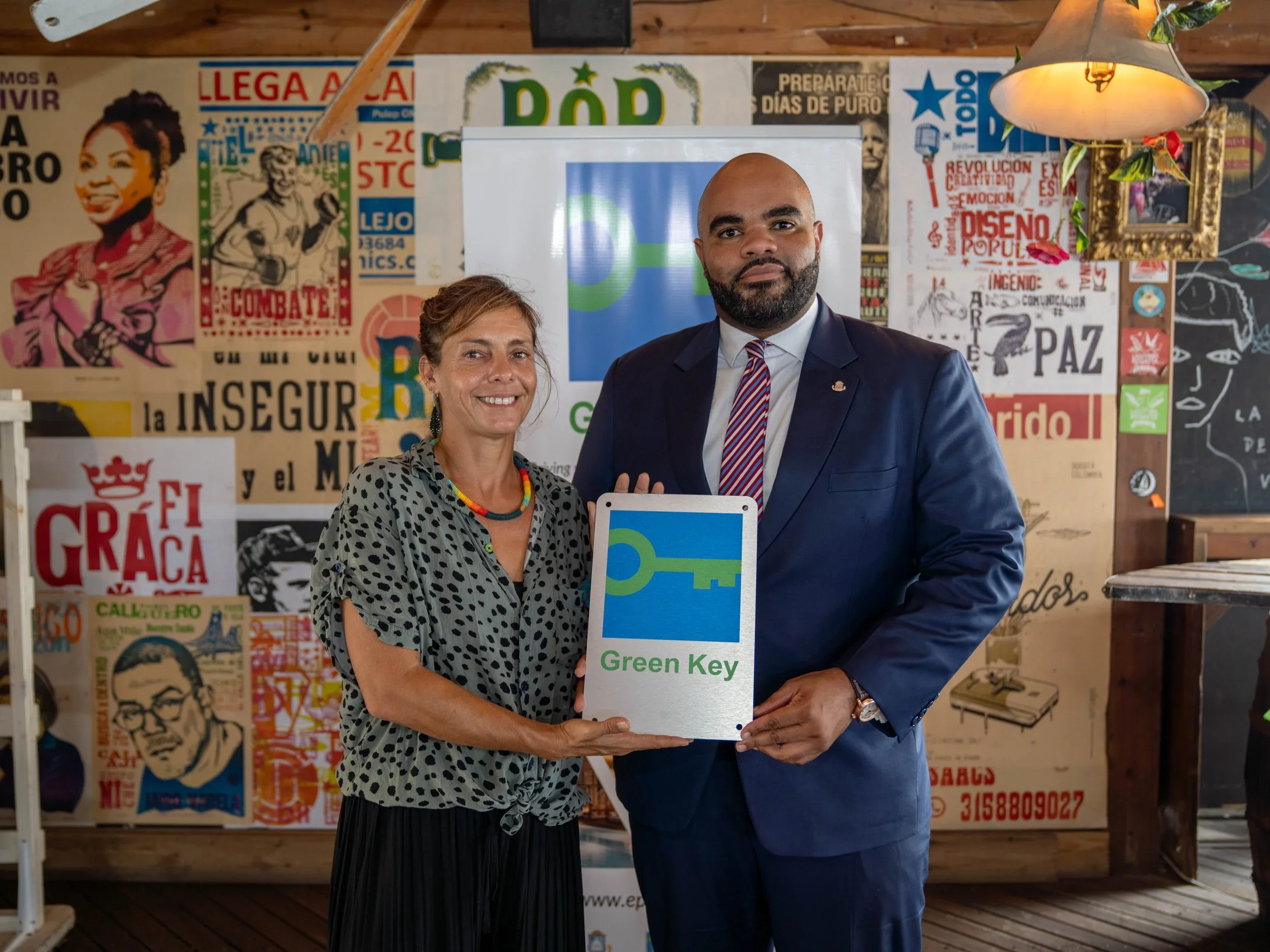
Lagoonis Bistro & Bar, first awarded Green Key establishment in Sint Maarten (2025)
Beyond educational institutions, FEE programmes promote sustainability across public spaces and economic sectors. Green Key engages the tourism and hospitality sector by supporting businesses to reduce their environmental impact while raising awareness among staff and guests. Today, the programme includes 8500+ certified tourism and hospitality sites across 90 countries, demonstrating how sustainability can be integrated into tourism operations worldwide.
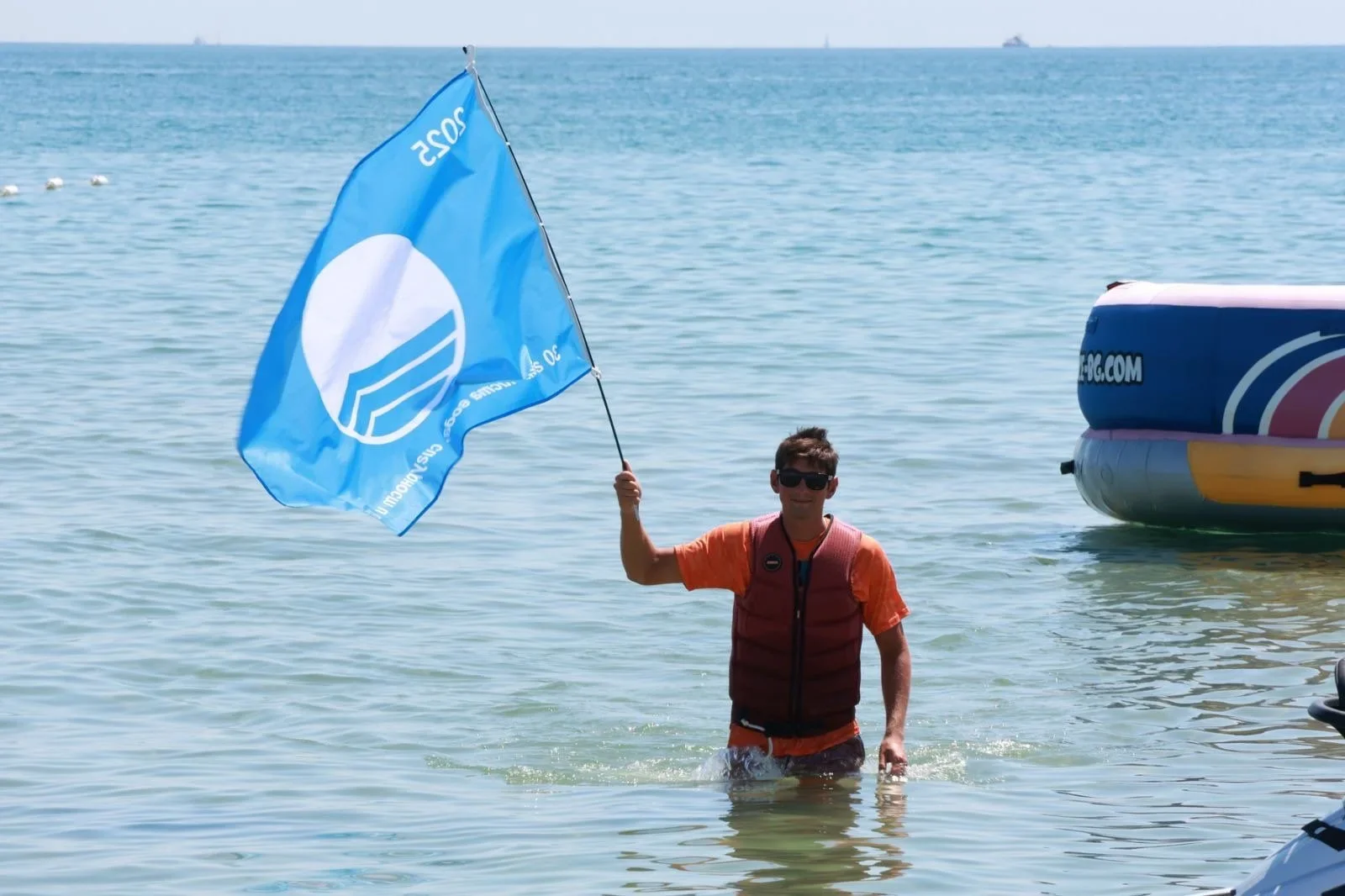
Blue Flag Award Ceremony in Sunny Beach, Bulgaria (2025). 30 years after its first Awards Ceremony in 1995
In coastal and inland water settings, Blue Flag promotes environmental protection through high standards in water quality, environmental management and environmental education. The last award season in October 2025 announced 5215 beaches, marinas and tourism boats in 51 countries are awarded the Blue Flag, supporting public engagement with aquatic ecosystems and encouraging responsible recreation.

These long-term goals are translated into collective action through initiatives such as Global Action Days, which bring together schools, communities and organisations around shared themes and objectives. The 2026 edition of Global Action Days (#GAD2026) will focus on the theme of Food Security and Climate Change with the goal of mobilising 1 million people across 150 countries. Today 26 January 2026, we are releasing our official GAD2026 Activity Guide helping participants drive meaningful action and bring attention to the important link between climate change and access to safe, nutritious and sustainable food.
A word from OUR CEO
““In a time of accelerating environmental and social challenges, education remains our most powerful tool. It connects global goals with local action and ensures that sustainability is not an abstract idea, but a shared responsibility grounded in everyday decisions,” ”
On World Environmental Education Day, FEE celebrates the dedication of its member organisations, educators, learners and partners who bring environmental education to life every day. Their work demonstrates that education is not only about understanding environmental challenges, but also about empowering people to shape a more sustainable future.
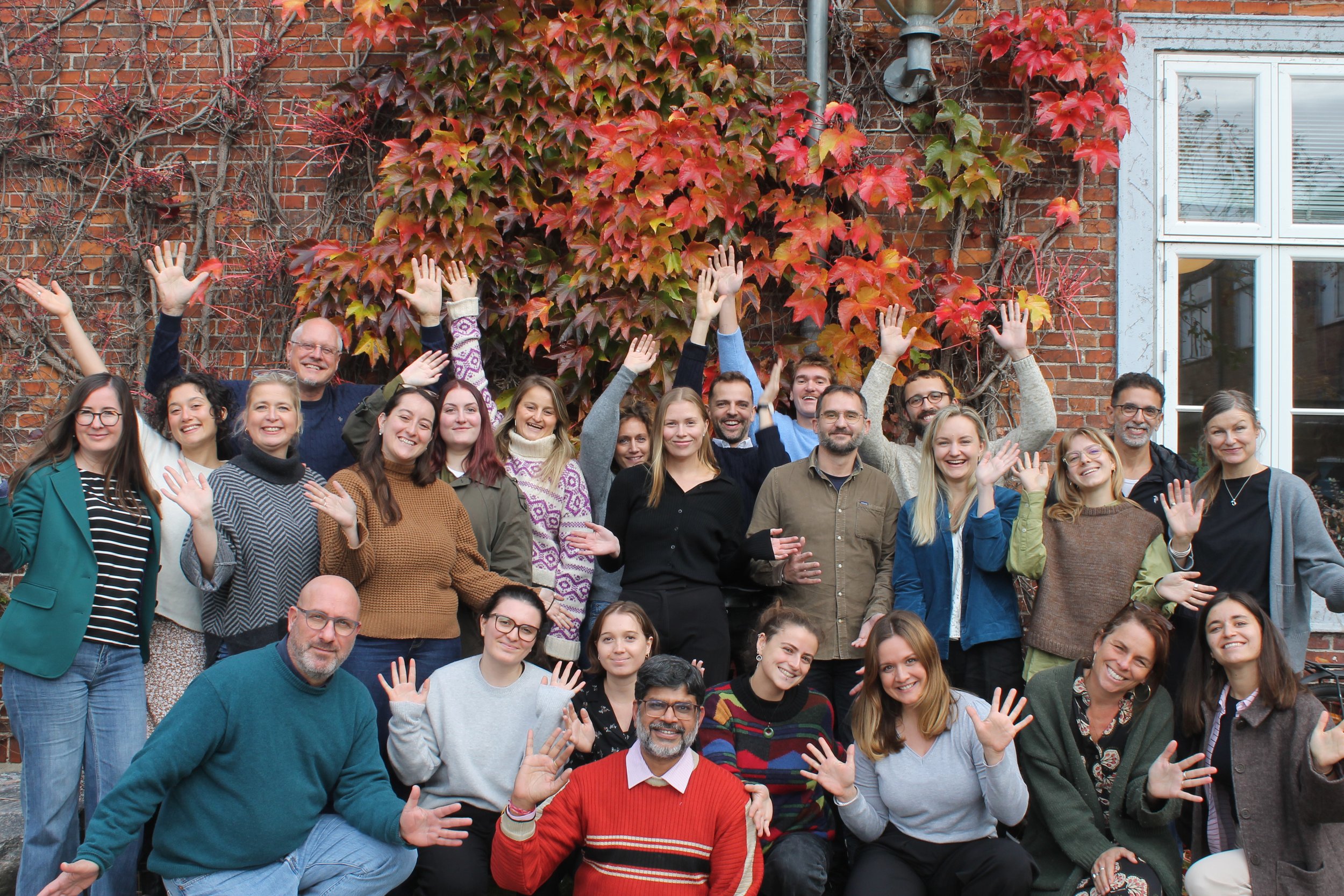
FEE Head Office team (October 2025)