About Us
Our Annual Reports
Our Team
Our Mission & History
Our Board of Directors
Our Strategy - GAIA 20:30
FEE Membership
Become a Member
Our Programmes
Our Programmes
Blue Flag International
Eco-Campus
Eco-Schools
Green Key International
Learning about Ecosystems and Forests
Young Reporters for the Environment
Global Action Days 2026
Our Work
EU Projects
Water Explorers
FEE Education Awards
Global Action Days
FEE & IUCN
FEE Academy
Glasgow Declaration
#GenerationRestoration Schools
Greening Education Partnership
FEE at COP
Our Network
Our Members
Corporate Partners
Institutional Partners
UNESCO ASPNet
News
Latest news
Careers
Get Involved!
Contact

Foundation for Environmental Education

About Us
Our Annual Reports
Our Team
Our Mission & History
Our Board of Directors
Our Strategy - GAIA 20:30
FEE Membership
Become a Member
Our Programmes
Our Programmes
Blue Flag International
Eco-Campus
Eco-Schools
Green Key International
Learning about Ecosystems and Forests
Young Reporters for the Environment
Global Action Days 2026
Our Work
EU Projects
Water Explorers
FEE Education Awards
Global Action Days
FEE & IUCN
FEE Academy
Glasgow Declaration
#GenerationRestoration Schools
Greening Education Partnership
FEE at COP
Our Network
Our Members
Corporate Partners
Institutional Partners
UNESCO ASPNet
News
Latest news
Careers
Get Involved!
Contact
Activity 1: Climate Ready through Bioeconomy

Activity 1: Climate Ready through Bioeconomy

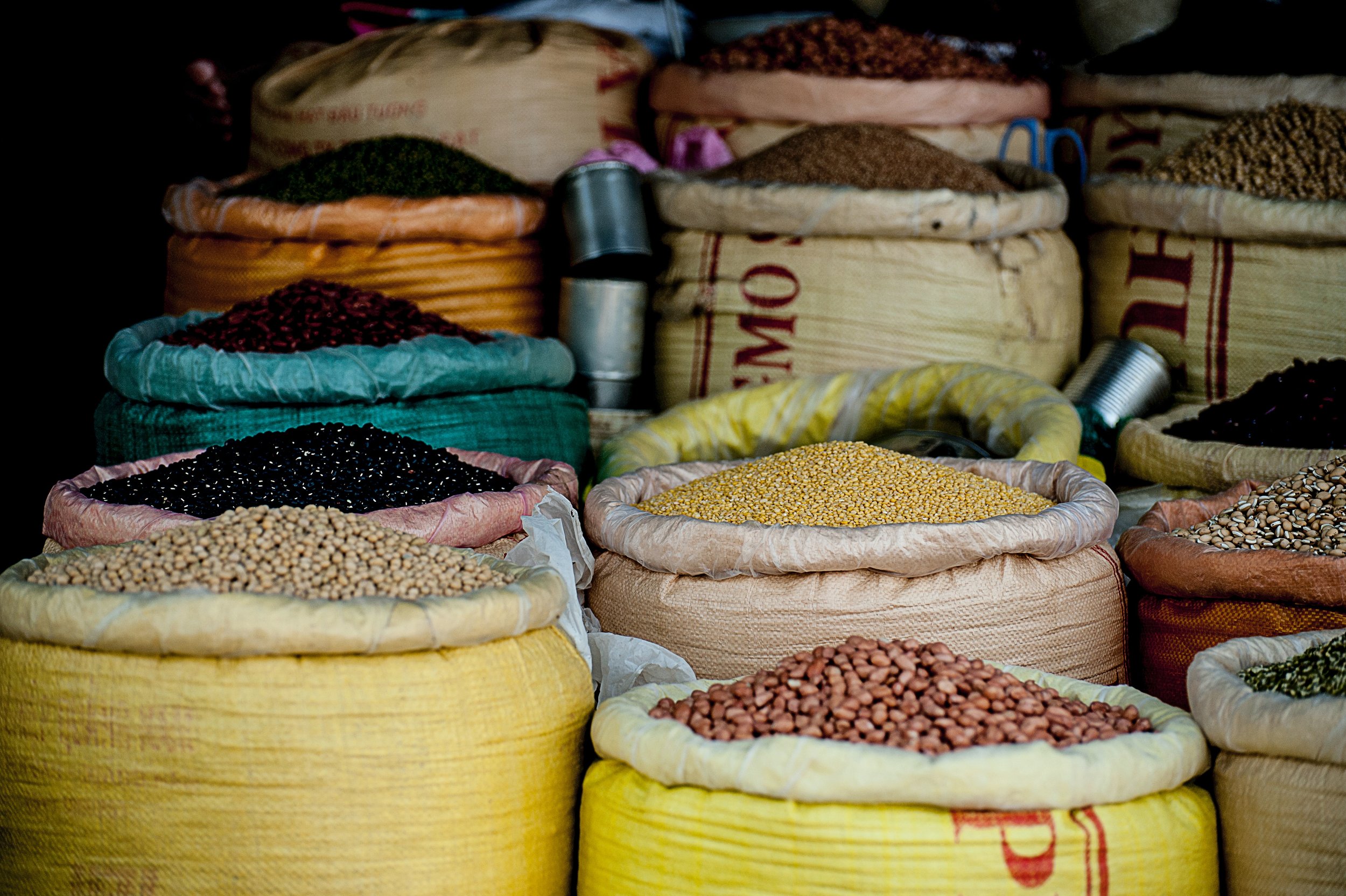
Bioeconomy means using renewable biological resources from the land and sea. Including crops, forests, fish, animals, and micro-organisms to produce food, materials, and energy. In your schools, homes or clubs find and photograph examples of products linked to bioeconomy, such as cloth bags, woollen clothing, organic food and FSC certified wood.

SHARE and POST: Collages or reels of the bioeconomy products you photographed and comment on the items you found and what man-made products you can swap for naturally made versions in your everyday life. Remember to include the hashtags #MyActionsMatter #GlobalActionDays and #GreeningEducation so others can see and compare their bioeconomy finds.

Activity 2: Climate Ready through Food

Activity 2: Climate Ready through Food

Did you know that you need about 1 gram of protein per kg of body weight, per day as part of a healthy diet? Prepare a 24-hour meal plan to show how you can achieve this target using a protein that is either plant-based or low-carbon (or both!)

SHARE and POST: A photo of your daily meal plan or pictures of your healthy and low-carbon meals and comment on why you included certain plant-based or low-carbon protein-rich foods in your meal plan. Remember to use the hashtags #MyActionsMatter #GlobalActionDays and #GreeningEducation

Activity 3: Climate Ready through Circular Economy

Activity 3: Climate Ready through Circular Economy

Wasting resources contributes to climate change- it can also block drains and increase the risk of flooding, be eaten by animals on land or in the ocean and can cause people to think it is acceptable to drop even more litter! Find the ‘waste hotspots’ where litter and waste accumulate in your local community and take a photo, then carry out a clean-up and take another photo.

SHARE and POST: Your before and after photos of your waste hotspot clean up and comment on how this waste and litter could have been prevented through refusing, reducing, repairing, and repurposing waste. Remember to use the hashtags #MyActionsMatter #GlobalActionDays and #GreeningEducation

Activity 4: Climate Ready in Changing Weather

Activity 4: Climate Ready in Changing Weather

As the climate changes, the frequency and intensity of extreme weather events such as flooding, drought, heat, fires, wind, and snowfall are increasing. List the extreme weather events which have affected your country in the last 3 years- map and make a calendar of these events to examine if any patterns are emerging for where and when this extreme weather has occurred.

SHARE and POST: A photo of your extreme weather maps and calendars and comment on how your school, family or local community could better prepare to protect yourselves from such extreme weather events in the future. Remember to include the hashtags #MyActionsMatter #GlobalActionDays and #GreeningEducation

Activity 5: Climate Ready through Ecosystems Restoration

Activity 5: Climate Ready through Ecosystems Restoration

Birds and their migratory patterns are a great indicator of the impacts of climate change and, the health of ecosystems. Go outside and spend time spotting birds or listening to their song- identify the birds that you see and hear. To help with identification use the free e-Bird app.

SHARE and POST: Photos or videos of the bird(s) you spotted and comment on the status of the bird(s) on the IUCN (International Union for Conservation of Nature) Red List of Threatened Species and what needs to be done to keep their populations healthy. Remember to include the hashtags #MyActionsMatter #GlobalActionDays, #GreeningEducation and #GenerationRestoration

1 2 3 4 5
Previous Next
Activity 1: Climate Ready through Bioeconomy
Activity 2: Climate Ready through Food
Activity 3: Climate Ready through Circular Economy
Activity 4: Climate Ready in Changing Weather
Activity 5: Climate Ready through Ecosystems Restoration
Back to Top
GDPR Policy
Whistleblower Policy
Cookie Policy
Equality, Diversity and Inclusion Policy
Frequently Asked Questions
FEE Academy GDPR Policy

Contact

Foundation for Environmental Education
Scandiagade 13
2450 Copenhagen SV
Denmark

info@fee.global

PROGRAMME SITES

Blue Flag

Green Key

Eco-Schools

Young Reporters for the Environment (YRE)

Learning about Ecosystems and Forests (LEAF)

Eco-Campus

Copyright 2026, The Foundation for Environmental Education


Link to FEE's LinkedIn page
Link to FEE's Instagram page
Link to FEE's Facebook page
Link to FEE's Flickr page