Global Forest Fund project in Kenya will plant 10.000 trees, engage 1.500 students in environmental education and green enterprise

The Foundation for Environmental Education is pleased to announce that the Global Forest Fund will finance a three-year project in Nairobi and Kiambu counties in Kenya, to be implemented by Foundation for Environmental Education member organisation Kenya Organisation for Environmental Education (KOEE). The “Tree Planting as a Pathway to Green Growth and Sustainability” project will run from November 2020 – November 2023 and involve over 1.500 students and 50 teachers from Nairobi Academy and Githiga Boys High School.

Students from Migwani Secondary School in Kitui County, Kenya participate in a previous KOEE tree-planting project

Students from Migwani Secondary School in Kitui County, Kenya participate in a previous KOEE tree-planting project

The project in Kenya was awarded funding by the Global Forest Fund Expert Panel, which is composed of several leading figures in the fields of environmental education and Education for Sustainable Development.

Sirpa Kärkkäinen, Liaisons Manager at the Finnish Forest Association and member of the 2020 Expert Panel, says, “All the proposals showed a tremendous amount of thought and innovation… In the end, following much debate by the Expert Panel an unanimous decision was reached. The proposal from Kenya demonstrated the most impact across all the measurable fields of the application. The Expert Panel felt that  Kenya’s attention to community and biodiversity aspects was very impressive and the scale of the planting ambitions was within reason. Furthermore, the project’s plans to work closely with experts in the field of forestry and bring in-kind sponsorship to the project were also compelling reasons to allocate the funding to Kenya´s proposal.”

Biodiversity, Education and Green Enterprise

According to Alvin Sika, Programmes Officer at KOEE, the project “aims to increase awareness among students on the importance of trees, promote tree planting in schools and communities and enhance eco-friendly enterprise skills among young people for sustainable forest resource management.”

Tree planting is a central component of all Global Forest Fund projects, and the project in Kenya will see students and communities plant 10.000 trees from a variety of ecologically and socially important species. The species were chosen for their suitability to the ecological zone and fast maturation rates that maximise atmospheric carbon intake. They also serve as windbreaks, have numerous agroforestry benefits and play an important role in soil conservation. Students will also plant mango trees that provide valuable nutritious fruit to their schools and communities and provide an extra source of income through sale at local markets.

A tree nursery established by KOEE at Watema Primary School in Makueni County, Kenya

A tree nursery established by KOEE at Watema Primary School in Makueni County, Kenya

The project in Kenya will also involve environmental education and capacity building for students, teachers, parents and others in the communities. Participants will learn about the important role of trees in mitigating the impacts of climate change, from carbon sequestration to promoting sustainable livelihoods. Classroom training will be supplemented by outdoor field trips to learn more about local forest ecosystems, and the schools will arrange student art competitions around the products, services and benefits provided by trees.

The participating schools and communities will also be trained in nursery management and long-term tree care, ensuring that the 10.000 new trees will continue to thrive in the future. The project will bring in forestry experts from the Kenya Forest Service to provide training on the more technical aspects of agroforestry and integrated forest resource management. By the end of the project, participants will be equipped with the motivation and practical skills to protect the health and sustainability of their schools, communities and planet for years to come.

As Mr. Sika concludes, “The enhanced partnership between schools and communities will give a much-needed boost to collaborative efforts on sustainable forestry and green enterprises. The biggest benefit for all the stakeholders will be reduced amounts of carbon in the atmosphere.”

A KOEE teacher-training workshop in Nairobi, Kenya

A KOEE teacher-training workshop in Nairobi, Kenya

About the Global Forest Fund

The Global Forest Fund is a unique carbon compensation initiative developed by the Foundation for Environmental Education that allows businesses and individuals to reduce their carbon footprint by providing valuable resources and environmental education to communities around the world. Our web platform allows travellers to calculate their carbon emissions across a range of transport options, and compensate for those emissions by investing in projects that have a real and lasting positive impact on the environment. Global Forest Fund projects are designed to capture carbon, restore nature, protect biodiversity, promote sustainable communities and educate the next generation of environmental leaders.

Raising the next generation of eco-warriors to change the world

Frugi partners with Keep Britain Tidy’s Eco-Schools programme to help fund up to 150 UK schools to achieve a Green Flag certification

Frugi-1-Eco-Schools.jpg

Press release from Eco-Schools England

2 July 2020 - Frugi, the leading ethical and organic children’s clothing company, is proud to announce a partnership with Eco-Schools as part of their Little Clothes BIG Change charity initiative. Each year Frugi donates 1% of turnover to charity and has so far donated £600,000 over the past 16 years to help children and environmental non-profit organisations.

Frugi’s ambition is ‘to help raise the next generation of eco-warriors to change the world’, which makes the Eco-Schools programme, the largest educational programme in the world, the ideal partner.   

With a goal to empower young people to take environmental actions to get their whole school and community involved, schools follow a Seven Step programme that culminates in achieving an international Eco-Schools Green Flag certification.

Frugi/Eco-School Partnership

Frugi is committed to funding the Eco-Schools Green Flag fees for up to 150 UK schools from Early Years Foundation (3-5), Primary Schools (5-11) all the way through to Secondary and Further Education (12-18) and is the first company to sponsor schools for all age groups. 

To kick off the partnership, Frugi is sponsoring a ’10-day challenge’ as part of the hugely successful #EcoSchoolsAtHome campaign which was launched during the Covid-19 lockdown. Each day Frugi and Eco-Schools will launch a new challenge around one of the Eco-Schools topics: Biodiversity, Energy, Global Citizenship, Healthy Living, Litter, Marine, School Grounds, Transport, Waste and Water. The challenges are being supported by a raft of environmental influencers, including household names such as Rowing Champion Helen Glover, Robert Douglas from This Father Life, TV Presenter Radzi Chinyanganya and young cycling guru Ruby Isaacs.  Frugi will also be running various competitions for pupils to win organic t-shirt and sock bundles, water-bottles, back-packs, and other ethically made goodies, during the week.

“Benefiting children, communities, and our environment, Eco-Schools share the same goals, ambitions, and ethos of Frugi.  That’s why we are so proud and excited to be part of this collective global effort to support the education of children on sustainable and environmental issues and to help them to change our world for the better,” says Hugo Adams, CEO of Frugi.

National Eco-Schools Manager Lee Wray-Davies says, “No school in England has to be an Eco-School, and yet 20,100 Eco-Coordinators have given their valuable time (some for over 20 years) to manage and run the programme in their schools, on top of the additional pressures and responsibilities they face within an ever-changing education sector. The maturity and determination of their students to make an environmental difference is a testimony to these inspiring individuals and the Eco-Schools programme. We are the largest educational programme on the planet and with the support of wonderful organisations such as Frugi; helping us to create innovative projects and financially support schools, I don’t doubt we will continue to be for another generation.”

What is Eco-Schools?

Eco-Schools was introduced in 1994 in England as a response to the 1992 UN Rio Earth Summit. It now runs across 67 countries with more than 1,000 English schools proudly flying the internationally recognised Green Flag Award.  It is operated globally by the Foundation for Environmental Education and is managed in England by Keep Britain Tidy.

Keep Britain Tidy is a charity and it is free to register on the Eco-Schools programme. Once registered, schools gain access to free Eco-Schools resources that help them meet the international Seven Step criteria. A fee of £200 (+VAT) is charged to cover the cost of an assessor visit once the programme has been completed and the Green Flag/certification schools received. 

How Does It work?

Spanning 67 countries worldwide, the Eco-School’s programme gives pupils the freedom to decide one of ten Eco-Schools topics they want to work on. Once they have chosen the topics, they are free to decide what actions they want to take and how they are going to involve their school and community. The whole process takes around one academic year until they become a proud Green Flag owner and fully established Eco-School.

The Eco-Schools programme consists of three structural elements, including the Seven Step Framework, the Eco-Schools Topics and assessment for the international Green Flag award. To be successful the programme requires support from school leaders and active involvement from staff, as well as a long-term commitment and the willingness to involve students in decision-making. The Eco-Schools Seven Steps methodology is a series of carefully engineered measures to help schools maximise the success of their Eco-School ambitions.

Why is it worthwhile?

The Eco-Schools programme is an ideal way for schools to embark on a meaningful path towards improving the environment in both the school and the local community while at the same time having a life-long positive impact on the lives of young people and their families.

When a child gets actively involved with Eco-Schools, they enhance their development and are encouraged to use their imagination and voice in a safe, non-judgemental environment. They become minute makers, organisers, planners, and influencers. Eco-Schools has the power to transform pupils into forward thinking, challenge solving, decision making adults of the future.  This not only benefits so many children’s lives, but it helps raise environmental change-makers of the future.

As well as the benefits to pupils, individual schools’ benefit from reducing their environmental impact. Eco-Schools consume less water and energy and produce less waste – in turn saving money that can be allocated elsewhere in the school.

Find out more about the Eco-Schools programme and register for free on their website:
https://www.eco-schools.org.uk/

About Frugi

Frugi was founded in 2004 by Kurt & Lucy Jewson after they struggled to find clothes to fit over cloth nappies. 16 years later, Frugi is the UK’s leading ethical and organic children’s clothing brand available to buy online from welovefrugi.com and over 500 retailers globally in 30 countries. The full range includes tiny baby to ten years with a stylish twinning, maternity, and breastfeeding range for Grown-Ups, as well as bedding and accessories.

Designed in Cornwall, Frugi are daft about clever details and famous for vibrant prints, fun appliqués, and super comfy designs. The range is made from supremely soft, premium organic cotton or recycled materials. Frugi are proud to be certified by the Soil Association and Global Organic Textile Standard (GOTS) receiving the highest level of certification in the world of leading textile processing standards. Every year 1% of turnover is donated to charity through the Frugi Little Clothes, Big Change initiative.  

Frugi is the trading name of Cut4Cloth Ltd registered in England, company number 05011885. The registered office is Wheal Vrose Business Park, Helston, Cornwall TR13 0FG.

Media Inquiries: Samantha Dark, PR Manager at Frugi, sam.dark@welovefrugi.com

Sam Patterson overcomes challenges to take first place in Northern Ireland YRE competition

sa.jpg

Sam Patterson’s love of the environment started when he was a just a baby, when he would be calmed by the sound of wind moving through the trees. As a toddler he could be found gently stroking snail shells in the garden, and by age four he regularly wondered if trees might have senses we don’t understand. At age seven, the same year he was diagnosed with dyslexia, Sam was speculating if we could freeze exhaust fumes and somehow reuse them, or at least prevent them from polluting the air. When he was nine, Sam was diagnosed as being on the autism spectrum.

And this year, Sam published a piece of environmental journalism that won first place in the Northern Ireland Young Reporters for the Environment (YRE) national competition. His Litter Less Campaign article ‘The Natural Respirator’ explores the paradox between humanity’s connection to nature and our tendency to harm it through human activities. 

Read Sam’s winning article here

Sam’s lifelong passion for the environment inspired him to participate in the YRE competition, and personal experience moved him to choose the topic of his article.

“My family were experiencing quite a lot of difficulty at the time as my grandfather was dying of Covid in hospital,” says Sam. “There were a lot of these man made policies and safety regulations and things for them to deal with. But really I was thinking about how I could help to benefit the environment. The environment feels more straightforward – there’s no catch to looking after it. It’s a flawless thing. That’s why I called it the Natural Respirator. I knew about shortages in the UK and that they were tied to leaving the EU and the secrecy around this. There’s no pride in nature. It’s easier for me to relate to it.”

Sam at age 3 with one of his beloved garden creatures.

Sam at age 3 with one of his beloved garden creatures.

Sam’s mother Rachael says that despite his differences, he has always been enthusiastic about expressing his love of nature. Even though he struggled to read and write when he was younger, Sam has always had a vivid imagination and a strong grasp of language.

“Sam preferred to communicate by drawing and talking, and much of what he drew was to do with the natural environment,” says Rachael. “On discovering his dyslexia he gained the support he needed to allow his love of words to take shape on the page. He was then able to enjoy the text as well as the photos in his many wildlife books. Sam then joined the school's Eco Council and found his place. There he developed confidence in writing about what he loved, often illustrating his ideas. His great passions in life are the environment and art, with writing coming along a little later, but with growing confidence it proves an ever increasing channel for Sam's self-expression.”

Sam drew this illustration of a Blyth’s Hornbill as a birthday present for his mother this year.

Sam drew this illustration of a Blyth’s Hornbill as a birthday present for his mother this year.

Sam joins the ranks of other spirited young environmentalists with autism, including Greta Thunberg and fellow Northern Irishman Dara McAnulty, who channel their particular ways of seeing the world into positive action for the planet. Leadership comes in many forms, and these young activists are using their unique perspectives to change the way people think about the environment.

As for Sam, YRE has given him the opportunity to hone his environmental reporting skills and provided a platform to communicate his message to the world. He hopes that his article can inspire others to reconsider their attitudes and behaviour towards nature.

“I hope it’ll allow them to realise that we need to strengthen our relationship with the environment. To understand that we’re all part of one huge ecosystem, and we’re all interconnected. Distancing ourselves from fully knowing this isn’t good for us… When there’s an increase in knowledge there’s an increase of support, of passion and of a will to change things, I think.”

FEE to play meaningful role in CAN$2.5-million partnership project to promote global climate change education

The Foundation for Environmental Education (FEE) will collaborate with over 80 leading scholars, agencies and organisations in the fields of climate change and education to implement the six-year Monitoring & Evaluation of Climate Change Education (MECCE) partnership project.

Dr. Marcia McKenzie of the University of Saskatchewan will lead the partnership. (Photo: Dave Stobbe)

Dr. Marcia McKenzie of the University of Saskatchewan will lead the partnership. (Photo: Dave Stobbe)

The MECCE partnership, led by University of Saskatchewan College of Education Professor and Director of both the Sustainability Education Research Institute (SERI) and Sustainability and Education Policy Network (SEPN) Dr. Marcia McKenzie, aims to increase both the quality and quantity of global climate change education, training and public awareness. Funding for the project is provided by a CAN$2.5-million Partnership Grant from the Social Sciences and Humanities Research Council of Canada (SSHRC).

Despite the urgent threat that climate change poses to the future of our planet and the integrity of human life on Earth, there is still a troubling gap in public climate change knowledge. Climate change denial, along with rhetoric minimising the risks associated with climate change, continue to be amplified worldwide despite scientific evidence to the contrary. Effective education is essential to overcoming climate denial, advancing climate literacy and driving climate action.  

Education plays a critical role in fostering the kinds of changes in lifestyles, attitudes and behaviours needed to create a sustainable world. Through this major federal investment and working with our many partners around the world, we will help improve climate change education policies and practices, train students and policy makers, and develop a standard set of quality education indicators for monitoring progress toward the United Nations Sustainable Development Goals,” said University of Saskatchewan Vice-President of Research Karen Chad.

The expected outcomes of MECCE include a greater understanding of the factors that characterise quality Climate Change Education (CCE), new indicators to enable effective CCE target-setting, the incorporation of project outputs into environmental policy practices, a new generation of effective climate education leaders and researchers, and increased global climate change action through a more educated citizenry.

With better understandings of quality climate change education and training, countries will be able to improve their policy and practice, whether that is developing more effective environmental education curricula for elementary schools, or launching employee emission-reduction programs for local businesses,” said Dr. McKenzie.

FEE strengthens the MECCE partnership

With nearly 40 years of experience facilitating environmental education around the world, FEE will contribute to the objectives of MECCE by sharing practical and informed input about the evaluation and implementation of quality environmental education. The strength of the FEE network, with 99 member organisations in 77 countries, will also prove a valuable asset for assessing and disseminating Climate Change Education around the world.

One of the first actions of MECCE will be to gather 30 case studies from six continents to generate a greater understanding of quality CCE from diverse geographical and cultural perspectives. FEE, through the extensive reach of its programmes, will support the acquisition of truly global case studies based on existing FEE projects with various economic, social, cultural and geographical contexts and diverse target audiences (students, managers, teachers, tourists etc.).  

Another critical outcome of MECCE will be the development of new CCE monitoring indicators to enable global CCE target-setting and evaluation. FEE will contribute to this element of the project with advice based on its own experience monitoring and evaluating FEE’s educational programmes and projects, and by providing validation of the proposed indicators.
FEE is an ideal MECCE partner when it comes to knowledge mobilisation, based on the organisation’s strong global network and extensive programme reach. FEE also plans to integrate MECCE’s findings into its own programme and project designs in order to build educational capacity and maximise positive impact. FEE’s multinational Member Organisations can assist with translating and adapting materials for different national and regional contexts. FEE is also in the process of developing an online learning platform called FEE Academy, which will further the dissemination of MECCE materials through an open online repository of educational courses and learning materials.

As Dr. McKenzie concludes, “The science on human-induced climate change is conclusive, but it has been challenging to connect the need for societal change with existing priorities and values. This project will help us better communicate with various groups in ways that resonate with them, with an aim to ultimately inspire and incite more communities and countries to act.

Climate Crisis.jpg

All quotes are taken from the original University of Saskatchewan article and are used here with permission.

Chilean Senator Kenneth Pugh calls for all beaches in Chile to work toward Blue Flag certification

Click here for the original article from The Times Chile (in Spanish)

Translation by Lourdes Diaz, FEE Board of Directors

The senator for the Valparaíso Region, Kenneth Pugh, raised via video conference for a colloquium - organized by the Chilean Maritime League - the need for Chilean beaches and ports to obtain an international certification known as Blue Flag that has the support of the United Nations (UN) and which considers four criteria: quality of bathing water, environmental information and education, environmental management and security and services and facilities.

“The benefits of having our coastline and beaches have this certification are multiple. From greater possibilities for tourism, since more and more tourists are looking for this type of certified beaches to go on vacation (especially those from developed countries), boost the economy of these localities, promote recycling, sustainable development and sustainability on our beaches, improve the care of our marine resources such as fish, crustaceans and shellfish, generate environmental awareness and education, among others, ”explained the independent congressman for the RN.

In addition, the parliamentarian emphasized the importance of connectivity that the sea has, not only for maritime transport, but also for the connections and trade that take place in its waters, through container ships over the sea and submarine fiber optic cables, that carry electronic commerce of the Internet by the seabed.

In Chile, the municipality of Zapallar announced during December of last year that it started the international implementation process to obtain the Blue Flag certification for the Cachagua beach. This would make Chile the first country in the South American Pacific to achieve this worldwide recognition.

Worldwide, Spain leads the Blue Flag certification, adding almost 600 beaches (252 municipalities) and 100 marinas. In South America, Brazil is the benchmark with four beaches and two marinas. "We have to follow the example of Spain, in which the work of the municipalities together with social and neighborhood organizations and the private sector has allowed this country to be a pioneer in this matter. To achieve this, education at an early age is very important, since if we teach our children from a young age the importance of the sea and the care of water resources, it will be easier to raise awareness by the time they are adults," said the MP.

Reform in favor of the sea

Regarding other projects to protect the seas, Senators Kenneth Pugh and Ricardo Lagos Weber presented a constitutional reform project last year that seeks to recognize the duty and interest of the State to safeguard Chile's maritime spaces and, in this way, contribute to the care of the environment.

“Today it is of utmost importance that the State of Chile commits itself to the highest legal level; that is, in our Constitution, with our maritime territory. We have an obligation to protect and promote knowledge about our oceans, "said Pugh.

Senator Kenneth Pugh, photo from https://www.pugh.cl/

Senator Kenneth Pugh, photo from https://www.pugh.cl/

Nicole Andreou, International Eco-Schools Coordinator, Selected as EE 30 Under 30 Changemaker Grantee

Washington, D.C., United States, March 9, 2020 – Nicole Andreou, International Eco-Schools Coordinator at the Foundation for Environmental Education (FEE), was selected as an EE 30 Under 30 Changemaker grantee by the North American Association for Environmental Education (NAAEE). She will join a cohort of thirteen leaders from eight countries, receiving small grants and technical support to implement environmental education projects that build low-carbon economies, create resilient communities, and protect and restore ecosystems.

Nicole’s grant project will provide EE professional development opportunities for National Operators of the Foundation for Environmental Education’s Eco-Schools programme across 68 countries.

“This project involves different aspects of learning and transferring knowledge that ultimately help build my capacity as an educator and will support many in the FEE network with the right knowledge, tools and skills to implement work with environmental education more effectively,” said Nicole Andreou. Her project will be implemented in collaboration with experts within the global FEE network.

“Wells Fargo understands the urgency of accelerating a just transition to a low-carbon economy and helping communities become more resilient to the impacts of climate change – that’s why we collaborated with NAAEE to support these inspiring Changemakers. Through their passion, innovation, and perseverance, these young leaders are helping to shape the communities of the future,” says CaSondra Devine, Enterprise Sustainability Leader at Wells Fargo.  

EE 30 Under 30 Changemaker grantees will lead their projects over the course of 10 months, and in addition to seed funding will receive professional development support, including the opportunity to present about their work at NAAEE’s 49th international conference in Tucson, AZ, in October 2020.

Says Judy Braus, Executive Director of NAAEE, “Our EE 30 Under 30 Changemaker grantees exemplify the very best in environmental education and inspire us to think boldly about how we can tackle the tough issues we face. NAAEE is so proud to collaborate with Wells Fargo on this initiative, and to be able to provide these leaders with the support they need to shape healthier and more sustainable communities.”

In 2019, Nicole Andreou was recognized through NAAEE’s global EE 30 Under 30 program, which annually recognizes exemplary leaders under the age of 30 who are harnessing the power of education to create a more sustainable future. To learn more, visit naaee.org/ee30under30.

About NAAEE

For nearly five decades, the North American Association for Environmental Education has led efforts to use the power of education to advance environmental literacy and civic engagement and create a more equitable and sustainable future. NAAEE supports a network of more than 20,000 educators and 56 state, regional and provincial affiliate organizations working in environmental education in more than 30 countries. 

Contact Name: Nina Hamilton | Contact Email: nina@naaee.org | Contact Phone: (202) 419-0412

Changemaker+Grantees+Announcement+FB.png

2019 FEE Annual Report

The Foundation for Environmental Education is pleased to share our 2019 Annual Report. The publication highlights FEE’s developments, accomplishments and stories from the previous year. As always, we would like to acknowledge our extremely dedicated global network of members, partners and other stakeholders for their continued commitment to positive change. Thank you for working with us to build a more sustainable world!

Click on the photo below to read the full Annual Report.

2020 Travel Retail Awards will raise funds for Litter Less Campaign projects in India

01/04/2020 Update: The Travel Retail Awards will now take place at the TFWA World Exhibition & Conference in Cannes in October.

The Foundation for Environmental Education (FEE) has been nominated by our valued partner the Mars Wrigley Foundation to be the beneficiary of funds raised during the 2020 Travel Retail Awards. The third edition of the annual awards ceremony, which is organised by TRBusiness, will be held on the 12th of May at The Conrad Hotel in Singapore.

The funds raised at the Travel Retails Awards will be directed towards the Litter Less Campaign, a joint initiative of FEE and the Mars Wrigley Foundation. The Litter Less Campaign educates children and youth on the issues of litter and pollution and gives them the opportunity to engage their local communities in awareness-raising activities. Since its launch in 2011, the Litter Less Campaign has educated over three million students around the world about the challenges of litter and waste in their communities and empowered them to become leaders driving sustainability and positive behaviour change. Phase IV of the Litter Less Campaign was launched in 2019 and will be implemented in 15 countries through two of FEE’s global education programmes, Eco-Schools and Young Reporters for the Environment.

The Travel Retail Awards raise funds through a charity prize raffle of high-value products donated by the event’s sponsors and participants, along with cash donations made throughout the evening. Proceeds raised for the Litter Less Campaign at the May 2020 event will be specifically directed to projects at twelve schools the region of New Delhi, India. The Litter Less Campaign will engage roughly 6,000 students and reach hundreds of communities in the region, where littering and waste management issues pose a serious challenge.  

As a business that is all about better moments that make the world smile, Mars Wrigley ITR is proud to partner with TRBusiness to raise awareness and funds for the Litter Less Campaign. FEE’s Litter Less projects drive behaviour change around litter and waste prevention. They will create better communities in India with the support from the travel retail community, and we are very excited about the opportunity to drive impact in this way.”

–Gary Clarke, General Manager, Mars Wrigely ITR

FEE is privileged for the funding and for the partnership it has been granted by the Mars Wrigley Foundation since 2011. Litter is a form of pollution that poses an increasing global problem but that can be solved by change in individual behaviour. The Litter Less Campaign is an essential part of our ongoing efforts to educate and change the behaviour of children, youth and adults around the world to reduce the negative impacts of litter. Any additional support that can help us in our pursuit to make schools hubs of positive change will be greatly valued and put to good use. We are grateful to be the designated charity of the Travel Retail Awards and thank the travel retail industry for its generous support and cooperation.”

-Daniel Schaffer, CEO, Foundation for Environmental Education

Funds from the 2020 Travel Retail Awards will benefit Litter Less Campaign projects in India

Funds from the 2020 Travel Retail Awards will benefit Litter Less Campaign projects in India

About the Travel Retail Awards

TRBusiness, retail’s leading provider of duty free and travel retail news, launched the first and only consumer-voted awards dedicated to the travel retail industry in 2018. The game-changing initiative and awards event recognises true ingenuity in travel retailing. It awards airports and products following a judging process, which involves expert research and priceless consumer blogger and video blogger feedback to crown the industry’s trailblazers.

About Foundation for Environmental Education

Foundation for Environmental Education (FEE) is the world's largest environmental education organisation with members in 77 countries. Through five ground-breaking programmes, FEE empowers people to take meaningful and purposeful action to help create a more sustainable world.

About the Mars Wrigley Foundation

The Mars Wrigley Foundation partners with organizations around the world to help people and communities flourish. Founded in 1987, the Foundation works to provide oral health education and care, improve lives in mint- and cocoa-growing regions, prevent litter and waste, and create vibrant communities.

CEO Daniel Schaffer talks FEE and positive action with Great.com

“Instead of telling people what they shouldn’t be doing, we try to provide them with ways that they can actually find solutions to do things in a more sustainable way.”

That’s the message that CEO Daniel Schaffer emphasised as part of the core philosophy of the Foundation for Environmental Education (FEE) when he was interviewed by Spirit Rosenberg of Great.com as part of their Great Talks With… series.

Daniel elaborated that part of the “golden thread” that runs through all of FEE’s work is a positive and solution-based mentality. “Telling people what they can’t do is not the way forward, so FEE shows people what they can do and gives them concrete ways to make real change happen.”

Daniel appeared on the series to introduce FEE to a new audience and explain why the work FEE does around the world is so critical. He describes how FEE educates multiple stakeholders about environmental issues and inspires them to take positive action for sustainability. Daniel and Spirit had a lively discussion about the current state of environmental activism and how FEE fills a unique and important role in the sustainability movement. Watch the video below to hear the full conversation.

Great.com is an organization that is changing the way people think about charity, development, and organizations. They’re leading the next generation of charitable giving with their completely remote and radically transparent charity.

Photo from Great.com

Photo from Great.com

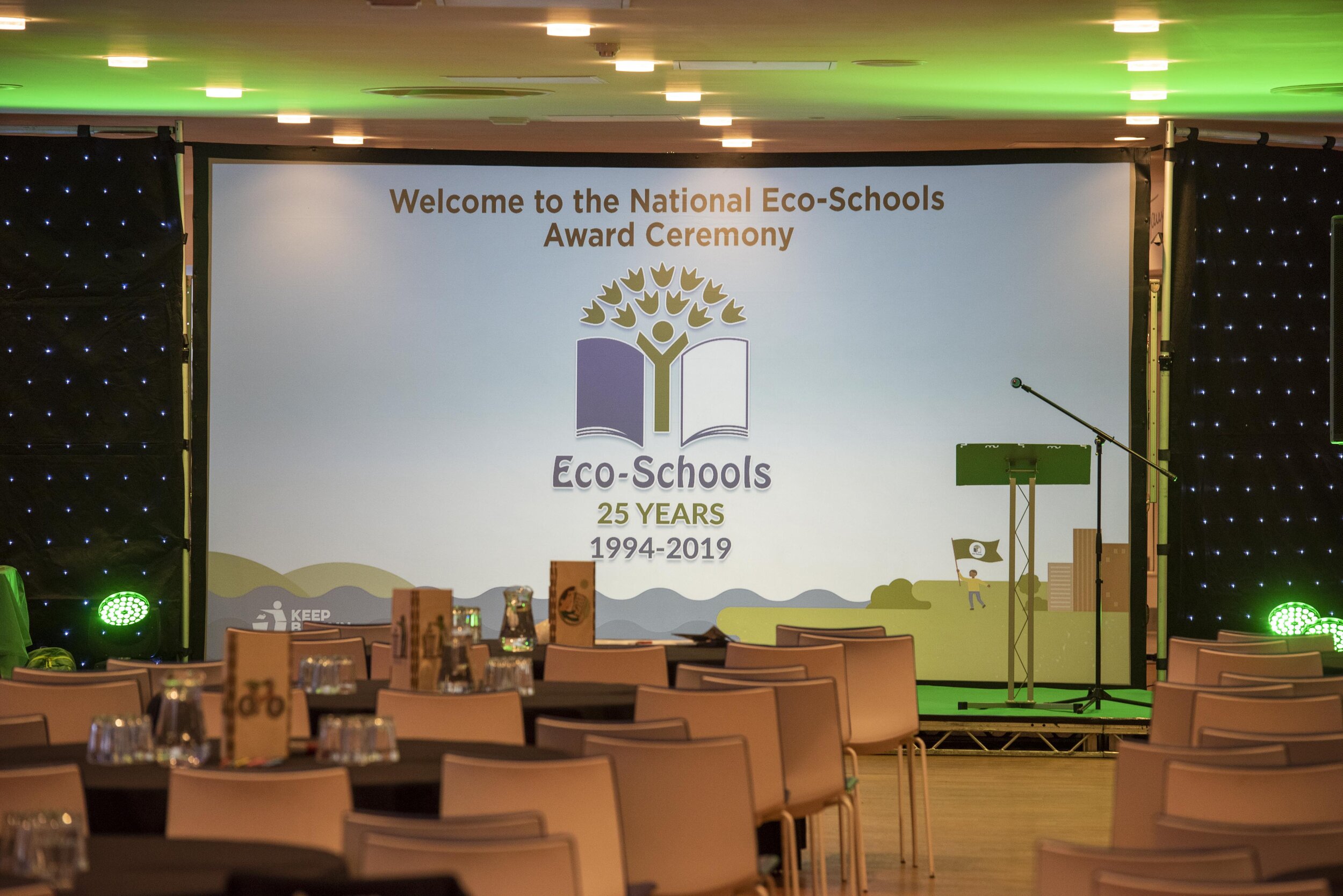
Keep Britain Tidy celebrates 25 years of Eco-Schools with National Award Ceremony

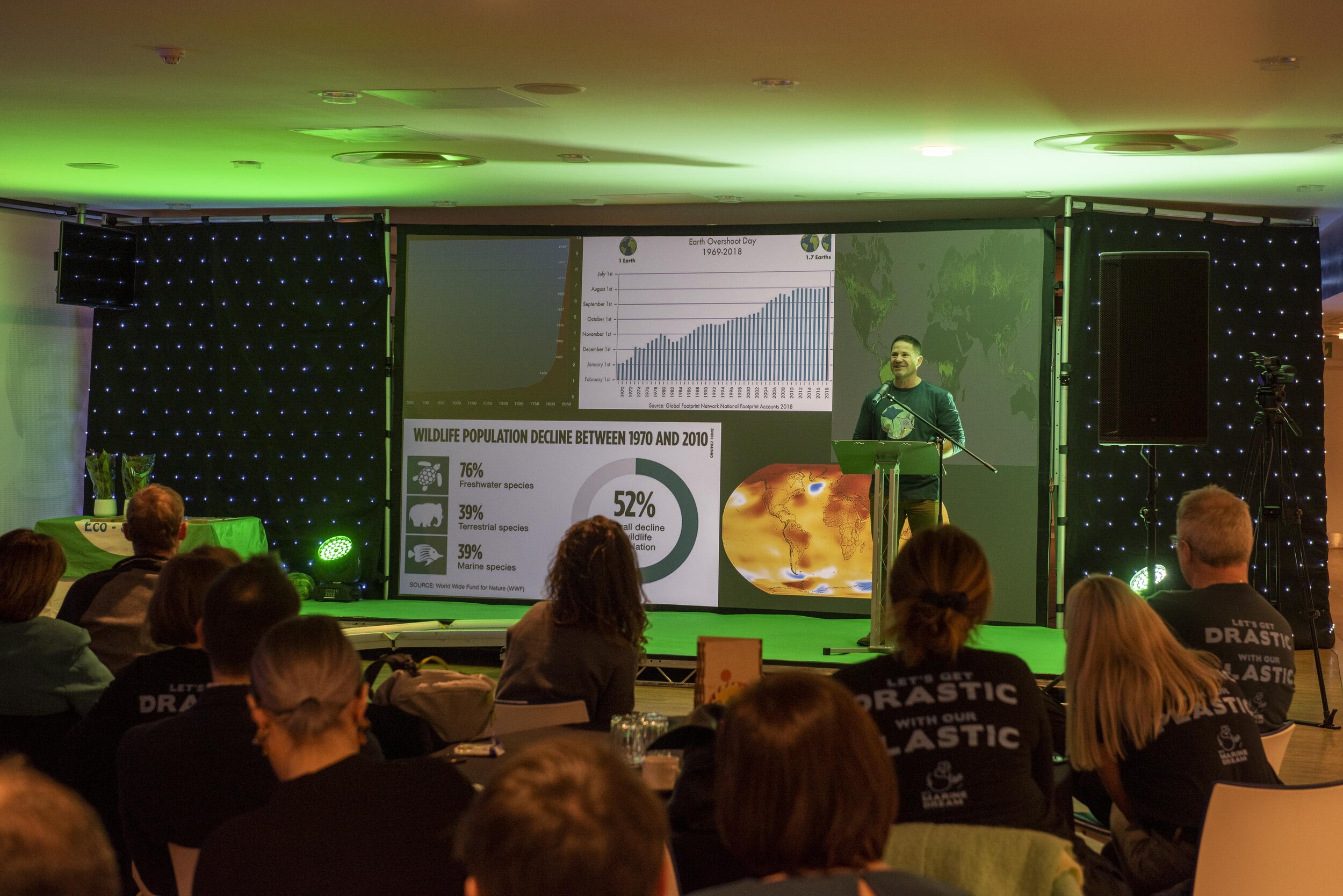
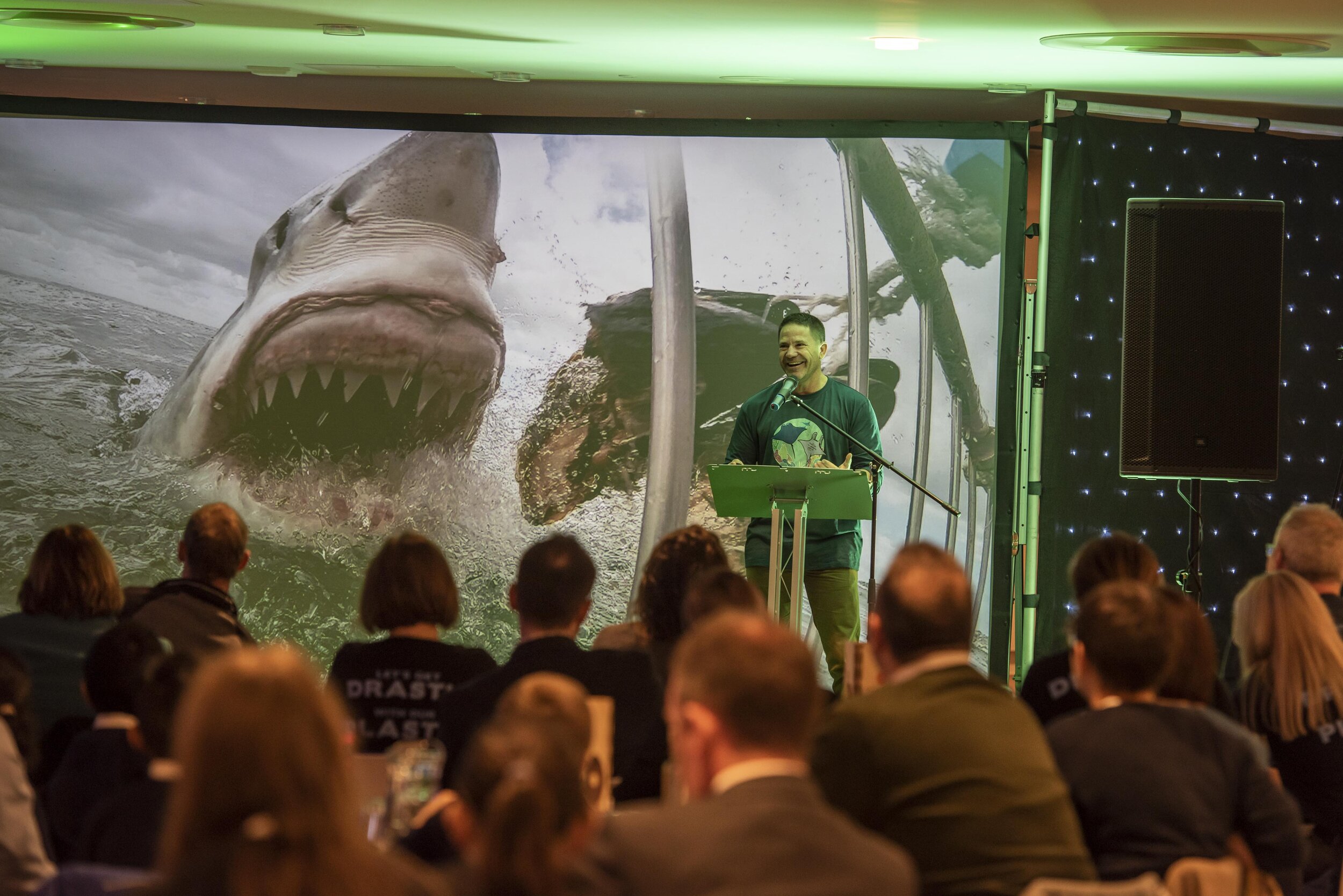
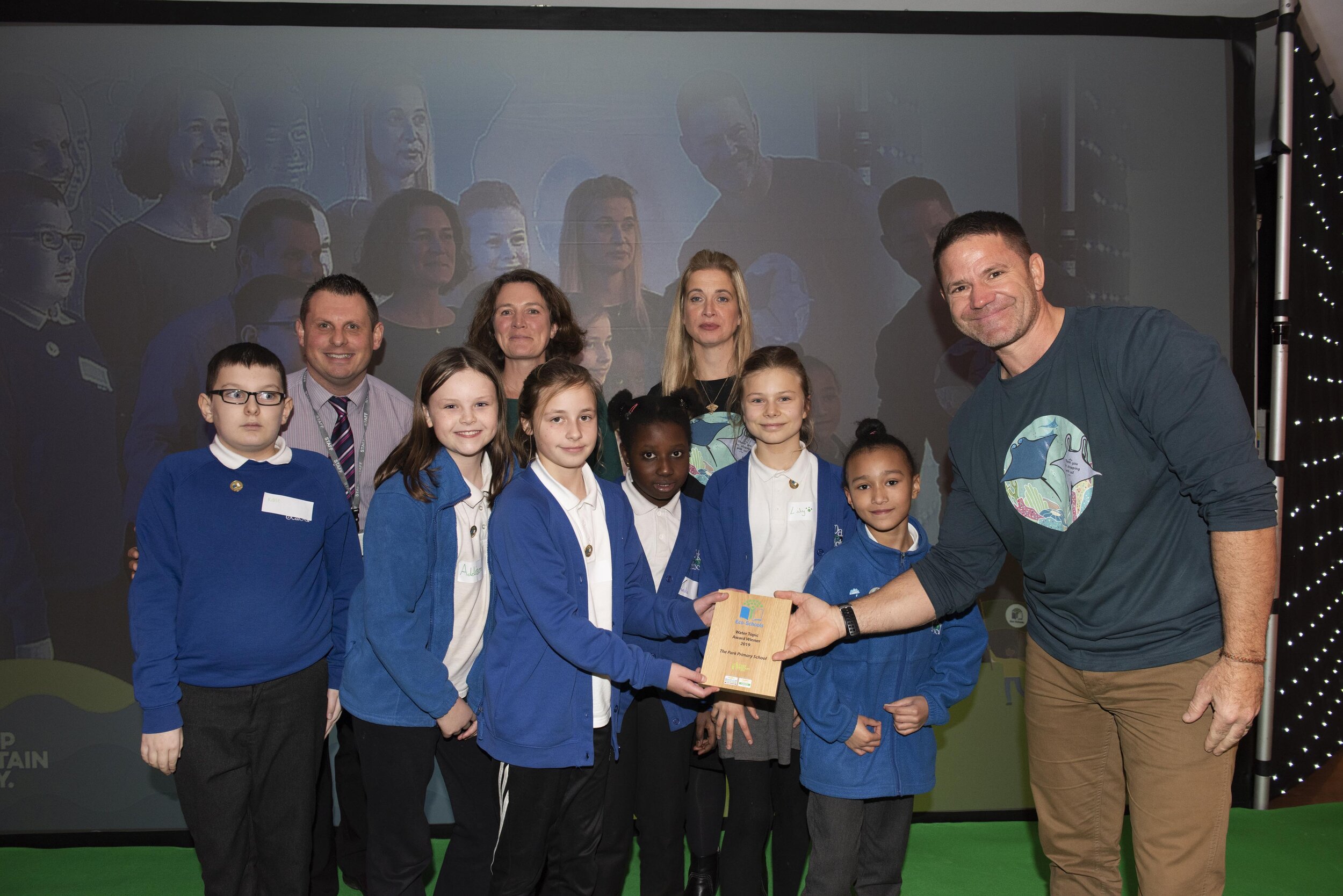
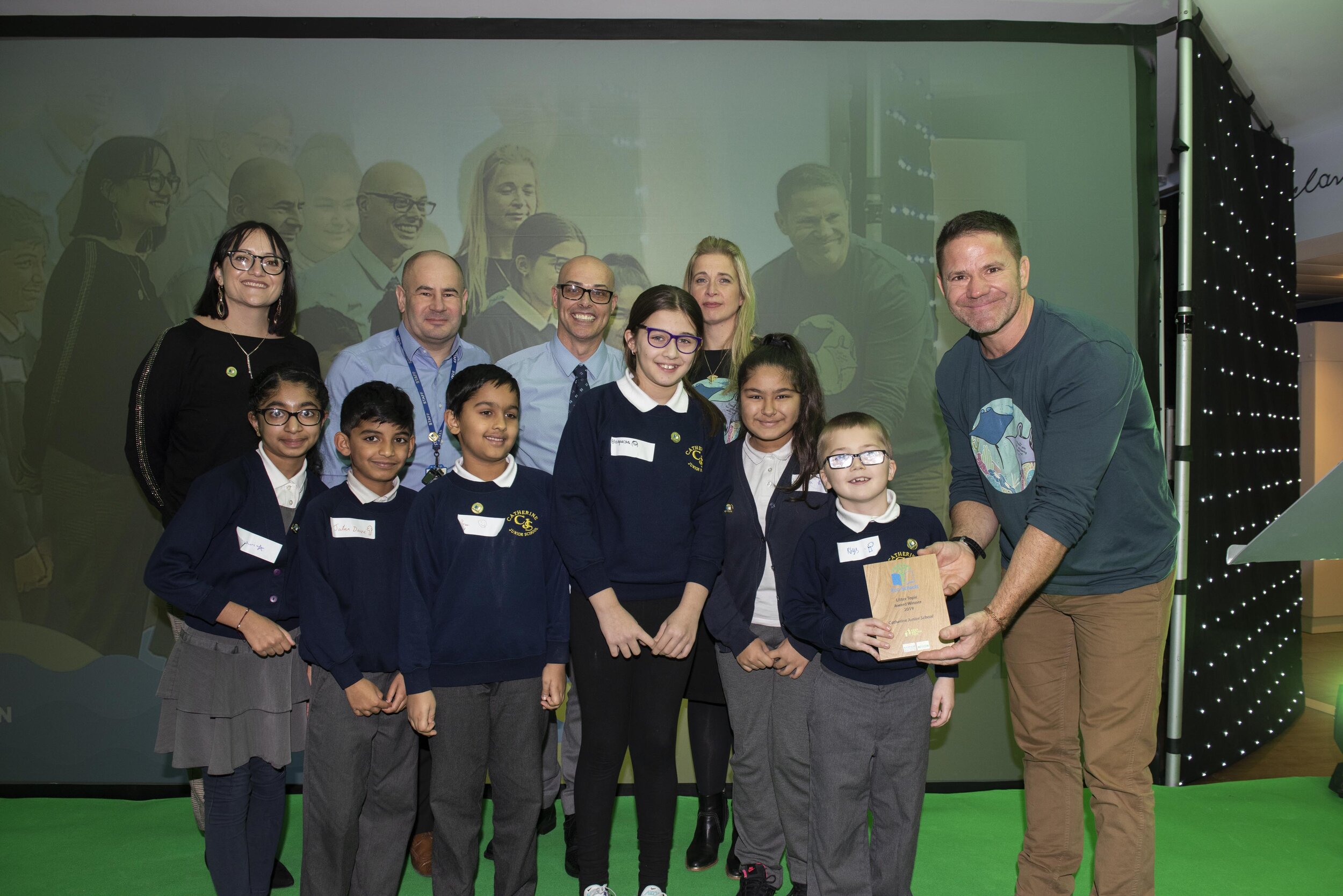
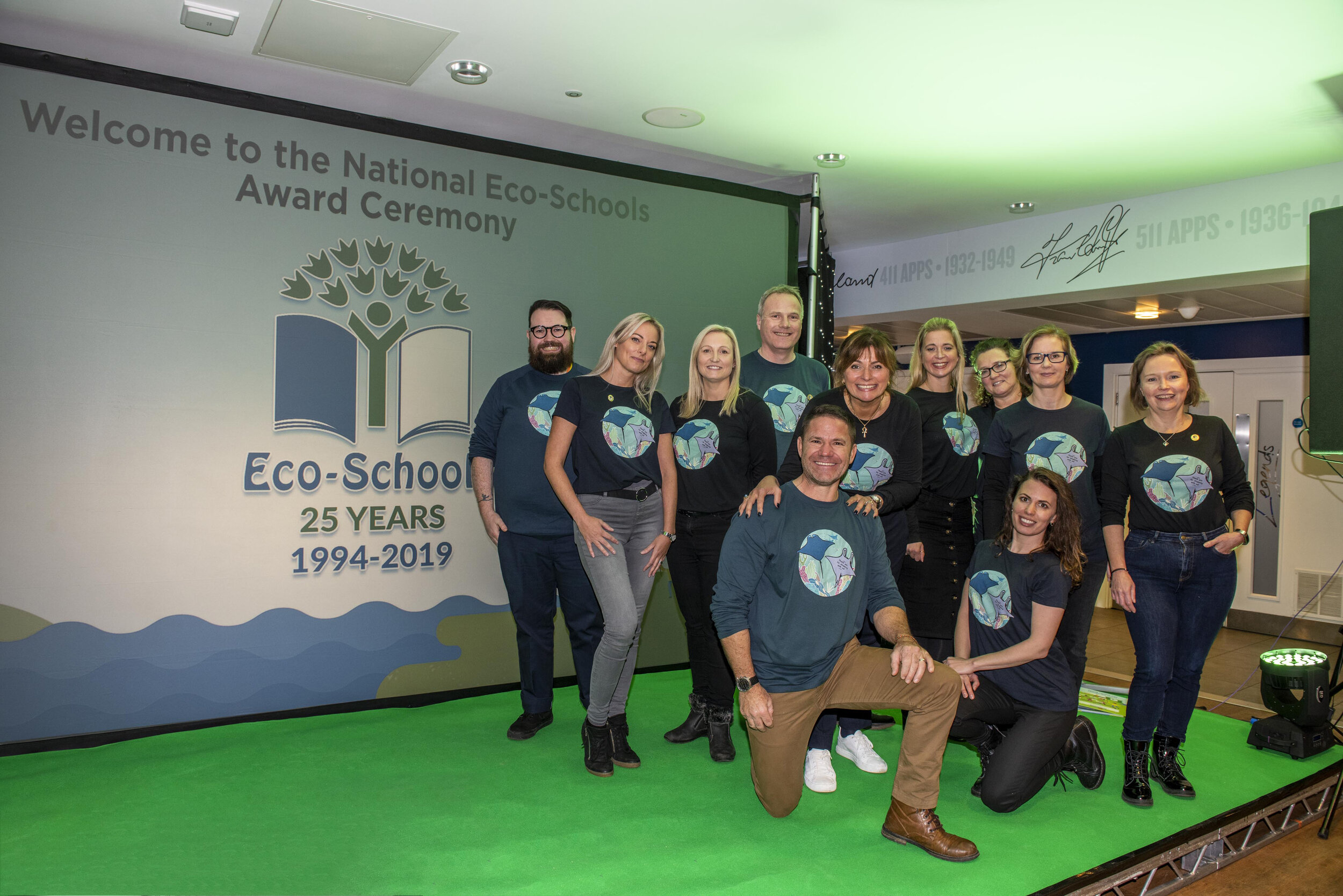
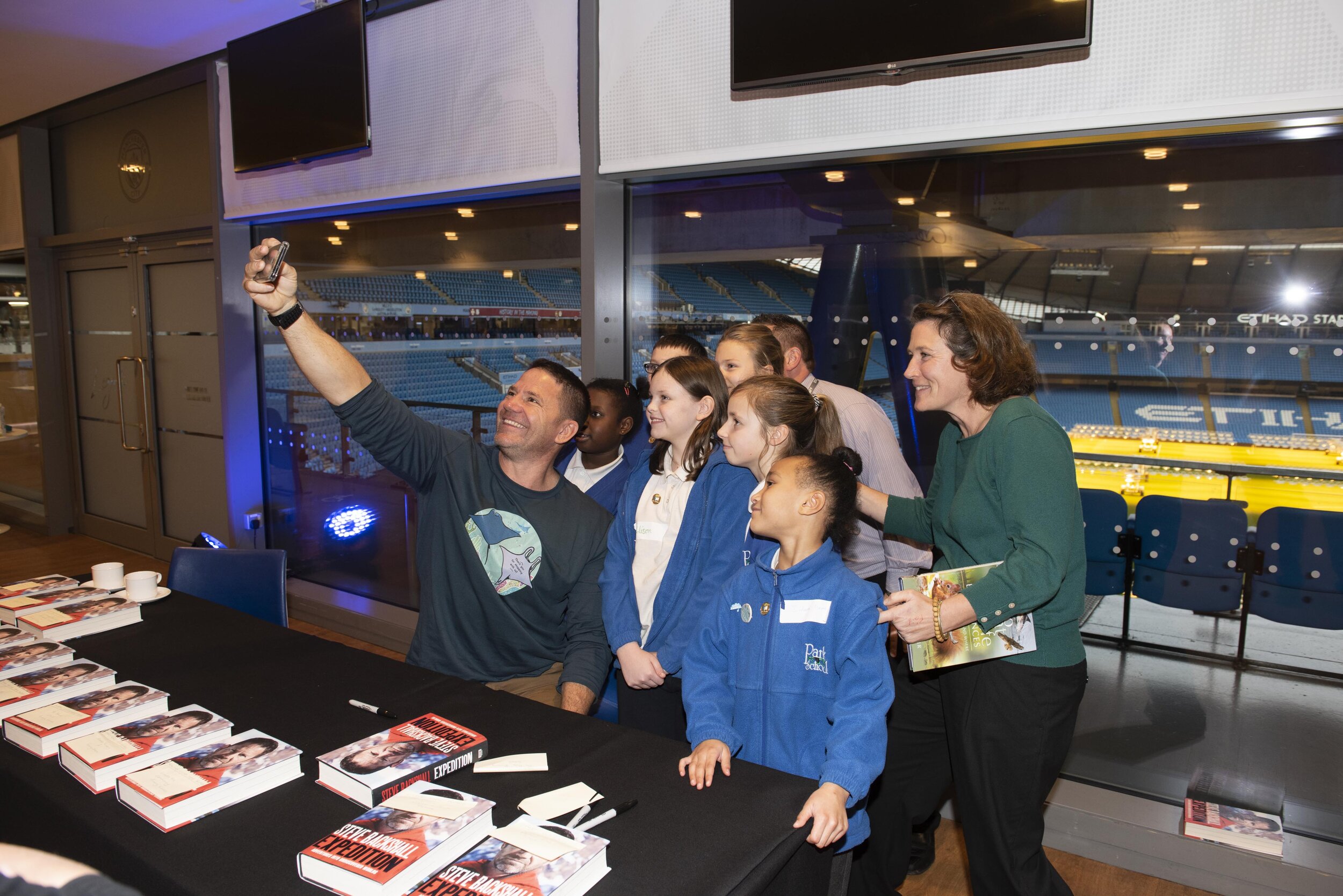
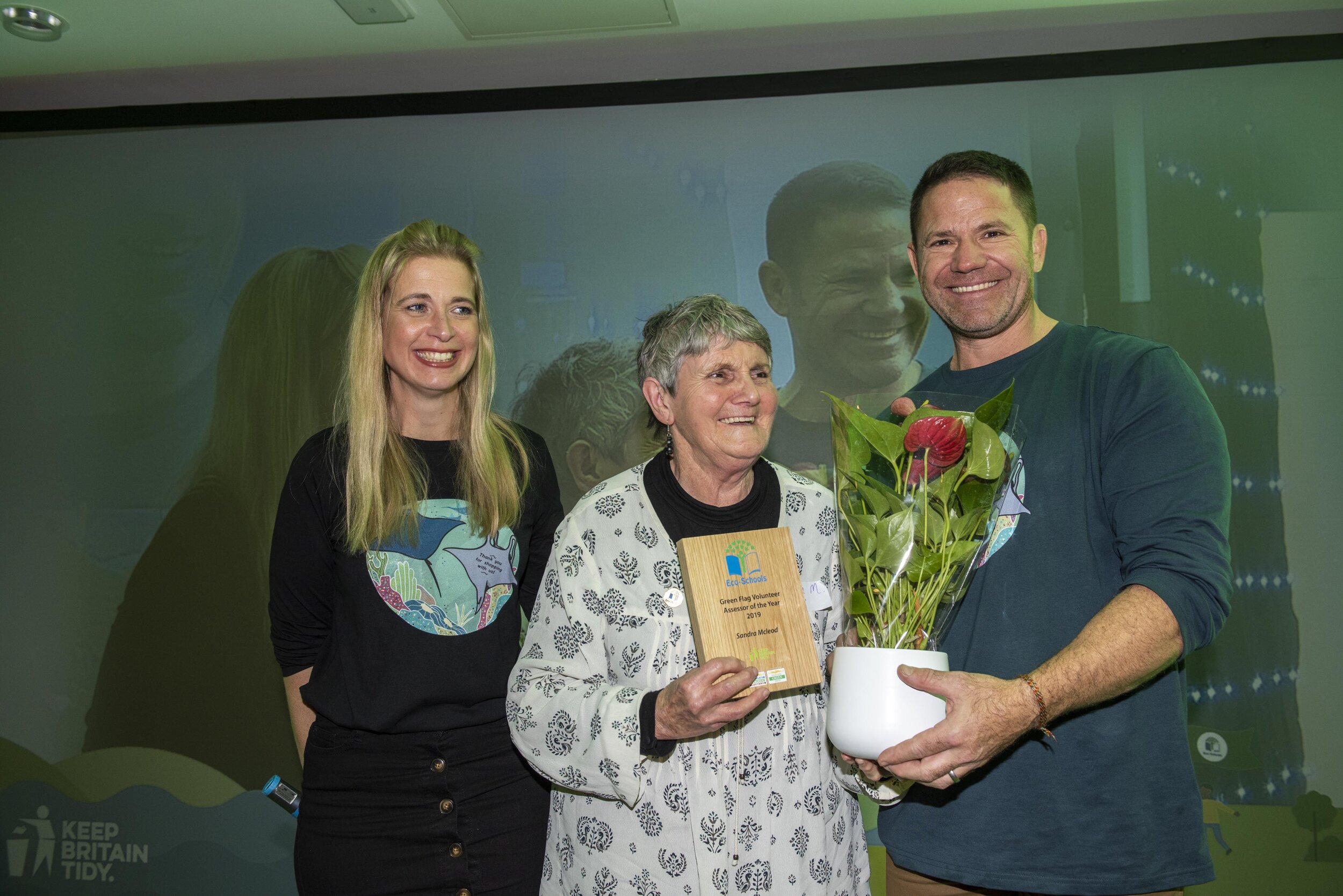
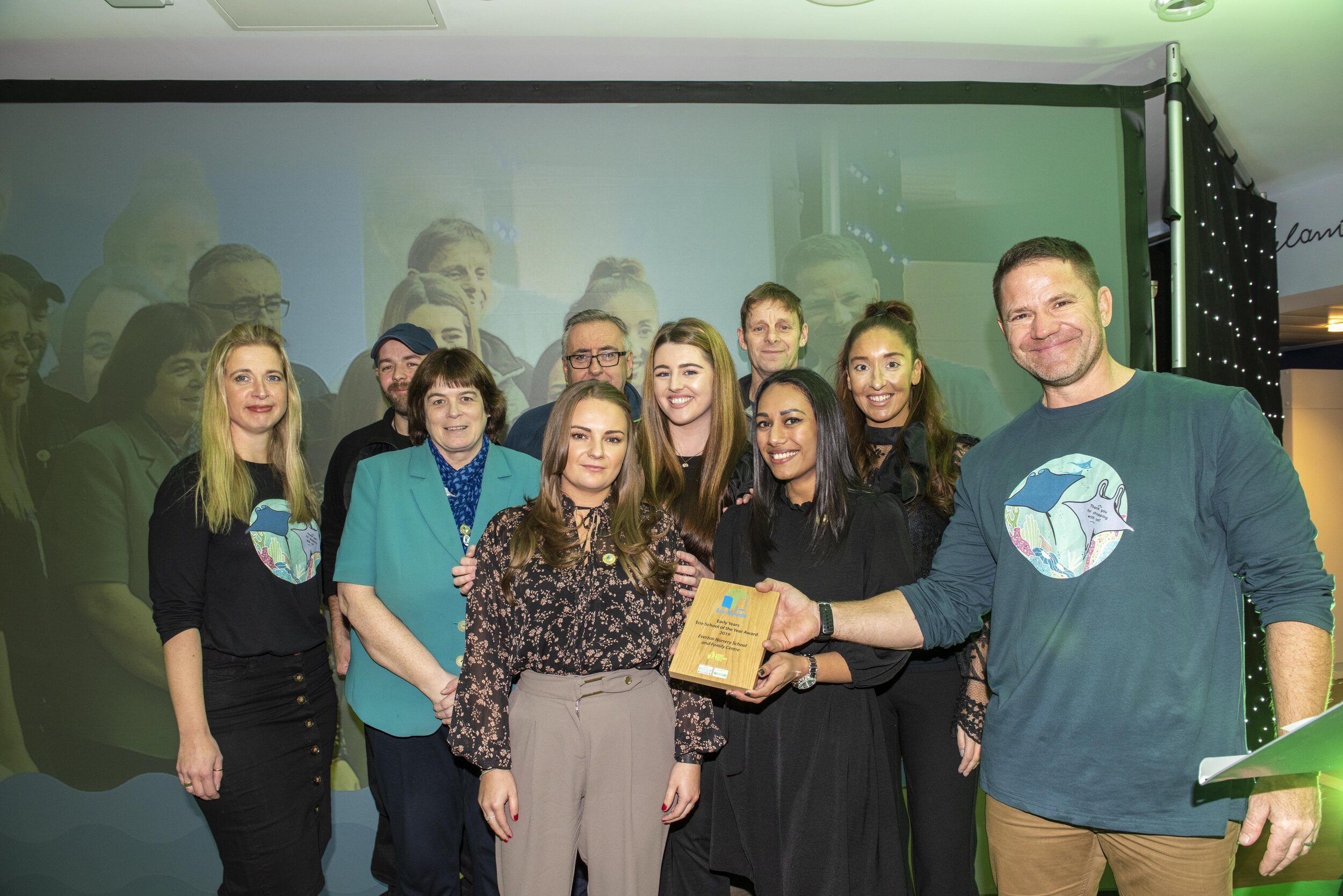
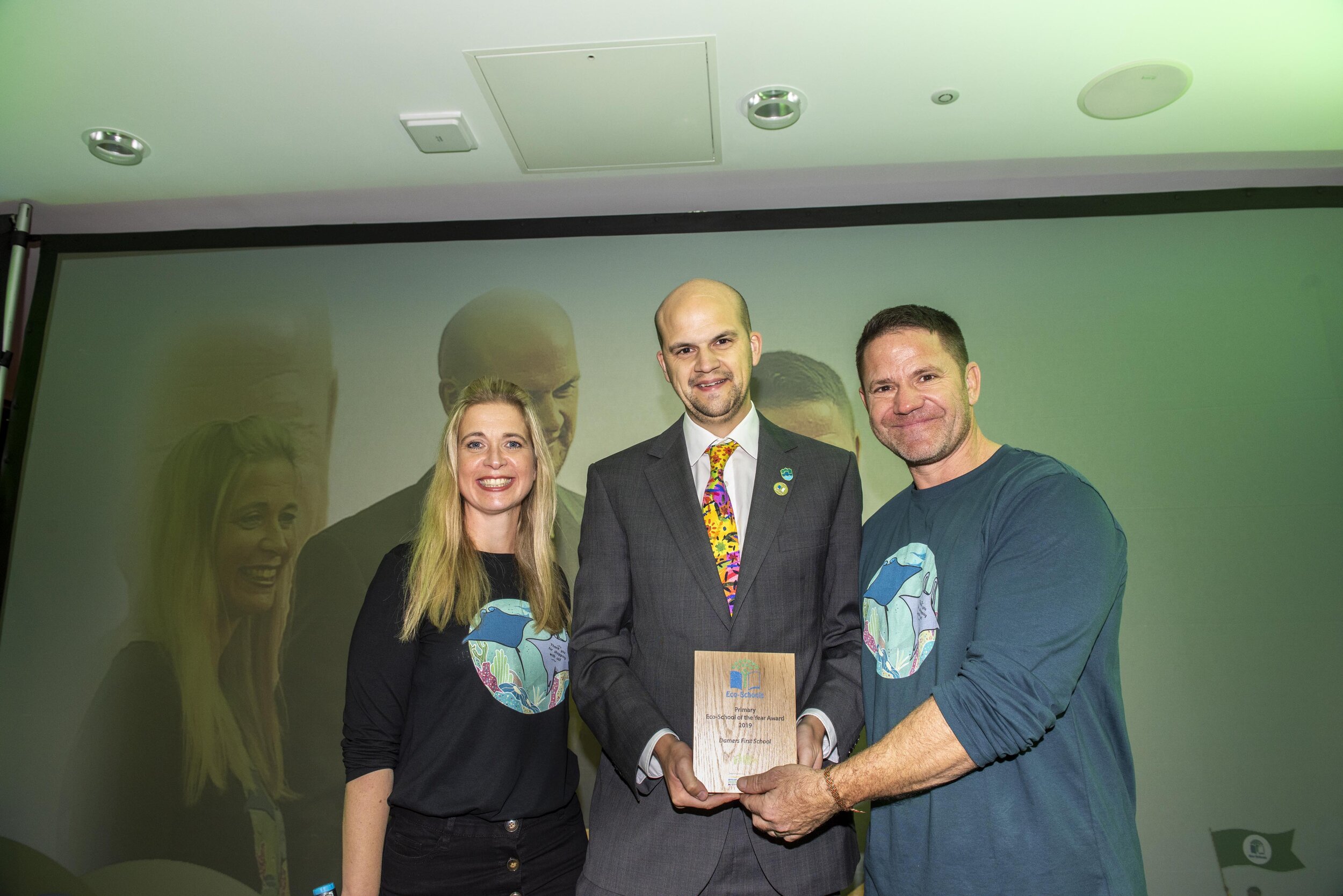
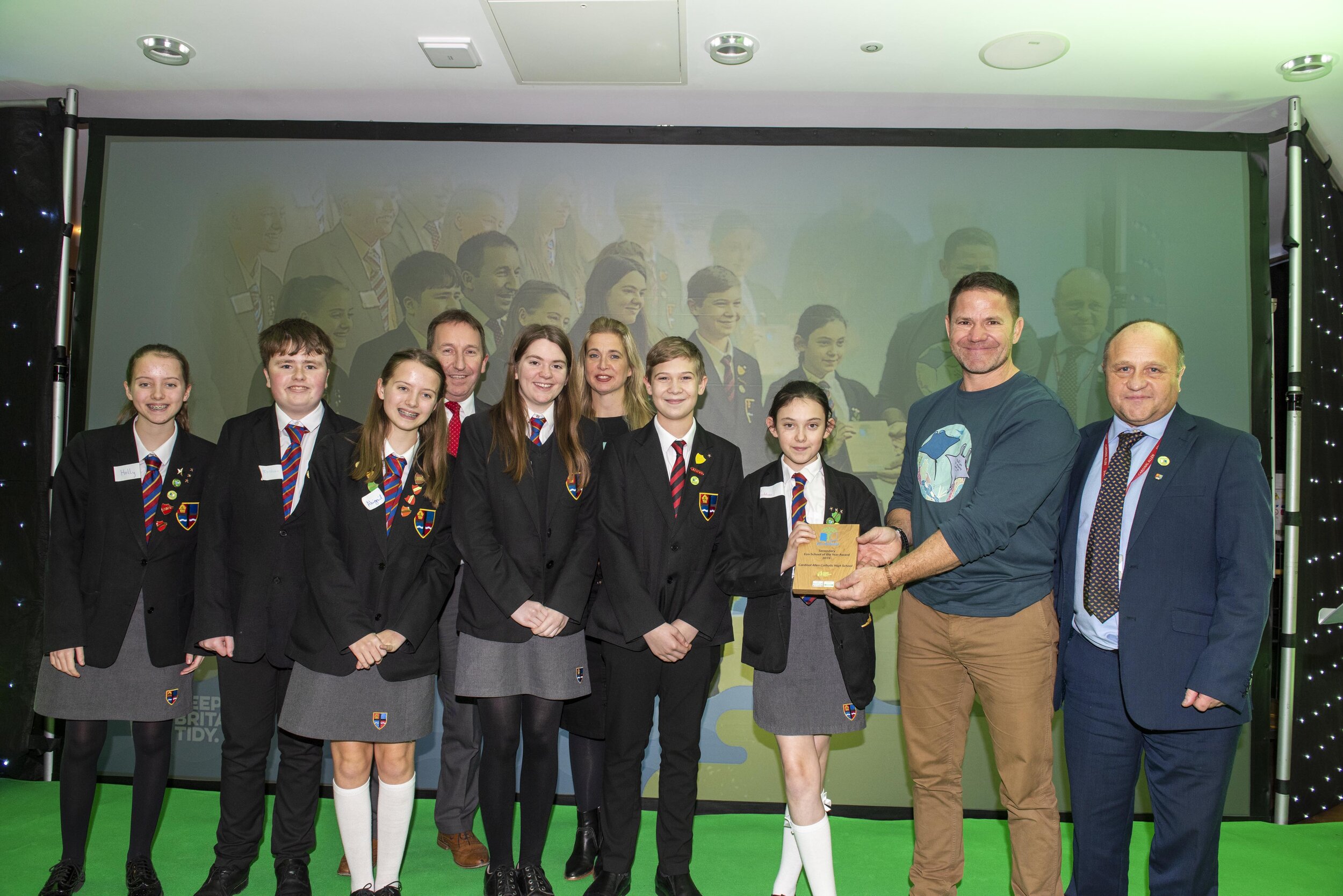
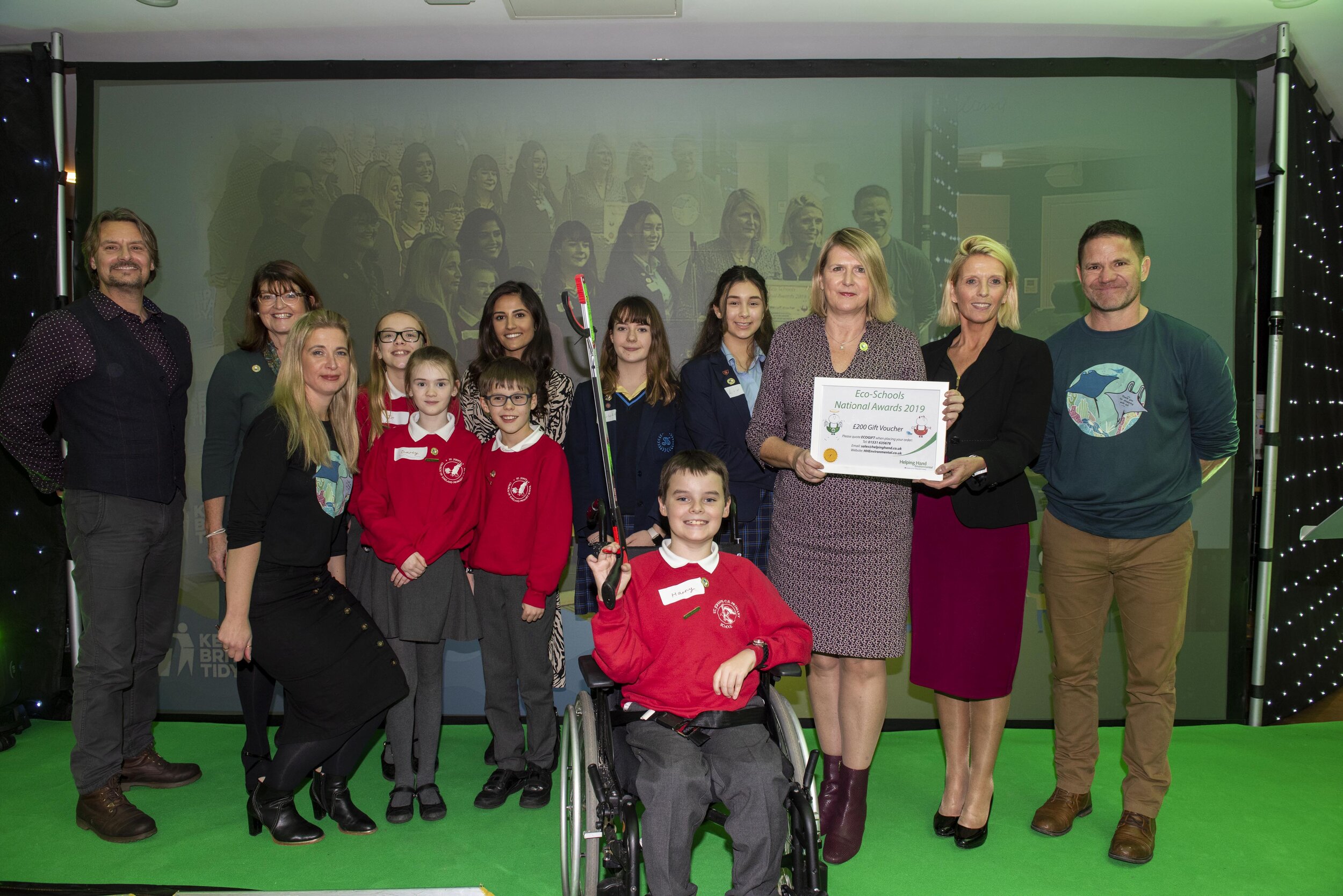
On 12th December 2019, 160 Eco-Schools students, teachers and supporters gathered at the world famous Etihad Stadium in Manchester for Eco-Schools England’s first ever National Award Ceremony. The evening was hosted by Keep Britain Tidy and presided over by famous adventurer, television presenter and author Steve Backshall. Marking 25 years of the Eco-Schools programme in England, the event was a celebration of the amazing work undertaken by a generation of Eco-Schools across the country.

The purpose of the event was to recognize the hard work and determination of Eco-Schools, Eco-Committees, Eco-Coordinators and Green Flag Assessors who have made the programme as successful as it is in England - without them we would not be the largest educational programme.
— Lee Wray-Davies, Eco-Schools Manager, England

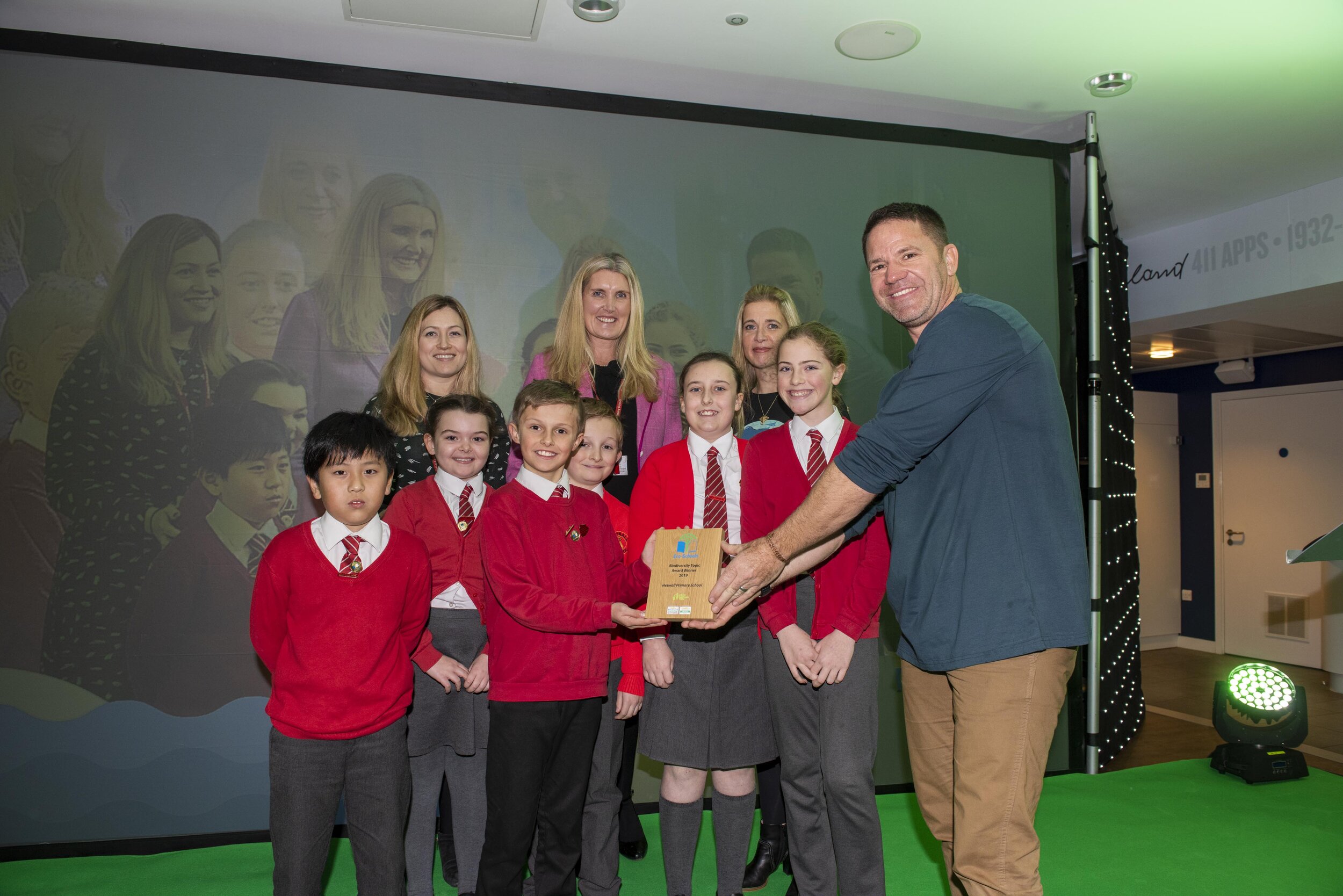
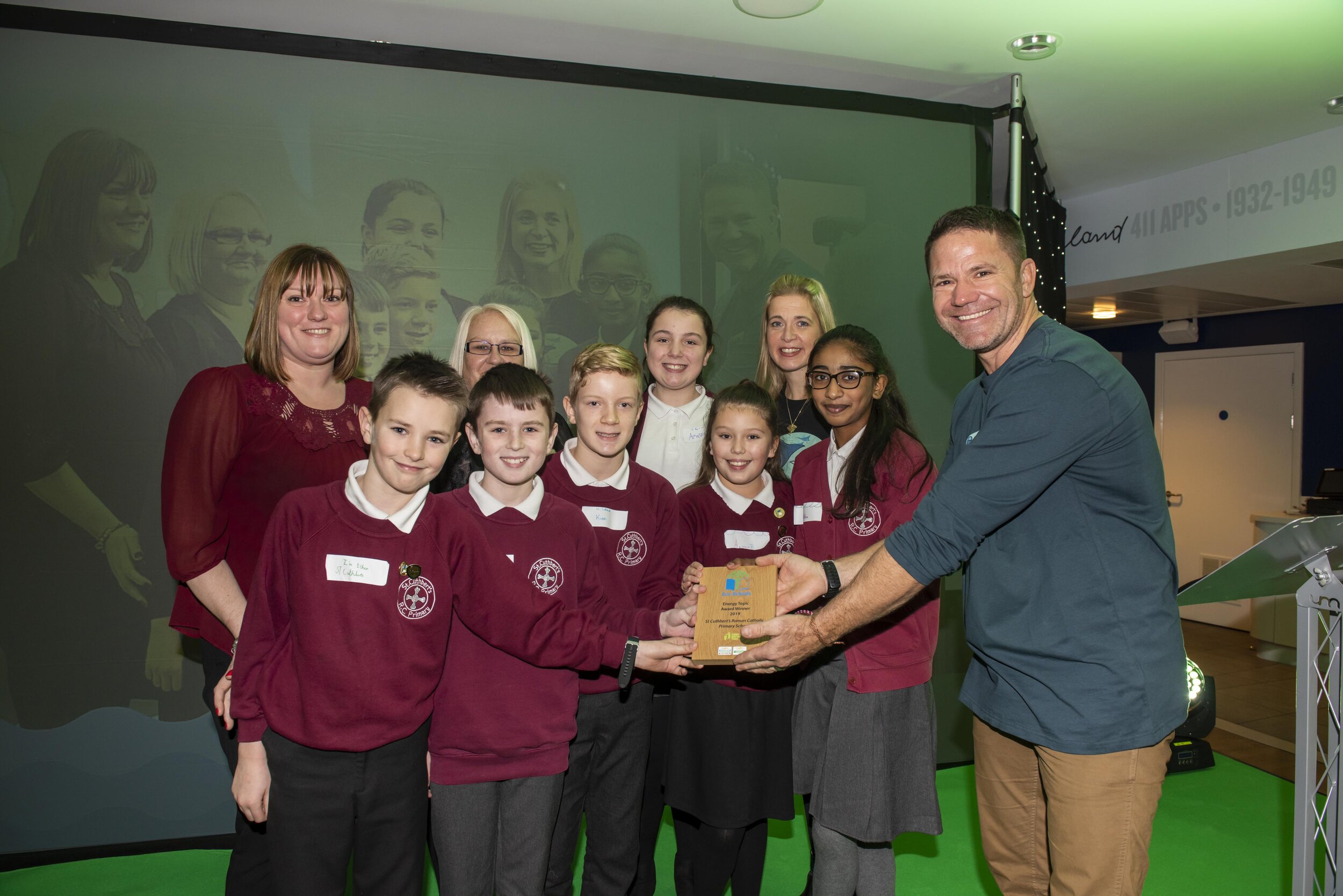
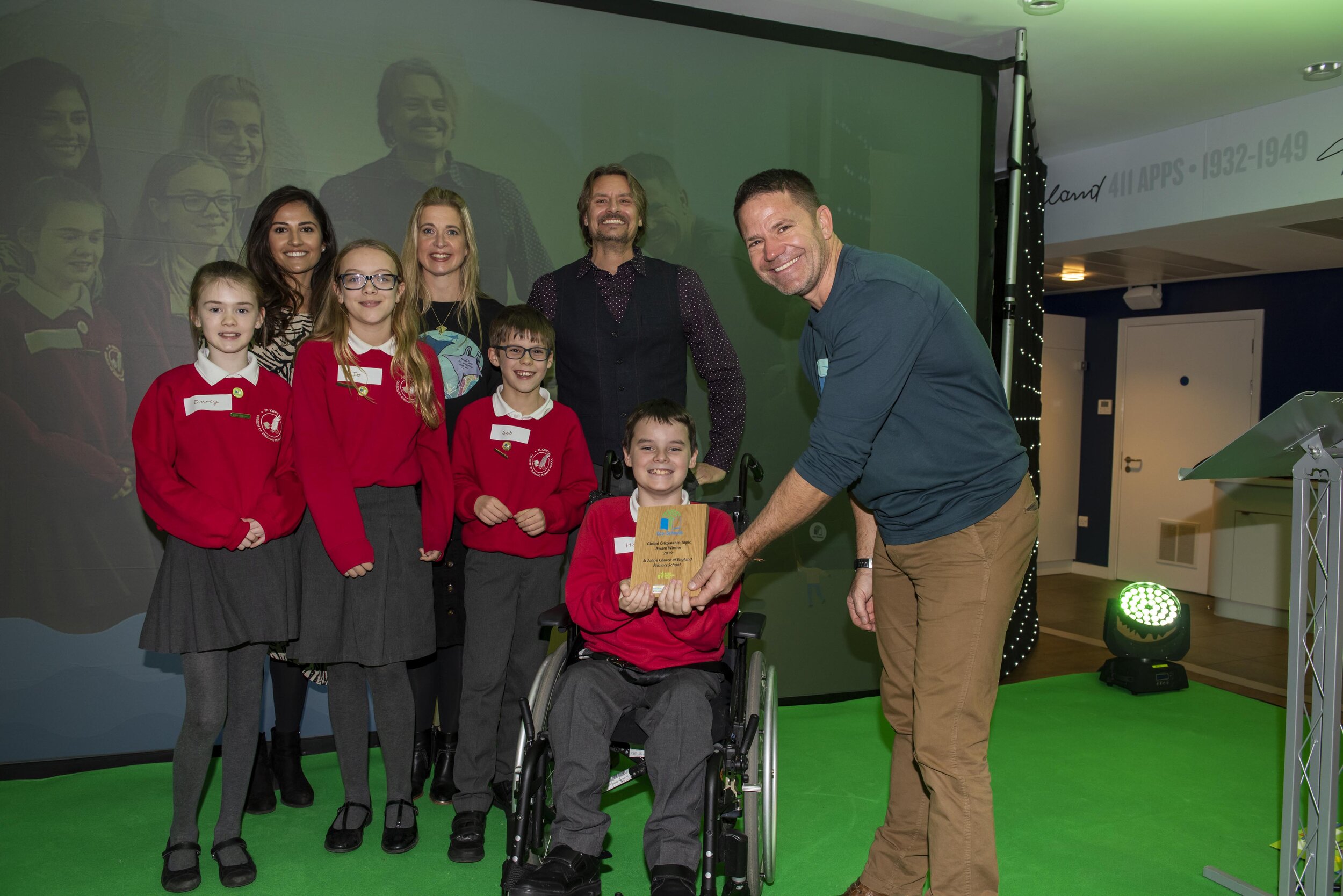
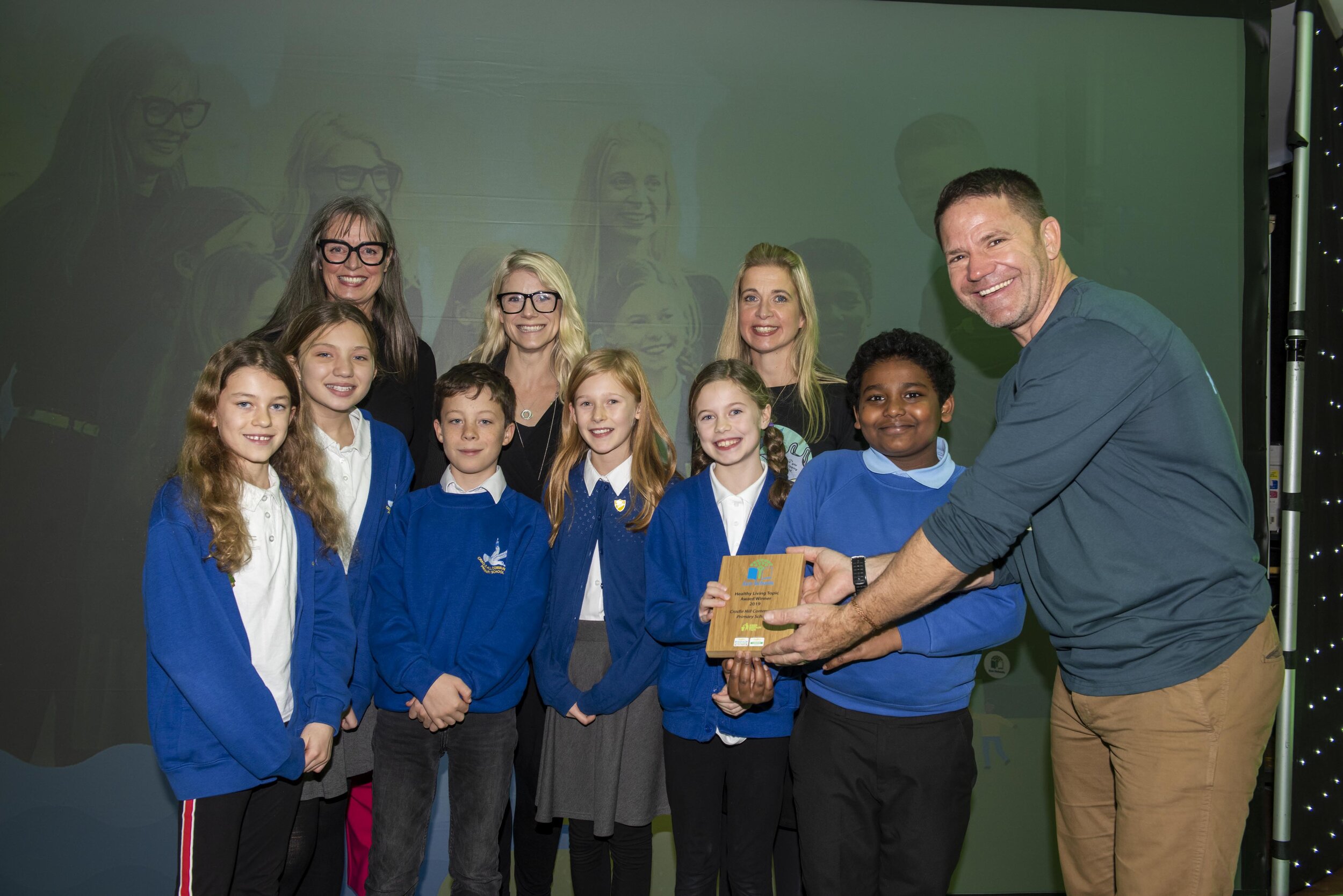
Sixteen schools and individuals were honoured with awards for excellence in the Eco-Schools programme. Over 70 students aged 6-17 from award-winning schools attended the ceremony, along with their teachers and Eco-Coordinators. A number of local authorities and corporate partners who have supported the programme over the years also joined in the festivities.

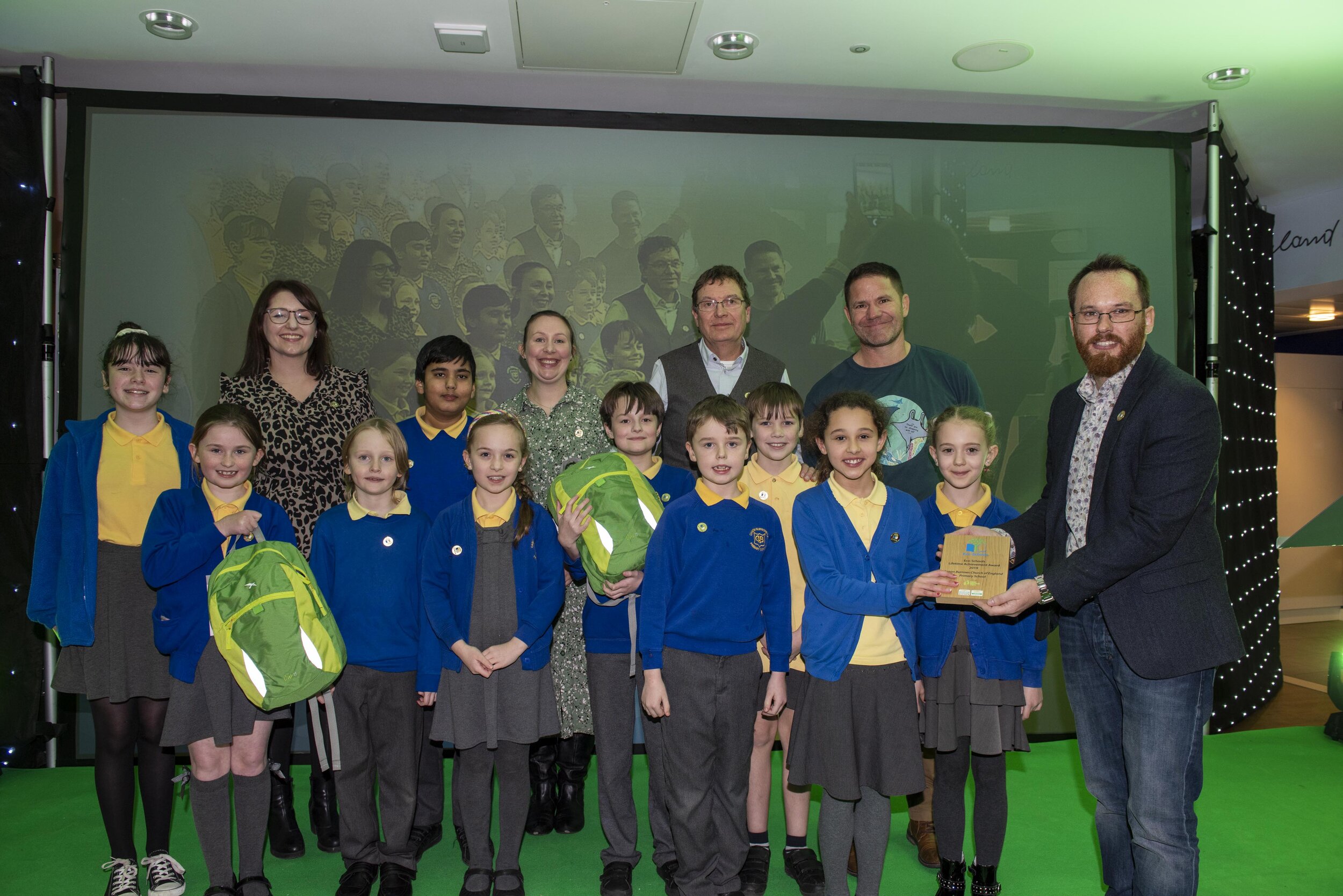
The evening culminated with the presentation of the Eco-Schools Lifetime Achievement Award to Cannon Burrows Church of England Primary School. In 1998, Cannon Burrows became the first school in England to earn a Green Flag. The school has since achieved 10 Green Flags and has been frequently recognised for excellence in environmental education. One of the Cannon Burrows teachers in attendance at the award ceremony was also a student on the school’s first Eco-Committee in 1994, proving that Cannon Burrows has been educating young people about the environment for a generation.

All of the awarded schools and individuals have gone above and beyond to achieve Eco-Schools excellence. You can find out more about the award winners here: Award Winner Biographies

All photos by Martin Birchall

The Eco-Schools National Award Ceremony was made possible by the Players of the People’s Postcode Lottery.

Changing Together: Eco-Schools releases publication to commemorate 25 years of environmental education

Downpatrick Photo.jpg

For a quarter of a century, the Eco-Schools programme has been engaging young people in taking positive actions that transform their lives. From its modest beginnings in a few European countries, the programme has expanded to effect change in some 59,000 schools in 68 countries across the globe. Recognised by UNESCO and UN Environment as a world-leader within the fields of Environmental Education (EE) and Education for Sustainable Development (ESD), the Eco- Schools programme is not just an economic model to lower costs, it is also a humanistic model that places the students and stakeholders at the centre of a process of change towards sustainability, connecting them to the real issues in their communities.

This publication is dedicated to the teachers who are at the forefront of providing children with the most stimulating experiences possible: it is they who have built this programme. Though their role is envisaged as facilitators, it takes many hours to glean the necessary experience owing to all the challenges that our education systems are faced with. It is their belief and commitment that has created the Eco-Schools we see today.

Eco-Schools are a strong and credible partner for UNESCO. They work on the ground, every day, to make ESD a reality for students worldwide. With its over 59,000 schools in 68 countries, and a strong network of National Operators, the Eco-Schools programme provides quality ESD at a large scale. For five years, the Foundation of Environmental Education and its Eco-Schools programme have been one of the most active Key Partners of UNESCO’s Global Action Programme on ESD (2015-2019). At UNESCO, we look forward to continue working with the Eco-Schools programme as we move beyond the Global Action Programme into a new ESD framework that will strive to accelerate the transformational change that is needed across the world to achieve the Sustainable Development Goals.
— Alexander Leicht, Chief, Section of ESD, Education Sector, UNESCO
The programme changed my perspective on things that I once turned a blind eye to and it widened my view, enabling me to think outside of the box rather than just stay in my comfort zone. The Eco-Schools programme taught me that despite having different beliefs, different dreams, different races and just being different in general, we humans are still living on ONE planet with ONE mother nature. Throughout my four years of being in this programme, I also realised that changes are possible and it is up to us to help make our world a better place so that our future generations could have a chance to live in a world filled with the wonders of mother nature.
— Nojuel JC Soluku, Student, SM St Michael Penampang, Malaysia

Changing Together can be viewed and downloaded here

Foundation for Environmental Education’s statement on the devastating Australian bushfires

The Foundation for Environmental Education (FEE) joins the global community in expressing our deep distress at the bushfires that continue to ravage parts of Australia. Our heartfelt sympathies go out to the individuals and communities who have been impacted by this catastrophe. We would also like to extend the utmost gratitude and esteem to the countless professionals and volunteers who have been working tirelessly to control the bushfires and provide relief to the Australian people.

Experts from around the world have spoken out to declare climate change a significant factor contributing to the extreme bushfires afflicting Australia, as well as to the frequency and severity of other extreme global weather events. As we move into a new decade, FEE has committed itself to refocusing our efforts to address the climate emergency. Through our environmental education programmes, we empower young people to find positive, action-based solutions to the climate crisis that is already beginning to affect our planet. Additionally, our newly launched Global Forest Fund employs environmental action and education efforts to offset carbon emissions associated with travel.  

On the ground in Australia, FEE member organisation Keep Australia Beautiful operates our Eco-Schools and Young Reporters for the Environment programmes to engage Australian children and youth in the pursuit of a sustainable future. The skills and passion these young people acquire will no doubt play a role in Australia’s ability to survive and thrive in years to come.

The indomitable spirit of the Australian people in the face of this tragedy renews FEE’s commitment to environmental education and inspires us to work even harder to empower the climate leaders of tomorrow. Although the current situation is undoubtedly dire, the passion and drive of the next generation inspires a positive outlook for the future of Australia and the planet as a whole. 

Students celebrate the launch of Eco-Schools Australia at Harrington Park Public School in 2014

Students celebrate the launch of Eco-Schools Australia at Harrington Park Public School in 2014

Global Forest Fund - new calculator and platform launch

After nearly a decade of compensating for our organisation’s own emissions, we have been privileged to have received a donation to upgrade this internal tool to a cutting-edge platform. Today FEE launches this new Global Forest Fund calculator and platform which allows travellers to calculate their carbon emission across a range of transport options. Open to the public and other organisations interested in compensating for CO2 emissions related to travel, the Global Forest Fund is trustworthy, transparent and makes a real and lasting impact.

We strongly believe that education is an essential part of the process and will contribute greatly to the future impact of this tool. Our methodology focuses on engaging youth in schools with educational resources delivered over the course of the school year, with these learning outcomes being reinforced around the focal point of a hands-on tree planting event involving the local community.

Project Leader Barry McGonigal

Project applications are awarded based on striking a balance between planting as many trees as possible and education as many children as we can. Working with our members means drawing on decades of collaboration and expertise to deliver the maximum for the funds we disseminate with 90% of the income going directly to the projects and the remainder used for administration at FEE.

 We are currently establishing a jury including representatives from outside of our organisation whose task it will be to select the projects to be awarded according to a strict set of criteria. Transparency and integrity are as key to the success of our fund as they are to our organisation as a whole: with nearly forty years of running global programmes the Foundation for Environmental Education has become a leader in the public eye, representing quality and environmental awareness both in the tourism industry (Blue Flag and Green Key) and formal education (Eco-Schools, Learning about Forests and Young Reporters for the Environment).

New Eco-Schools Children for Children Campaign to Support The Bahamas

It is estimated that 70,000 people, including more than 18,000 children and teachers, have been severely affected by the recent Hurricane Dorian in The Bahamas. Twelve Eco-Schools on two islands, Grand Bahama and Abaco, suffered extensive damage or were destroyed.

Abaco, aerial view 3.jpg

To support children from our twelve affected Eco-Schools and to raise educational awareness on the increasing vulnerabilities to natural disasters from climate change, the Foundation for Environmental Education (FEE) has teamed up with our member in The Bahamas, Bahamas Reef Environmental Education Foundation (BREEF), to launch the Children for Children campaign.

Individual Eco-Schools from our global network of 51,000 schools in 67 countries will be able to participate in this global campaign, which will help educate students on climate change risk reduction and resilience. Each of the actions taken by these schools will also include a fundraising component so they can make donations to help the recovery efforts of affected Eco-Schools in The Bahamas. Donations from outside of the Eco-Schools network are also welcome.

 “The overall goal is to raise educational awareness on the impacts of climate change and the increasing vulnerabilities to disasters, and at the same time help the schools in The Bahamas buy new equipment and educational materials that will allow students to return to normality as soon as possible,” says FEE’s CEO, Daniel Schaffer.

Bhfot.png


Since 1981 FEE, through its Eco-Schools, Young Reporters for the Environment, and Learning about Forests programmes, has been educating children, youth and adults to increase awareness and action on creating a more sustainable world. Today, with increasing vulnerabilities to natural disasters from climate change, FEE is in a position to mobilise support for rehabilitation and climate resilience, particularly within the educational infrastructure.

“Though born out of adversity, the Children for Children campaign unites the global Eco-Schools network with the children of The Bahamas not only to show that they care, but to lend their financial support to the ongoing recovery of children affected by Hurricane Dorian. As a low-lying archipelago, The Bahamas is one of the most vulnerable countries in the world to the adverse effects of climate change. Nevertheless, climate change affects every one of us on earth and it is up to us all to take action,” says Casuarina McKinney-Lambert, Executive Director of BREEF.

Next summer the campaign will follow up with the progress of how the recovery efforts for the children and schools in The Bahamas is progressing and a final publication on the ‘Climate change risk reduction and resilience education’ will be published.

To find out more about how to donate, school fundraising activities, educational resources and how an Eco-School can register for this campaign, please visit: www.ecoschools.global/childrenforchildren

Eco-Schools Petition to 10 Downing Street

Allison Ogden-Newton, Lee Wray-Davies and Suzy Brain England outside 10 Downing Street

Allison Ogden-Newton, Lee Wray-Davies and Suzy Brain England outside 10 Downing Street

Today Eco-Schools England presented their petition to No 10 Downing Street asking for all schools in England to become Eco-Schools and to receive the support they need to achieve Green Flag success.

‘We believe that every school in England, from Early Years to higher education, should feel able to benefit from being enrolled on the Eco-Schools programme. Every school should be actively supported to achieve their Green Flag and overcome any anxiety about future climate through a programme that delivers the learning that young people need and personal strategies they can employ to take action and make a difference, at school, at home and in their future working lives’

To follow the story on social media please use #AllSchoolsEcoSchools

Increased student awareness of Climate Change through Green STEM initiative

Through the Alcoa W5 Programme supported by Alcoa Foundation and delivered through the Eco-Schools programme, student climate change awareness levels have increased by 30% and participating students now feel confident about their knowledge on the issue.

Norway.jpg

Green STEM – looking at the Science, Technology, Engineering and Math disciplines through an environmental lens – provides students with opportunities to work with real-world sustainability issues where their learnings help solve real problems by thinking critically and working together.

In the programme’s third year, students from twenty-five schools are participating in hands-on actions around the themes of Waste, Water, Energy (Watts), Climate Change (Warming) and Biodiversity (Wildlife).  Eco-Schools national teams of the National Wildlife Federation in the USA, FEE Norway in Norway, and Keep Australia Beautiful in Australia provide teacher training, develop resources, and support Alcoa volunteer opportunities.

“With Alcoa Foundation’s support through this project we have been able to provide a positive action-based approach that has resulted in incredible student achievements at the community level – from increasing schools’ handprint to addressing local government about recycling management on equal footing. This project provides experiences that empower young people with skills to be active citizens who can better address the most pressing issues of our time,” says FEE CEO Daniel Schaffer.

The Alcoa W5 project has led to increased biodiversity on the school grounds, energy efficiency and energy-saving initiatives, improved waste management systems and increased engagement in school communities and local governments in sustainability initiatives. Impact assessment from the last cycle of the project in 2017-2018, highlights that there has been a 58% increase of participating teachers having a better understanding of Green STEM by the end of the project cycle, which allows them to start or consistently incorporate Green STEM learning opportunities in the classroom – a remarkable achievement of the project.
 
Eco-Schools allows students in multiple Alcoa communities around the world to learn about the important issues surrounding our environment through a unique STEM framework,” says Alice Truscott, Senior Program Officer for Alcoa Foundation. “We truly believe the future of sustainability relies on the education of tomorrow’s leaders, and that is one of the many reasons why we invest in this important programme.”

Learn more about the Alcoa W5 project at https://www.ecoschools.global/alcoaw5

FEE Response to the Climate Crisis

Hands - page 3.jpg

The latest IPCC Special Report on the Ocean and Cryosphere in a Changing Climate clearly states our fragile Earth is now in perilous danger and that we humans are a major contributing factor. The clear consensus is we have less than a decade to wholeheartedly address the climate crisis to stay within the 1.5 degree temperature rise.

 Since 1981, the Foundation for Environmental Education has been working on a solution-based approach for creating a more sustainable world.  Through our five programmes, we have empowered people to take meaningful and purposeful action to look after our valuable finite natural resources by enhancing global environmental education.

 FEE is galvanised into action by this latest IPCC report and we are committed to sharing our knowledge and experience, so we can play our part in offering positive actions and solutions to the current climate crisis. We can, and will do more, and will now sharpen our own focus on three key themes: climate change, loss of biodiversity and pollution.

“There is a pressing need to prioritise FEE’s limited resources to focus on these three main themes that are intrinsically linked.  We have an important role to play in addressing the urgency of the situation and to commit to a strategy and approach that puts these critical issues at the heart of our programmes and our organisation,” says FEE President Lesley Jones.  

 For the last thirty eight years, FEE has been educating millions of people around the world to become leaders of sustainability and positive change. Now, together with the right knowledge and know-how, we can increase our contribution and push even harder as positive agents of change.

Our educational programmes, Eco-Schools, LEAF and Young Reporters for the Environment utilise a solution-based approach for empowering young children, youth and young adults to take meaningful action to protect our planet. And, our Green Key and Blue Flag initiatives promote sustainable business practices within the tourism industry.

Lastly FEE’s Global Forest Fund, to be re-launched in its upgraded form this November, will be a powerful tool for all to compensate travel-related emissions through our educational projects focused on school and community tree planting, providing further positive solutions to the climate crisis we are facing.      

Together we can all make a positive change on a global scale.

Litter Less Campaign: The longest-running school campaign on litter continues

PRESS RELEASE
Contact: Gosia Luszczek, International YRE Director
Foundation for Environmental Education
E:
gosia@fee.global


Over 3 million students from more than 5000 schools across the world have participated in the Litter Less Campaign the past 8 years. The campaign has helped not only students, but also their teachers, parents, and local communities address the issue of litter and waste.

The Litter Less Campaign, which was launched in 2011, has just entered its fourth phase and will be implemented in 15 countries until 2021. The campaign is a joint initiative between Foundation for Environmental Education (FEE) and Mars Wrigley Foundation which educates children and youth on the issue of litter and gives them the opportunity to engage their local communities in awareness raising activities.  

“Providing students an opportunity to learn about the challenges of litter and waste in their community and empowering them to become leaders through the development of meaningful solutions drives sustainable, positive behavior change. The Mars Wrigley Foundation is proud to have supported millions of students around the world through the Litter Less Campaign,” says Anne Vela-Wagner, Executive Director of the Mars Wrigley Foundation.

Through the Eco-Schools and Young Reporters for the Environment programmes, students will carry out litter action plans and media campaigns which aim to tackle specific litter and waste issues. These issues will be carefully selected by the schools together with their National Operators in order to achieve the biggest and most relevant impact in their local communities.

“FEE is privileged for the funding and cooperation it has been granted by the Mars Wrigley Foundation since 2011. The funding of these two extra years are a testament to the impact we have had with the campaign to date. Litter is a form of a pollution that continues to increase as a serious global threat. The situation our oceans are facing due to plastic and micro plastic pollution are a sad example of this. Hence we believe this fourth phase is essential for our on-going efforts in educating and changing the behaviour of children, youth and adults around the world,” says Daniel Schaffer, CEO of Foundation for Environmental Education.

England WLLC Litter Pick11.jpg

A campaign with a clear impact

Based on research conducted the past two years, the Litter Less Campaign has a clear positive impact on students’ knowledge, attitude and opinion leadership with respect to litter and waste management. The data shows that students who participate in the campaign know more about waste management, conserve more resources and are less likely to litter compared with students who do not participate in the campaign.

“The campaign highlight is always the enthusiasm of the children to make a difference and be given a platform to use their pupil voice concerning issues that affect them. Because of the raised awareness of Litter and its impacts around the world, especially to our oceans and wildlife, pupils have had a real purpose in their actions and messages to their school and community,” says Julie Giles, National Operator, Wales.

About the Foundation for Environmental Education

Foundation for Environmental Education (FEE) is the world's largest environmental education organisation with members in 77 countries. Through five ground-breaking programmes, FEE empowers people to take meaningful and purposeful action to help create a more sustainable world.

About the Mars Wrigley Foundation

The Mars Wrigley Foundation partners with organizations around the world to help people and communities flourish. Founded in 1987, the Foundation works to provide oral health education and care, improve lives in mint- and cocoa-growing regions, prevent litter and waste, and create vibrant communities.

Countries implementing the Litter Less Campaign 2019-2021

Australia, Brazil, China, England, France, India, Ireland, Kenya, Malta, New Zealand, Northern Ireland, Russia, Scotland, Spain and Wales

LLC long.JPG

Press Release - YRE International Competition 2020

YRE+15-18,+1st+place+as+campaign+-+Stop+sucking+the+life+out+of+our+oceans+-+Canada.jpg


Do you want to raise awareness of environmental issues taking place in your neighbourhood? Are you able to inspire people to take positive action? Do you see yourself as part of the global environmental movement?

Then join the International Young Reporters for the Environment (YRE) Competition 2020 by submitting an article, photo, or video that highlights an environmental issue close to your heart. The winning entries will be published internationally on Medium and on the websites of Climate Tracker and YRE!

To read more about the competition click here